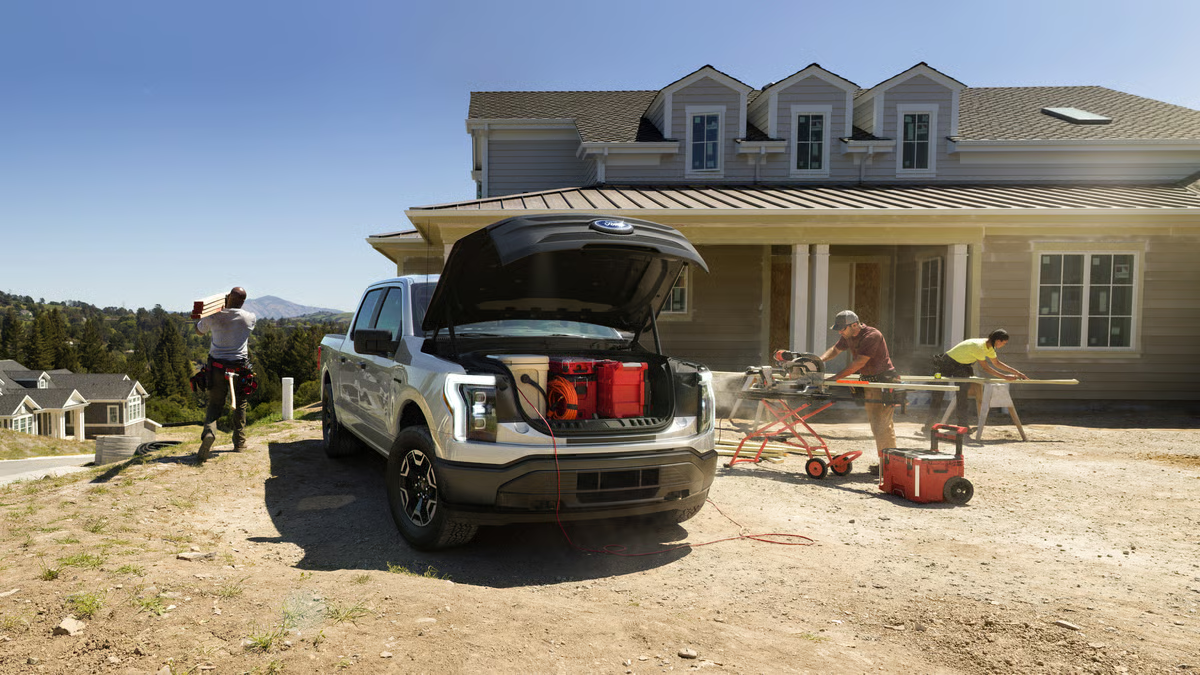
Two dividend stalwarts, Ford and General Mills, are highlighted as solid income plays. Ford combines a new Universal EV Platform and a planned affordable EV pickup for 2027 with an upgraded production system to accelerate EV output, yielding about 4.3%; General Mills relies on strong brands and growth bets like Blue Buffalo into fresh pet food to support a long dividend history and roughly 5.2% yield. Both face challenges from competition and shifting consumer tastes but offer steady income and potential long-term upside.
Scientists have developed a new form of graphene that significantly enhances supercapacitors' energy and power density, potentially enabling faster charging and higher capacity energy storage for electric vehicles, electronics, and household devices, overcoming previous limitations of space efficiency and charge speed.
Ford's initial investment in electric vehicles didn't meet expectations, leading the company to shift focus towards hybrids and energy storage solutions as part of its strategic pivot in the automotive industry.
Ford CEO Jim Farley was shocked by the internal components of Tesla and Chinese EVs, which prompted him to overhaul Ford's EV strategy, including spinning out a dedicated division and shifting focus towards more affordable models to compete globally, especially against China's rapidly advancing EV market.
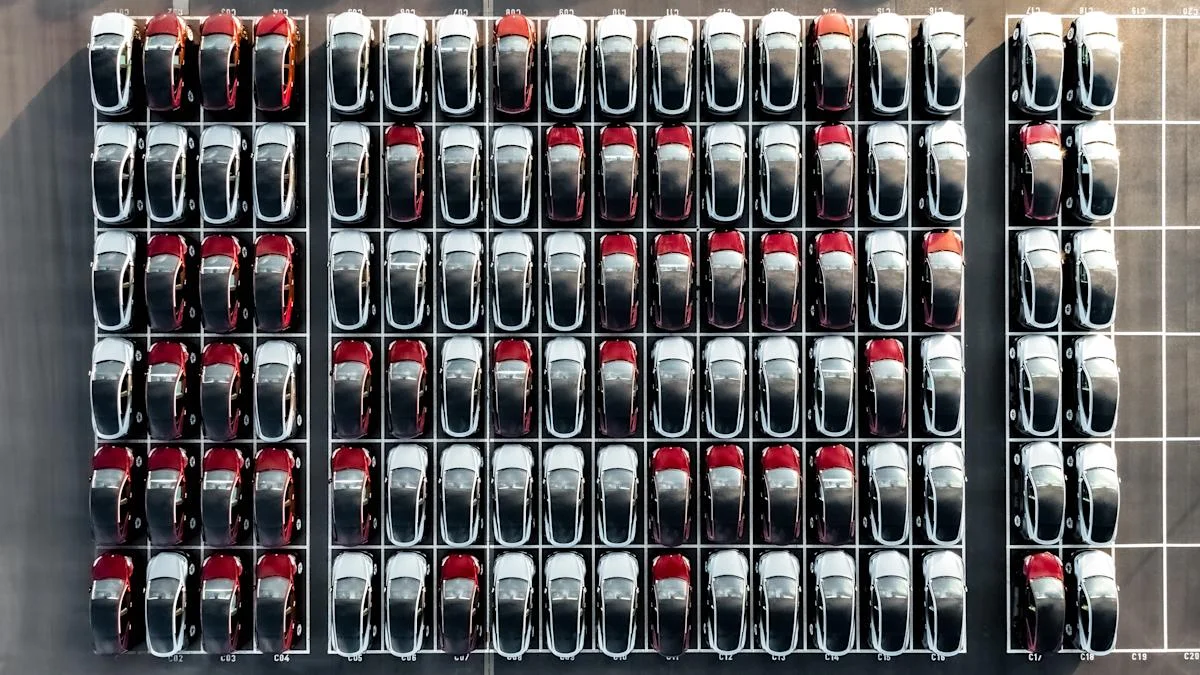
The average new car price in the US surpassed $50,000 for the first time, driven by luxury models and electric vehicles (EVs), which now account for over 11% of sales. EV prices remain stable despite high incentives, with Tesla leading the market. The trend reflects ongoing inflation and shifting consumer preferences towards higher-end and electric vehicles, amid a market that is experiencing significant growth and disruption.
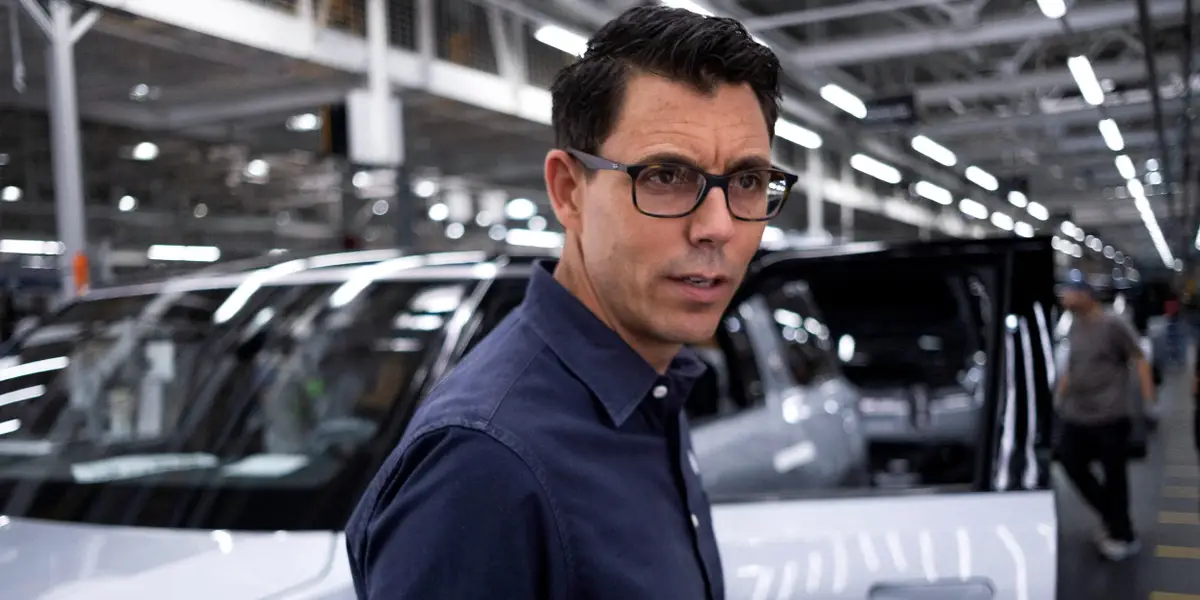
Rivian CEO RJ Scaringe discusses the company's focus on broadening its vehicle lineup beyond trucks, the upcoming R2 model at a starting price of $45,000, and their conviction in skipping CarPlay in favor of a seamless, integrated digital experience. He emphasizes Rivian's software and hardware innovations, their strategic sourcing and manufacturing in the US, and their advancements in autonomous driving technology, including AI-driven self-driving features expected by 2027. Despite industry challenges like tariffs and supply chain issues, Rivian remains confident in its growth and brand appeal.
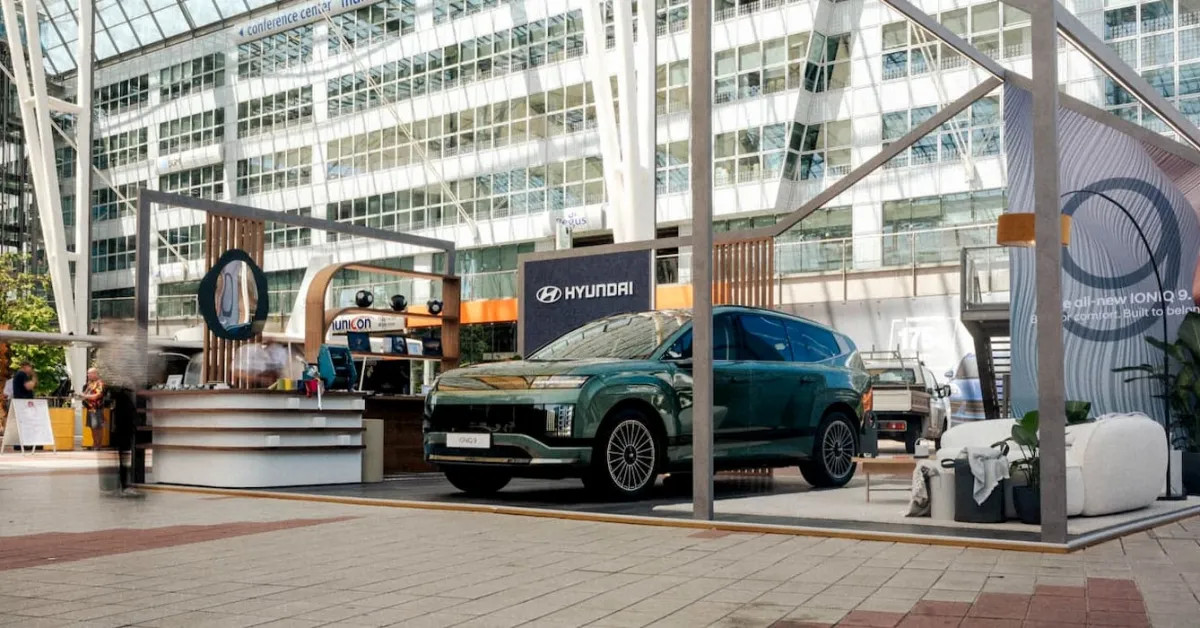
Hyundai announced its most ambitious growth plan, focusing on expanding its lineup with new EVs, hybrids, a midsize pickup, and luxury vehicles, aiming to sell 5.55 million vehicles globally by 2030, with significant investments in US manufacturing and new models tailored for key markets.
Rivian CEO RJ Scaringe emphasizes that China's low-cost EVs are not due to any 'magic' but result from subsidized development, lower labor costs, and strategic trade advantages, while also highlighting the advanced technology of Chinese EVs and the importance of global trade in securing raw materials like nickel for batteries.
Morgan Stanley and Piper Sandler criticize GM's strategy and profitability outlook for EVs, contrasting it unfavorably with Tesla's focus on AI and robotics, and questioning GM's future growth prospects amid industry challenges and strategic uncertainties.
General Motors has secured the second position in the U.S. EV market, emphasizing its focus on profitability and diversification across gas and electric vehicles, with a strategic advantage in manufacturing flexibility. Despite Tesla's dominance, GM's broader lineup and manufacturing adaptability aim to position it well for the evolving EV market, which faces demand fluctuations and policy changes like the end of EV tax credits.
Tesla is set to integrate Grok, an AI model created by xAI, into its vehicles, allowing drivers to choose different AI personalities, including NSFW options. Meanwhile, Tesla is expanding its autonomous vehicle testing in Arizona and plans to bring robotaxis to the Bay Area pending regulatory approval. Other companies like Waymo are also advancing their robotaxi services, including opening rides to teenagers in Phoenix. Additionally, several new electric vehicles and funding rounds highlight ongoing innovation in the EV space.
The article explains the recent congressional decision to eliminate federal tax credits for electric vehicles, solar panels, and home energy efficiency projects, highlighting the importance of acting before these incentives expire on July 4, 2025.
Ford CEO Jim Farley expressed that China's EV industry is 'the most humbling thing' he's seen, highlighting China's dominance with 70% of global EVs, superior technology, and lower costs, posing a serious threat to Western automakers like Ford. Farley praised Chinese tech companies Xiaomi and Huawei for their advanced in-vehicle digital technology and quality, emphasizing the competitive challenge China presents in the EV market. This underscores the urgency for Ford and Western automakers to innovate and adapt to stay competitive in the rapidly evolving EV landscape.
China's BYD is rapidly expanding its electric vehicle exports to Brazil, flooding the market with low-priced cars and sparking concerns among local auto industry officials and labor leaders about potential job losses and the impact on domestic manufacturing. The influx is driven by China's increased export capacity and Brazil's low tariffs on Chinese imports, prompting calls for higher tariffs to protect local industry.
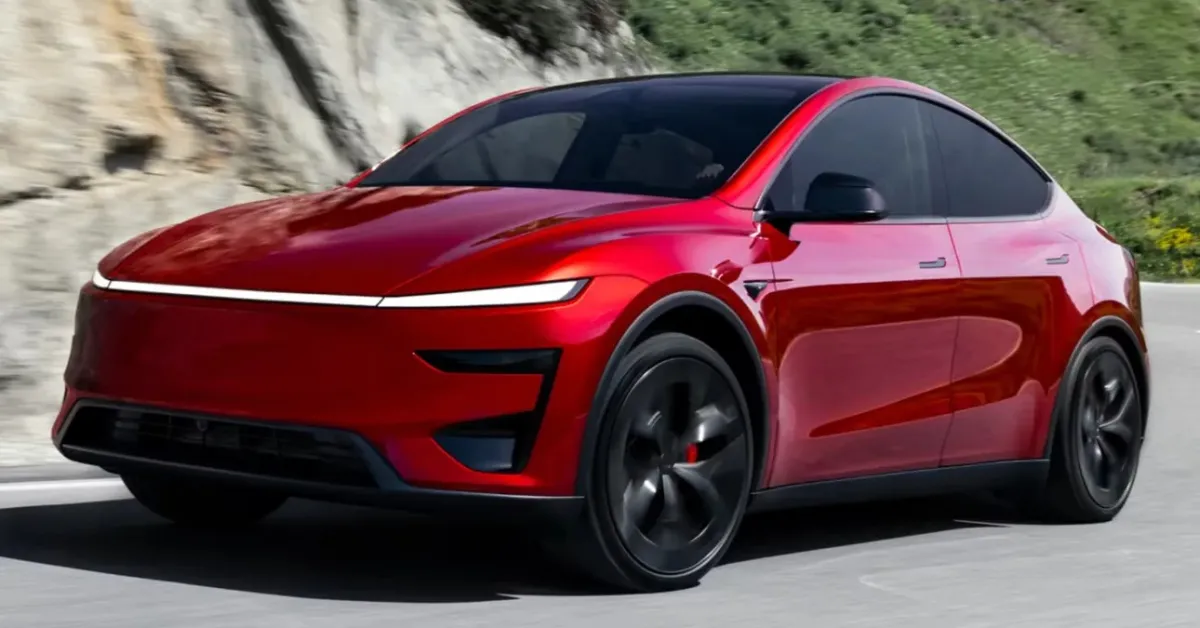
Tesla's stock surged after Bank of America raised its price target to $400, driven by optimism about low-cost electric vehicles and robotaxis expected by 2025. Analyst John Murphy maintained a "Buy" rating following a visit to Giga Austin, highlighting Tesla's potential market expansion through affordable EVs and advancements in FSD software. Despite mixed analyst opinions, Tesla's stock has appreciated significantly, with plans for large-scale production and deployment of Optimus humanoid robots by 2025.