AI analysis of nearly 300,000 ECGs reveals that financial strain and food insecurity are the strongest social factors linked to accelerated heart aging and increased mortality risk, surpassing some traditional medical risk factors, suggesting a need for broader screening in cardiovascular health assessments.
Investigators are examining the motives behind the deadly National Guard shooting, focusing on the suspect's financial struggles, mental health issues, and recent death of an Afghan commander he revered, while also exploring potential links to terrorism; the suspect has a complex background involving U.S. military and intelligence connections.
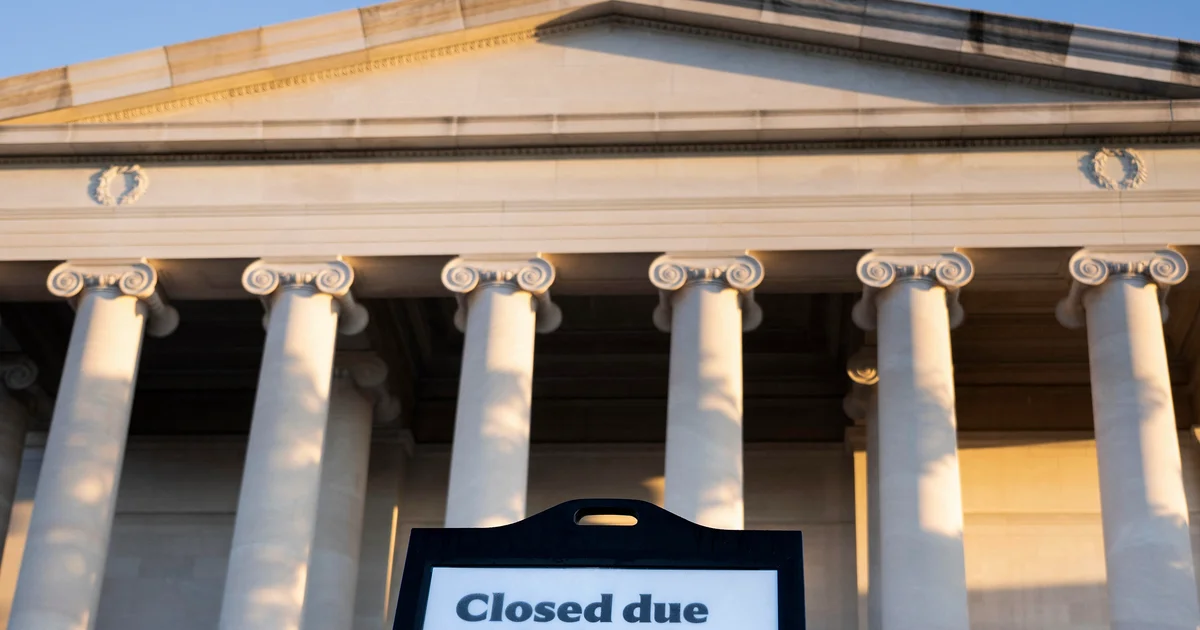
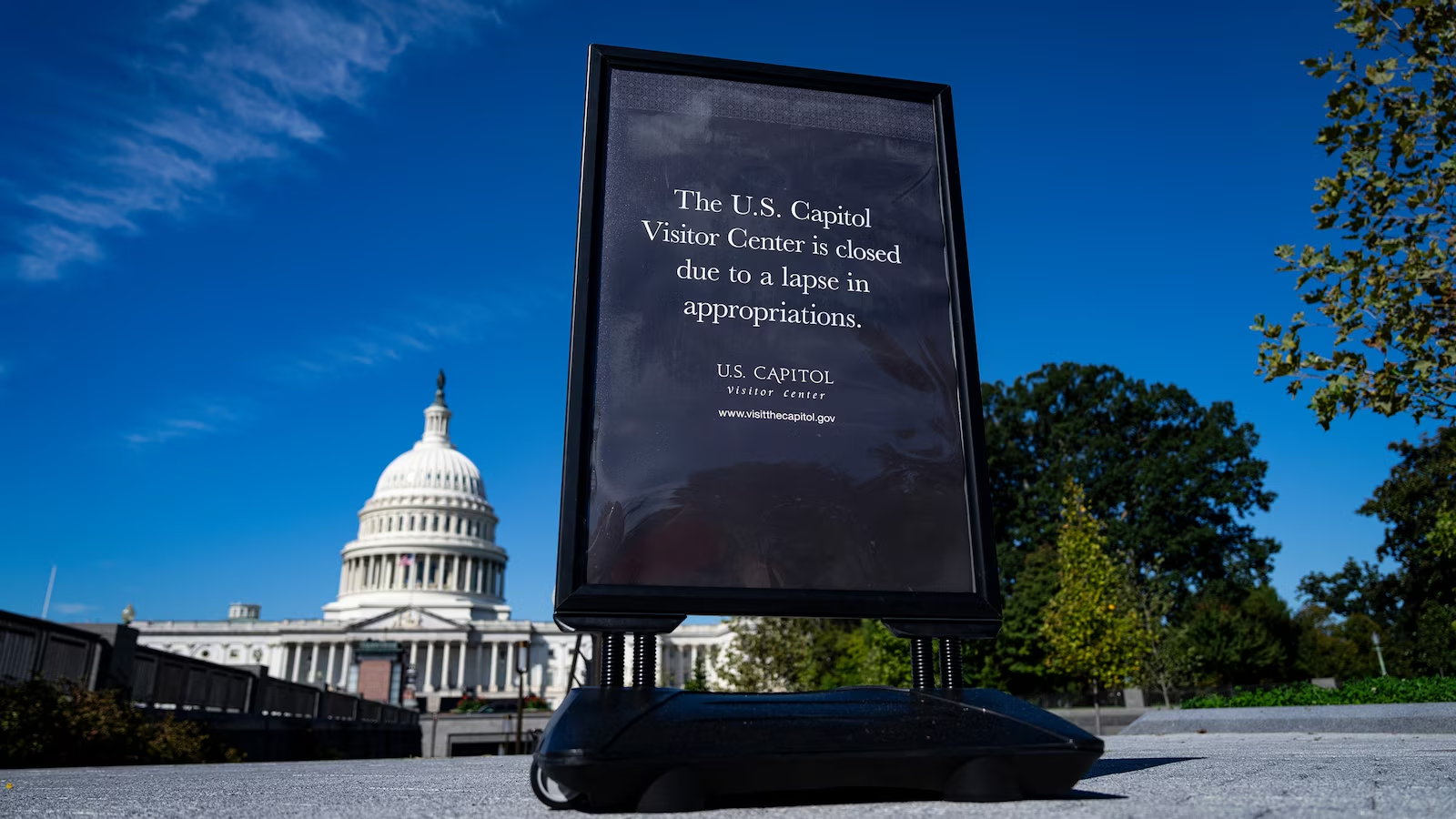
A veteran and his family are experiencing severe anxiety and financial hardship due to the ongoing 40-day government shutdown, which has furloughed his wife and affected their income, highlighting the personal toll of political deadlock.,
During the ongoing government shutdown, air traffic controller Jack Criss has taken on a side job with DoorDash to make ends meet and pay his daughter's tuition, highlighting the financial strain on federal workers and concerns about safety and staffing shortages at airports.
The resumption of student loan payments after a pandemic-related pause is contributing to increased delinquencies on car loans, especially among subprime borrowers, as many are struggling to manage their debt and prioritize payments amid financial strain.
A federal worker, Stephanie Rogers, and her family are struggling financially due to the ongoing government shutdown, leading them to live with her mother, dip into retirement savings, and cut back on expenses, highlighting the personal toll of the shutdown on federal employees and their families.
Federal workers are expressing anxiety and frustration due to the ongoing U.S. government shutdown, which has furloughed or kept them working without pay, impacting their finances, mental health, and ability to seek justice, while political disagreements continue to delay resolution.
Furloughed federal workers are facing financial hardship due to the ongoing government shutdown, with some planning garage sales and dipping into savings as they await potential backpay and possible unemployment benefits, amid calls for lawmakers to resolve the impasse quickly.
The article discusses how garages in lower-middle class households often become storage for unused fitness equipment, unopened gadgets, renovation leftovers, old furniture, broken items, sentimental keepsakes, and unsold items, reflecting financial constraints, emotional attachments, and limited space, while emphasizing that this clutter is a sign of hope and survival rather than laziness, and encouraging recognition and change.
The article discusses various serious and humorous indicators that people have noticed as signs of an impending recession, including changes in fashion, music, employment patterns, consumer spending, and social behaviors, reflecting widespread economic anxiety.
A growing number of U.S. car owners are underwater on their auto loans, with over 25% of trade-ins in negative equity, leading to higher monthly payments and potential debt cycles, driven by high car prices and loan rates, according to Edmunds.
A person recounts their stressful experience with a bedbug infestation that depleted their savings, and now faces a repeat situation. They feel guilty and overwhelmed but are advised to seek rent abatement, understand tenant rights, and plan long-term financial stability with family support. The article emphasizes separating emotional guilt from financial reality and taking proactive steps to manage the situation.
Many Americans are delaying or forgoing major life milestones like marriage, homeownership, and retirement due to financial stress and economic instability, leading some to consider relocating to more supportive states or countries.
The article discusses quick personal loans available in the US for 2025, highlighting companies like Low Credit Finance that offer fast, accessible loans regardless of credit score, with benefits such as low APR, speedy approval, and flexible repayment options, emphasizing their usefulness for emergencies and short-term financial needs while noting potential drawbacks like higher interest rates.
A small subset of Gen Zers are classified as HENRYs, earning over $250,000 annually, with an average income of around $565,000. They tend to be younger, more likely to be married, self-employed, and renters, often living in higher-value properties. Despite high earnings, many feel they need $200,000 or more to feel secure and experience financial stress, highlighting a disconnect between income and perceived financial stability.