Many Americans are delaying or forgoing major life milestones like marriage, homeownership, and retirement due to financial stress and economic instability, leading some to consider relocating to more supportive states or countries.
The recent fall of Aleppo to rebel forces has highlighted the ongoing instability in the Middle East, where multiple civil wars and authoritarian regimes are struggling with economic challenges and political tensions. The region's authoritarian leaders, such as Saudi Arabia's Mohammed bin Salman, face difficulties maintaining control amid declining oil revenues and public discontent. The legacy of the Arab Uprisings persists, with unresolved political and economic issues threatening further unrest. The situation underscores the fragility of the region and the challenges in achieving lasting peace and stability.
The job market is becoming increasingly strange due to economic instability, opaque hiring processes, and the rise of technologies like generative AI. Job seekers are facing challenges such as "ghost jobs" that are advertised but never filled, and AI applicant-tracking systems that filter resumes and cover letters by keywords. Companies are also using AI hiring support, meaning job seekers may virtually interview with or be prescreened by an artificial-intelligence program. As generative AI continues changing the shape of work, companies float jobs that they have no intention of filling, and layoff announcements permeate the news, discombobulation is par for the course.
China's reluctance to forgive debt and its extreme secrecy about how much money it has loaned and on what terms has left a dozen poor countries facing economic instability and even collapse under the weight of hundreds of billions of dollars in foreign loans. Paying back that debt is consuming an ever-greater amount of the tax revenue needed to keep schools open, provide electricity and pay for food and fuel. Two of them, Zambia and Sri Lanka, have already gone into default, unable to make even interest payments on loans financing the construction of ports, mines and power plants. Experts predict that unless China begins to soften its stance on its loans to poor countries, there could be a wave of more defaults and political upheavals.
A dozen of the world's poorest countries are facing economic instability and even collapse under the weight of hundreds of billions of dollars in foreign loans, much of them from China. Paying back that debt is consuming an ever-greater amount of the tax revenue needed to keep schools open, provide electricity and pay for food and fuel. And it’s draining foreign currency reserves these countries use to pay interest on those loans, leaving some with just months before that money is gone. Two of them, Zambia and Sri Lanka, have already gone into default, unable to make even interest payments on loans financing the construction of ports, mines and power plants.
Worldwide PC shipments dropped by 29 to 33 percent YoY in Q1 2023, with HP escaping relatively lightly with a 24 percent drop in shipments and Apple feeling the most pain with a plummet of more than 40 percent. A Twitter bug has been discovered that exposes at least some private Circle posts to outsiders. Netflix has announced an animated series based on Stranger Things, and a massive Donkey Kong arcade cabinet has been unveiled at the Strong National Museum of Play in New York.
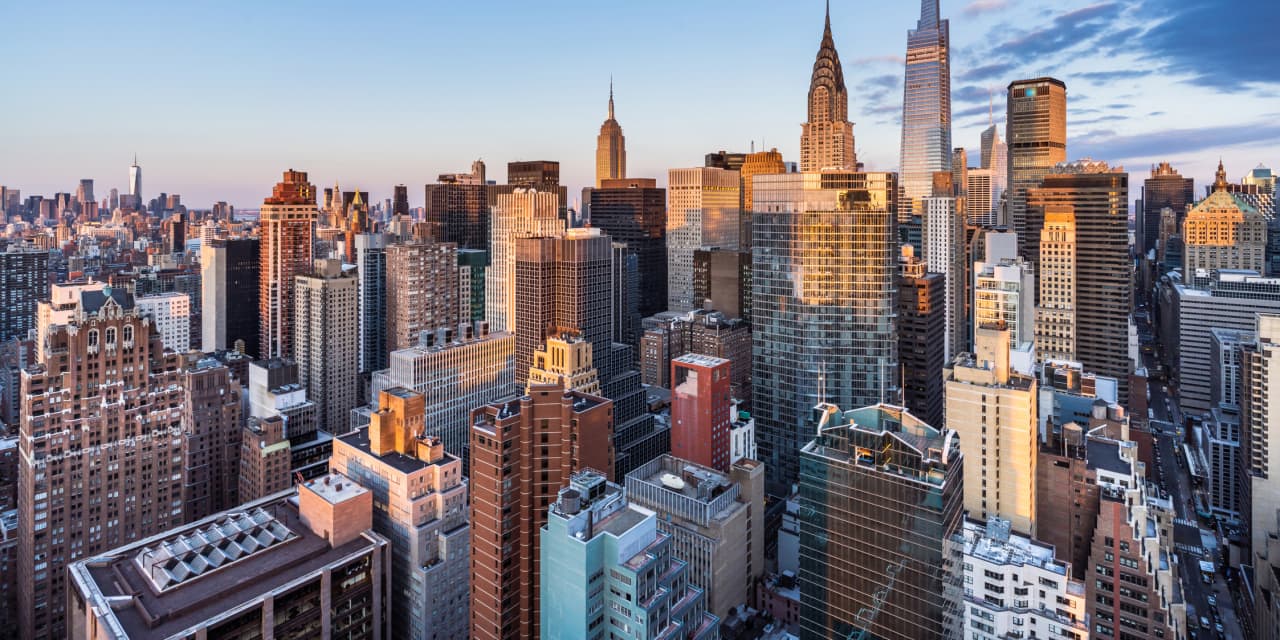
Manhattan's real estate market experienced a significant drop in sales in Q1 2023, with a 37.5% decrease from the same period last year, due to high mortgage rates and economic instability. However, prices have fallen by 15% to a median of $1.02 million, the lowest since the onset of the pandemic in 2020, which may attract more buyers. Sales under $1 million made up 50% of closings, while big-ticket homes priced at $10 million or more have suffered disproportionately. Pricey new developments, on the other hand, have shown robust activity. The exclusive segment of the market made up of homes priced at $20 million or more accounted for just under 1% of closings, but there were significantly more such homes sold, and their average price was 4.2% higher than at the same time last year.