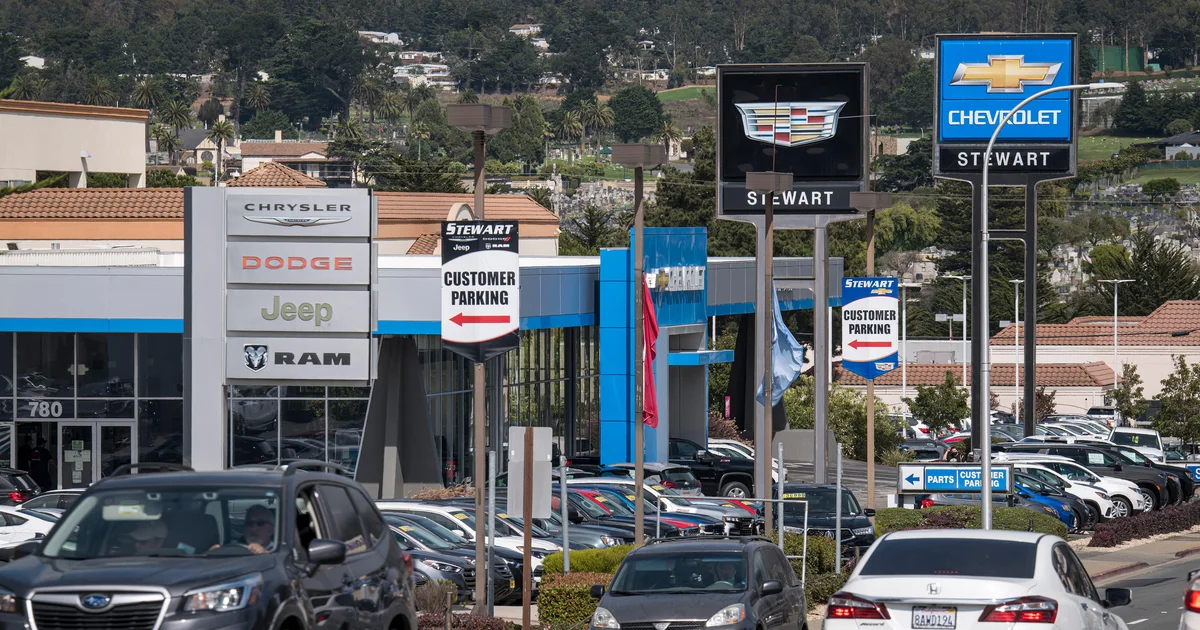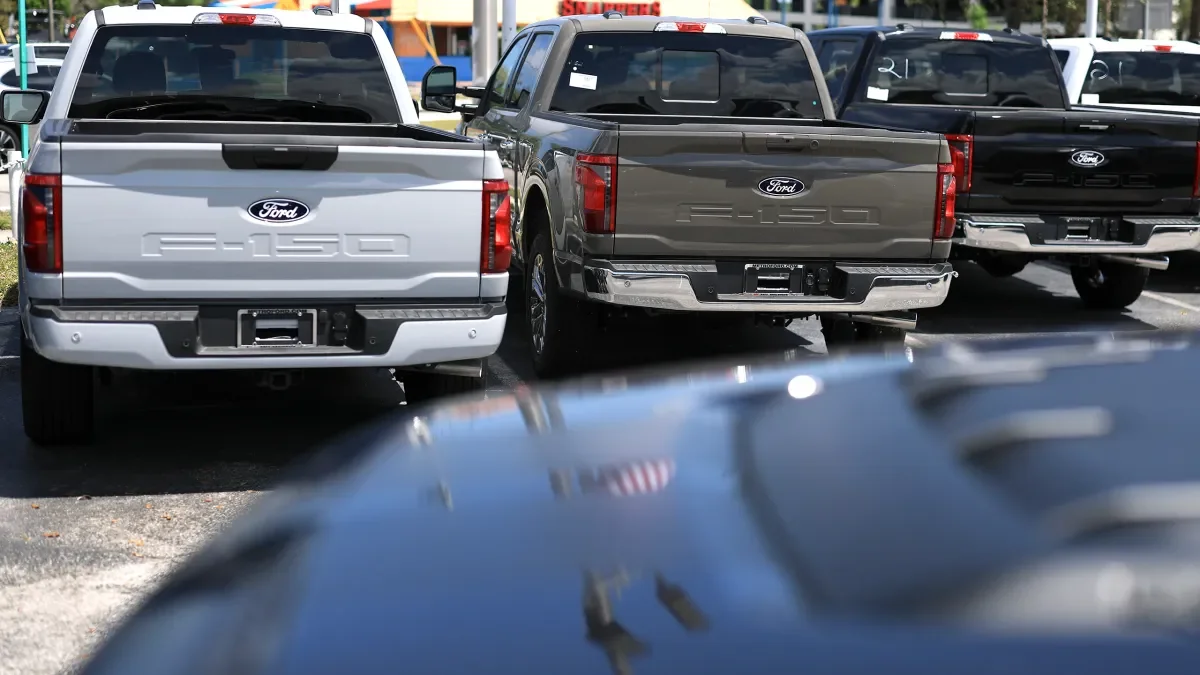
President Trump suggested manufacturing small cars in the US to lower prices, but experts say low demand, consumer preferences for larger vehicles, and safety standards make this unlikely. Americans prefer SUVs and trucks, leading to a decline in small car sales, and automakers are unlikely to invest in reengineering kei cars for US standards without significant demand.
The Trump administration announced plans to roll back U.S. fuel economy standards, claiming it will save Americans up to $109 billion on vehicle costs, a move praised by automakers but condemned by environmental groups, amid ongoing debates over vehicle efficiency and electric vehicle adoption.
Auto loan delinquency rates in the US have risen over 50% in the past 15 years, driven by record-high car prices, increased interest rates, and longer loan terms, with more Americans falling behind on payments amid economic pressures like inflation and employment instability.
A trade dispute involving Dutch chipmaker Nexperia, critical for auto manufacturing, could lead to auto plant shutdowns and higher car prices, as tensions between the US, China, and the Netherlands threaten the supply of essential automotive chips, exacerbating existing supply chain issues and increasing vehicle costs.
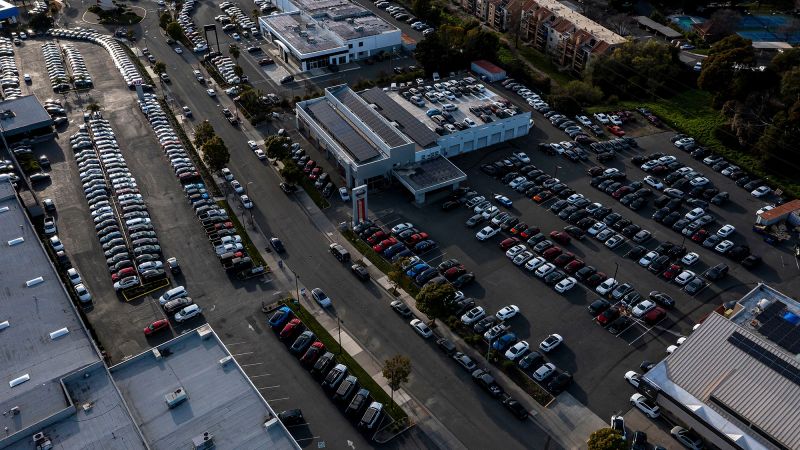
The average cost of a new car in the US has surpassed $50,000 for the first time, driven by luxury and electric vehicles, despite tariffs and market shifts, reflecting a trend towards wealthier buyers and higher-end models.
The average price of a new car has surpassed $50,000 for the first time, driven by rising costs, a shift towards electric vehicles, and increased incentives, with the market showing a steady upward trend since 2016 and no signs of reversing soon.
The average new car price in the US surpassed $50,000 for the first time, driven by luxury models and electric vehicles (EVs), which now account for over 11% of sales. EV prices remain stable despite high incentives, with Tesla leading the market. The trend reflects ongoing inflation and shifting consumer preferences towards higher-end and electric vehicles, amid a market that is experiencing significant growth and disruption.
The average price of a new car in the US surpassed $50,000 for the first time, driven by a surge in electric vehicle and luxury car sales, with prices up over 25% in five years, reflecting a shift towards higher-end models and an affordability crisis.
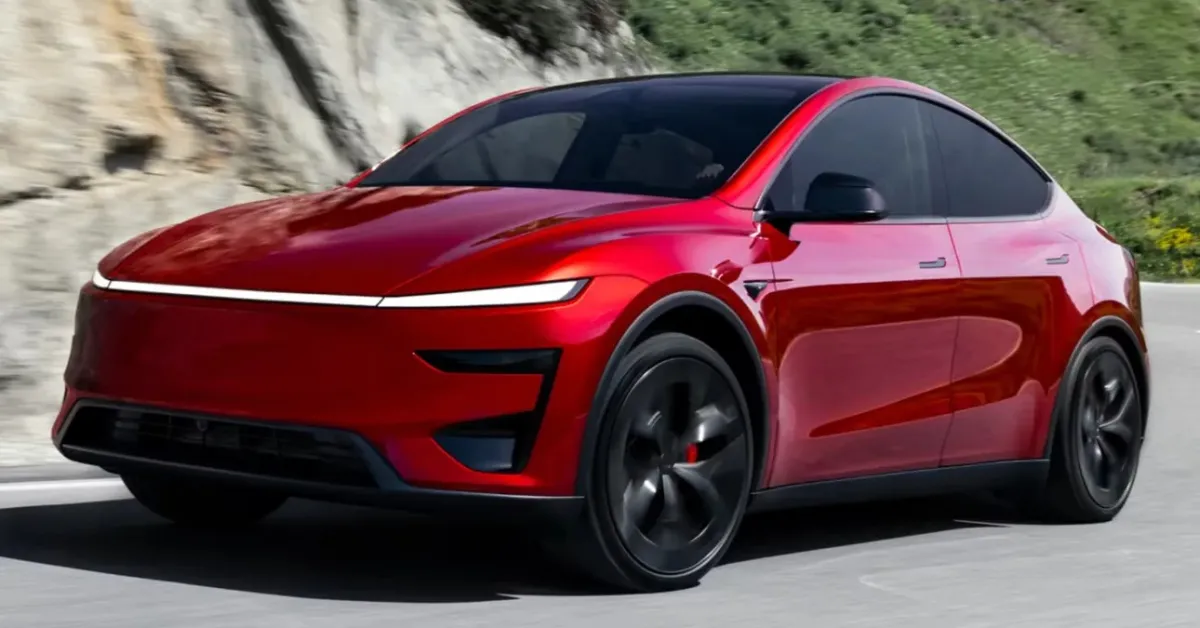
Tesla introduced cheaper versions of its Model Y and Model 3 to boost sales amid a challenging year, but the stock reacted negatively, indicating investor skepticism about the models' impact. The new Model Y starts just under $40,000 with reduced features, and the Model 3 is available for under $37,000, though both are still above the initially promised $25,000 price point. The models face stiff competition and are affected by recent changes in EV tax credits.
The expiration of the $7,500 federal EV tax credit on October 1 is expected to lead to a decline in EV sales and potentially higher prices, although automakers may respond with discounts and incentives to maintain demand. The end of the credit could also result in reduced production and availability of EVs, but many consumers remain committed to purchasing EVs due to factors like performance and environmental concerns. The impact will vary across different vehicle models, especially luxury and larger vehicles that are not eligible for the credit.
Automakers are finding subtle ways to pass the increased costs of tariffs onto consumers, such as raising vehicle prices gradually and increasing destination charges, with Volkswagen leading the way in quick price hikes. Despite tariffs, automakers are hesitant to raise prices openly due to economic concerns and political pressures, but industry practices like inflating destination fees are becoming more common. Meanwhile, the NHTSA has a new leader, signaling potential changes in vehicle safety oversight.
Used electric vehicle sales have surged by 40% in July, as prices for used EVs have fallen below those of comparable gasoline cars, making electric cars more affordable and expanding their market.
Despite political efforts to eliminate EV incentives, American EV sales are surging due to consumers rushing to buy before the federal tax credit expires, with automakers offering discounts that make EVs cheaper than gas cars, though the end of incentives may slow sales later in the year.
Surging car prices have led buyers to opt for longer auto loans, such as seven or even eight years, to manage monthly payments, despite the increased total interest paid and potential financial downsides. Shorter loans are now mostly used by wealthier buyers, while leasing remains an alternative. Lenders are also pushing for even longer terms, risking repeat of past financial pitfalls.
Rising car prices have led to the normalization of seven-year auto loans, which are now common but can lead to higher interest costs and financial risks for buyers, as exemplified by a North Carolina couple who paid off their seven-year loan early after realizing the long-term costs.