A federal judge ordered the Trump administration to reverse hundreds of layoffs caused by the government shutdown, ruling that these reductions in force must be rescinded with full back pay, and temporarily pausing further layoffs until January 30, highlighting a legal setback for efforts to reduce the federal workforce.
The article discusses the mass exodus of 317,000 federal workers due to Trump's policies, including firings, buyouts, and increased workplace restrictions, which have led to low morale and significant personal and professional impacts on those who served the government, with some considering returning despite the upheaval.
The longest U.S. government shutdown is nearing its end as the House prepares to vote on a spending bill that would reopen the government through January 30, 2026, fund SNAP benefits through September 2026, and ensure federal workers receive back pay, with some agencies and services resuming immediately upon signing. The bill also addresses staffing issues for air traffic controllers and includes provisions to reverse recent firings, but does not resolve ACA subsidy debates.
The prolonged U.S. government shutdown has significantly impacted the economy, causing missed wages for federal workers, canceled flights, disrupted welfare programs, and reduced federal spending, with an estimated $11 billion in permanent losses and a slowdown in economic growth, though a full recession is not expected.
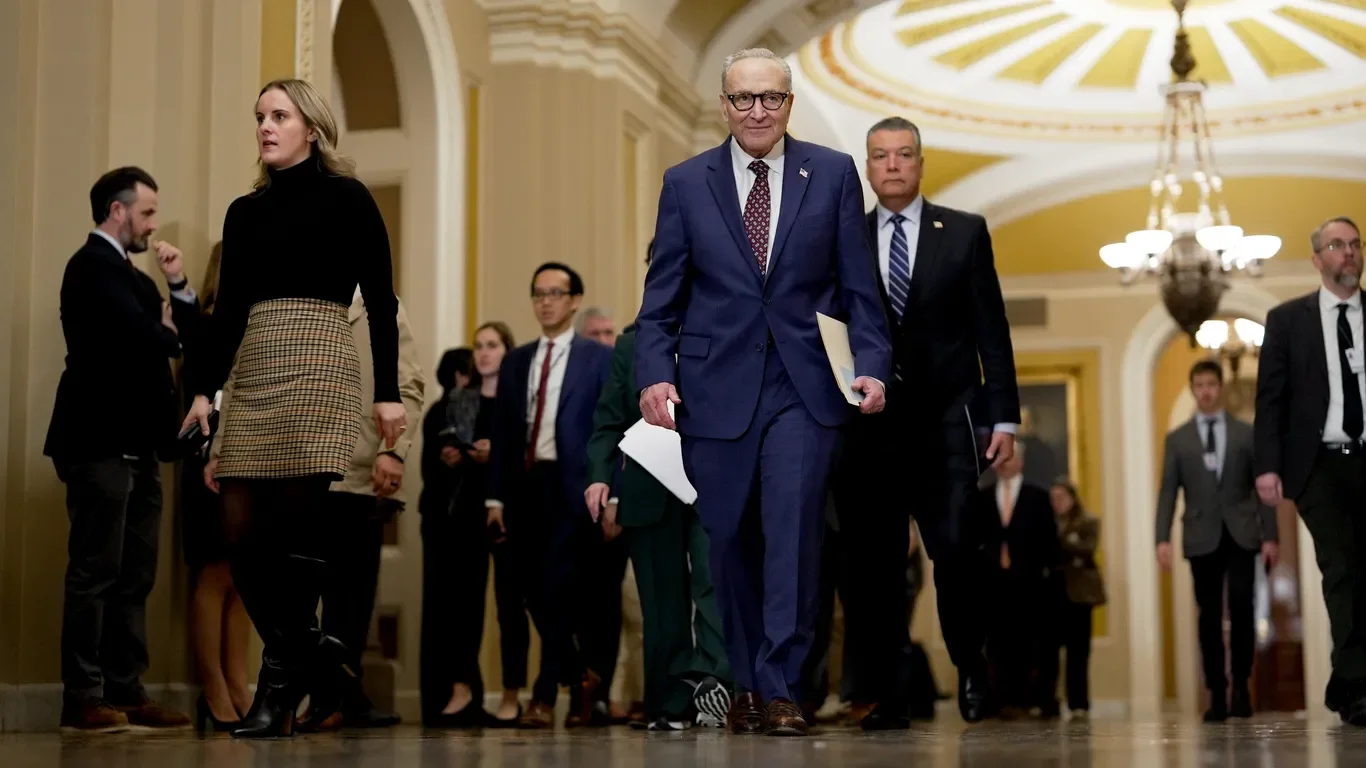
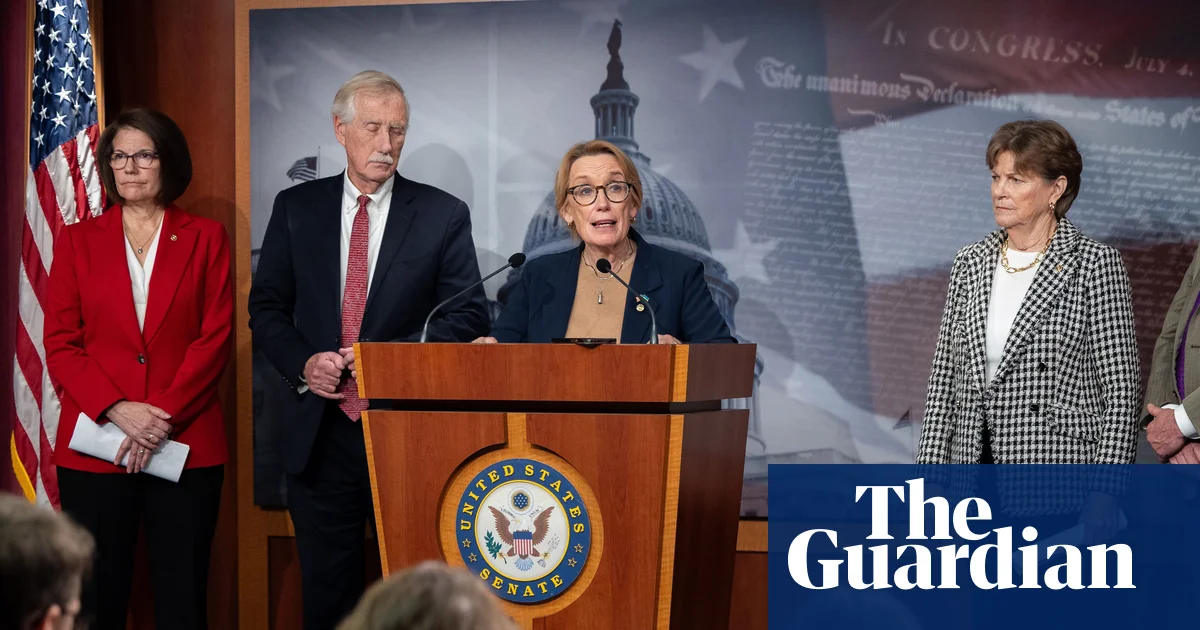
Senate Republicans, with late support from Democrats like Tim Kaine, secured a deal to end the government shutdown by including provisions to protect federal workers from layoffs and future reductions, culminating in a bipartisan effort involving key negotiations and White House coordination.
Democrats ended the government shutdown after making some concessions, highlighting Republican refusal to renew Obamacare subsidies and exposing the Trump administration's harsh tactics, but critics argue they rewarded Trump's brinkmanship, which may embolden future shutdowns.
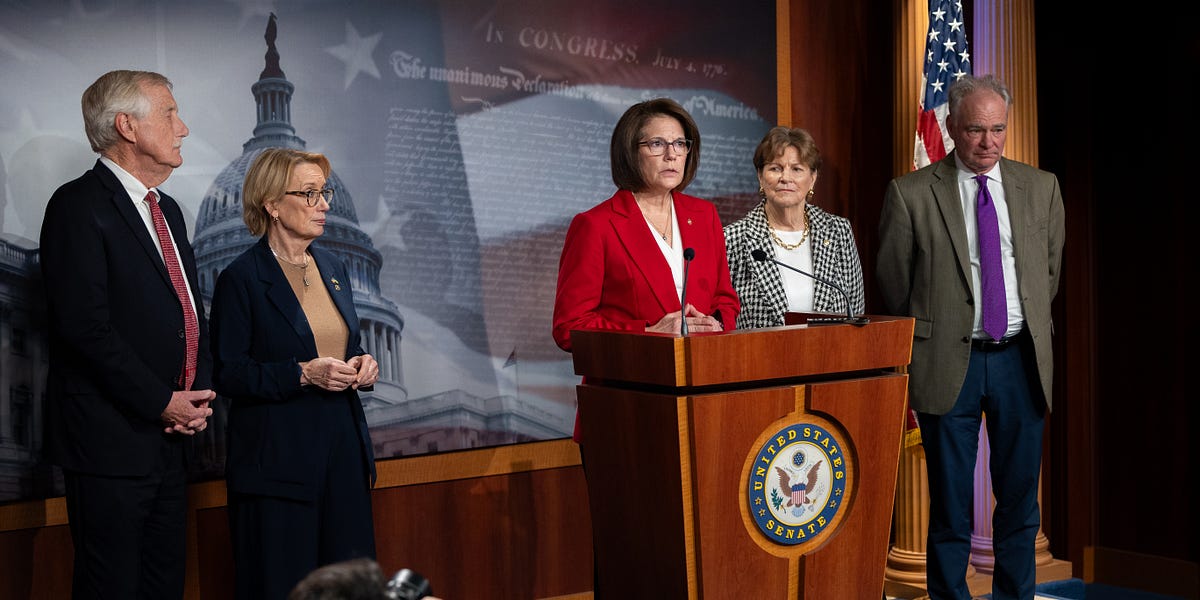
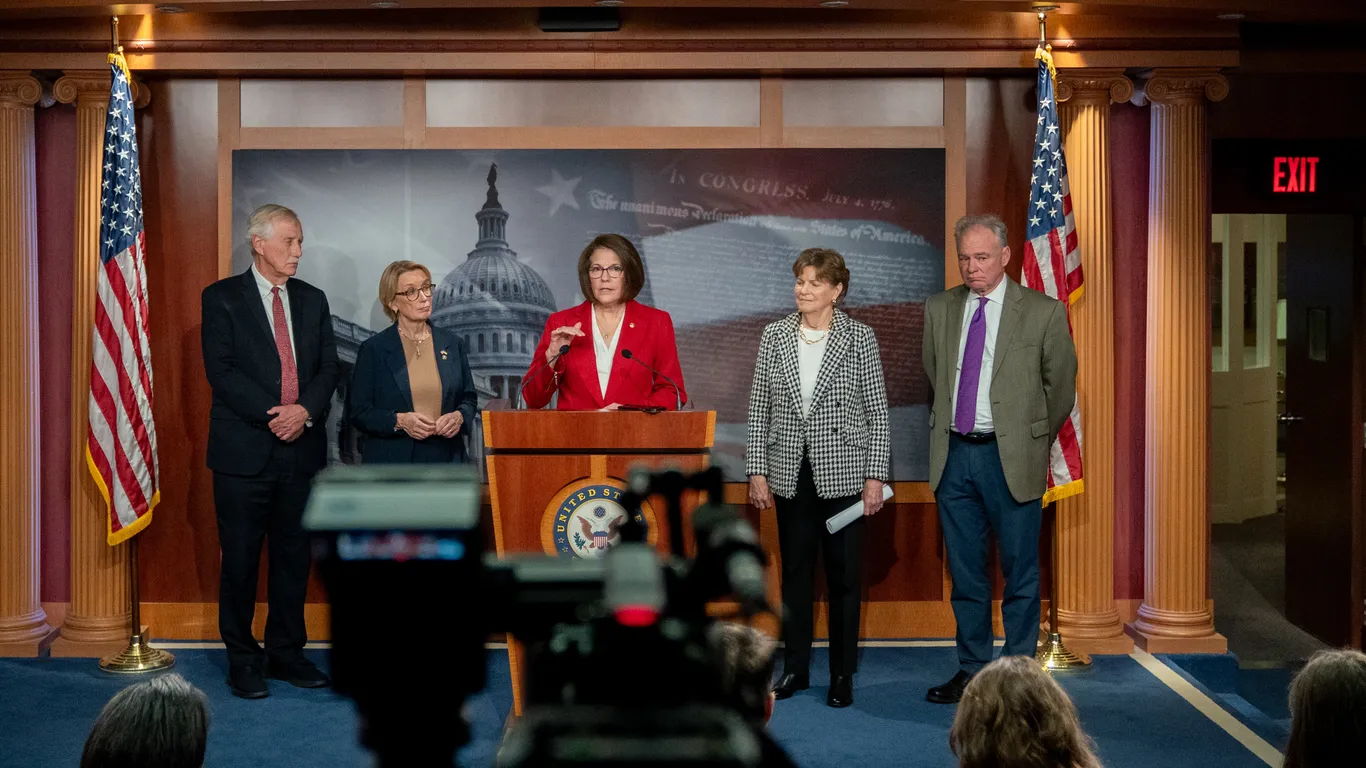
Moderate Senate Democrats ended a 40-day government shutdown by reaching a deal that funds the government until late January, includes a vote on ACA tax credits, and rehires federal workers, amid ongoing political divisions and disagreements over health care issues.
The US Senate narrowly approved a compromise funding bill to end the longest government shutdown in history, which includes provisions to fund the government through January 2026 and retroactively pay federal workers, but omits the Democrats' demand for healthcare subsidy extensions, setting the stage for further battles in the House.
The Senate failed to pass a bill to pay federal workers during the ongoing government shutdown, with Democrats refusing to accept GOP proposals that do not include broader government funding, prolonging the shutdown and affecting millions of Americans. The deadlock continues as Democrats demand a comprehensive reopening and a one-year extension of ACA subsidies, which Republicans dismiss as nonviable, leading to increased frustration among lawmakers.
The ongoing U.S. government shutdown is costing the economy billions weekly, affecting federal workers, consumer spending, small businesses, federal contractors, and the travel industry, with an estimated total loss ranging from $7 billion to $16 billion per week and a potential permanent economic loss of up to $14 billion.
The ongoing longest U.S. government shutdown has led to missed paychecks for federal workers, partial SNAP benefit payments, and disruptions in programs like Head Start and WIC across various states, with impacts varying regionally. Efforts are underway to mitigate some effects, but many services remain affected or uncertain as the shutdown persists.
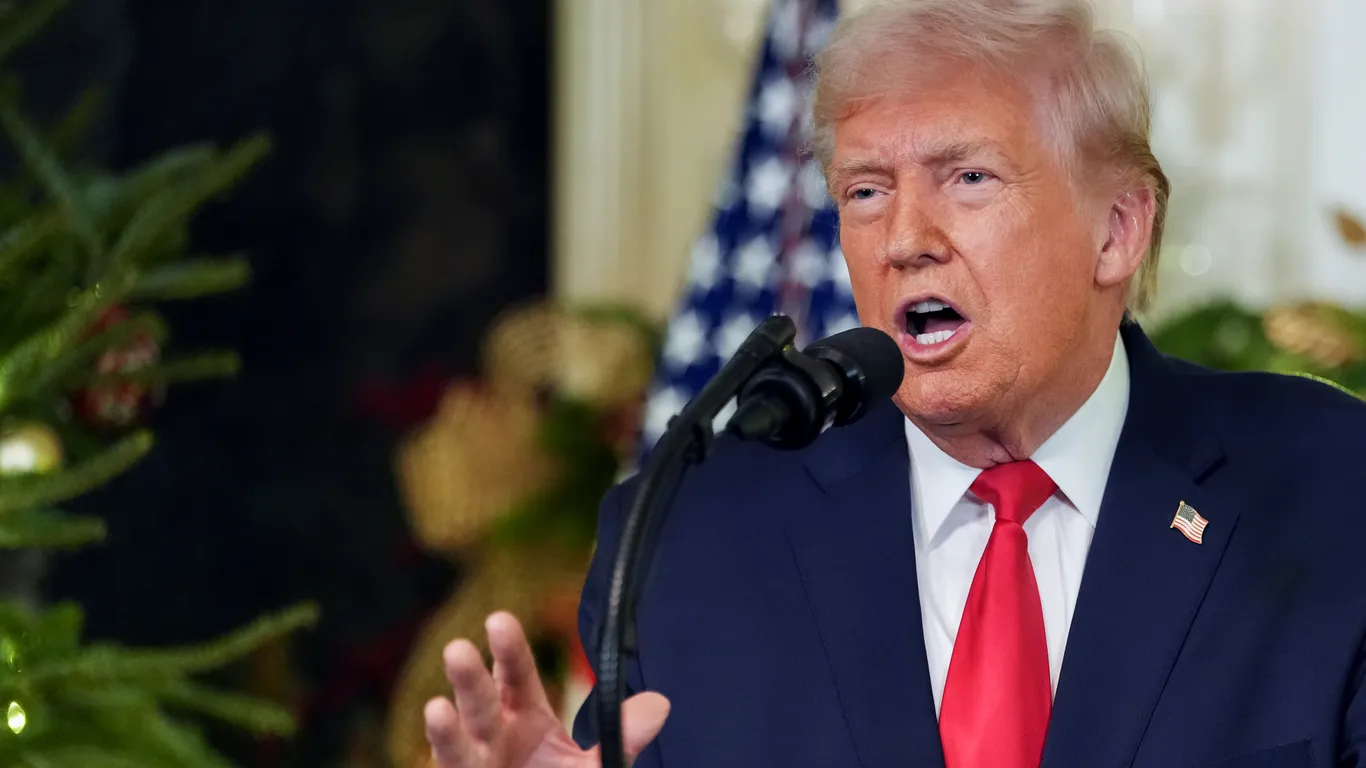
The 36-day government shutdown, the longest in U.S. history, continues as President Trump refuses to negotiate with Democrats, demanding the end of the Senate filibuster and pushing for GOP priorities, while millions of Americans face disruptions and federal workers remain unpaid.
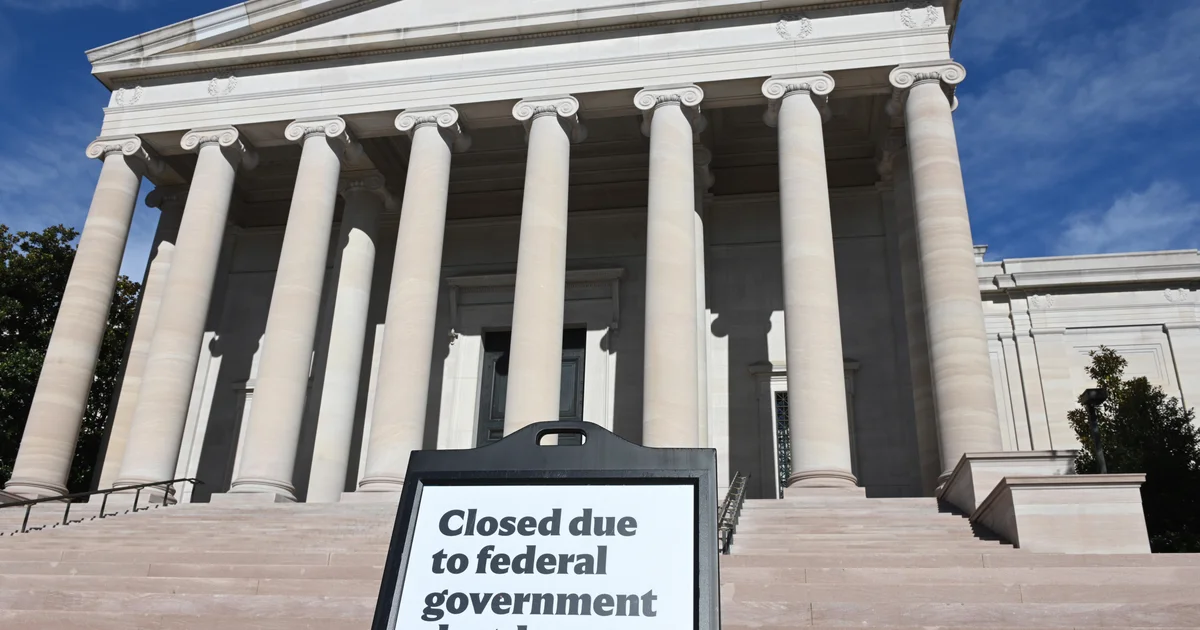
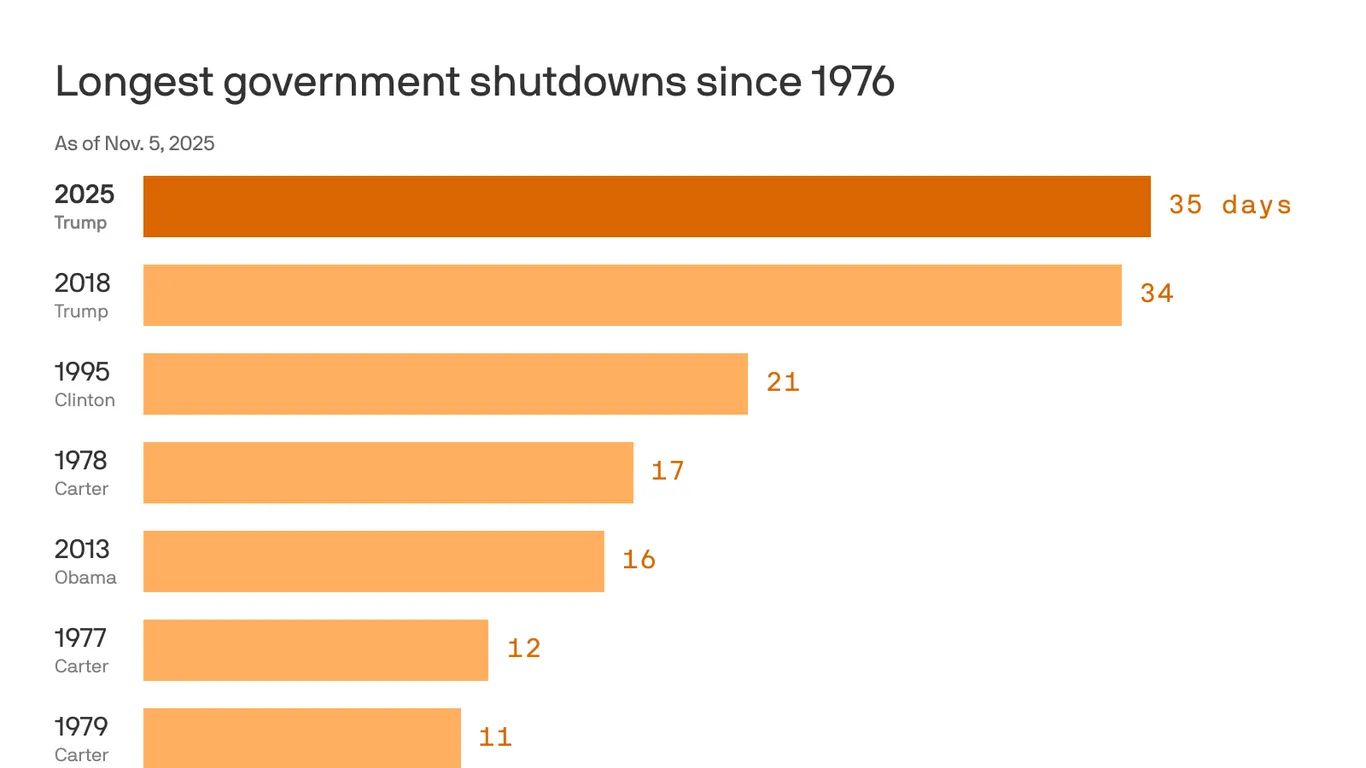
The U.S. is experiencing its longest government shutdown in history, surpassing previous records set during Trump's administration, due to a partisan dispute over funding and healthcare subsidies, impacting federal workers and the economy.
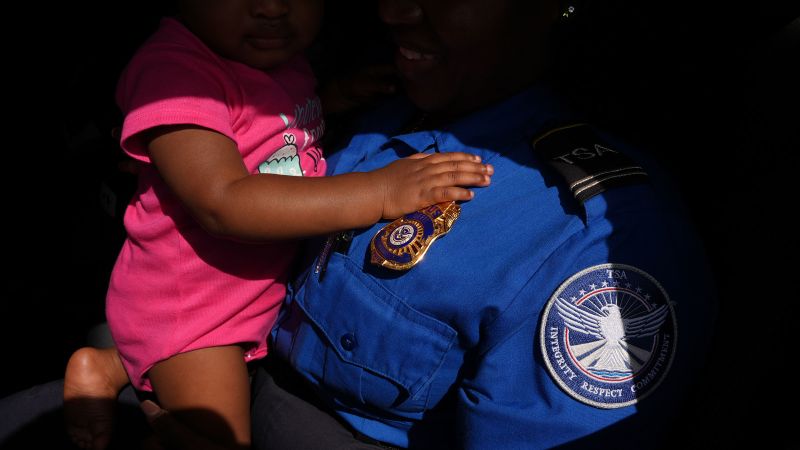
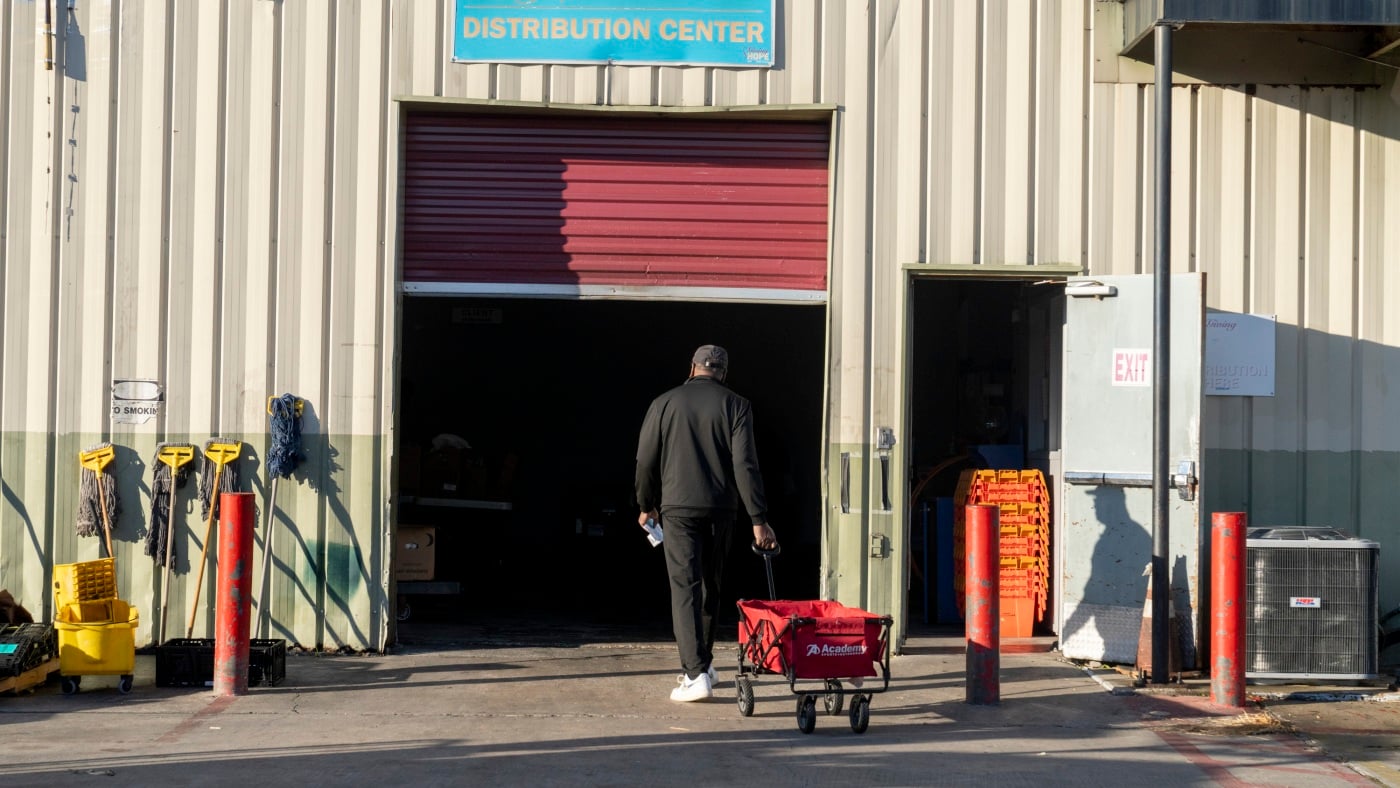
The ongoing government shutdown has left over 750,000 federal workers unpaid for a month, leading to financial struggles such as missed bills, car repossessions, and reliance on food banks, with many workers resorting to credit cards and second jobs to survive while the political impasse continues.
During the government shutdown, many furloughed federal workers, like Imelda Avila-Thomas, face delays in receiving unemployment benefits due to verification issues and varying state laws, highlighting the financial struggles and administrative challenges caused by the shutdown.