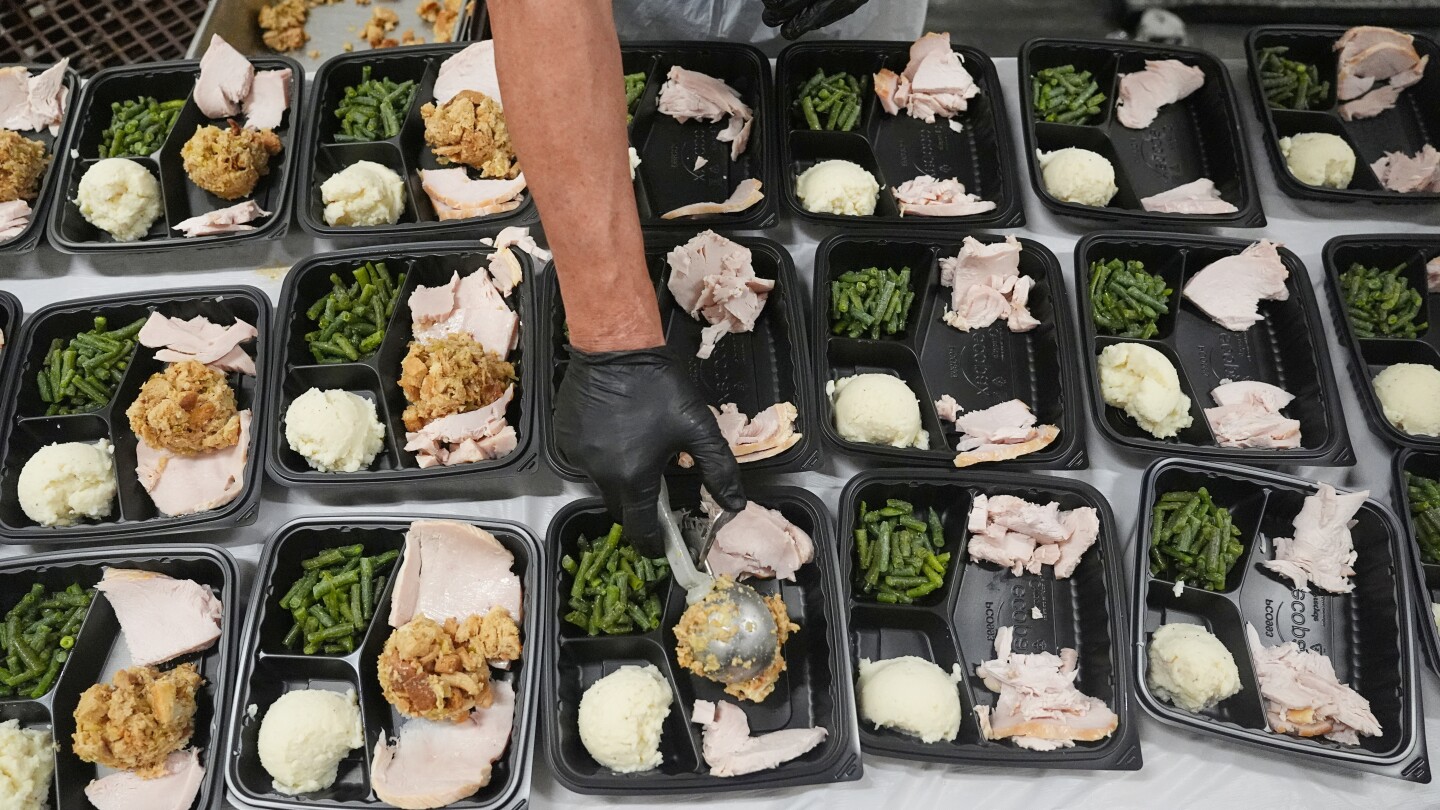
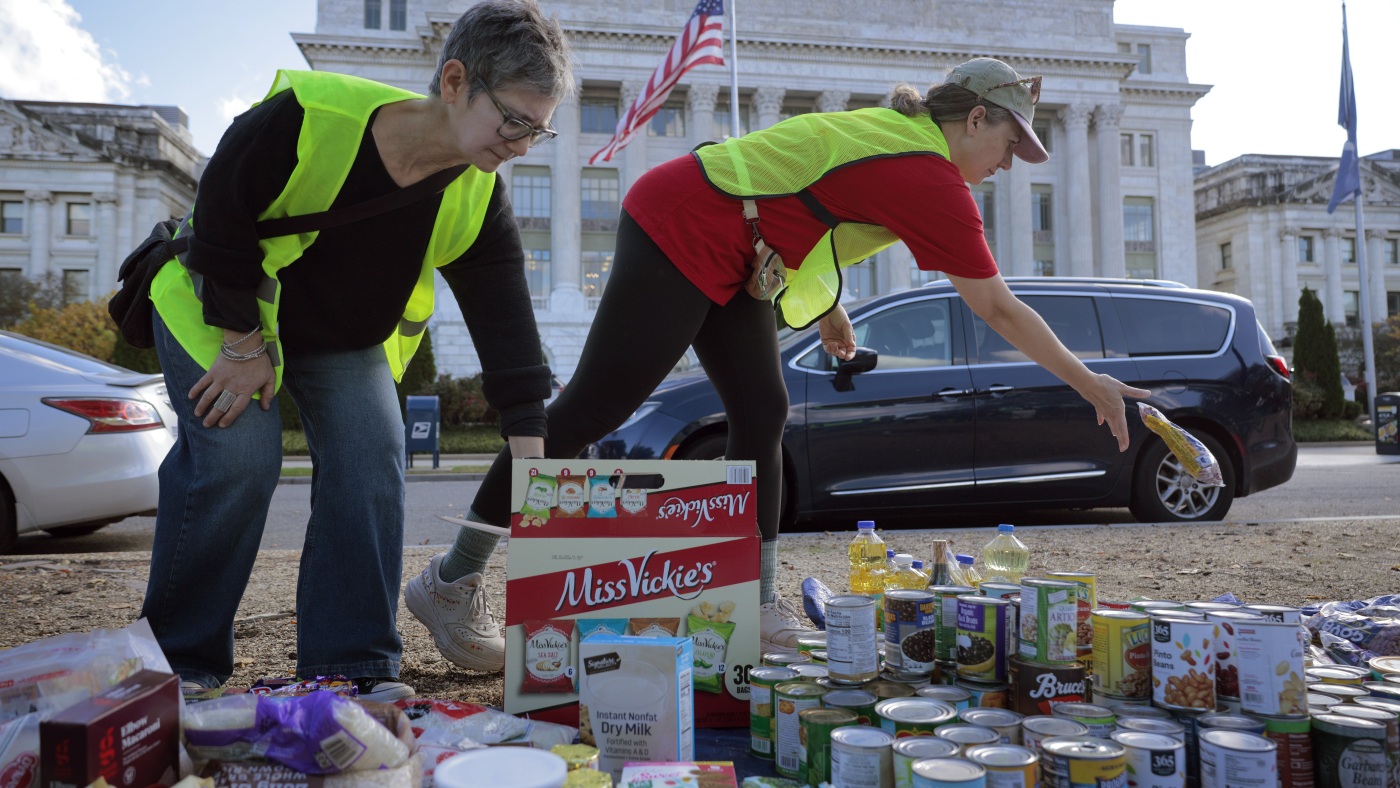
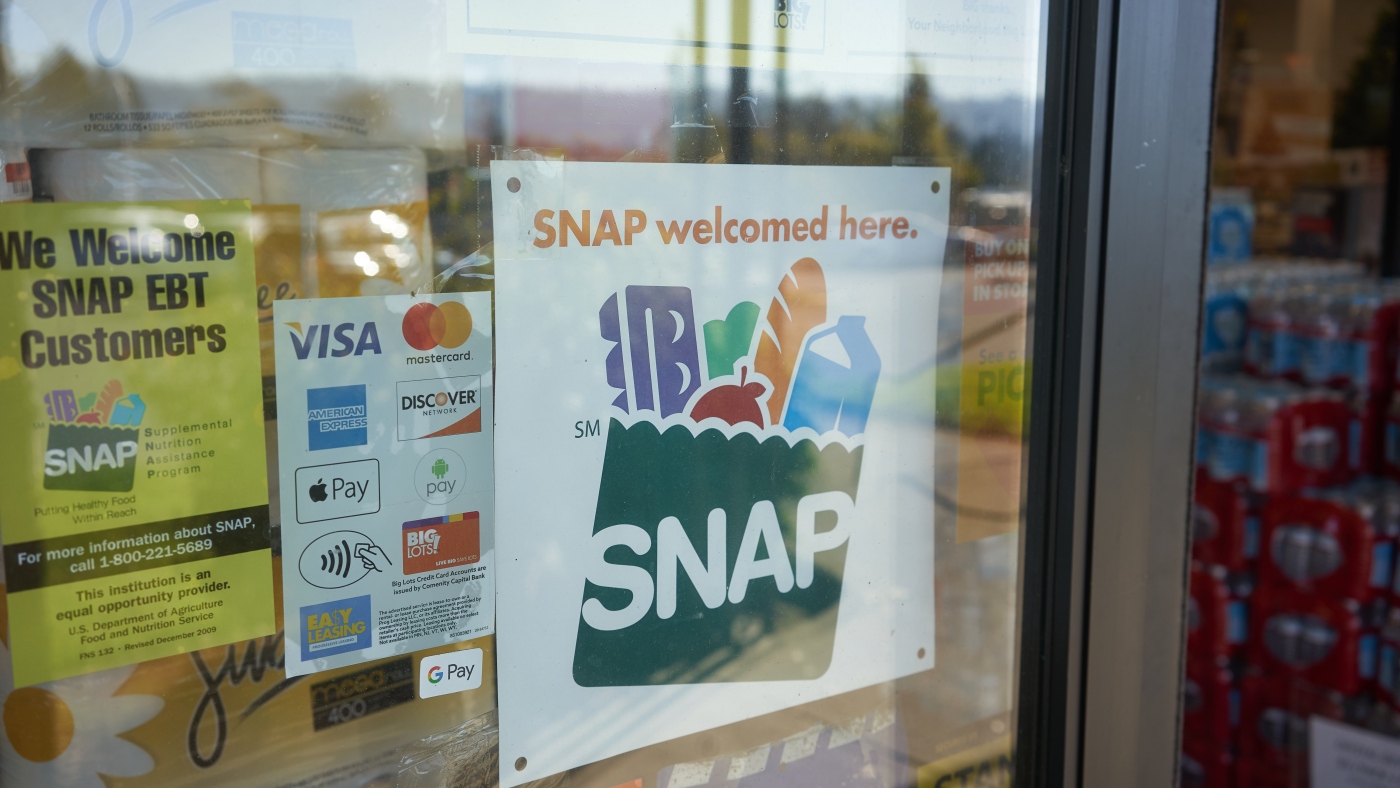
The Trump administration has committed to partially funding SNAP with $4.65 billion, covering 50% of November benefits, but delays in disbursing the funds could take weeks or months due to procedural issues, and the shortfall may impact new applicants and other programs.
SNAP food benefits, aiding 42 million Americans, could resume as early as Wednesday after courts mandated the use of emergency funds during the government shutdown, with the administration not planning to appeal the ruling.
Two federal judges ordered the Trump administration to use emergency reserve funds to continue funding SNAP during the government shutdown, delaying benefit payments for many recipients and highlighting ongoing political disputes over food assistance programs.
Two US federal judges have ruled that the Trump administration must continue paying SNAP food benefits during the government shutdown, using emergency funds, despite the USDA's initial plans to halt distribution due to lack of funding. The courts emphasized that Congress intended for SNAP benefits to be funded even during funding lapses, and the administration was directed to report on whether it will pay full or reduced benefits. The decision is a critical lifeline for over 40 million Americans relying on food assistance amid ongoing political stalemate.
A federal judge has given the Trump administration until Monday to decide whether to resume SNAP benefits for 42 million low-income Americans, after suing over the suspension of the program, with the judge urging the use of emergency funds to prevent further hardship.
Amid the ongoing government shutdown, the Trump administration and some Republicans are refusing to tap emergency funds to prevent a lapse in SNAP food aid for 42 million Americans, citing legal and funding concerns, which could lead to significant hardship for low-income families across the country.
The Trump administration announced it would not use emergency funds to continue SNAP benefits during the government shutdown, blaming Democrats for the lapse in appropriations, despite previous plans indicating contingency funds could support benefits during such shutdowns, leading to millions of Americans potentially losing their food assistance.
The Trump administration has decided not to use emergency funds to continue SNAP food benefits into November, citing concerns about depleting funds for future emergencies and other programs, despite calls from Democrats and anti-hunger groups to do so. The administration blames Democrats for the funding lapse and indicates that Congress could pass a standalone bill to fund SNAP, but legislative action is pending.
The article discusses quick personal loans available in the US for 2025, highlighting companies like Low Credit Finance that offer fast, accessible loans regardless of credit score, with benefits such as low APR, speedy approval, and flexible repayment options, emphasizing their usefulness for emergencies and short-term financial needs while noting potential drawbacks like higher interest rates.
More Americans are tapping into their retirement savings early to cover immediate expenses, even as their 401(k) balances decline. Fidelity Investments' analysis shows that 2.3% of workers withdrew funds from their retirement accounts for hardship in the third quarter, up from 1.8% last year. Additionally, 3.2% took in-service withdrawals, and 2.8% took out loans from their 401(k). The top reasons for these withdrawals were avoiding foreclosure or eviction and medical expenses. The rising cost of living and inflation are causing financial stress for many Americans, with 57% unable to afford a $1,000 emergency expense. While the number of withdrawals and loans remains relatively small, it highlights the need for better access to emergency savings options.
St. Bernard Parish in Louisiana has approved the use of $20 million in funds originally intended for Hurricane Ida recovery to prepare for saltwater intrusion. The money will be used to install a reservoir, reverse osmosis machines, and connect the water system with New Orleans to ensure a fresh water supply. The Army Corps of Engineers is assisting with these efforts, and the parish may seek reimbursement through emergency declarations. The saltwater intrusion is expected to begin affecting the area on October 19, and the parish will require at least 4.5 million gallons of fresh water daily.
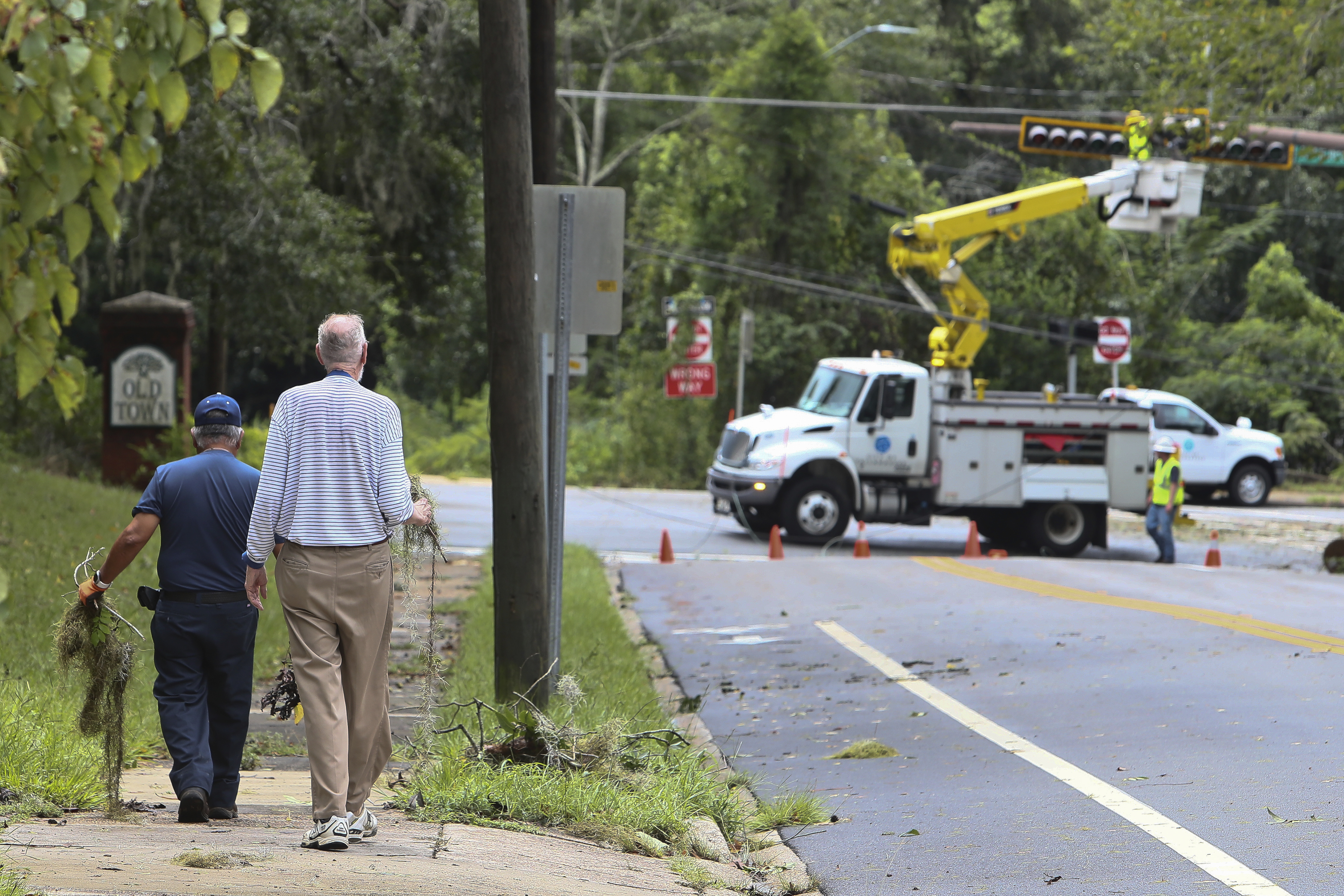
The Federal Emergency Management Agency (FEMA) has been forced to restrict disaster spending due to low funds in its main emergency fund, which has been depleted by numerous storms and wildfires this year. The Biden administration has halted assistance to states for rebuilding from past disasters, putting pressure on Congress to approve President Biden's request for $12 billion in emergency funds to replenish the disaster fund. The restrictions limit FEMA's spending to life-saving measures only, potentially delaying thousands of projects to rebuild damaged facilities and infrastructure. Congress, currently in recess, will need to act on Biden's request when they return.
Spain experienced its hottest and driest April on record, with average daily temperatures 3 degrees Celsius above average and rainfall at a fifth of what is expected. The country has been in a long-term drought for three years, and a recent study found that human-caused climate change made the record-breaking temperatures 100 times more likely. The government has requested emergency funds from the EU to support affected farmers and ranchers.
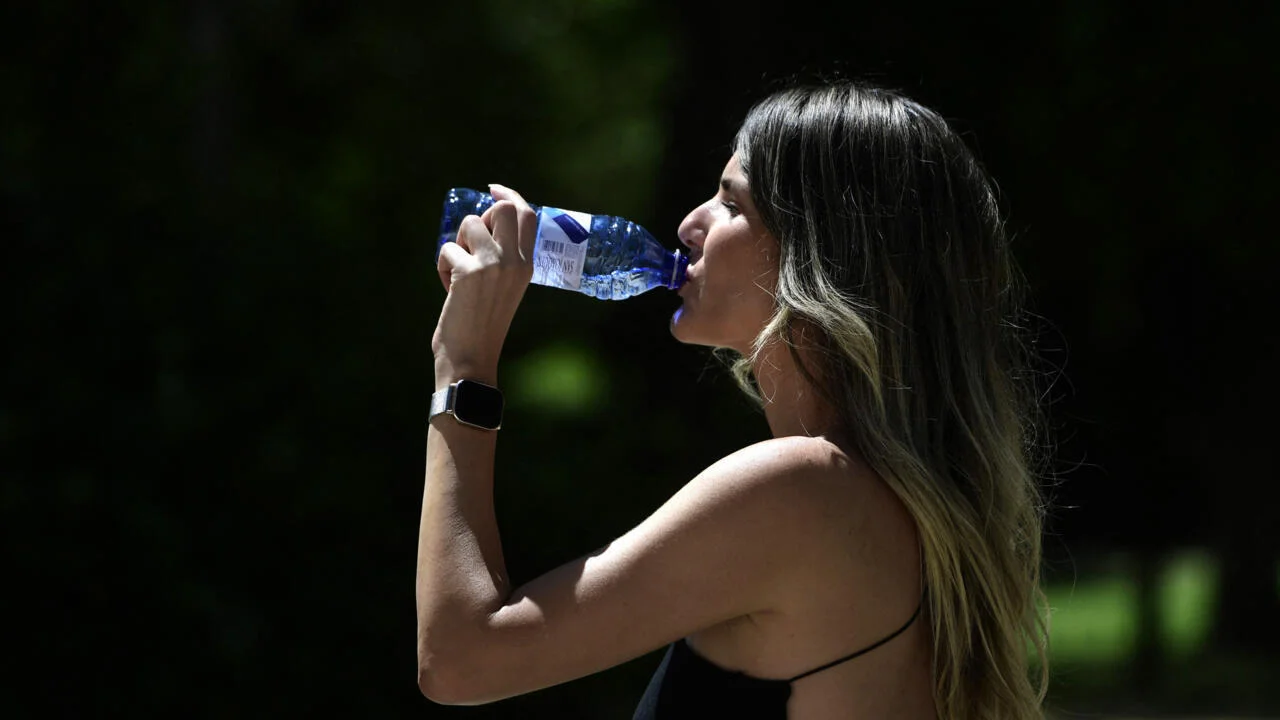
Spain is experiencing an early heat wave with temperatures reaching values typical of summer, with a high of 38 degrees Celsius forecast for the southern Guadalquivir Valley. The State Meteorological Agency said temperatures were “exceptionally high" for April because of a mass of very warm and dry air coming from North Africa. The Spanish government has requested emergency funds from the European Union to support farmers and ranchers amid extreme drought conditions in the country's agricultural heartlands, including the Guadalquivir Valley. Currently, 27% of Spanish territory is classified as in a drought “emergency” or “alert,” according to the Ecological Transition Ministry, and water reserves are at 50% of capacity nationally.
A recent survey by Voya found that 43% of Americans consider their retirement funds as their only form of emergency savings, with Black respondents, mothers, and those with lower incomes more likely to depend on those funds for emergencies. This highlights the need to help more Americans prepare for unexpected events that require a quick influx of cash. Legislation such as the SECURE 2.0 Act could help people save for emergencies without sacrificing their retirement goals, with employers offering holistic financial wellness solutions to support their employee base.