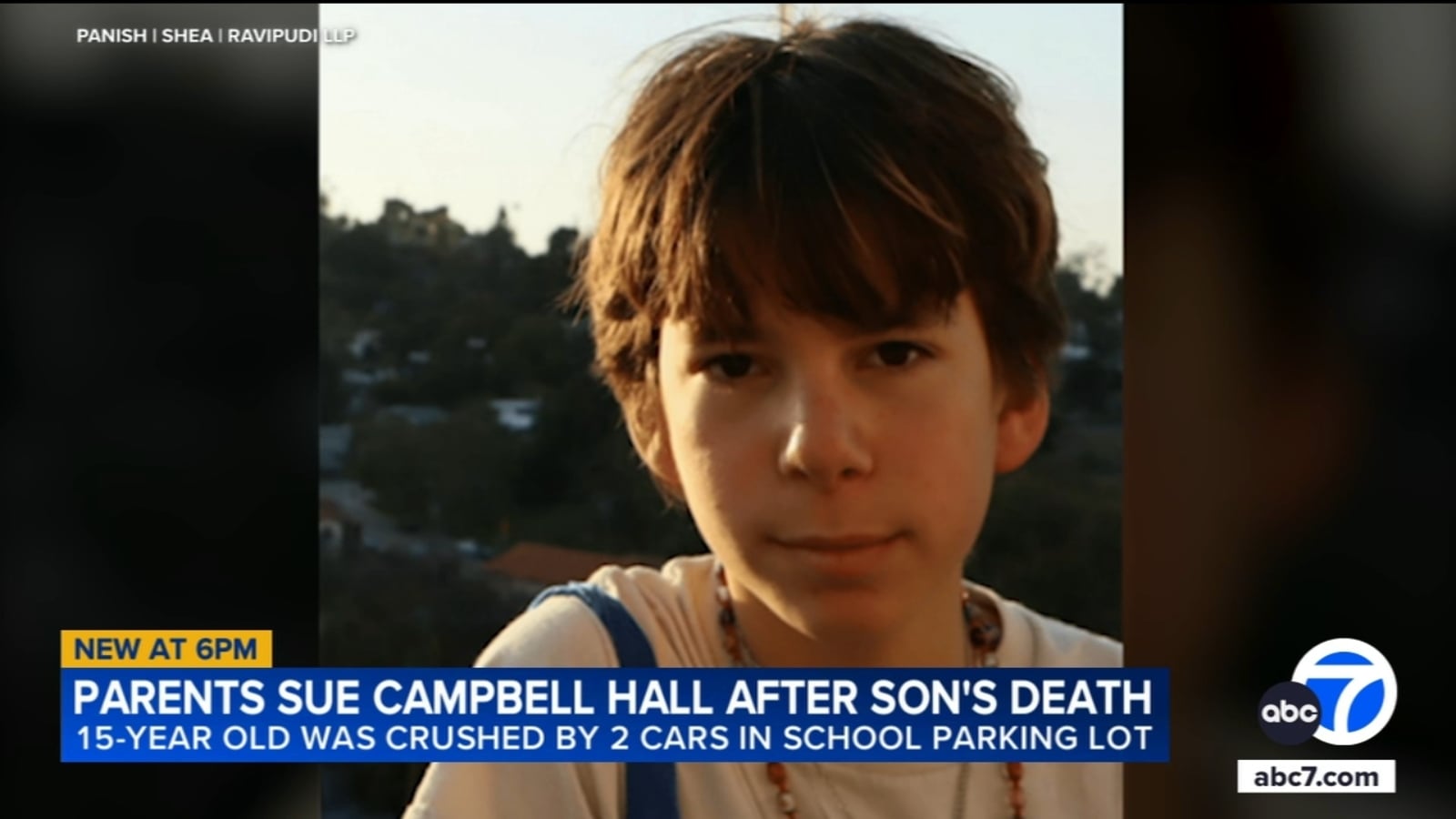
Parents of 15-year-old Cosmo Silverman, who died after being pinned between cars in Campbell Hall School's parking lot, have filed a wrongful death lawsuit against the school, citing negligence and unsafe parking lot design, and claiming safety improvements were only made after the incident.
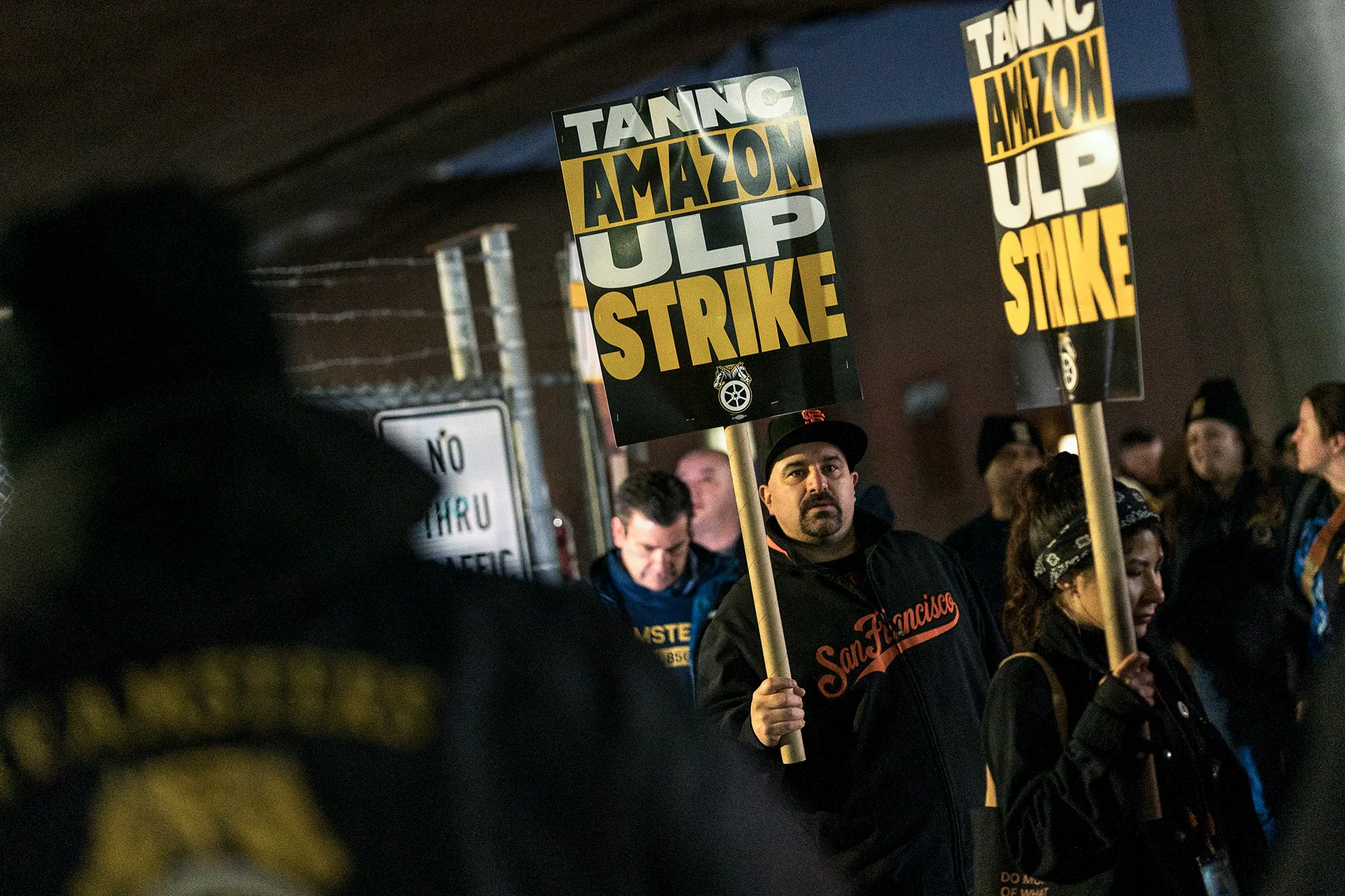
California has enacted a law empowering its labor board to regulate working conditions and union rights amid federal inaction, but the law faces legal challenges from the Trump administration and the NLRB, which argue it oversteps federal authority. Experts believe courts are unlikely to uphold the law due to preemption, potentially leaving workers without effective union protections if the law is overturned.
A new California law (AB 566) requires web browsers to offer an easy opt-out signal for users to prevent sharing or selling their personal data, potentially setting a national standard for online privacy and simplifying user control over data across the U.S.
Nancy Pelosi warned that California police could arrest federal agents if they violate state laws during upcoming immigration raids in the Bay Area, highlighting the legal ambiguity surrounding the ability of states to detain federal officers.
California has enacted a pioneering AI safety law after months of intense negotiations involving tech giants, policymakers, and advocacy groups, aiming to set a national standard for AI safety protocols and whistleblower protections, with significant implications for the industry and potential influence on federal regulation.
A Waymo autonomous vehicle was pulled over in California for making an illegal U-turn, but police couldn't issue a ticket because the car had no human driver, highlighting legal gaps in autonomous vehicle regulation. New legislation aims to address this issue, but critics argue it is insufficient, reflecting ongoing debates about self-driving car oversight and safety.
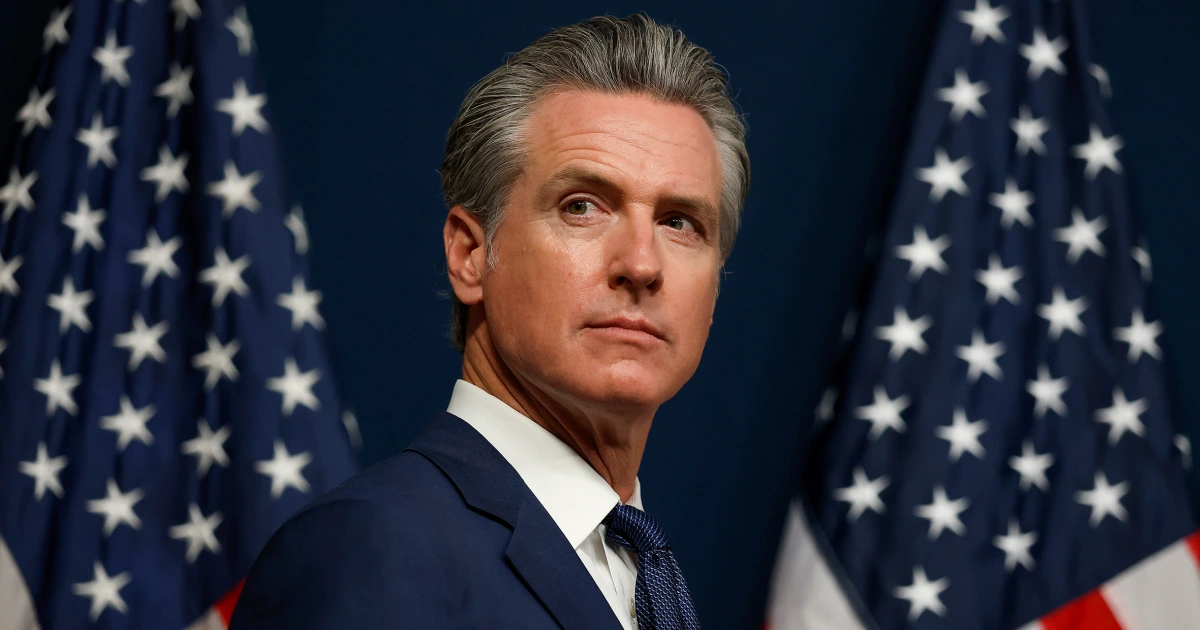
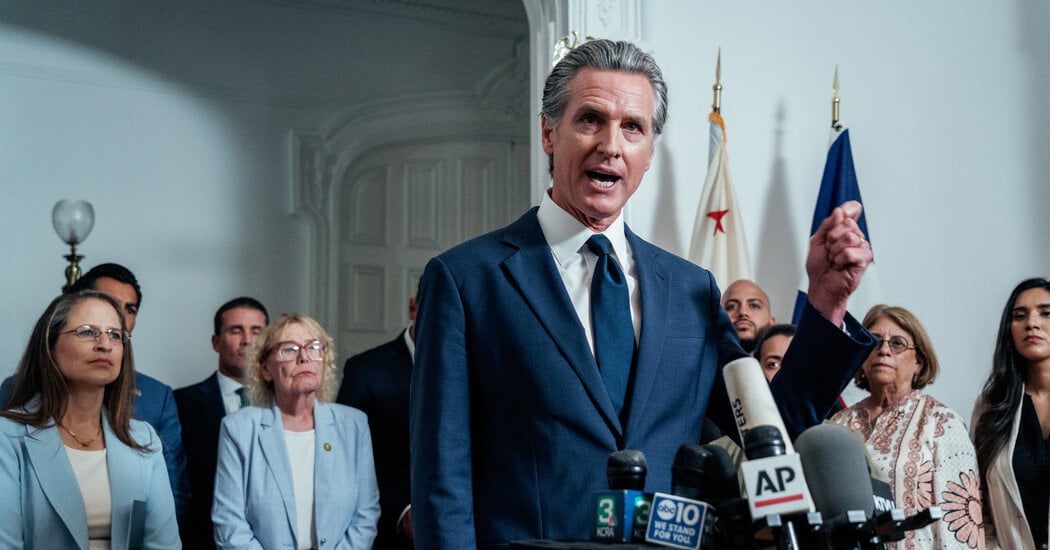
California Governor Gavin Newsom signed SB 53, the first U.S. law specifically regulating AI companies, requiring transparency and safety incident reporting, with potential global impact given California's prominence in AI industry. The law aims to balance innovation with safety, amid industry pushback and calls for federal regulation.
California Governor Gavin Newsom signed the 'Transparency in Frontier Artificial Intelligence Act,' establishing some of the strictest AI safety regulations in the U.S., requiring advanced AI companies to report safety protocols and risks, and enhancing whistleblower protections.
Acting U.S. Attorney Bill Essayli announced that federal immigration enforcement agents will not comply with California's new law banning on-duty officers from covering their faces, asserting federal jurisdiction and citing safety concerns amid increased assaults on agents. The law, signed by Governor Gavin Newsom, aims to restrict law enforcement face coverings, but federal agencies, including ICE and CBP, plan to ignore it, citing safety and operational reasons.
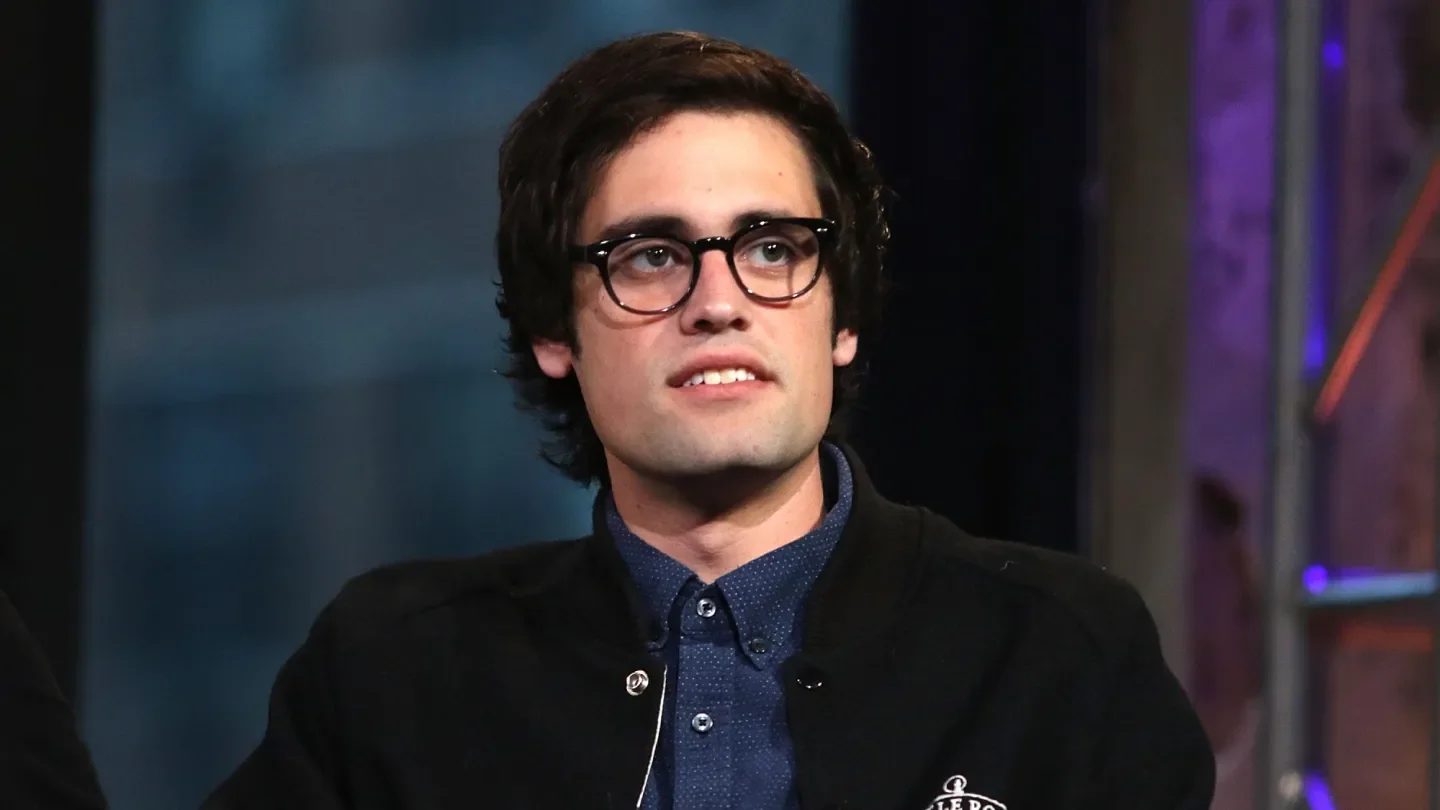
Blake Lively is seeking damages from Justin Baldoni after her countersuit was dismissed due to California's legal protections for victims of sexual harassment, and her legal team argues she is entitled to recover attorney's fees, damages, and punitive damages for what they describe as baseless defamation and retaliation by Baldoni and his associates.
Blake Lively is seeking millions in damages from Justin Baldoni for filing a frivolous defamation suit related to sexual harassment allegations, using a California law designed to protect victims who speak out. The case involves allegations of harassment and retaliation, with Lively aiming to recover legal costs and damages, while Baldoni's legal team disputes the applicability of the law and claims her allegations are fabricated.
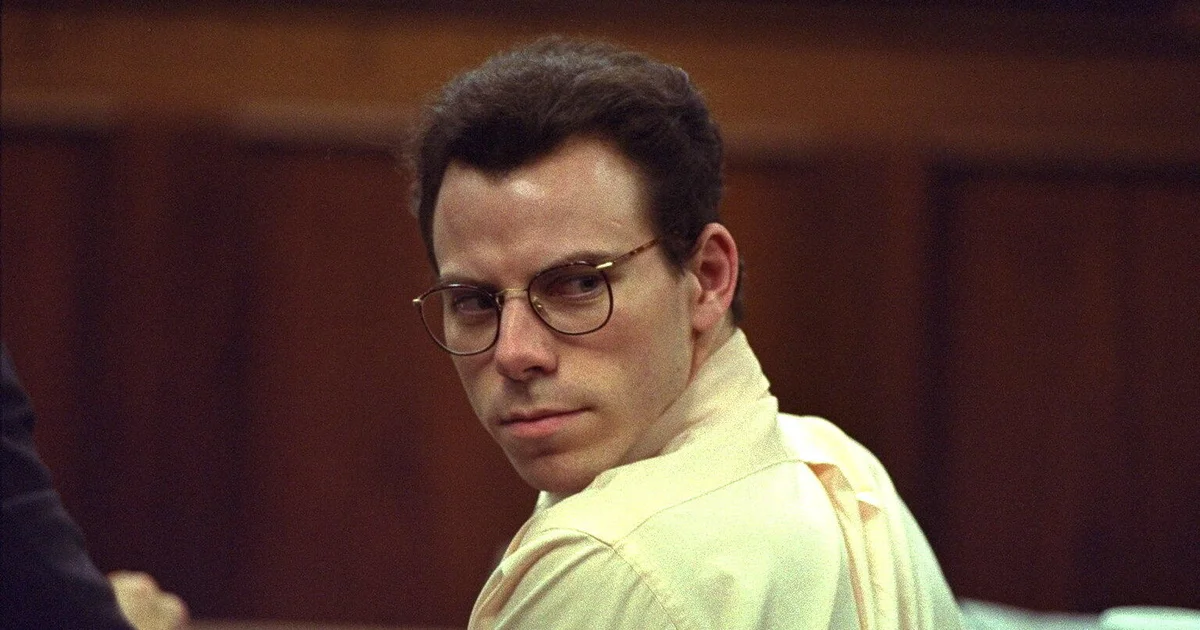
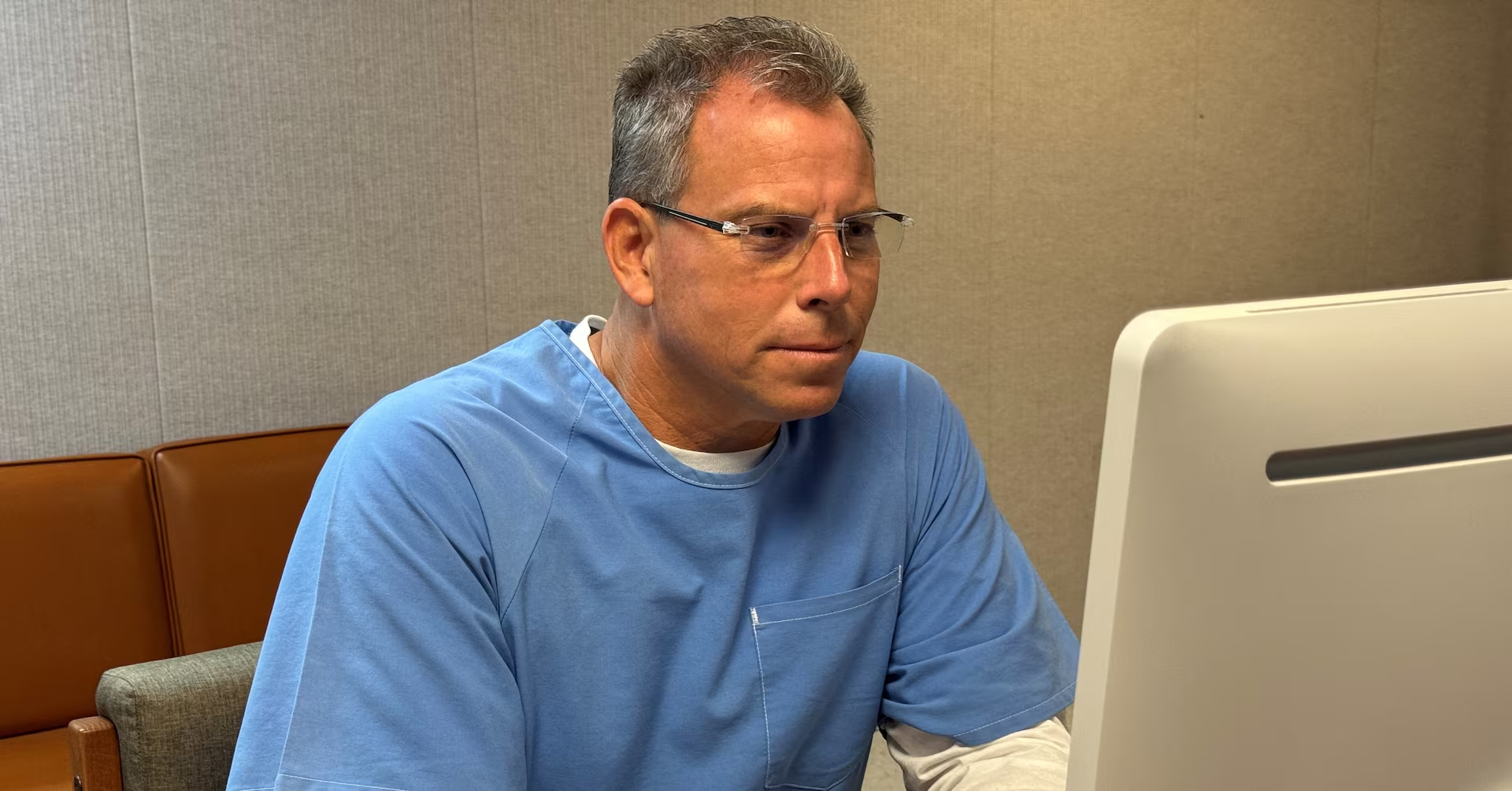
Erik Menendez's parole was denied after a nearly 10-hour hearing due to his prison behavior and the gravity of his crimes, including the murder of his parents in 1989. The parole panel cited his violations of prison rules and the heinous nature of the murders as reasons for the decision, with a subsequent hearing scheduled in three years. His family remains supportive, while authorities emphasize the seriousness of the crime and the importance of public safety.
Erik Menendez was denied parole after a 10-hour hearing, with the parole board citing his prison misconduct rather than the severity of his crime, despite family support for his release; he has served 35 years for the 1989 murder of his parents.
California Attorney General Rob Bonta claims that 23andMe's recent bankruptcy sale of genetic data to TTAM Research Institute does not comply with state privacy laws, specifically the Genetic Information Privacy Act, and is considering further legal action despite court approval of the sale.
A report of a baby tiger on California's Highway 166 turned out to be a dead hawk, highlighting the confusion and strict laws against owning exotic animals like tigers in California.