Tag

Daddy Longlegs

All articles tagged with #daddy longlegs

science1 year ago

"Daddy Longlegs: Uncovering Their Hidden Pairs of Eyes"

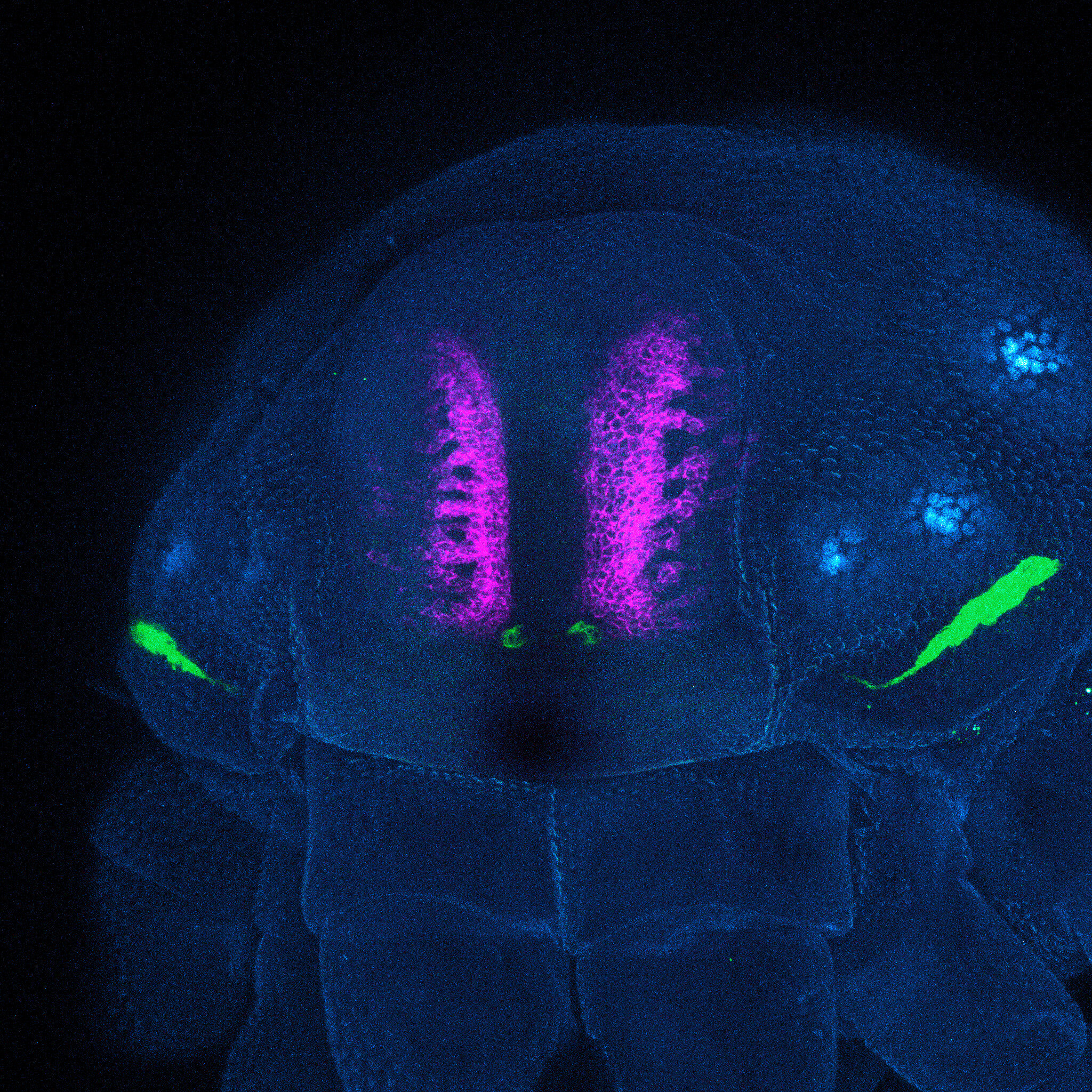
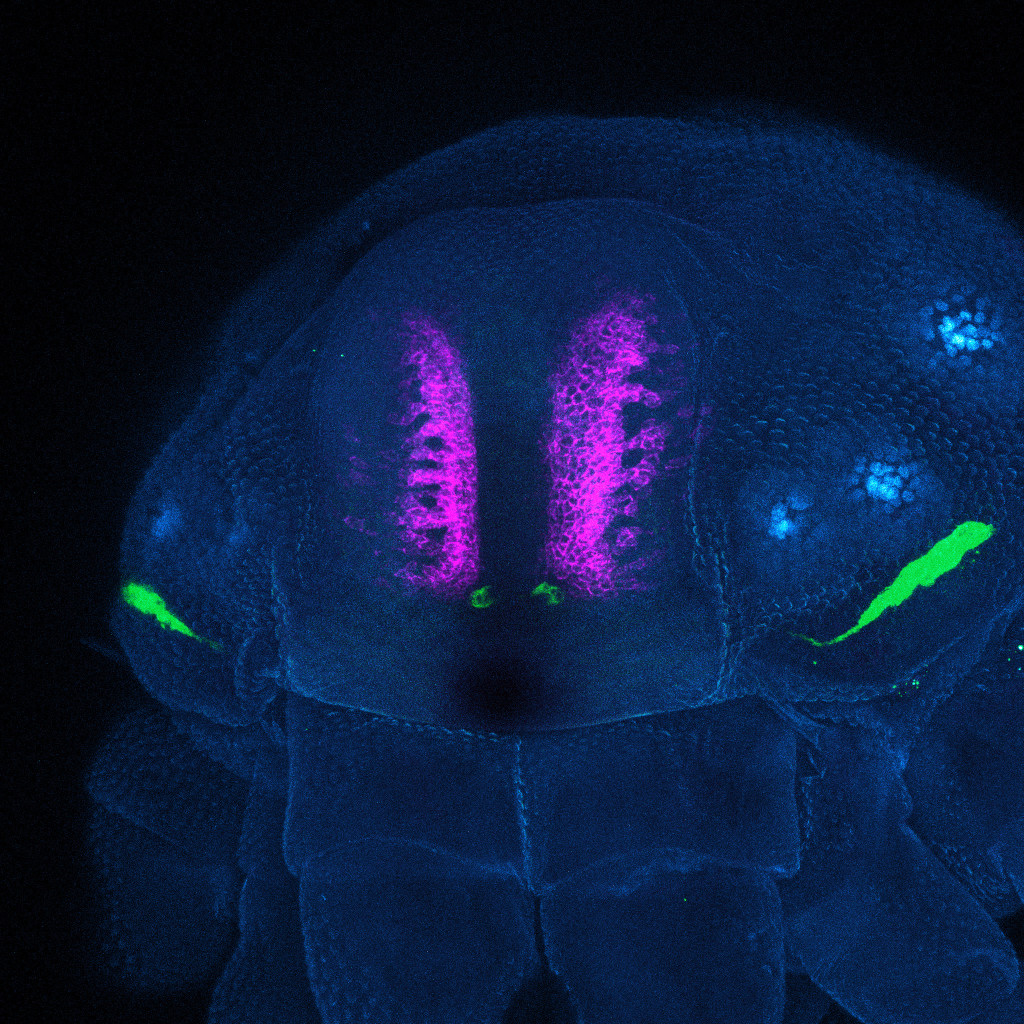
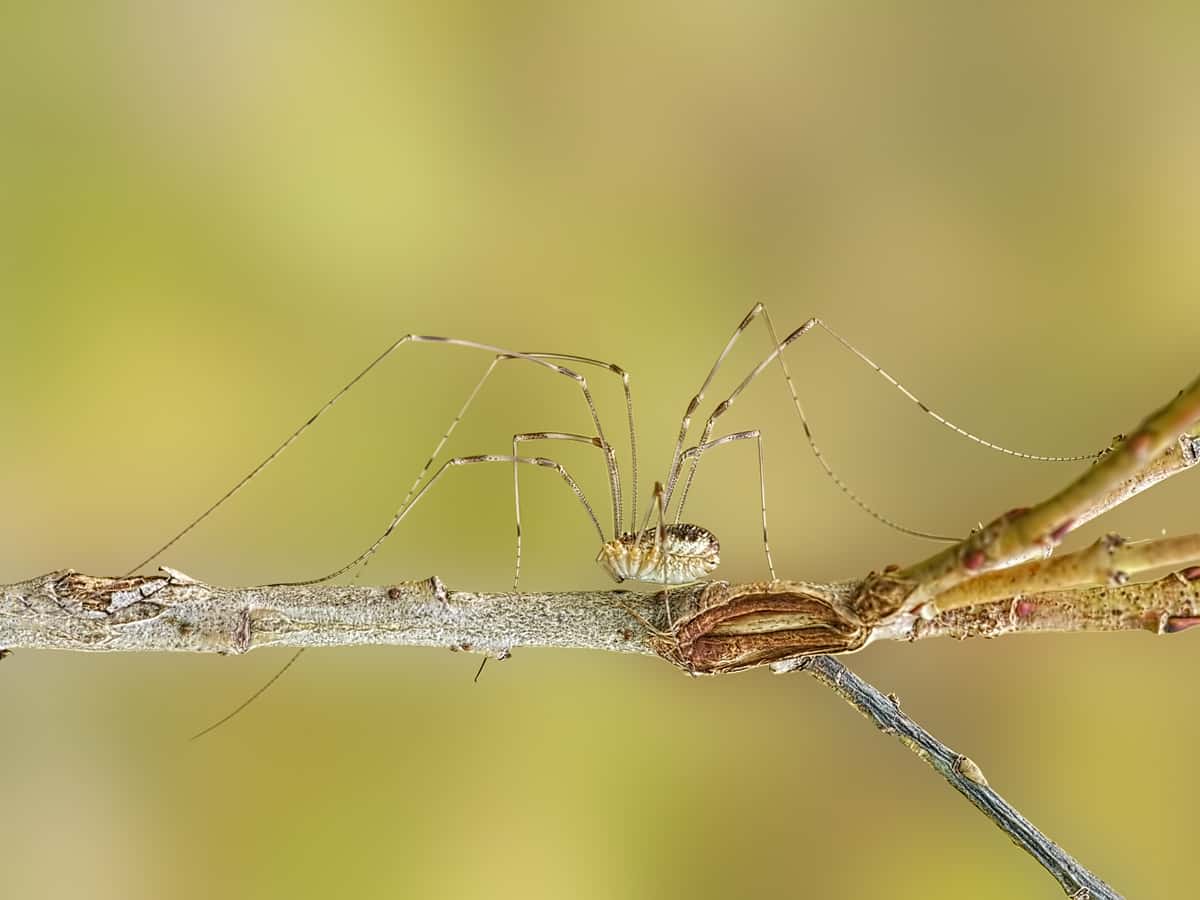
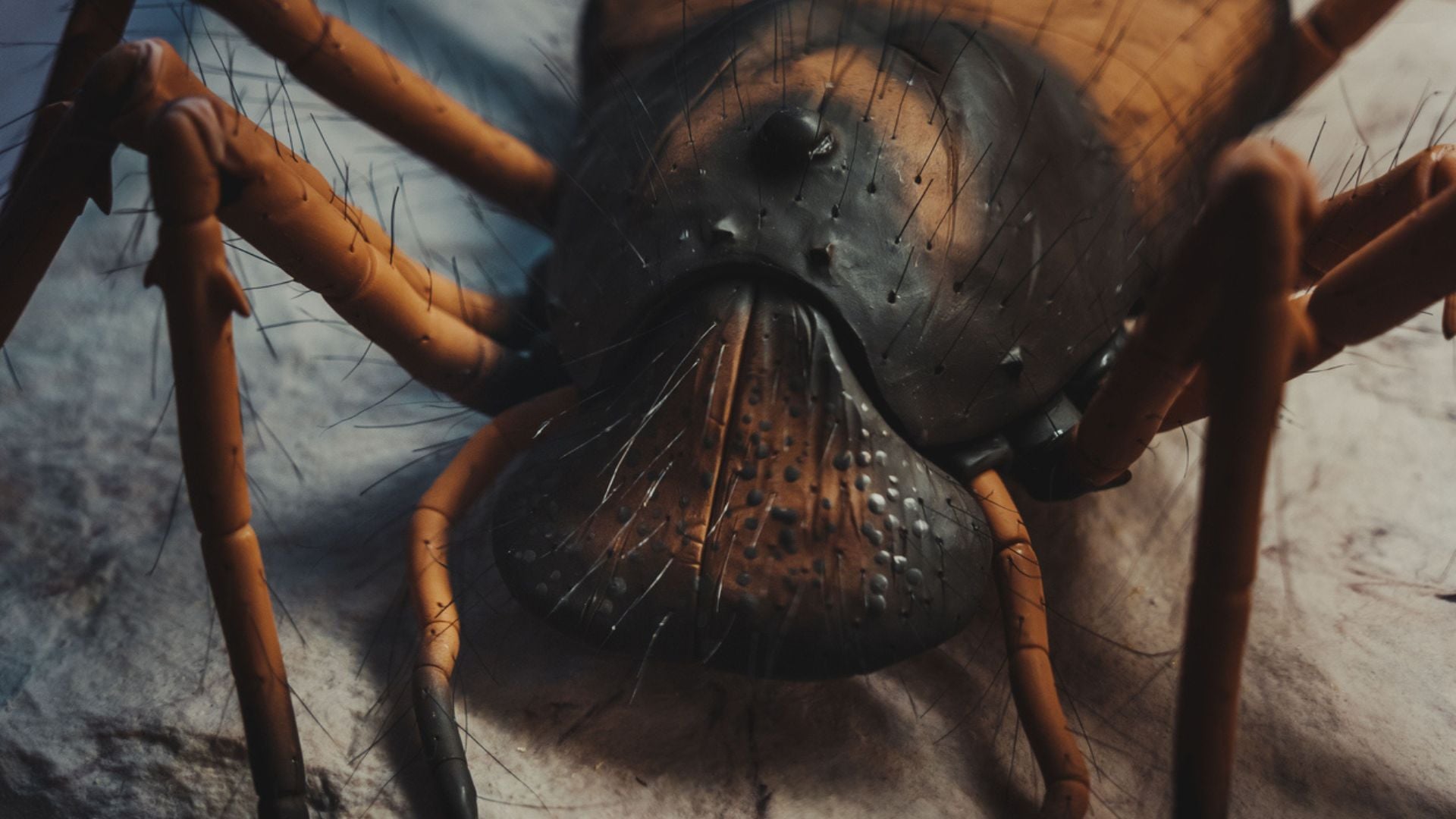
Daddy longlegs, also known as harvestmen, are ancient arachnids with a history dating back over 400 million years. Scientists recently discovered that these creatures have two additional pairs of vestigial eyes, in addition to their two median eyes. These vestigial eyes, found in embryos, suggest an evolutionary link to past arachnid species. The study sheds light on the genetic mechanisms behind eye development and evolution, providing insights into the diversity of eyes in arthropods.
science1 year ago

"Unprecedented Discovery: Massive Black Hole Binary Defies Merger"

Researchers observed a supermassive black hole binary in an elliptical galaxy, finding that their prolonged non-merger is due to the inhibitory role of mass and the lack of remaining matter to slow their velocity further. A medication for high cholesterol, cholestyramine, has been found to drastically reduce PFAS levels in the blood, offering a potential treatment for those with major acute exposure to these chemicals. Additionally, a study at the University of Wisconsin-Madison revealed vestigial eyes in daddy longlegs, suggesting an earlier evolutionary diversification than previously believed.

biology1 year ago

"Daddy Longlegs Embryos Possess Extra Underdeveloped Eyes"

Researchers have discovered that a living species of daddy longlegs has two additional sets of underdeveloped eyes as embryos, indicating that the species diversified earlier in the evolutionary tree than previously believed. The finding suggests that the arachnid's ancestor lost two pairs of eyes, and the study provides important insights into the genetic and developmental conditions that give rise to different kinds of eyes, shedding light on the process of evolution.

science1 year ago

"Evolutionary Insights: The Role of Eyes in Daddy Longlegs"

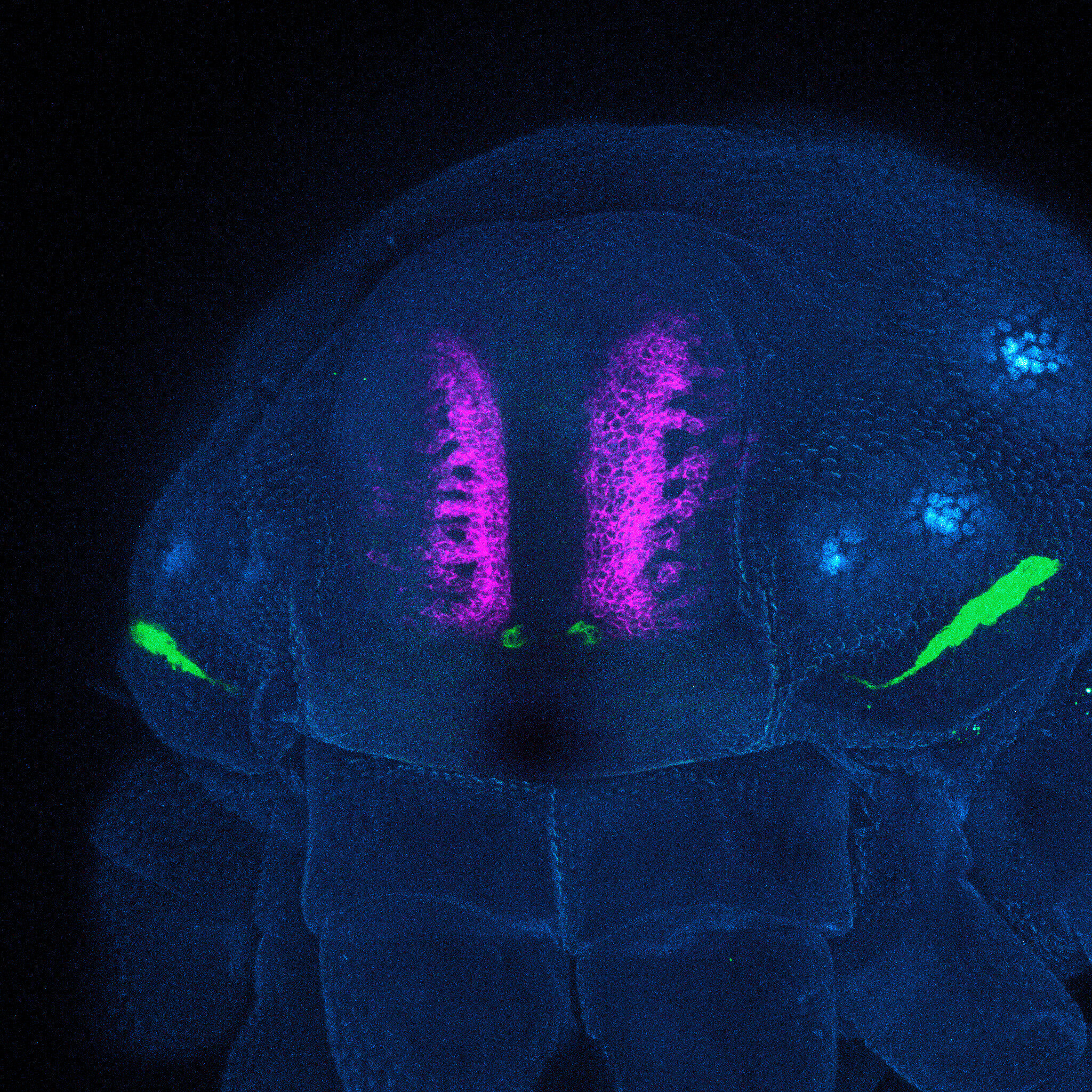
Researchers studying a living species of daddy longlegs have discovered vestigial eyes in the embryos, indicating that the species diversified earlier in the evolutionary tree than previously believed. These underdeveloped eyes, containing visual proteins called opsins, suggest the presence of two additional sets of eyes in the species' evolutionary past. By studying the genetic and developmental conditions that give rise to different kinds of eyes, the researchers were able to provide evidence that the vestigial organs were likely eyes, shedding light on the evolutionary process.