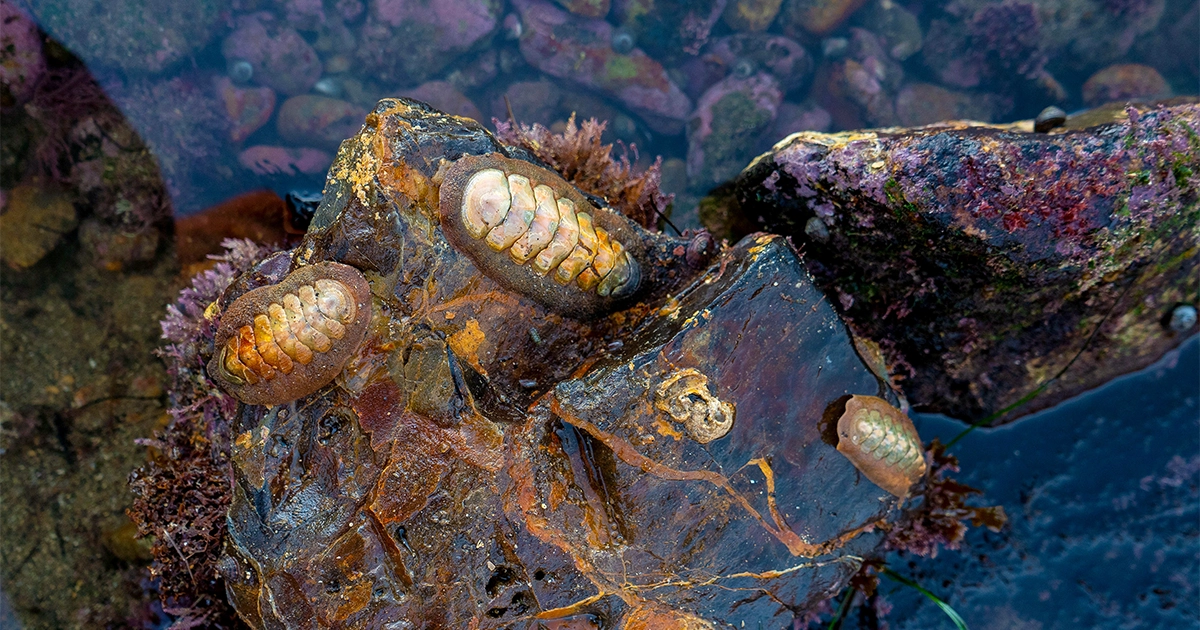
Researchers have studied chitons' highly durable, magnetite-based teeth to inspire the development of advanced, environmentally friendly materials for industrial and medical applications, revealing insights into nanoscale mineral formation and biological processes that could revolutionize manufacturing and material science.
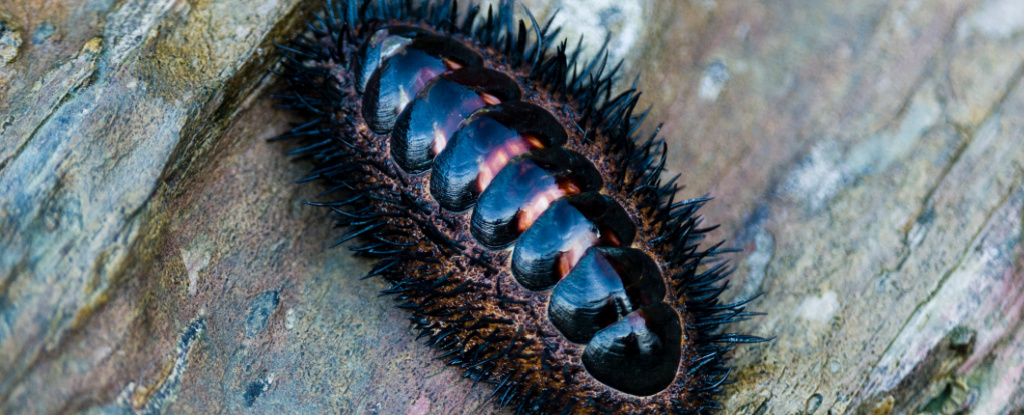
Researchers have discovered that chitons, small marine mollusks, evolved eyes on four separate occasions, resulting in two distinct visual systems. Some chitons have thousands of eyes embedded in their shells, while others have smaller eyespots. The study, led by evolutionary biologist Rebecca Varney, found that the different visual systems evolved independently and in quick succession, with some groups developing similar structures despite being distant relatives. The number of slits in the chiton's shell plates appears to influence the complexity of their visual systems. Ongoing research aims to understand how these structures process visual information.
The visual systems of chitons, a type of marine mollusk, provide a rare natural example of path-dependent evolution, where a lineage's history shapes its future evolutionary trajectory. Researchers at the University of California, Santa Barbara discovered that the type of eye a chiton lineage had was determined by the number of slits in its shell armor, representing a real-world example of path-dependent evolution. This finding challenges the traditional understanding of evolutionary progression and highlights the impact of history on the future of a particular trait.
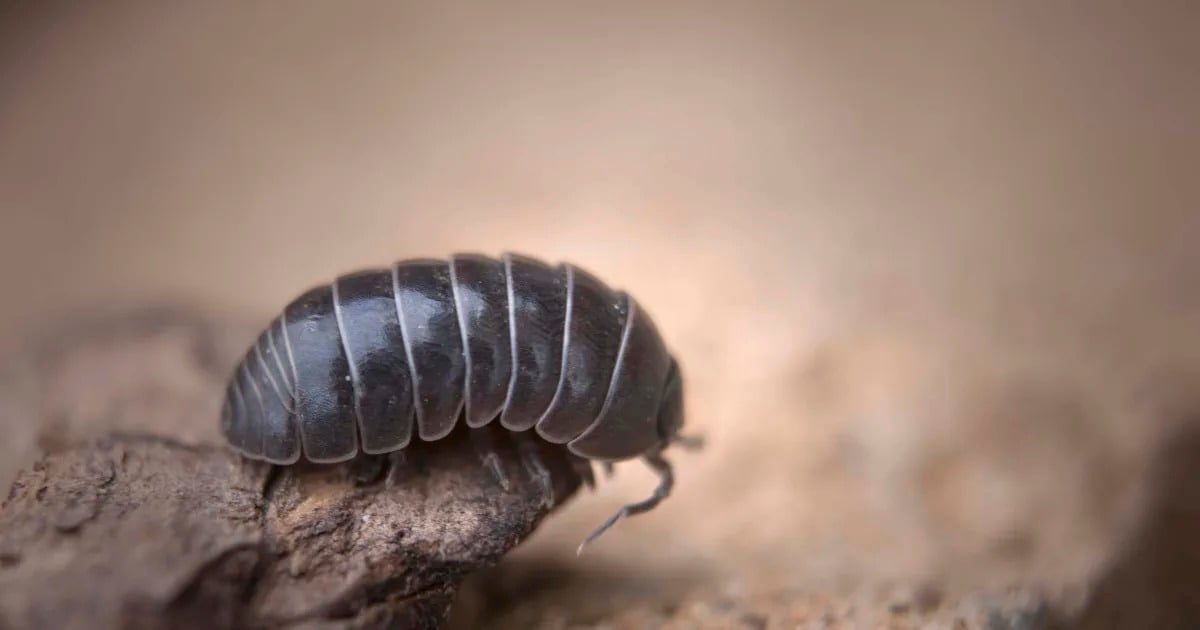
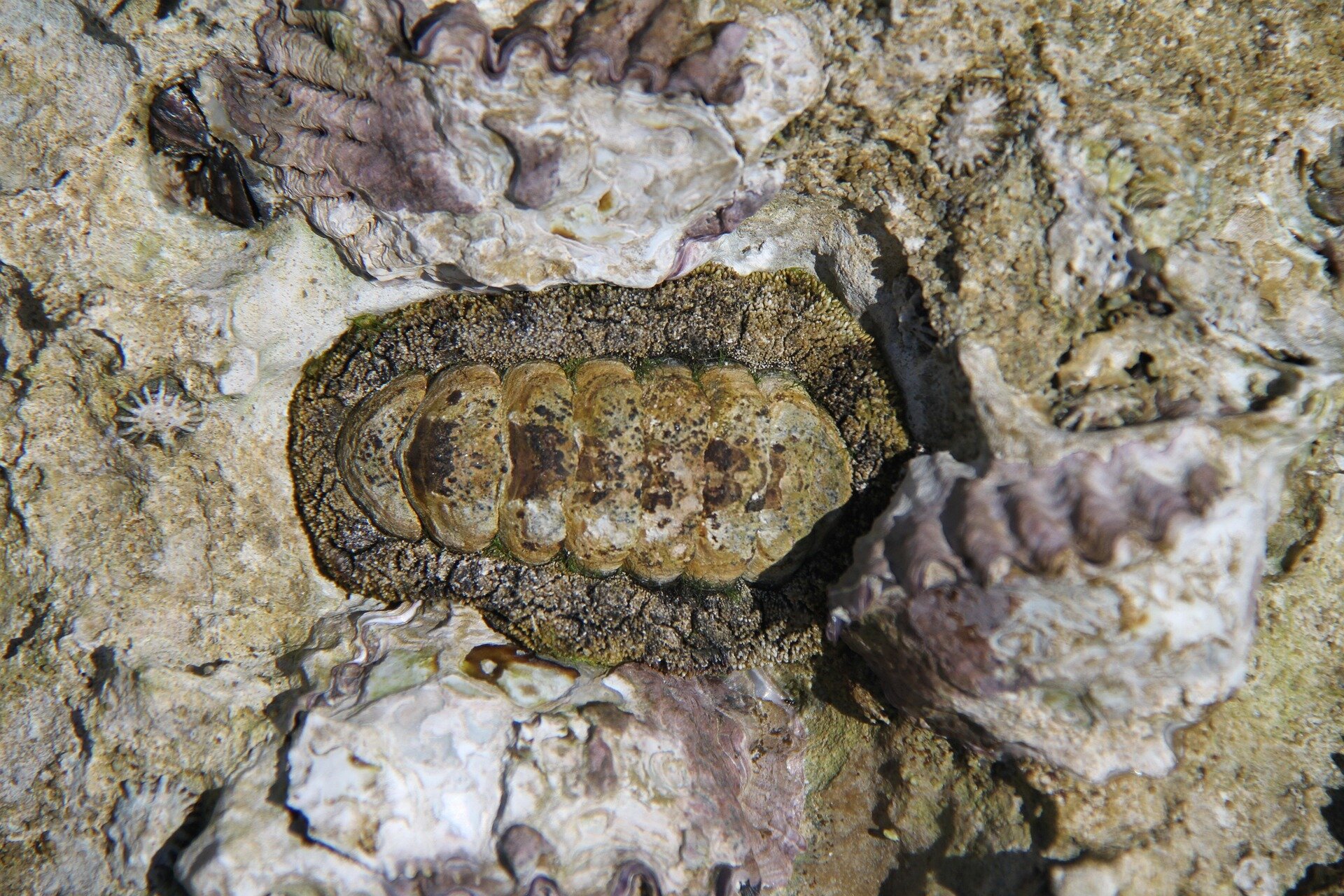
Researchers at Tohoku University have designed a new robotic system that uses woodlice and chitons as end effectors for robotic arms. The team 3D printed tiny seats for the animals to sit on at the end of the robot's manipulator arm, then set the woodlice and chitons to task, picking up tufts of cotton and submerged cork, respectively. The team's work raises ethical questions about the test animals' welfare, but the system shows promise for underwater applications where suction cups and similar mechanical methods have difficulties.