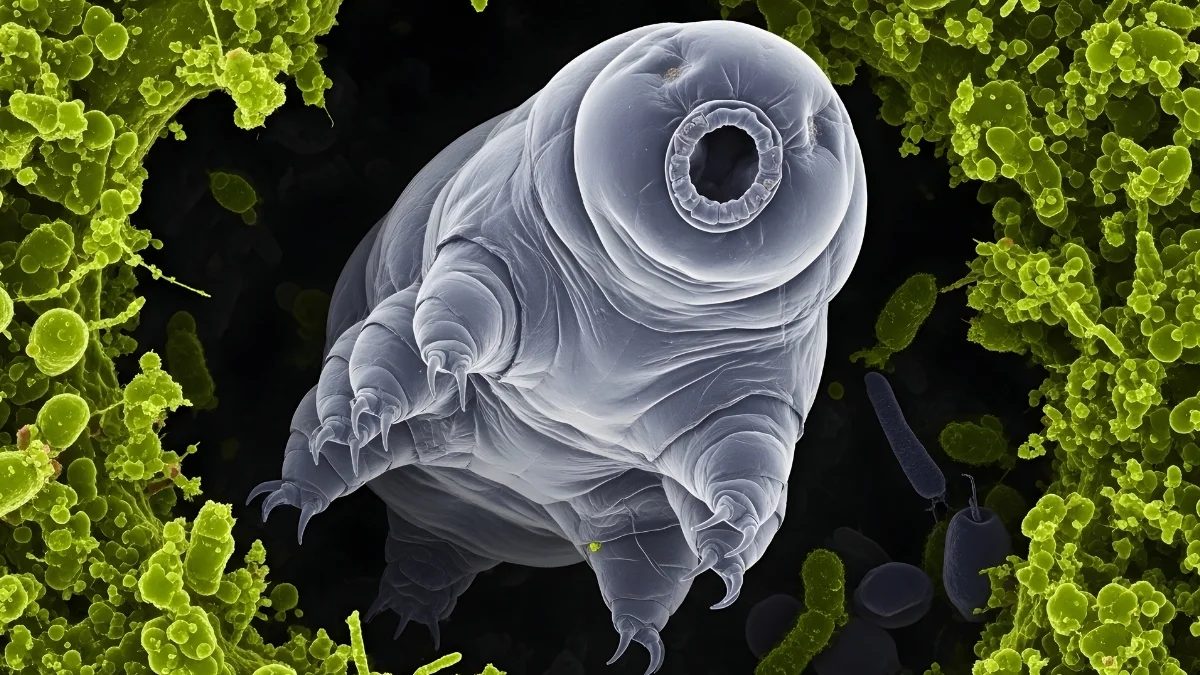
Scientists have discovered a protein called Dsup in tardigrades that protects DNA from damage, inspiring potential medical and technological applications such as cancer therapy, organ protection during strokes, crop resilience, space exploration, and data storage. Early studies show promise in using Dsup to enhance human cell resilience and protect against radiation and oxidative stress, with ongoing research to fully understand its mechanisms.
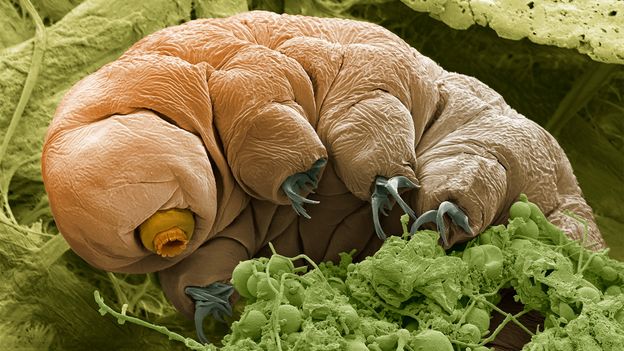
Tardigrades, tiny resilient creatures capable of surviving extreme conditions like space, radiation, and desiccation, are being studied for potential human applications such as protecting against radiation damage, preserving medicines, and aiding space exploration. Their survival mechanisms include specialized proteins and entering a state of suspended animation, offering insights into extreme resilience and biotechnological innovations.
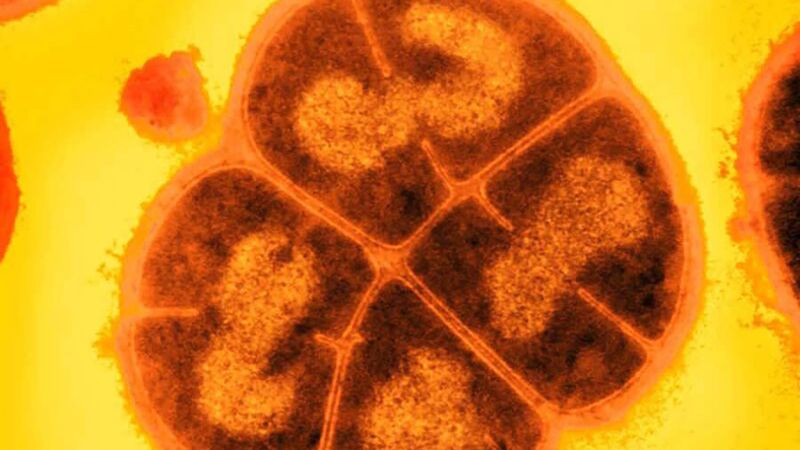
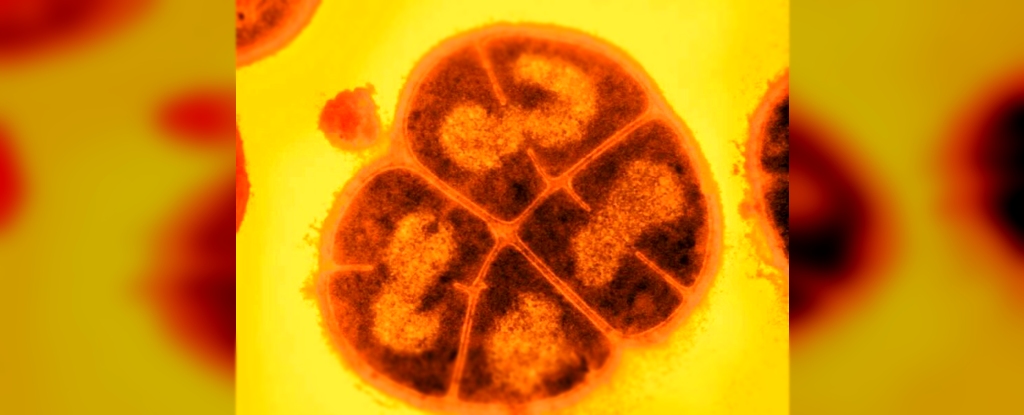
Scientists have discovered that the bacterium Deinococcus radiodurans, known for its extreme radiation resistance, owes its resilience to a powerful antioxidant composed of manganese, phosphate, and a peptide. This discovery could lead to the development of radioprotective measures for astronauts and applications on Earth. The study highlights the potential of using this antioxidant to protect against cosmic radiation during deep-space missions and radiation exposure on Earth.
Researchers have uncovered the secret behind the radiation resistance of the microbe Deinococcus radiodurans, known as 'Conan the Bacterium.' The microbe's resilience is attributed to a potent mix of antioxidants, particularly a manganese-phosphate-peptide complex, which effectively neutralizes harmful oxygen radicals. This discovery could lead to the development of advanced radioprotectants for various applications, including healthcare and space exploration.
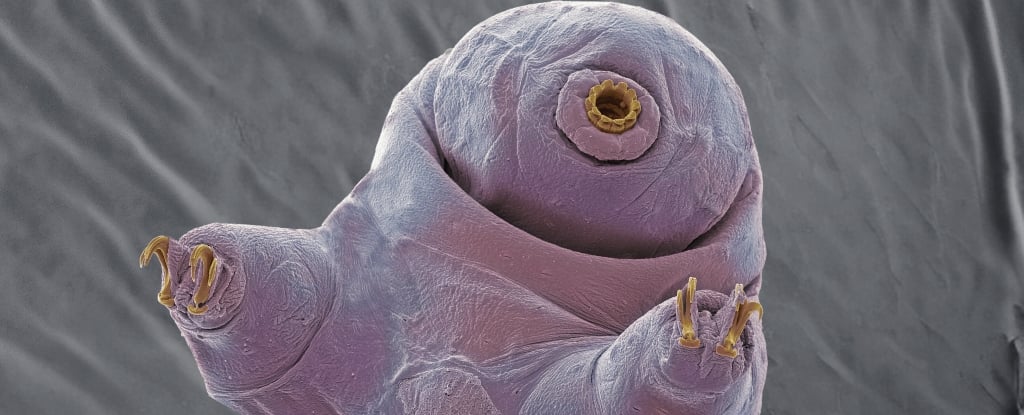
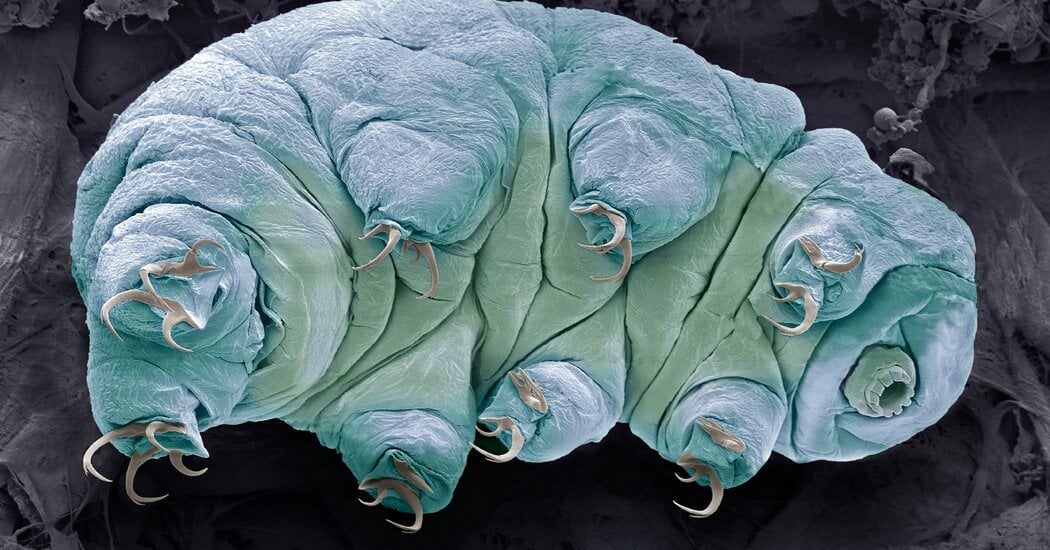
Scientists have discovered a new mechanism by which tardigrades, also known as water bears, are able to survive high doses of radiation. When exposed to gamma rays, the tardigrades ramped up production of DNA repair genes, allowing them to repair most of the radiation-induced DNA damage within 24 hours. This remarkable ability to sense and respond to ionizing radiation could provide insights for protecting other organisms from radiation damage.
Tardigrades, also known as water bears, have long been known for their exceptional resilience to extreme conditions such as radiation, freezing, and outer space. New research has revealed that these microscopic creatures are adept at repairing their DNA after exposure to high levels of radiation, allowing them to survive and thrive despite such harsh environments. Scientists are now uncovering the molecular secrets behind the tardigrades' remarkable survival abilities, shedding light on their extraordinary resilience.
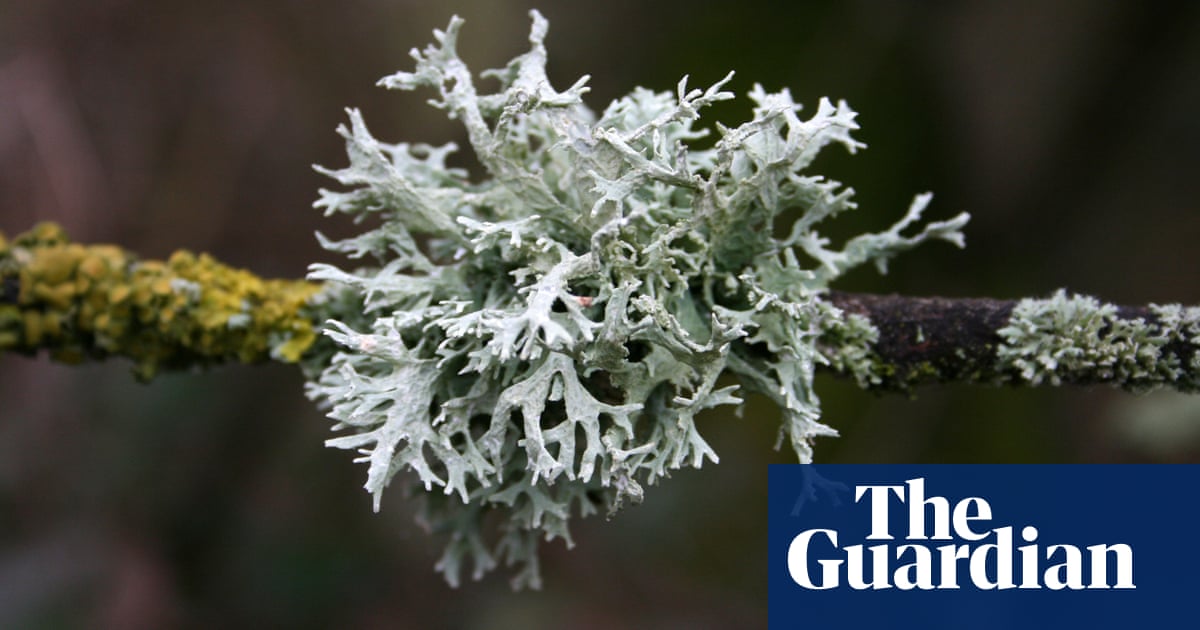
Lichens, a symbiotic organism consisting of a fungus and alga or cyanobacterium, have demonstrated remarkable resilience by surviving in the harsh conditions of space and a simulated Martian environment, raising the possibility of life existing on Mars. They can withstand extreme radiation, vacuum, and temperature variations, and continue to photosynthesize, suggesting potential for interplanetary spread of life via lichens hitching a ride on meteorites, comets, or asteroids.