The Trump administration announced plans to roll back U.S. fuel economy standards, claiming it will save Americans up to $109 billion on vehicle costs, a move praised by automakers but condemned by environmental groups, amid ongoing debates over vehicle efficiency and electric vehicle adoption.
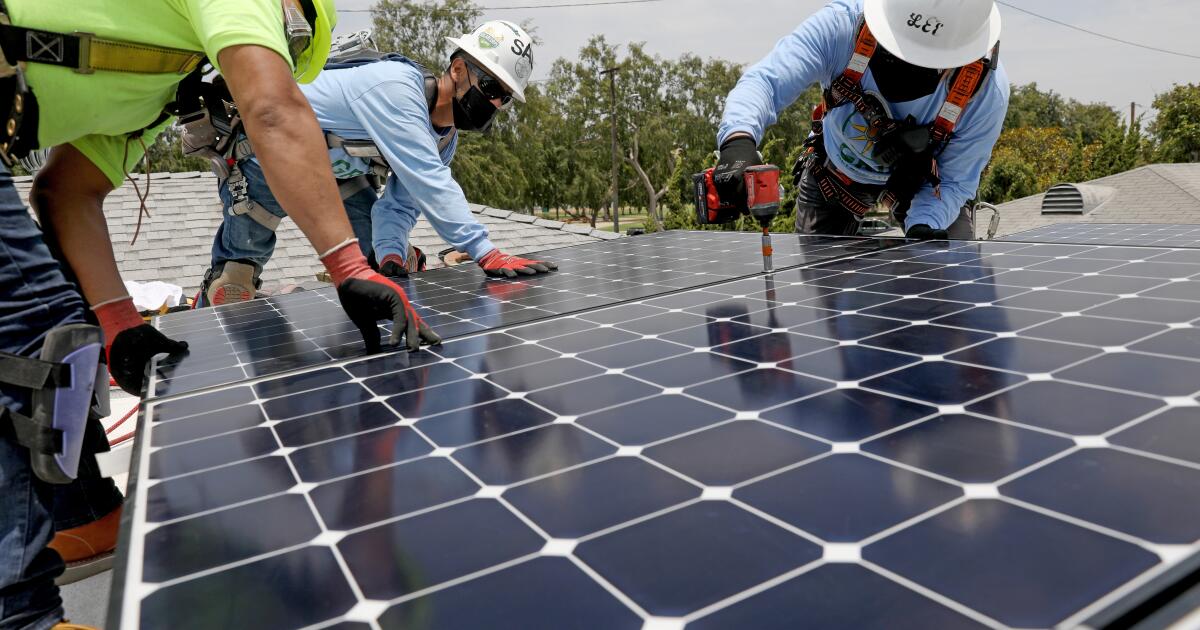
The California Supreme Court ruled in favor of environmental groups, stating that the state's utilities commission's decision to cut rooftop solar incentives could be challenged in court, reversing a previous appellate court decision. The case concerns the reduction of credits for solar energy sent to the grid, which the environmental groups argue violates state law. The ruling emphasizes that the CPUC is not above the law, potentially opening the door for more legal challenges against utility decisions affecting solar incentives in California.
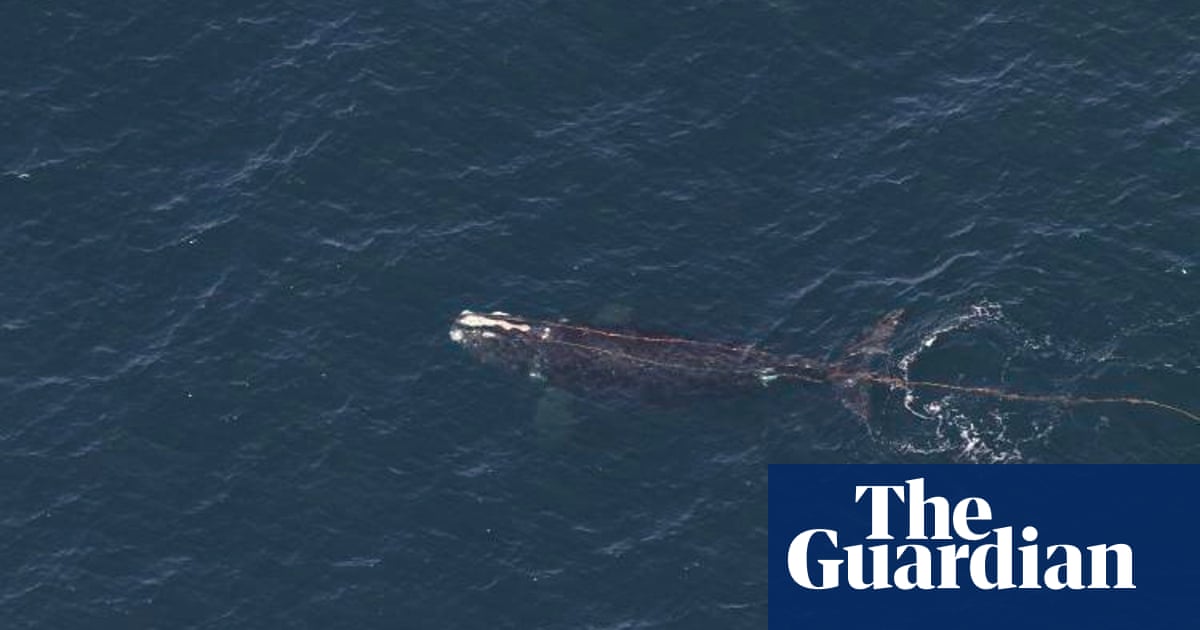
A North Atlantic right whale has been spotted entangled in rope off the coast of New England, adding to the challenges faced by the already endangered species. With less than 360 of these whales remaining, entanglement in fishing gear and collisions with ships pose significant threats. Efforts to rescue the entangled whale have been hindered by its distant location, highlighting the urgent need for stronger protections and regulations to prevent further harm to these majestic creatures, whose population has been slow to recover from the impacts of commercial whaling and now faces additional risks due to climate change.
The EPA is set to release new vehicle emissions rules that will determine the speed at which automakers must transition to all-electric vehicles, with environmental groups pushing for a faster timeline and automakers advocating for a slower adoption. The EPA's original proposal aimed for a significant increase in EV sales by 2032, but the White House seems open to delaying the timeline to align with the auto industry's position. Environmentalists argue that a delay will result in more heat-trapping emissions, while the auto industry seeks better coordination and inclusion of plug-in hybrid vehicles in the rules. Regardless of the final rule, experts anticipate a historic shift in the types of cars people drive and the air they breathe.
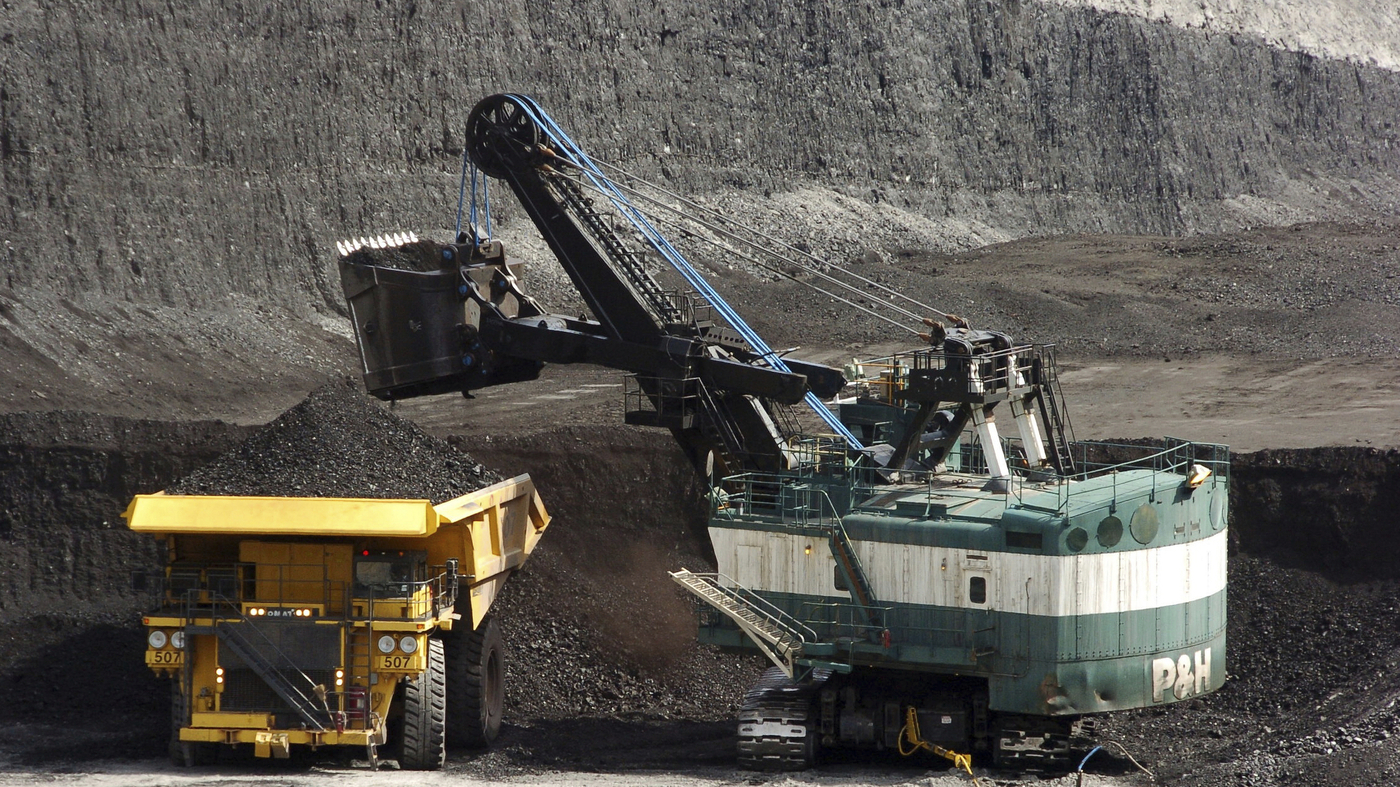
A federal appeals court has overturned the Obama-era moratorium on new coal leasing on federal land, citing a technicality due to the policy being revoked by President Biden's Interior Secretary Deb Haaland. The decision has been welcomed by mining associations but has raised concerns among environmentalists and tribes, who are urging the Biden administration to intervene and conduct a new federal review of the coal leasing program to protect the climate and natural resources.
Barclays announces it will no longer directly fund new oil and gas projects and will restrict lending to energy businesses looking to expand fossil fuel production, following mounting pressure to curb its support for the sector. The banking giant's move was welcomed by environmental groups, but criticized for not going far enough, as it still allows loopholes for certain fossil fuel activities. This decision aligns with similar commitments made by other European banks, and comes as Barclays faces increasing scrutiny over its funding of the fossil fuel industry.
Facing a projected $37.9 billion budget deficit, California Governor Gavin Newsom has proposed cutting the state's climate funding by about 7% compared to last year's budget, spreading the reduced funds over seven years. The plan includes delays in spending on zero emission cars and trucks, as well as cuts and delays in clean energy, wildfire and forest resilience, water recycling, and coastal resilience programs. Environmental groups have criticized the proposal, expressing concerns that cutting back on state spending now would cost the state more in the long run.
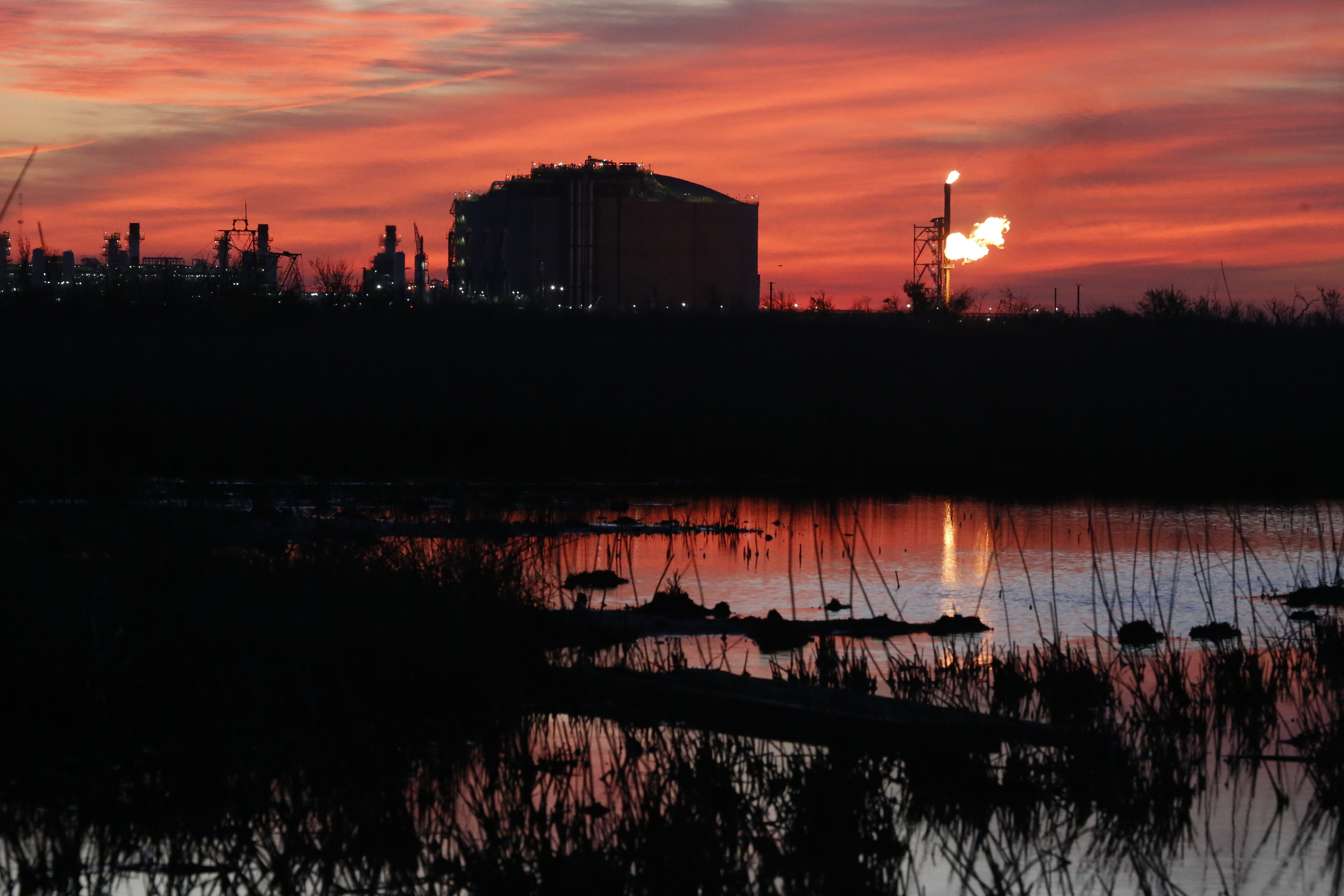
The Biden administration is considering a review that could impact the U.S. natural gas export industry, potentially weighing climate change impacts when deciding on new gas export projects. This move reflects the tension between the administration's climate goals and foreign policy interests. Environmental groups support the review, while national security concerns are raised about potential implications for U.S. diplomacy. The review could affect the credibility of Biden's climate pledges and his reelection prospects, with implications for the fossil fuel industry and U.S. energy leadership.
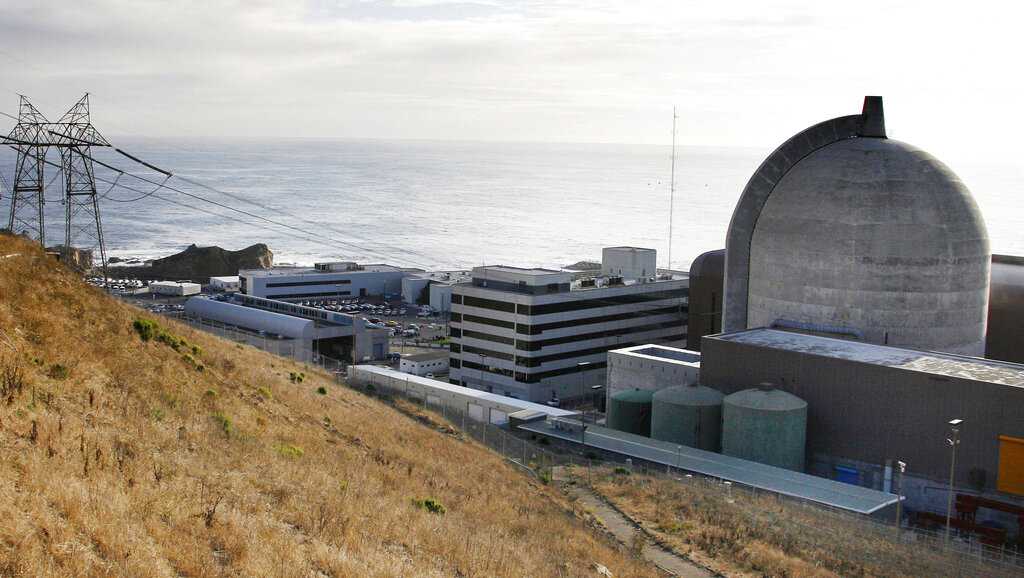
California energy regulators have voted to extend the operations of the Diablo Canyon nuclear plant for an additional five years, pushing the shutdown date to 2030 instead of 2025. The decision comes despite opposition from environmental groups. The twin reactors, which supply up to 9% of the state's electricity, have been a subject of controversy over safety concerns and the cost of continued operation. While some argue that the plant's power is necessary to prevent blackouts during California's transition to renewable energy, activists argue that the projected costs and potential risks outweigh the benefits.
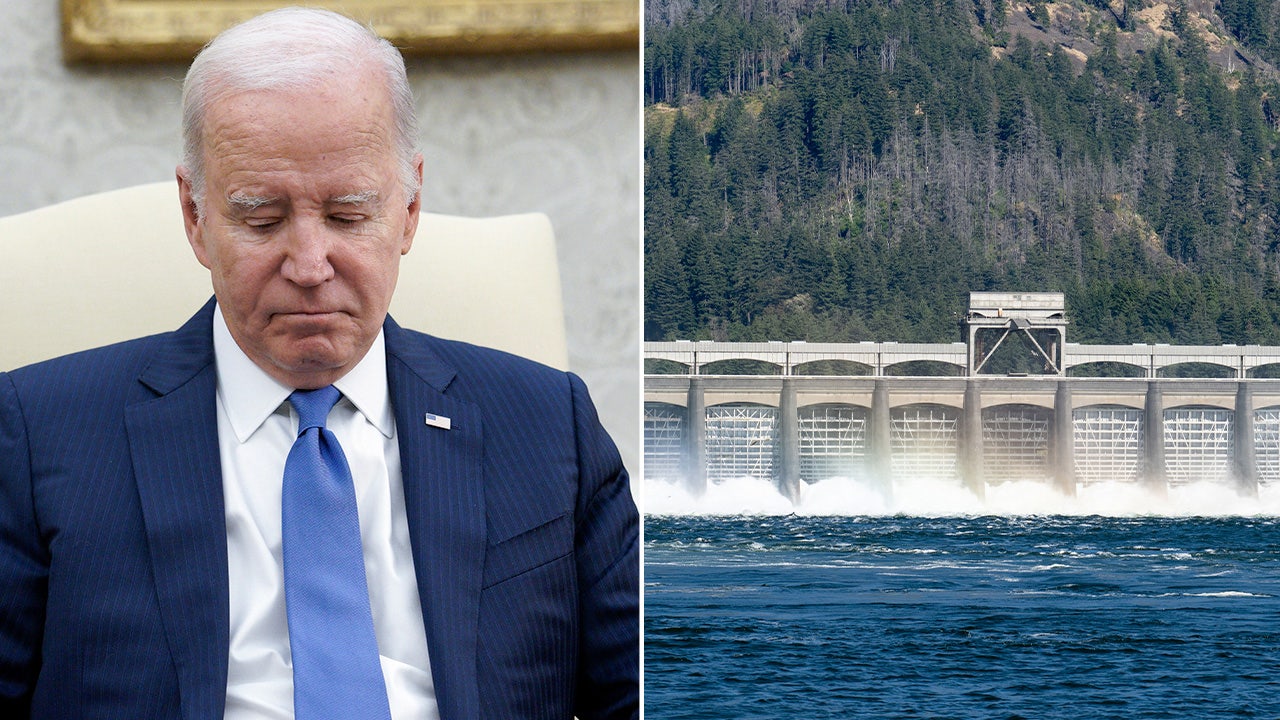
The Biden administration, in collaboration with Native American tribes and environmental organizations, has announced a plan to potentially breach four hydroelectric dams in Washington state to protect salmon populations. The federal government has entered into a legal agreement with the tribes and eco groups, staying litigation through 2028. The agreement includes $1 billion for wild fish restoration and the development of new clean energy power operated by tribes. While breaching the dams would require congressional approval, the agreement aims to replace the services provided by the dams and restore salmon populations within approximately eight years. Critics argue that the dams provide clean energy and vital services for transportation and agriculture, and removing them could have negative impacts on energy production, climate goals, and agriculture exports.
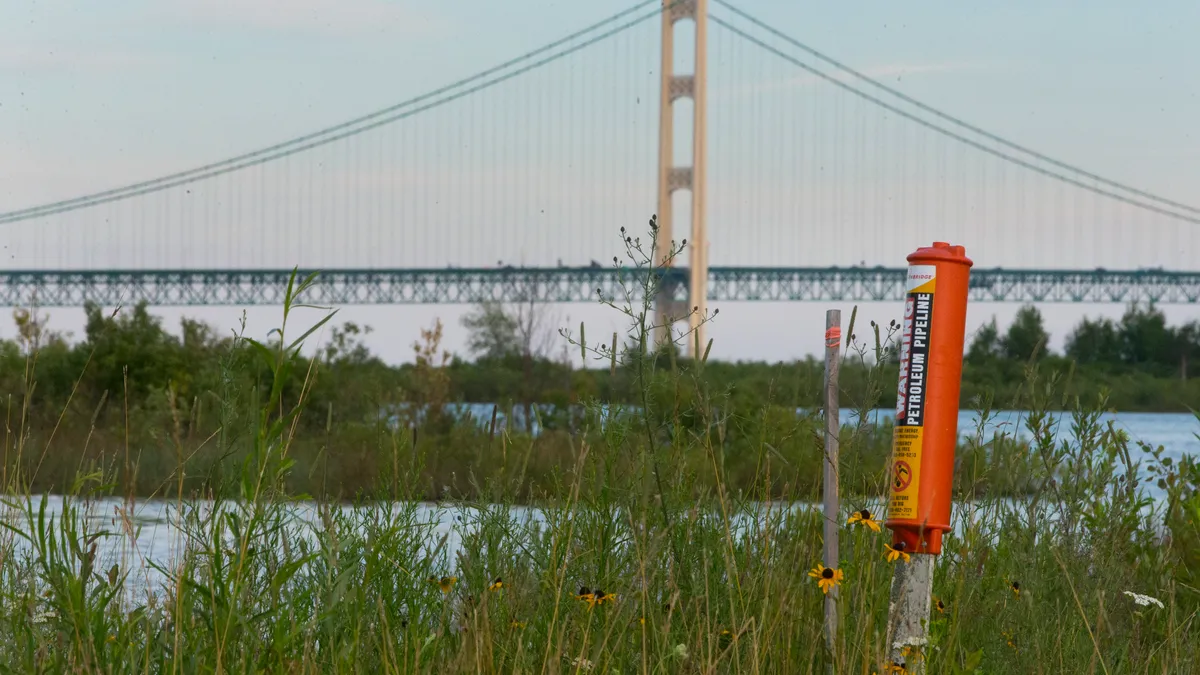
The Michigan Public Service Commission has granted a permit for Enbridge's Line 5 replacement tunnel project, which would run through the Straits of Mackinac. The approval comes after years of legal battles with tribes and environmental groups. The project aims to replace the existing pipeline with an underground tunnel, but opponents argue it poses a threat to the Great Lakes and exacerbates the climate crisis. One more permit approval is needed from the U.S. Army Corps of Engineers.
The Biden administration is reportedly developing a settlement with environmental groups advocating for the removal of four hydroelectric dams in Washington to protect salmon populations. The government has agreed to pause litigation with the plaintiffs and has developed a package of actions and commitments, the details of which remain confidential. While proponents argue that breaching the dams would restore healthy salmon runs, opponents, including House Republicans and industry groups, warn of negative impacts on energy production, climate goals, transportation, and agriculture exports. The administration aims to balance the needs of wildlife, agriculture, and clean energy in the Pacific Northwest but has faced criticism for lack of transparency in the negotiations.
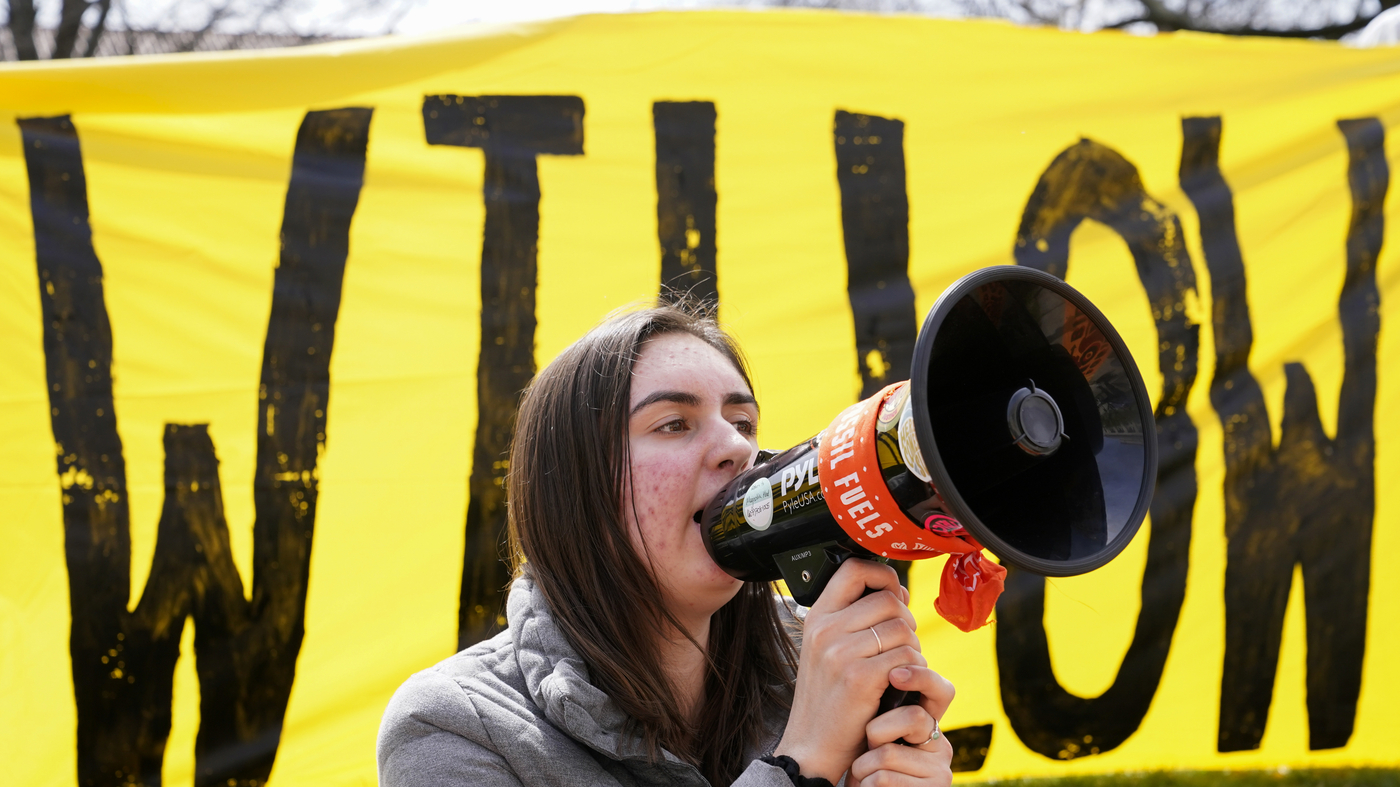
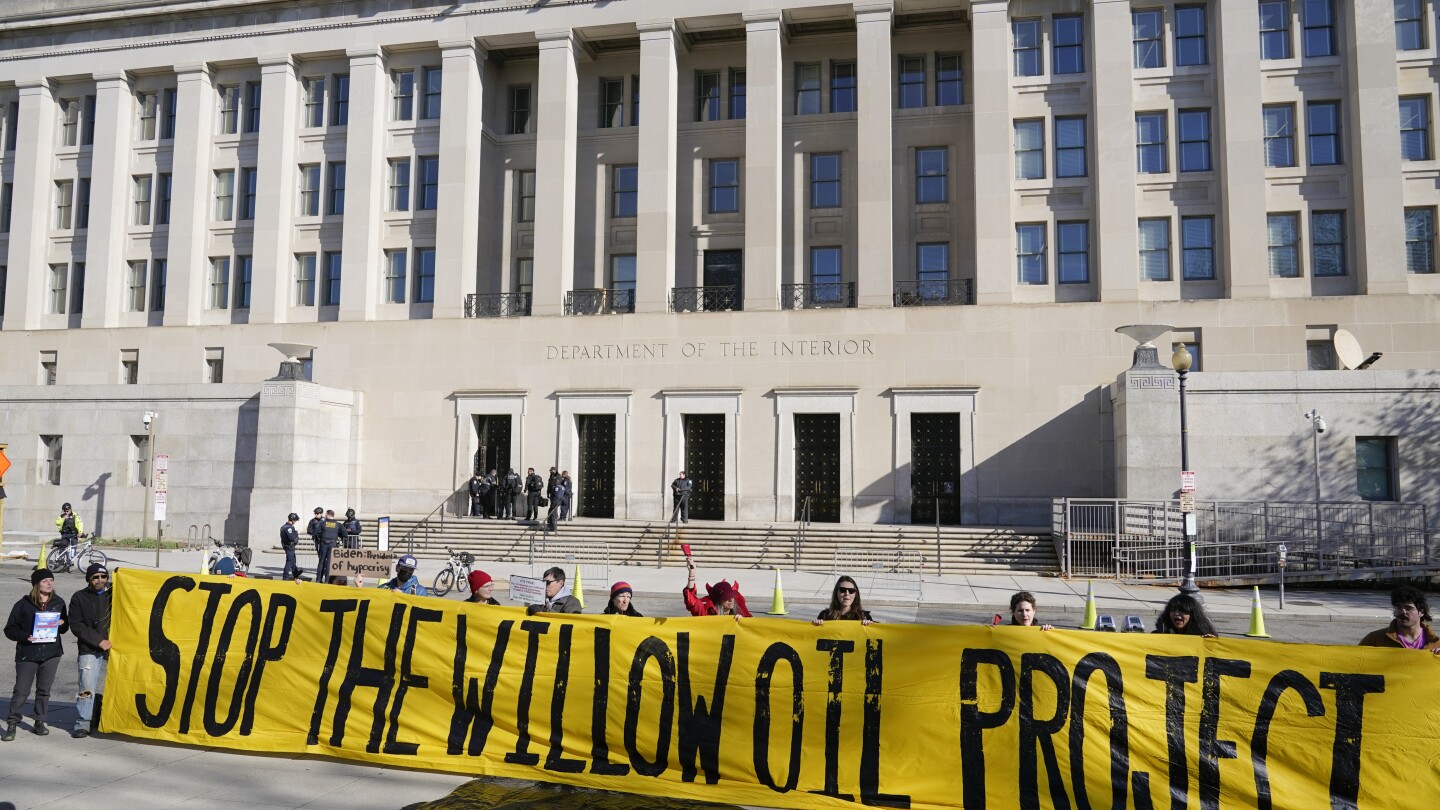
A federal judge in Anchorage has ruled that the Willow oil project in Alaska's Arctic can proceed, rejecting the claims of environmental groups who argued that the project's approval didn't adequately consider its contribution to climate change and potential harm to polar bears. The decision removes one of the last obstacles to the project, which would be the largest oil development on federal land in decades. Environmental groups plan to appeal the ruling. The project has gained national attention and faced opposition from climate activists, who argue that it contradicts President Biden's commitments to tackle climate change. ConocoPhillips, the company behind the project, emphasizes the economic benefits and its efforts to limit environmental impact. Some Alaska Native groups have joined conservationists in opposing the project, while others support it for the potential economic benefits. The Biden administration has proposed new rules to limit future oil and gas development in other parts of the region.
A federal judge has upheld the Biden administration's approval of the Willow oil-drilling project in Alaska's National Petroleum Reserve. Environmental groups plan to appeal the decision, arguing that the project will contribute to greenhouse gas emissions and harm ice-reliant species. The project, proposed by ConocoPhillips Alaska, could produce up to 180,000 barrels of oil per day and generate significant greenhouse gas emissions over its projected 30-year lifespan. The approval of the project has drawn criticism from climate activists who see it as a breach of President Biden's promise to stop new oil drilling on federal lands.
Environmental organizations, including the Natural Resources Defense Council (NRDC), the Sierra Club, Defenders of Wildlife, and the Environmental Working Group, are facing financial problems as donor contributions shift towards climate change initiatives. As a result, programs focused on toxic chemicals, radioactive contamination, and wildlife protection are being cut. The NRDC is shutting down its nuclear safety and cleanup program, while other organizations are also facing layoffs and budget deficits. The shift in funding reflects a growing emphasis on climate change as a top priority, but there are concerns about the immediate threats posed by toxins and the acceptance of nuclear energy as a clean source of electricity.