Bed Bath & Beyond announced it will not open new stores in California due to the state's overregulated and costly business environment, despite efforts to stage a comeback after bankruptcy, with plans to expand in other states and continue online sales.
Rubio's Coastal Grill has closed 48 underperforming restaurants in California, citing the state's new $20 minimum wage and rising operational costs. The chain has struggled with declining sales since 2017, exacerbated by the pandemic and subsequent economic challenges. The closures are part of a strategic plan to position the company for long-term success.
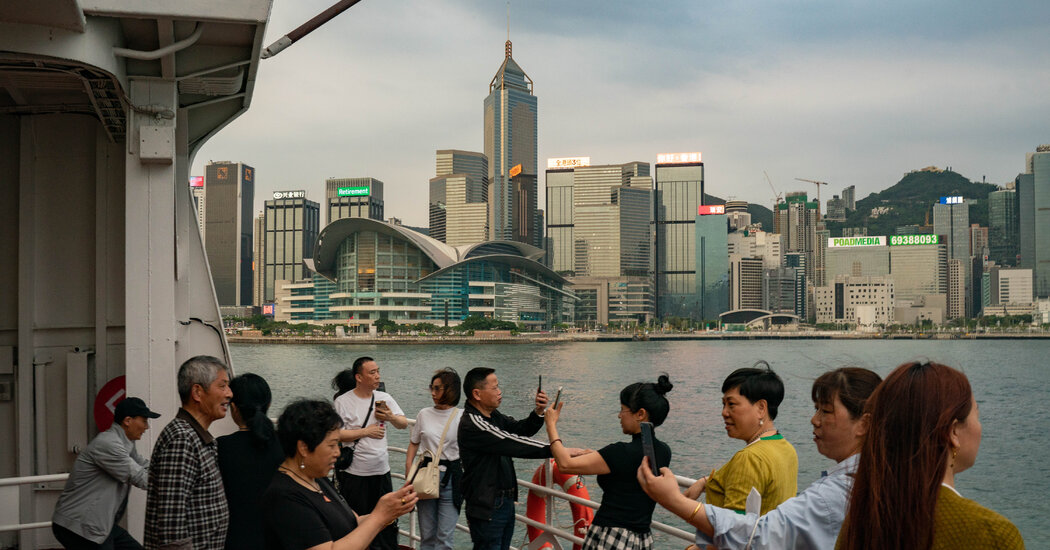
Hong Kong's business environment is increasingly influenced by Beijing's politics, with companies facing risks of political repercussions. The city's autonomy has been eroded by a national security law imposed by Beijing in 2020 and additional legislation, leading to legal and regulatory changes that align more closely with mainland China. This shift is affecting professionals and businesses, contributing to economic challenges and a less vibrant economy.
U.S. Treasury Secretary Janet Yellen visited Chile and predicted a significant increase in U.S. imports of lithium from the country, emphasizing the importance of clean energy and the green transition. Yellen highlighted the potential for $3 trillion in global investment opportunities through 2050 and expressed the U.S.'s interest in expanding domestic production of critical minerals like lithium. She emphasized the benefits of strengthening ties with Chile, the world's largest copper producer and second largest lithium producer, and discussed the potential for expanded trade flows between the two countries.
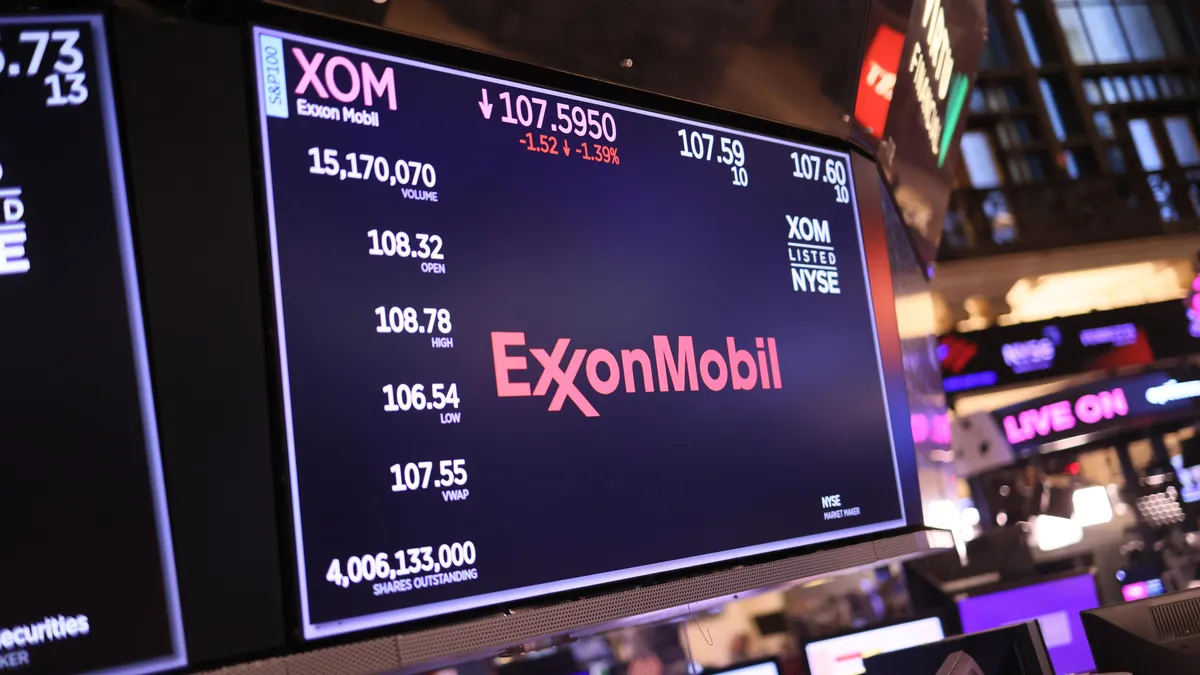
ExxonMobil is suing investors who repeatedly file shareholder proposals urging the company to reduce pollution and address climate change, claiming that the investors are abusing the system. The lawsuit reflects growing tensions between corporations and activist investors pushing for stronger climate action. While ExxonMobil insists the case is not about climate change, critics argue that it's part of a broader effort to limit shareholder activism on social and environmental issues. The lawsuit comes amid increasing pressure on companies to take more aggressive climate strategies as global temperatures continue to rise, and as corporations face lawsuits from states and municipalities over their contributions to climate change.
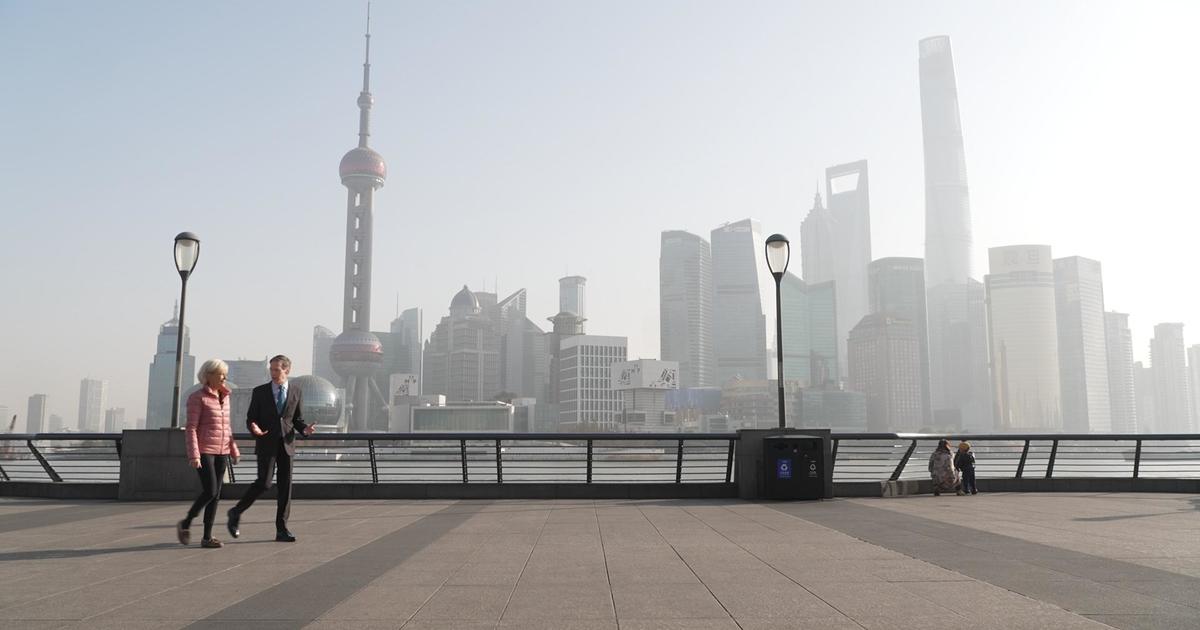
American investors are becoming wary of China's business environment due to intellectual property theft, expanded espionage law, and a slowing economy. U.S. Ambassador to China Nicholas Burns highlighted concerns about more money leaving China than coming in from American, Japanese, European, and Korean investors. The Chinese economy is facing challenges such as slowing export growth, high debt, and youth unemployment. President Xi's government tactics, including raiding American companies and passing a broad counter-espionage law, have left many American businesses uncertain about the future in China. Despite this, some American companies are still expanding their operations in China, while others are considering moving to alternative markets like Singapore, Vietnam, and Mexico.
Barclays announces it will no longer directly fund new oil and gas projects and will restrict lending to energy businesses looking to expand fossil fuel production, following mounting pressure to curb its support for the sector. The banking giant's move was welcomed by environmental groups, but criticized for not going far enough, as it still allows loopholes for certain fossil fuel activities. This decision aligns with similar commitments made by other European banks, and comes as Barclays faces increasing scrutiny over its funding of the fossil fuel industry.
ExxonMobil and Chevron reported near-record profits and paid out a combined $58.7 billion to shareholders in 2023, despite plans to spend less on climate solutions. The companies' actions have drawn criticism for prioritizing shareholder rewards over investing in clean energy, especially as their planned mergers are expected to spike greenhouse gas emissions by over 20% in 2024. Environmental groups have condemned the companies for their impact on climate change and local communities, calling for a shift away from fossil fuels and accountability for environmental damage.
ExxonMobil is suing activist investor groups in federal court over a shareholder proposal that would require the company to take responsibility for the greenhouse gas emissions produced by its products' end users. The lawsuit comes after years of similar proposals being voted down by shareholders, and ExxonMobil argues that the groups' climate goals prioritize over its ability to make money. The activist investor groups, however, believe that time is running out to address climate change and are prepared to fight for emissions reduction targets.
ExxonMobil has filed a lawsuit to block a vote on a climate resolution brought by a Dutch green activist investor group, arguing that the proposal violates SEC investor petition rules. The move is being closely watched by other oil and gas companies and green groups as environmental campaigners attempt to hold fossil fuel companies accountable for their emissions. The lawsuit comes ahead of ExxonMobil's annual meeting in May, and follows a similar resolution facing Shell. ExxonMobil's UK subsidiary, Esso Petroleum Company, saw a surge in pre-tax profits and turnover, driven by economic recovery post-Covid, despite an increase in gross emissions.
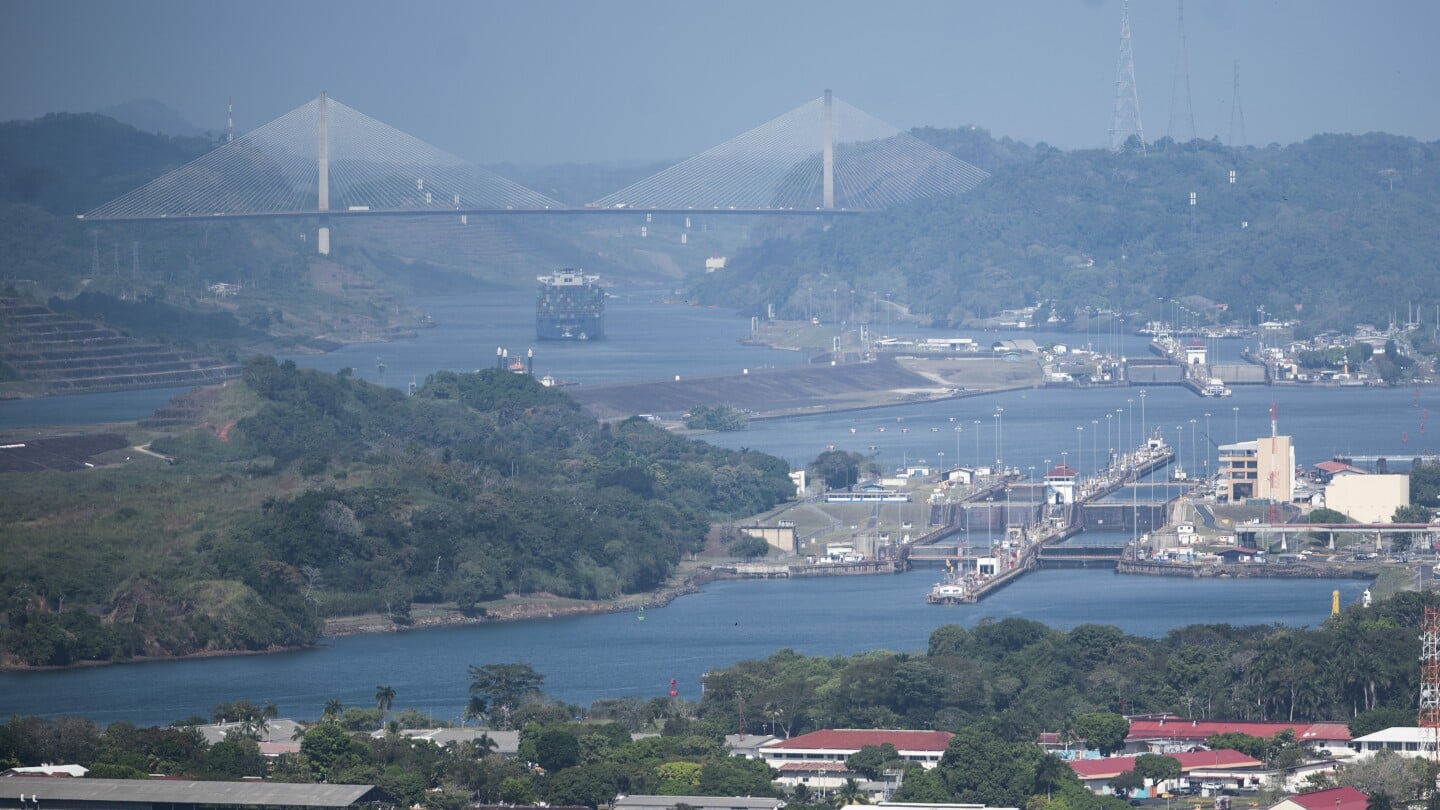
A severe drought in Panama has led to a 36% reduction in ship crossings through the Panama Canal, potentially costing between $500 million and $700 million in 2024. The drought has caused chaos in the important trade route, raising concerns about its impact on global trade and prompting calls for more efficient water management and new water sources. The disruption comes at a time when attacks on commercial ships in the Red Sea have already rerouted vessels, further affecting global trade.
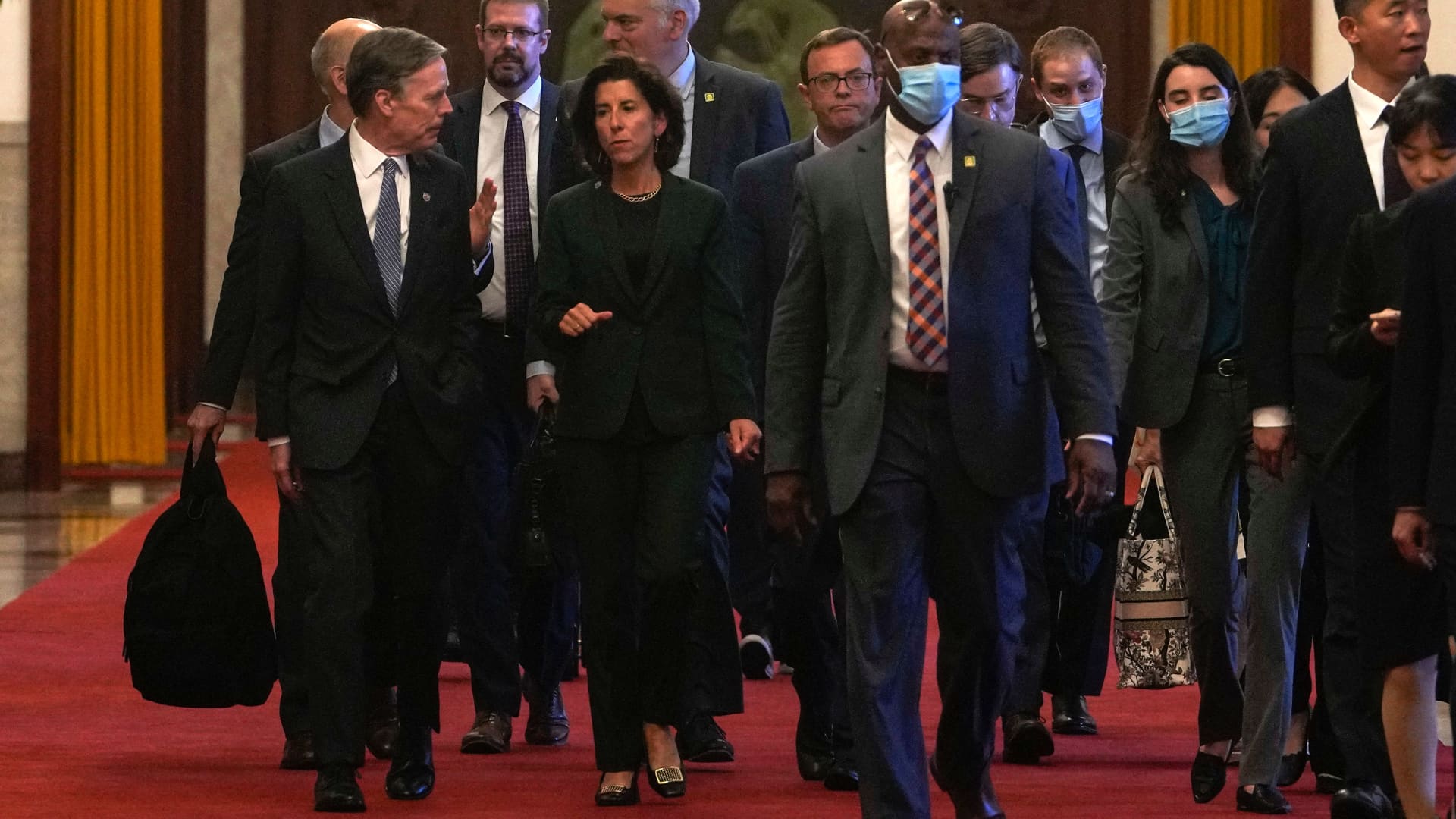
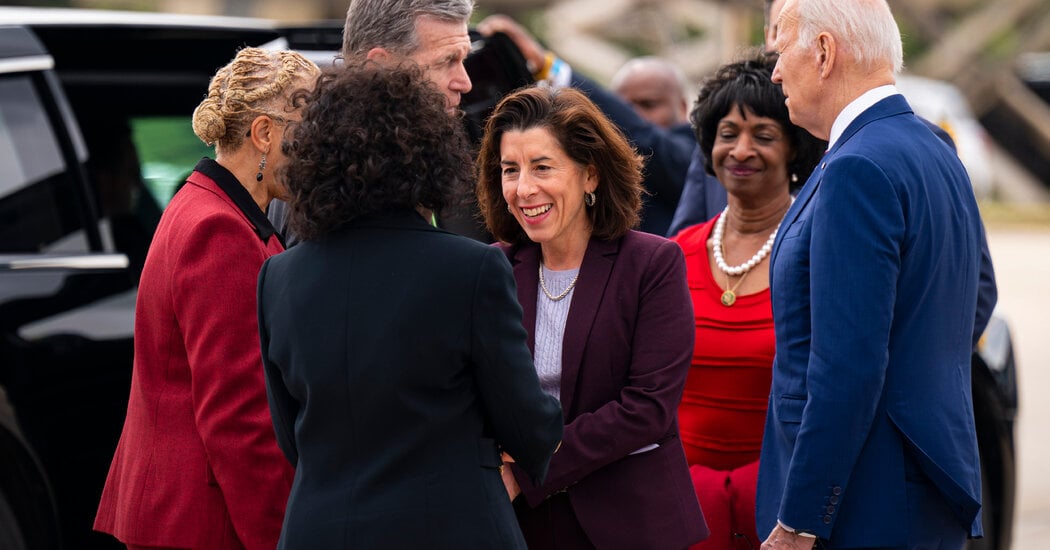
U.S. Commerce Secretary Gina Raimondo has urged China to provide more predictability and a level playing field for American businesses operating in the country. Raimondo emphasized the need for due process and a fair business environment during her visit to China, where she met with government officials in Beijing and Shanghai. She highlighted concerns about forced tech transfers, preferential treatment for local companies, and the potential national security risks associated with advanced technology. Raimondo called for concrete actions from China to create a more predictable business environment and build confidence in bilateral trade relations. Both countries recently agreed to establish regular communication channels on commerce, export controls, and protecting trade secrets.
U.S. Secretary of Commerce, Gina Raimondo, is visiting China to address a range of issues in the U.S.-China relationship, including trade restrictions on advanced technology, concerns about the business environment for foreign firms, promoting commercial ties, and improving government communication. Raimondo aims to emphasize that U.S. trade restrictions are for domestic security purposes and not to hinder China's economy. The visit comes at a critical time as relations between the two countries are strained and China's economy is slowing.
Foreign companies are increasingly pulling investments and operations out of China due to government rules for foreign businesses, a slowing economy, rising operating costs, government protections for Chinese companies, and a lack of action on promised reforms. About 66 percent of the 570 companies that took part in the European Chamber’s research said they felt doing business in China had become more difficult. One in 10 companies said they had pulled investments out of China, and another one in five said they were delaying or considering moving their investments.
US and other Western companies in China are facing an unpredictable business climate due to recent raids on international consulting firms and other actions by Chinese authorities, which have undermined Beijing's reputation as an increasingly unpredictable regime that poses growing risks for foreign commerce and investment. The deteriorating relationship between the US and China is the biggest concern for US companies in China, with 87% of respondents expressing a negative outlook in a recent survey. While China is still a major focus for US businesses, it is no longer seen as a top-three investment market by a majority of US companies.