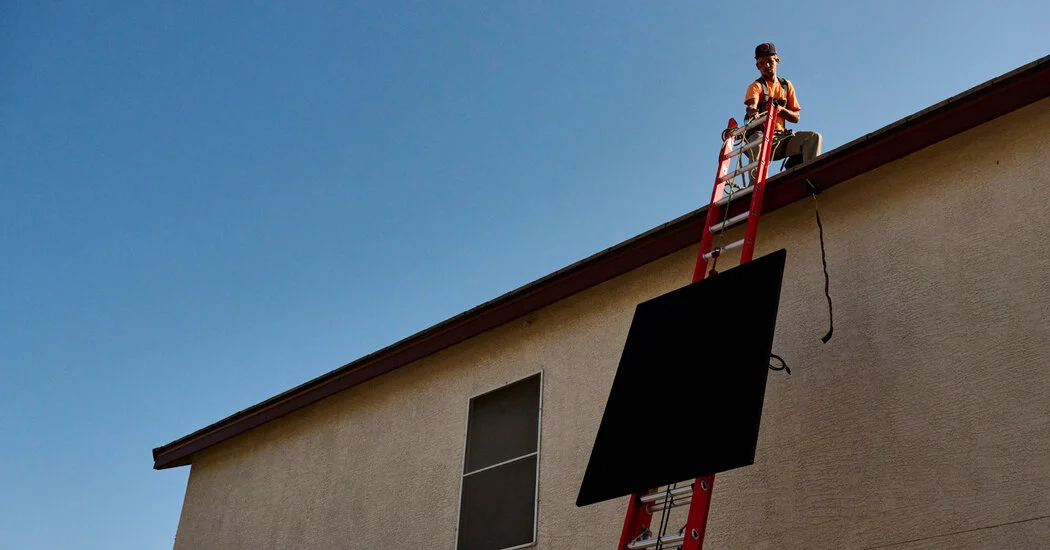
A coalition of groups sued the EPA over its illegal revocation of $7 billion in grants intended for low- and moderate-income solar installations, expanding legal battles over climate funding under the Biden administration.
The Trump administration has canceled nearly $8 billion in climate-related funding primarily allocated to Democratic-controlled states, amid broader federal funding freezes and political disputes, as part of its efforts to oppose the climate agenda.
Facing a projected $37.9 billion budget deficit, California Governor Gavin Newsom has proposed cutting the state's climate funding by about 7% compared to last year's budget, spreading the reduced funds over seven years. The plan includes delays in spending on zero emission cars and trucks, as well as cuts and delays in clean energy, wildfire and forest resilience, water recycling, and coastal resilience programs. Environmental groups have criticized the proposal, expressing concerns that cutting back on state spending now would cost the state more in the long run.
The United Nations climate negotiations in Dubai will focus on the funding shortfall for climate change initiatives, particularly in developing countries. The current pledge of $100 billion per year by 2025 is inadequate, and talks are underway to establish a new funding target. Developing countries need significantly more money to adapt to the effects of climate change, with estimates suggesting they require at least 10 times the current funding. The World Bank and International Monetary Fund are being urged to play a larger role in channeling funds to vulnerable nations, while debt relief is seen as a critical way to free up resources for climate investments. Efforts are also underway to overhaul the global financial system to better support climate action.
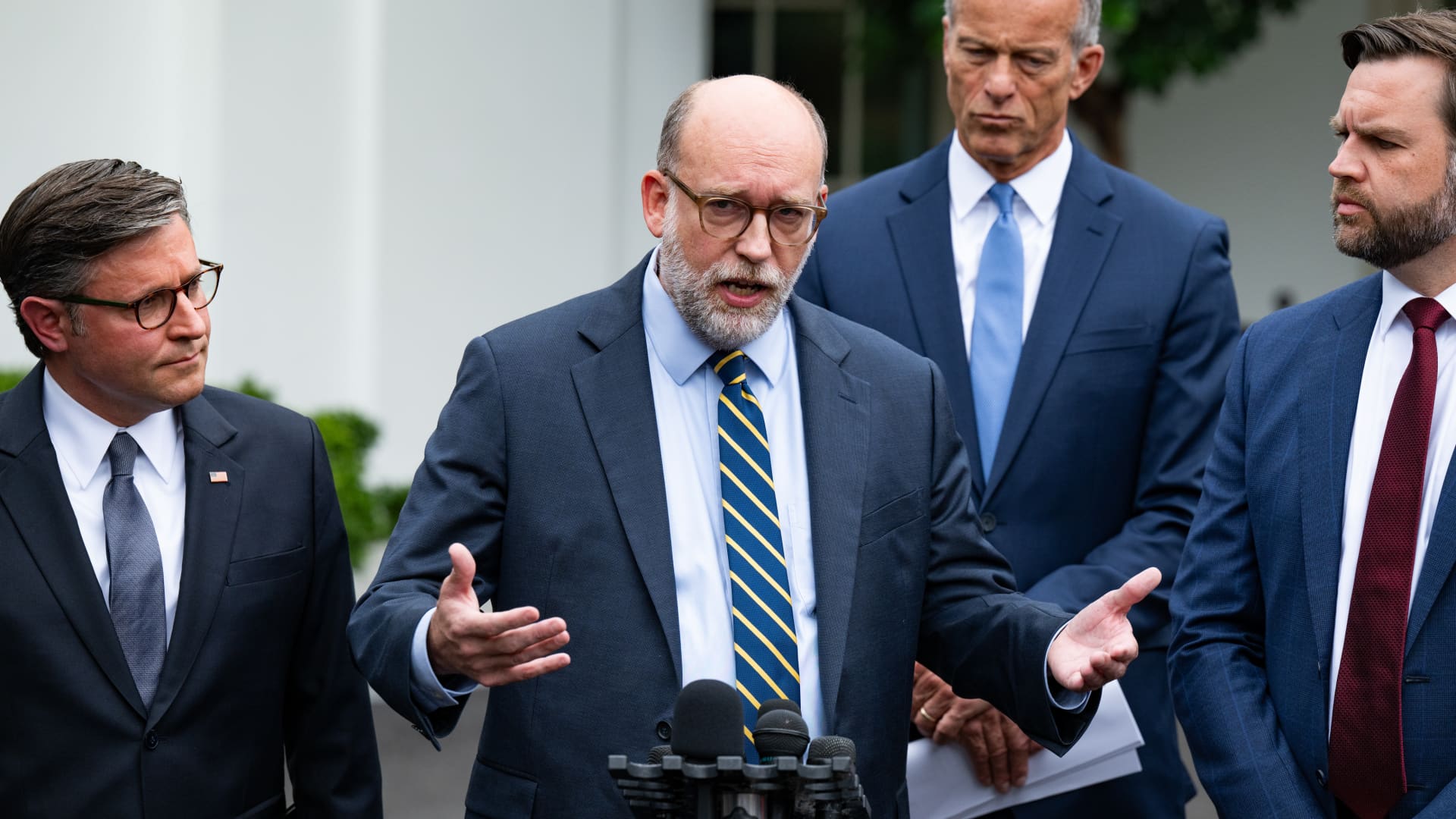
House Republicans, led by Speaker Mike Johnson, have passed a $58 billion legislation that cuts billions of dollars in consumer rebates for energy efficiency upgrades included in President Joe Biden's climate law. The bill rescinds over $5.5 billion from the Inflation Reduction Act, including programs for homeowners to switch to more energy efficient appliances and grants to help states develop stricter building energy codes.
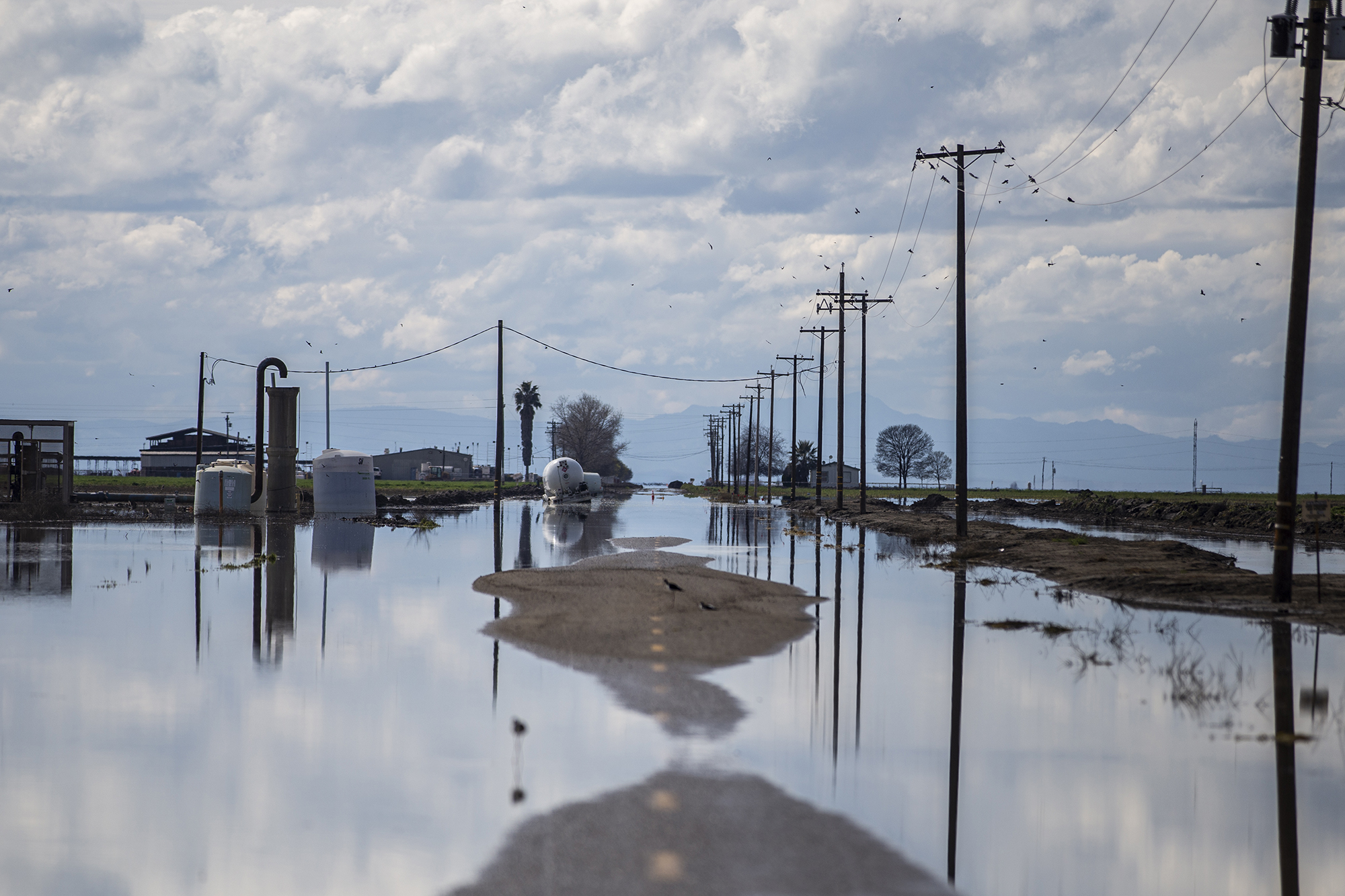
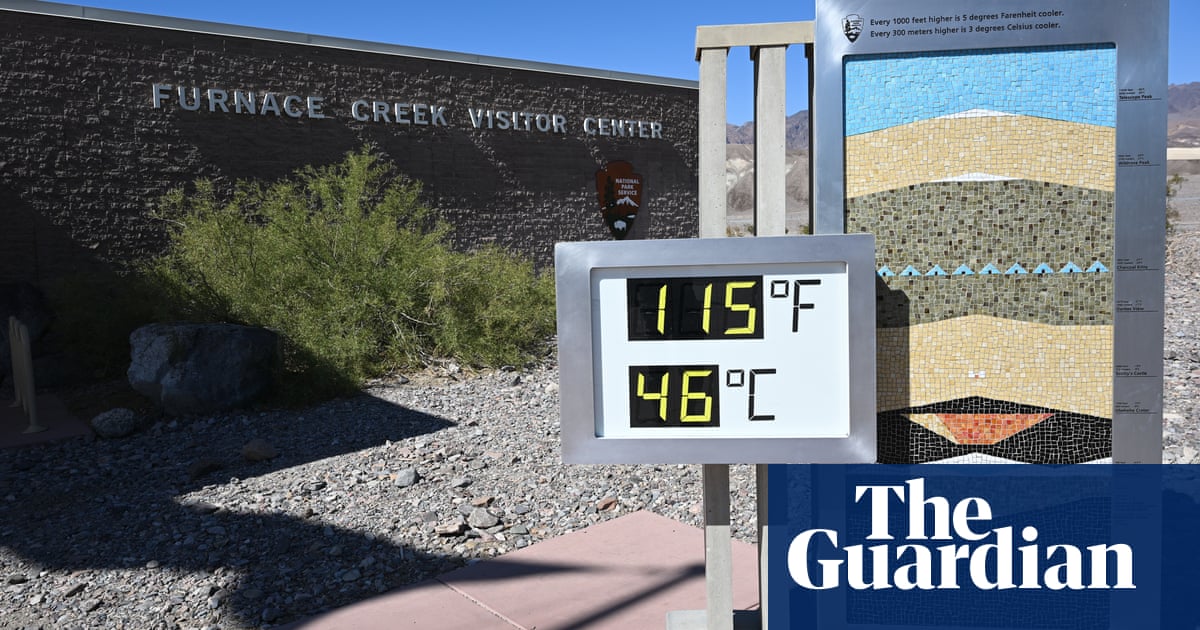
As millions of Americans suffer from extreme heatwaves and other climate-related disasters, US Republicans are opposing climate funding and measures to address the climate crisis. Republican lawmakers are attempting to block spending provisions focused on climate resilience and environmental justice efforts, including funding for scientific agencies like NASA. House Republicans are also slipping anti-climate provisions into spending bill drafts, aiming to block renewable energy funding and impede federal efforts to tackle the climate crisis. Environmental advocates criticize these actions, highlighting the devastating impact on communities and the lack of support at the federal level.
Oxfam has revealed that the G7 countries owe low and middle-income nations $13.3tn in unpaid aid and funding for climate action. The charity is calling on G7 governments to cancel the debt of low and middle-income countries that need it, fulfil their aid commitments and bring in new taxes on rich individuals and corporations. Developing countries say that they need support from rich nations otherwise they can’t cut carbon emissions.