South Korea aims to establish a lunar base by 2045, building on its current lunar exploration efforts including the successful deployment of the Danuri orbiter and plans for future lunar landers and resource extraction technologies, with broader ambitions of Mars exploration.
Scientists have developed a new technique to extract water and produce fuel from lunar soil, potentially enabling sustainable lunar bases by reducing the need to transport resources from Earth, using solar energy to power the process. While successful in the lab, further research is needed to address challenges of applying this technology on the Moon's surface.
Chinese scientists are developing a method to construct a lunar base using bricks made from lunar soil, aiming to reduce the high costs of transporting materials to the moon. The Tianzhou 8 mission has delivered test bricks made from simulated lunar soil to China's Tiangong space station, where they will be exposed to space conditions for three years. This initiative is part of China's broader plan to establish a moon base, with the Chang'e 8 mission set to test 3D-printing techniques on the lunar surface in 2028.
China is advancing its lunar ambitions by testing the feasibility of constructing a Moon base using bricks made from lunar soil. A cargo rocket has delivered brick samples to the Tiangong space station for exposure tests, aiming to assess their durability in harsh lunar conditions. This initiative is part of China's plan to establish a permanent Moon base by 2035, leveraging local resources to reduce costs. The project is a joint effort with Russia and involves multiple international partners, while similar efforts are underway by the US and Europe.
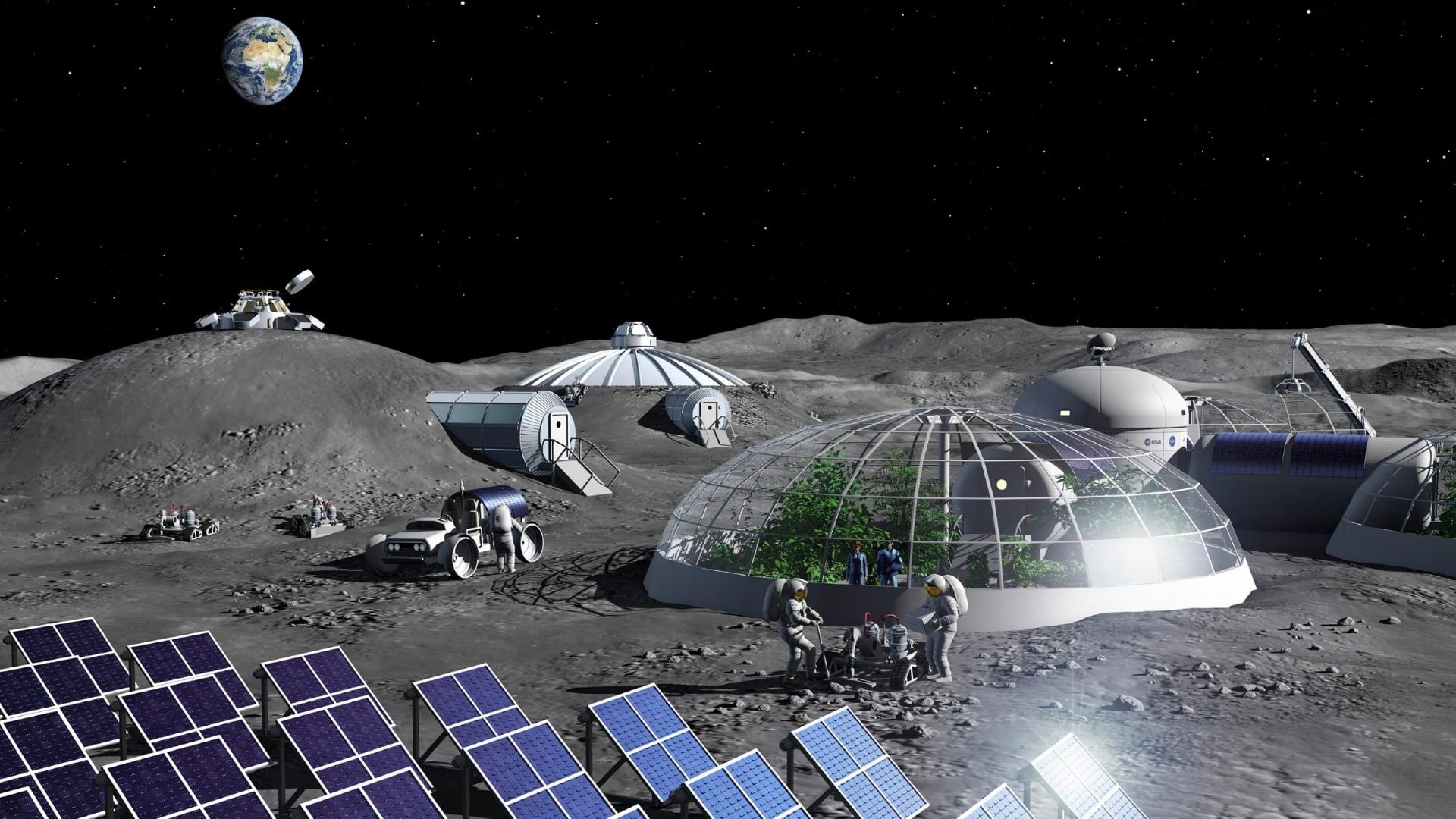
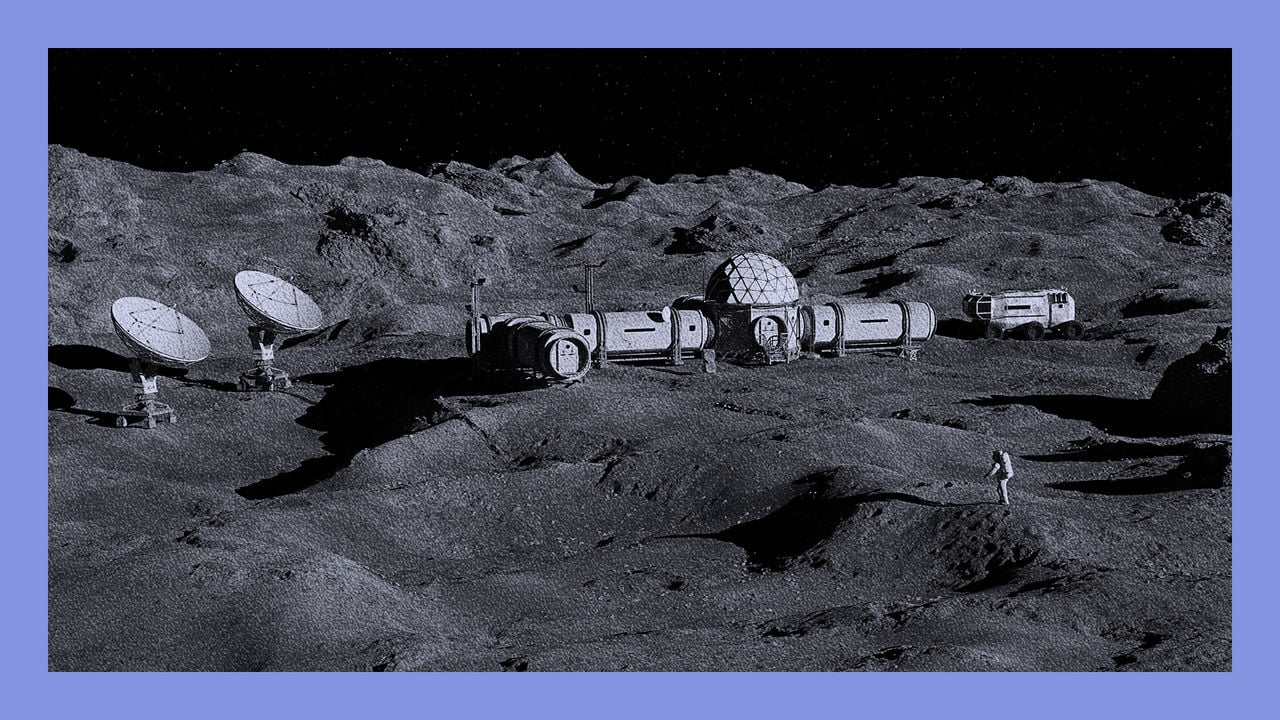
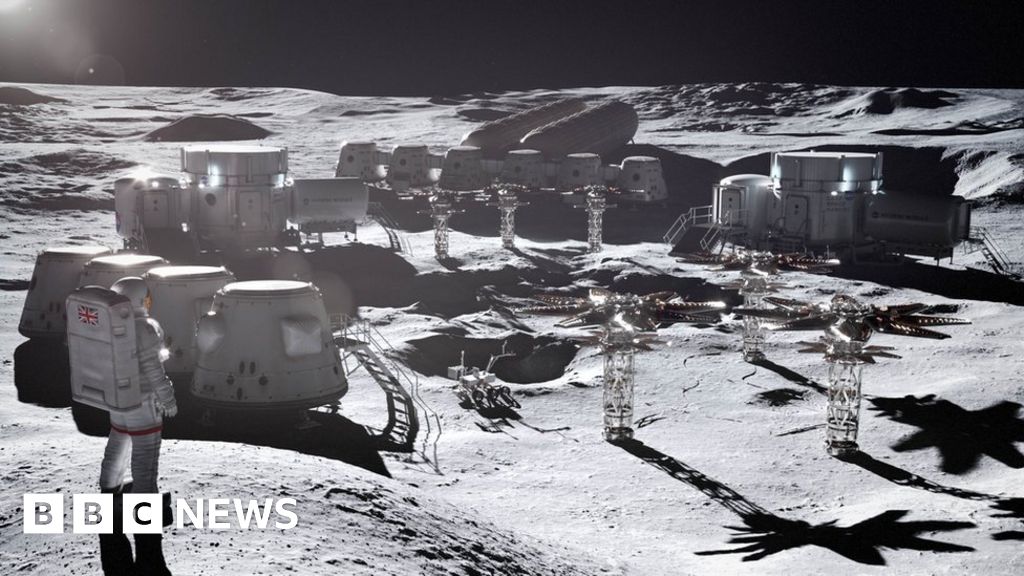
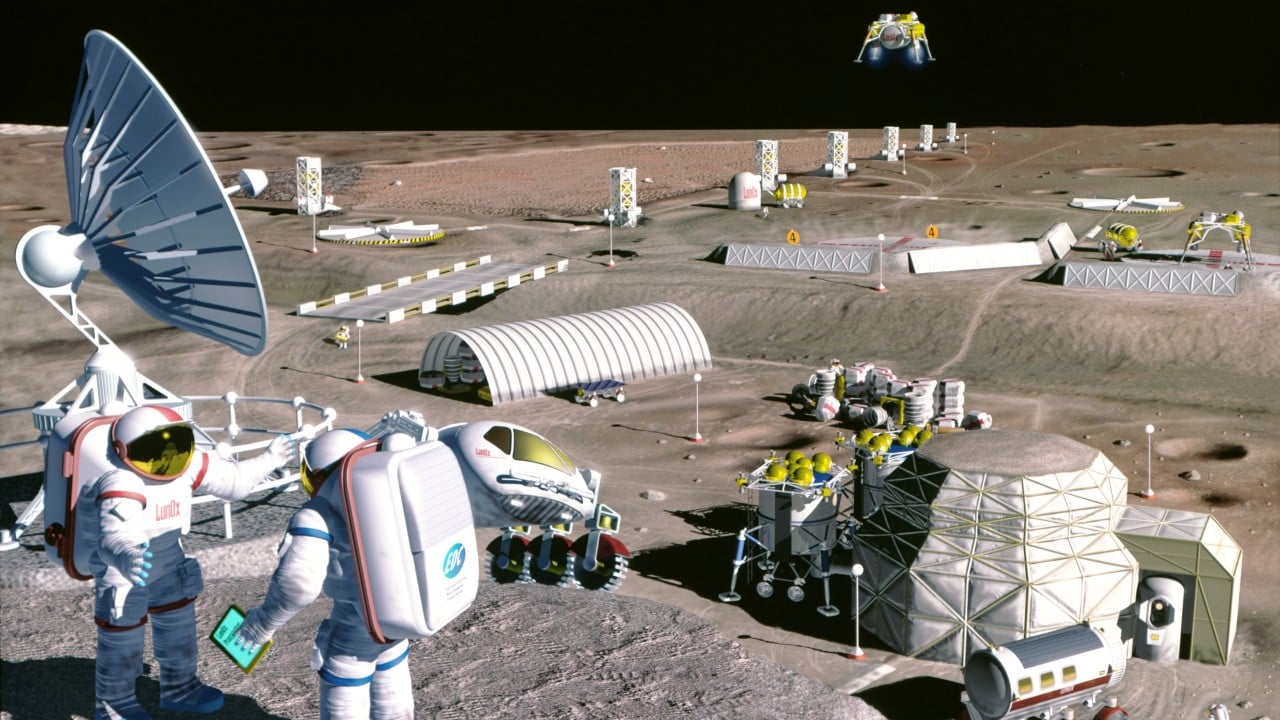
November in space exploration featured captivating visuals, including images of SpaceX's Starship during stage separation, the ISS crew lock bag lost in space, the Martian horizon captured by NASA's Odyssey orbiter, NASA's Lucy spacecraft discovering a contact binary moon orbiting an asteroid, the complete Tiangong space station, Sierra Space's Dream Chaser spaceplane, an artistic rendering of a future Moon base, Blue Origin's New Glenn rocket, astronauts capturing an image of Turkey's Nemrut volcano, Firefly Aerospace's metal mission patch, NASA's Advanced Electric Propulsion System, a full-scale rehearsal of the Ariane 6 rocket, and the passing of NASA astronaut Frank Borman, who played a vital role in advancing human space exploration.
In the first episode of The Weekend Intelligence podcast, The Economist contributor Jessica Camille Aguirre explores the concept of living on the Moon. Through conversations with space architects, scientists, astronauts, and aspiring moon dwellers, she uncovers the blueprint for a potential moon base and envisions the future of humanity's evolution.
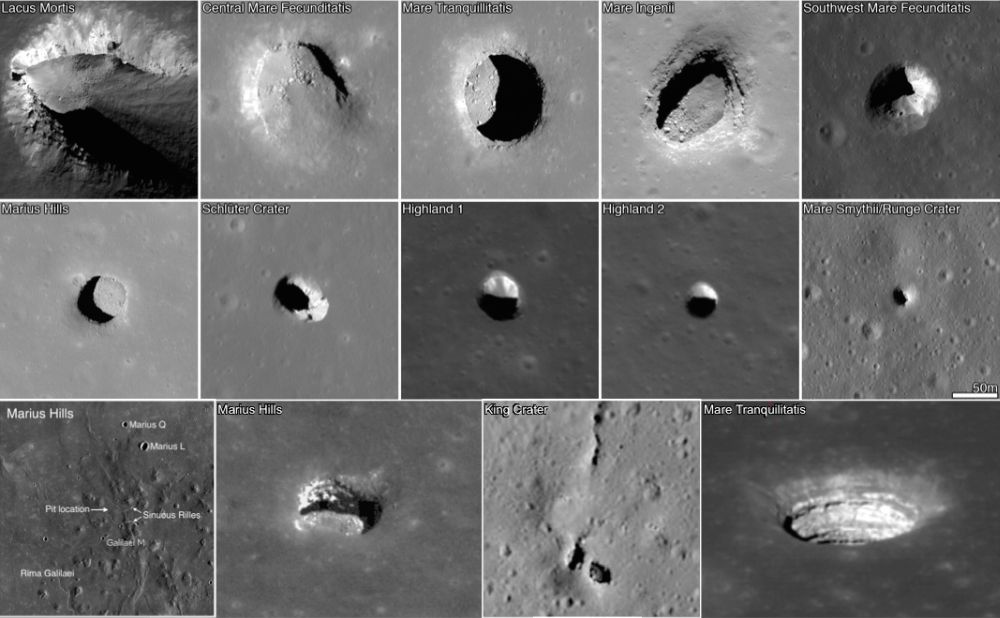
Chinese researchers are considering the idea of building a base inside a lunar lava tube on the Moon, which could provide protection for astronauts from hazards such as radiation, temperature extremes, and impact debris. Lava tubes, also known as pyroducts, are formed when lava flowing across the surface of the Moon cools and leaves behind an empty tube. China is planning to explore lunar lava tubes using robotic systems and eventually establish a crewed base inside one of these tubes. The country's space program aims to realize a manned lunar landing by 2030 and views building a lunar base as essential for space exploration and China's strategic needs as a space power.
Scientists at Bangor University have developed nuclear fuel cells, the size of poppy seeds, that could provide the energy needed to sustain life on the Moon. The cells, known as Trisofuel, could power a micro nuclear generator and be used in a portable device the size of a small car. The team hopes to fully test the fuel over the next few months and believes it could be ready for a Moon base by 2030. The university is also working on a nuclear system to power rockets, which could significantly reduce travel time to Mars.
China plans to construct a moon base using bricks of lunar soil within the next decade, with the help of advanced robotics and careful engineering. The nation has already been probing the possibility of constructing a moon base for some time, and scientists have created a prototype using 3D-printed bricks of lunar soil. The mission, titled Chang'e-8, is projected to begin before 2028, with an additional mission in the works to study the far side of the moon as well, called the Chang'e-6. The creation of the China moon base could unearth water molecules, allowing the moon to function as a refueling station for oncoming spacecraft.
China plans to construct a moon base using bricks of lunar soil with the help of advanced robotics and careful engineering. Over 100 experts have met to work out the details of the infrastructure requirements needed to build the base, which could be established before 2030. The concept of lunar bricks has been tested by scientists, who created a prototype of the projected China moon base using 3D-printed bricks of lunar soil. The mission, titled Chang'e-8, is scheduled to begin before 2028, with an additional mission in the works to study the far side of the moon as well, called the Chang'e-6.
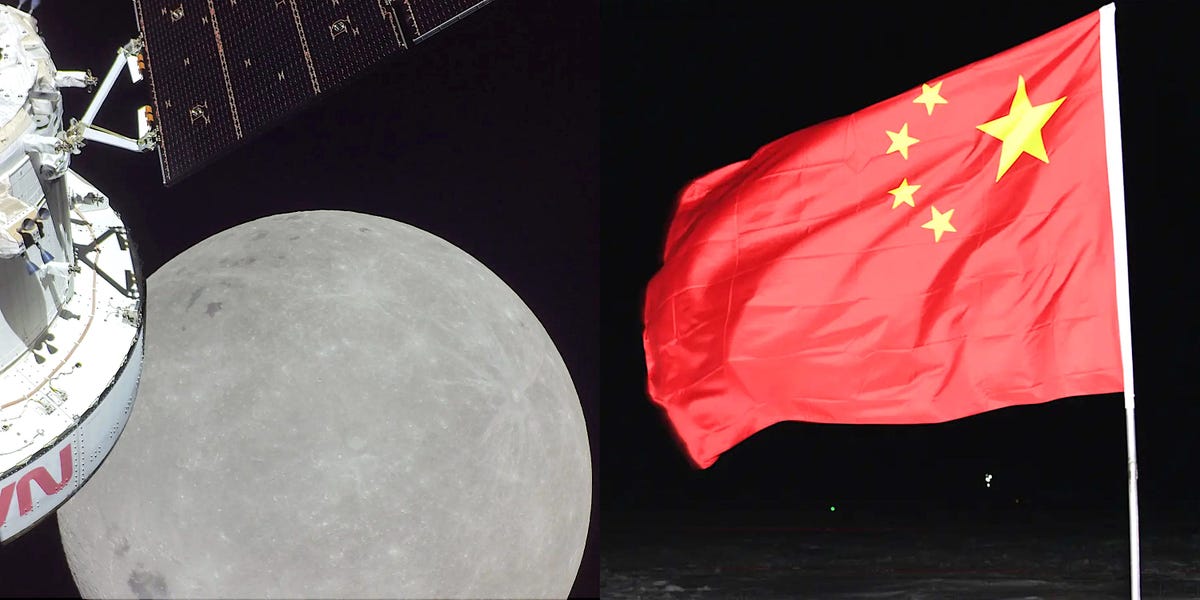
China plans to start building a lunar base using lunar soil within five years, according to Chinese media. The country has made significant progress in space exploration, including launching its own crewed space station. NASA has previously warned that China may try to claim resource-rich areas of the moon if it gets there first. China plans to use traditional Chinese building techniques to make habitats on the moon using bricks made from lunar soil. The US also plans to build a permanent base on the lunar south pole, but has not set a clear timeline for construction.
China plans to build a lunar base using lunar soil within five years, according to Chinese media. The country has made significant progress in space exploration, including launching its own crewed space station. NASA has previously warned that China may try to claim resource-rich areas of the moon if it gets there first. China plans to use traditional Chinese building techniques to make habitats on the moon using bricks made from lunar soil. NASA also plans to build a permanent base on the lunar south pole, but has not set a clear timeline for construction.
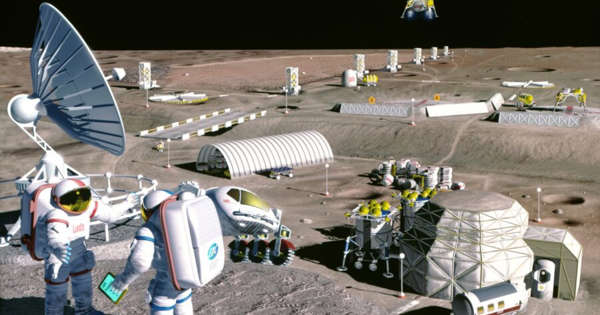
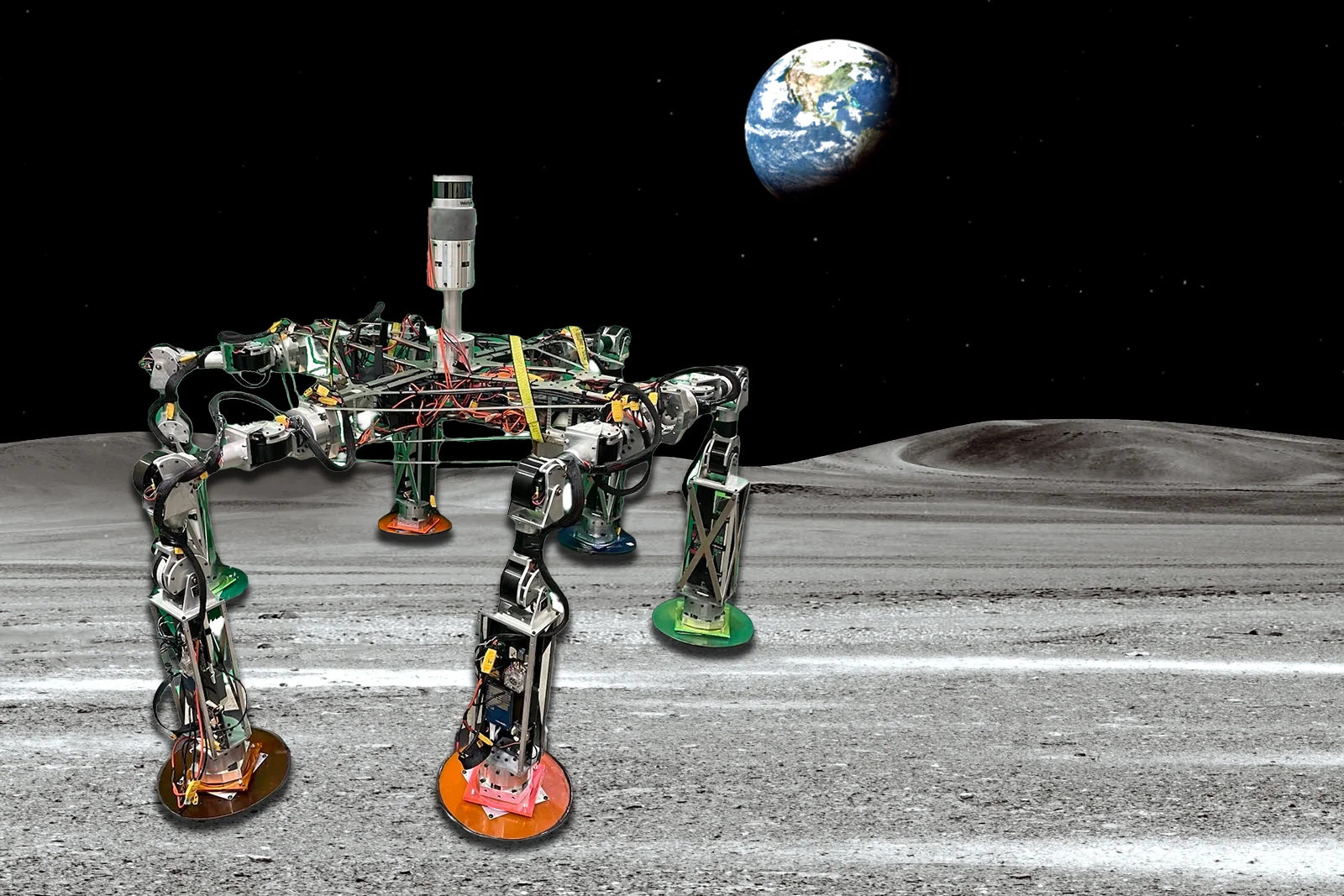
MIT engineers are designing a kit of universal robotic parts that an astronaut could easily mix and match to rapidly configure different robot “species” to fit various missions on the moon. The system’s parts include worm-inspired robotic limbs that an astronaut can easily snap onto a base, and that work together as a walking robot. The team calls the system WORMS, for the Walking Oligomeric Robotic Mobility System.