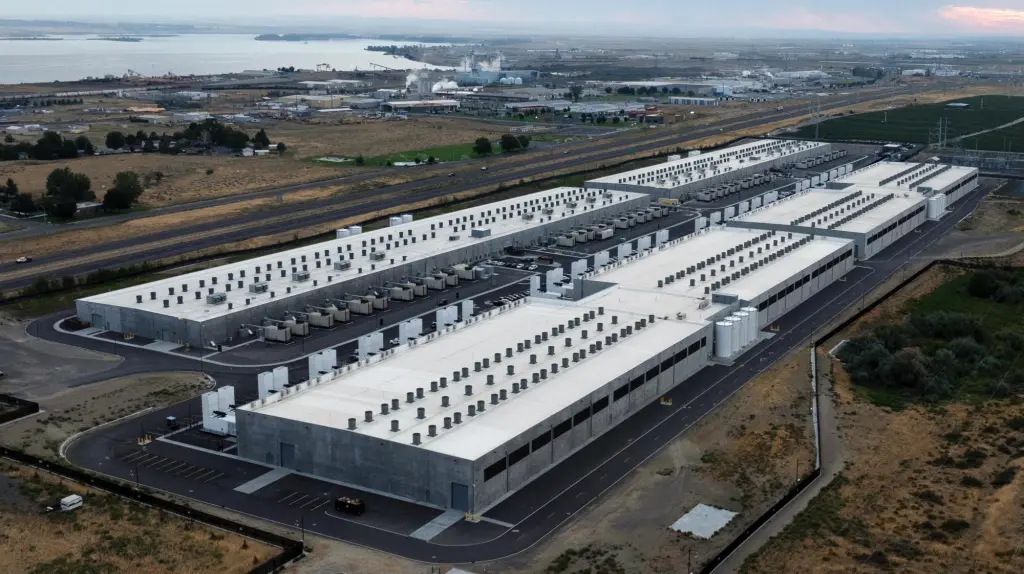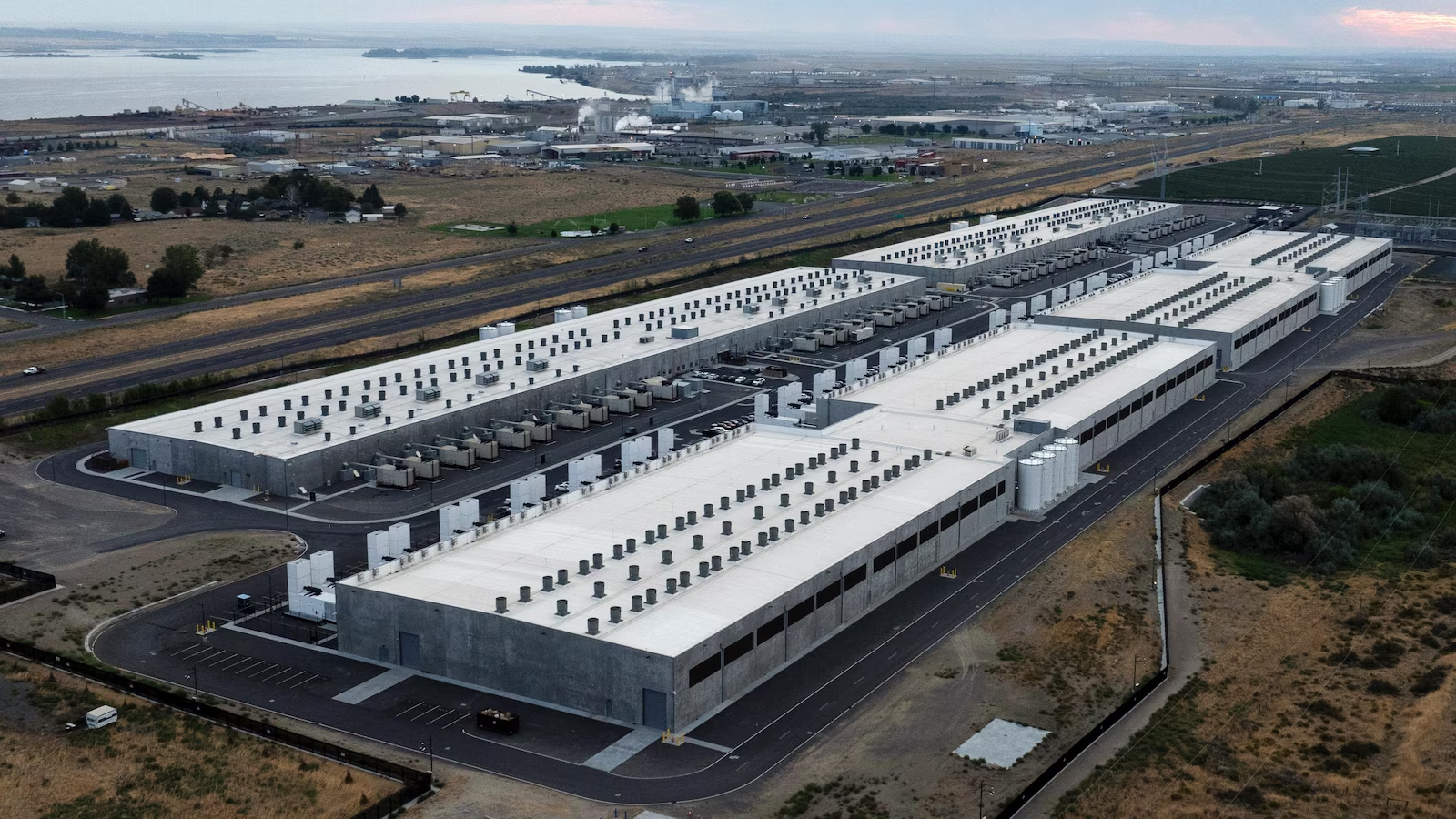
Communities across the U.S. are increasingly opposing the proliferation of large data centers due to concerns over rising electricity costs, environmental impact, and quality of life, leading to delays, cancellations, and legal battles despite the significant investments by tech giants like Microsoft, Google, and Amazon.

Voter anger over rising electricity bills, driven by demand from data centers and AI market concerns, is influencing upcoming midterm elections, with many Americans struggling with utility costs and politicians debating affordability and infrastructure investments.
Rising utility bills, driven by increased electricity costs and demand from data centers, are becoming a key issue in the 2026 U.S. midterm elections, affecting voter sentiment and policy debates across several states.
Data shows US electricity bills increased by 11% during Trump's second term, contrary to his promises to cut energy costs, due to policies favoring fossil fuels and reducing renewable energy projects, leading to higher costs and job losses in the clean energy sector.
Households across the U.S. are facing rising electricity bills due to significant utility rate increases, with over $34 billion in rate hike requests in 2025, leading to economic hardship and becoming a key political issue ahead of upcoming elections.
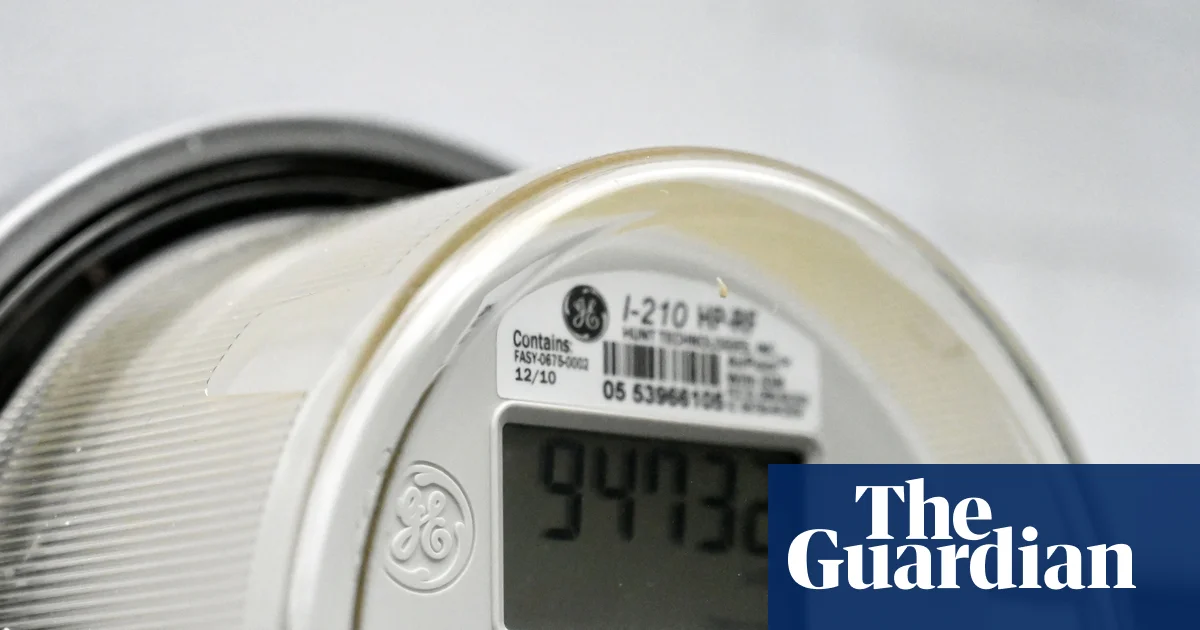
Rising electricity bills are partly driven by increased demand from the AI industry, which requires significant power for data centers and advanced computing, alongside infrastructure upgrades and climate-related grid maintenance, leading to higher costs for consumers.
Electricity bills in Chicago are rising partly due to increased demand from data centers supporting AI services, with prices expected to continue climbing as data center growth accelerates and utilities explore new rate structures to manage the demand. The surge in AI-related data processing requires significant power, contributing to higher costs for consumers and impacting the regional energy market.
Since Donald Trump re-entered the White House, household electricity bills in the US have increased by 10%, driven by tariffs, cuts to renewable energy projects, and increased energy demand, with critics blaming policies favoring fossil fuels over renewables for the rising costs.
The surge in electricity bills across the U.S. is driven by factors such as the rise of energy-intensive AI data centers, increased LNG exports raising fuel costs, extreme heat waves stressing the grid, aging infrastructure, and policy delays in expanding capacity. Regions with abundant local resources like nuclear and hydro power, such as Phoenix and Idaho, are less affected, highlighting the importance of resource diversity and modernization for stable prices. The trend suggests higher bills are becoming a new normal unless significant grid and policy reforms are made.
Rising electricity bills are increasingly linked to the energy demands of data centers operated by major tech companies, prompting states to consider policies to ensure these companies pay a fair share of the costs, amid concerns that regular consumers are subsidizing the energy needs of Big Tech.
States are examining the impact of data centers on household electricity bills amid rising costs, with some pushing for data centers to pay higher local transmission fees to prevent ratepayer subsidies, as the energy demands of Big Tech grow and influence power infrastructure and costs.
Rising electricity bills are increasingly linked to the energy demands of data centers operated by major tech companies, prompting states to consider higher charges and regulatory changes to ensure these corporations contribute fairly to infrastructure costs, amid broader concerns about the impact on ratepayers and the energy grid.
Lawmakers in Washington state warn that due to federal spending cuts on renewable energy projects, electricity rates are expected to rise significantly over the next decade, with potential risks of blackouts during hot spells as local capacity struggles to meet demand.
New Jersey's four major electric companies will temporarily reduce customer bills by $60 during the summer months to help with high energy demand, but the amount will need to be repaid later, as announced by the New Jersey Board of Utilities.
Electricity bills in New Jersey are set to increase by over 20% starting June 1 due to higher costs from the recent auction and stressed power grid, prompting state actions to mitigate the impact on residents.