Walmart's CEO John Furner announced increased investments in U.S.-made products and suppliers, emphasizing the strategic importance of domestic manufacturing for business, employment, and supply chain flexibility, while still sourcing globally due to climate and economic factors, amidst trade policy uncertainties.
Apple CEO Tim Cook announced a $600 billion investment to build 79 factories across the U.S., aiming to create a domino effect in manufacturing, but the company will still largely produce iPhones in China and India due to existing supply chain factors and workforce challenges.
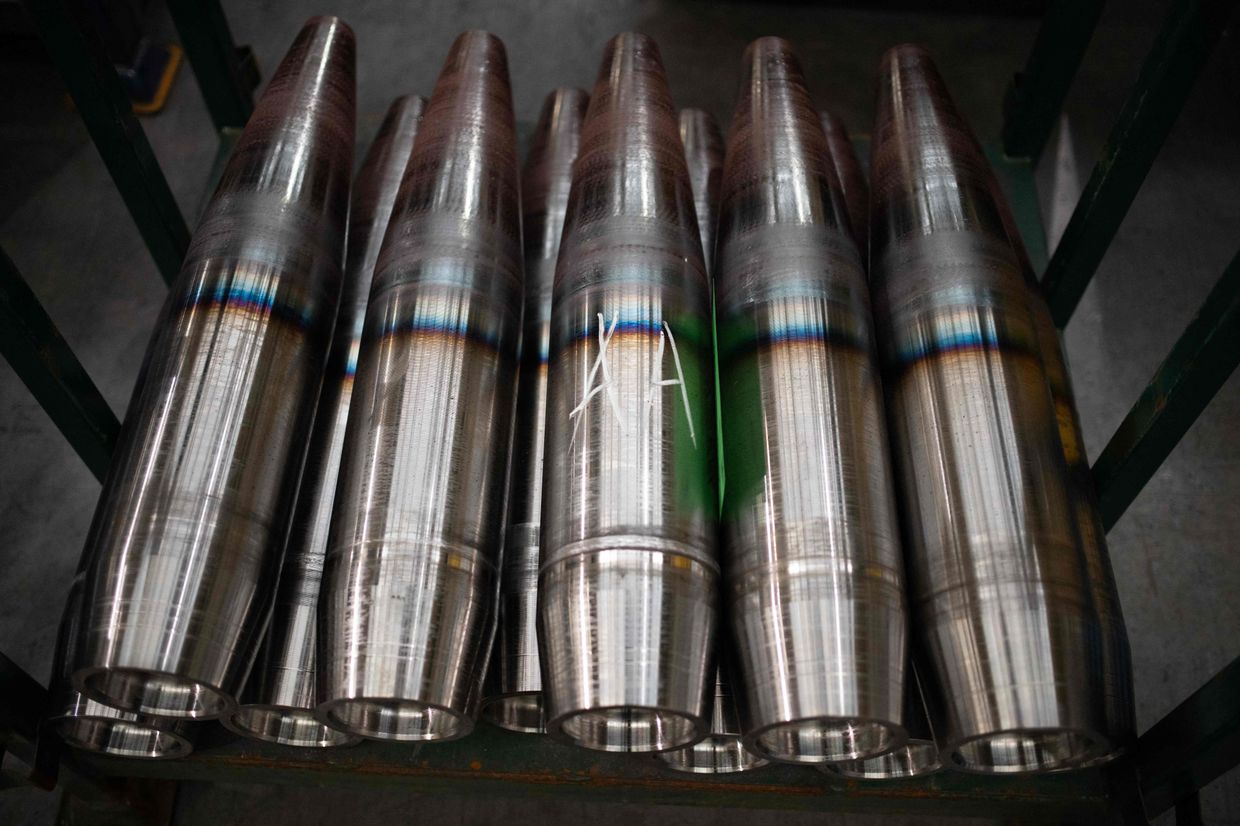
Ukrainian President Zelensky announced that nearly 60% of weapons used on the front line are domestically produced, highlighting Ukraine's significant expansion of its defense industry, including new missile and drone production initiatives, as part of its efforts to reduce reliance on foreign arms and strengthen its military capabilities.
The U.S. Department of Energy announced nearly $1 billion in funding opportunities to strengthen the domestic supply chain of critical minerals and materials, including initiatives for technology development, capacity expansion, and recycling, aiming to reduce reliance on foreign sources and enhance national security and industrial competitiveness.
The FDA announced the new PreCheck program to enhance U.S. drug manufacturing by streamlining regulatory processes and encouraging domestic production, aiming to reduce reliance on overseas sources for pharmaceuticals and active ingredients, with a public meeting scheduled for September 30, 2025.
Apple is set to announce a new $100 billion pledge to boost domestic manufacturing in the U.S., adding to its previous commitments of $500 billion in investments over four years, including new factories and R&D jobs, as part of its broader strategy to increase U.S. production and employment.
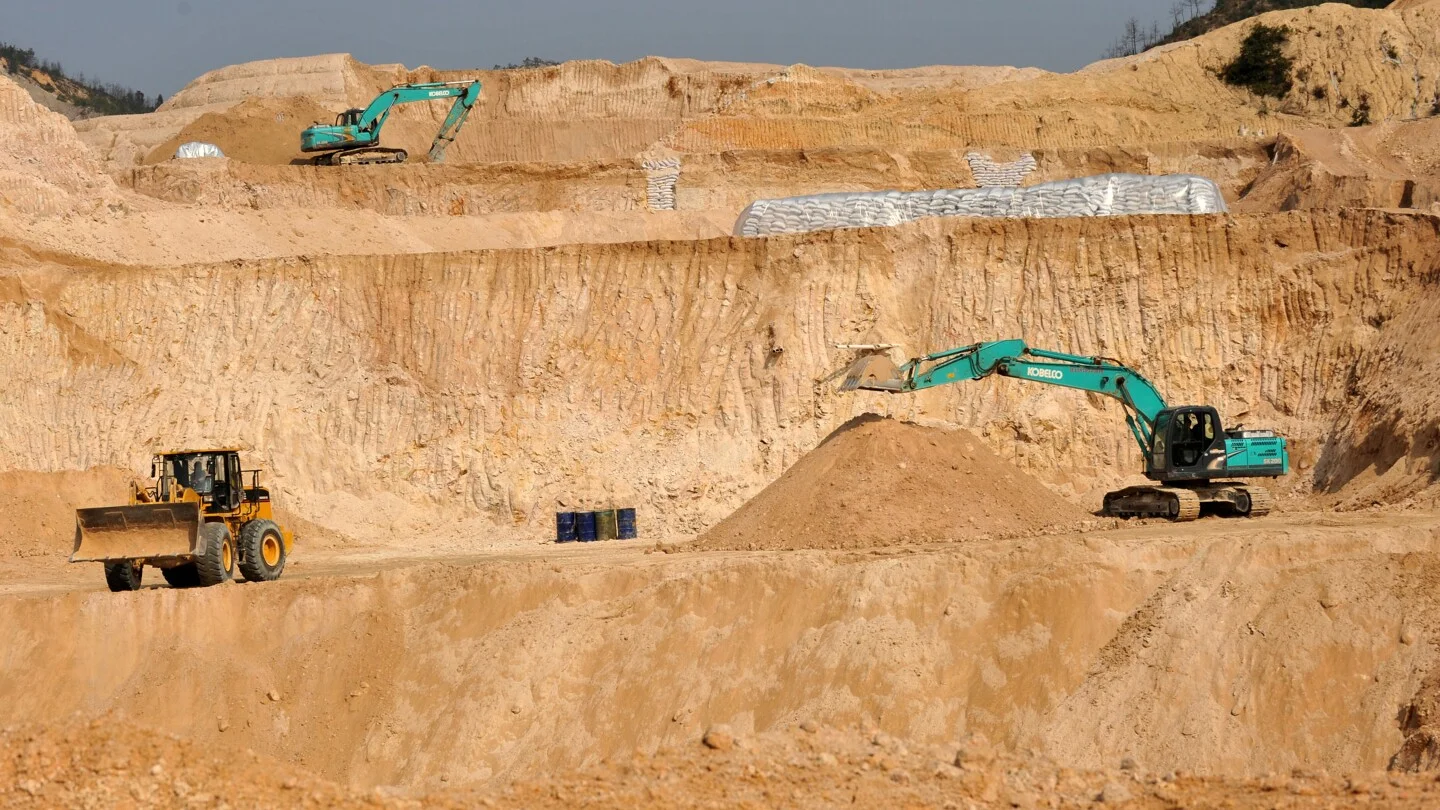
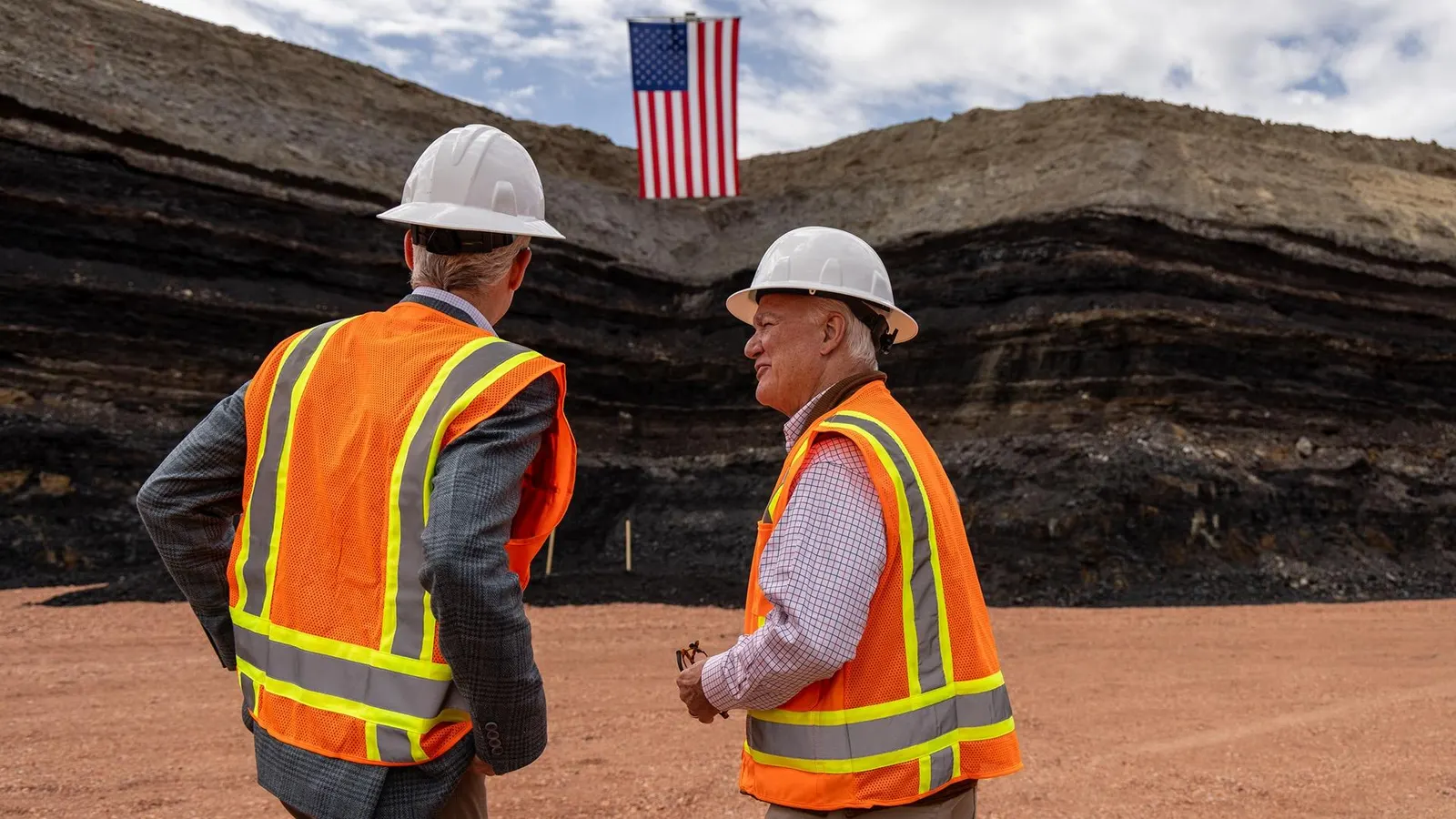
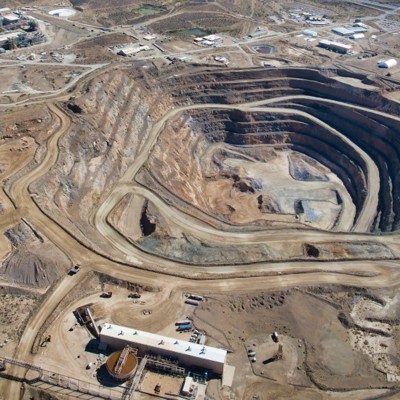
Ramaco Resources is excavating a new Wyoming mine that contains high concentrations of rare earth elements, aiming to become a major domestic supplier and reduce reliance on China. The company plans to process these minerals to meet over 10% of U.S. demand, competing with MP Materials, which is backed by government investment. Ramaco emphasizes its resource's superior quality, especially for heavier rare earths, and seeks government support for establishing a strategic reserve of critical minerals.
The Pentagon is becoming the largest shareholder in MP Materials, a rare earth mining company, to secure supply chains for critical minerals used in military and industrial applications, amid concerns over China's export restrictions and the need for domestic production.
The U.S. Department of Commerce has awarded Intel $7.865 billion under the CHIPS and Science Act to boost domestic semiconductor manufacturing, focusing on projects in Arizona, New Mexico, Ohio, and Oregon. This funding supports Intel's transition to a foundry model and its $100 billion domestic investment plan, despite recent financial challenges and workforce reductions. The initiative aligns with the Biden Administration's goal to reduce reliance on foreign chip production and strengthen U.S. economic and national security.
The Defense Department is working to establish a "mine-to-magnet" supply chain for rare earth materials, crucial for manufacturing permanent magnets used in various U.S. military weapons systems. With a focus on domestic supply chains, the DOD has awarded over $439 million to develop rare earth element supply chains, aiming to achieve a sustainable, mine-to-magnet supply chain capable of supporting all U.S. defense requirements by 2027. Several companies, including MP Materials, Lynas USA, Noveon Magnetics, TDA Magnetics, and E-VAC Magnetics, have received significant funding to establish rare earth mining, processing, and magnet manufacturing capabilities within the U.S., reducing reliance on foreign sources and enhancing national security.
First Solar, a company based in Perrysburg, Ohio, has managed to sustain solar panel manufacturing in the United States while most of the industry moved to China. President Biden's efforts to establish a large domestic green energy industry have authorized federal incentives for manufacturing solar panels, wind turbines, batteries, electric cars, and semiconductors. However, the viability of these investments remains uncertain due to China's dominance in industries like battery and solar panel manufacturing. First Solar's survival can be attributed to its panels not using polysilicon, a material mostly made in China. While some argue that importing panels from low-cost producers would be more cost-effective, others emphasize the importance of domestic production to reduce dependence on China and ensure a secure supply of panels. The world will need a significant increase in solar panel capacity to combat climate change, and First Solar's CEO is confident in the company's ability to expand U.S. production.
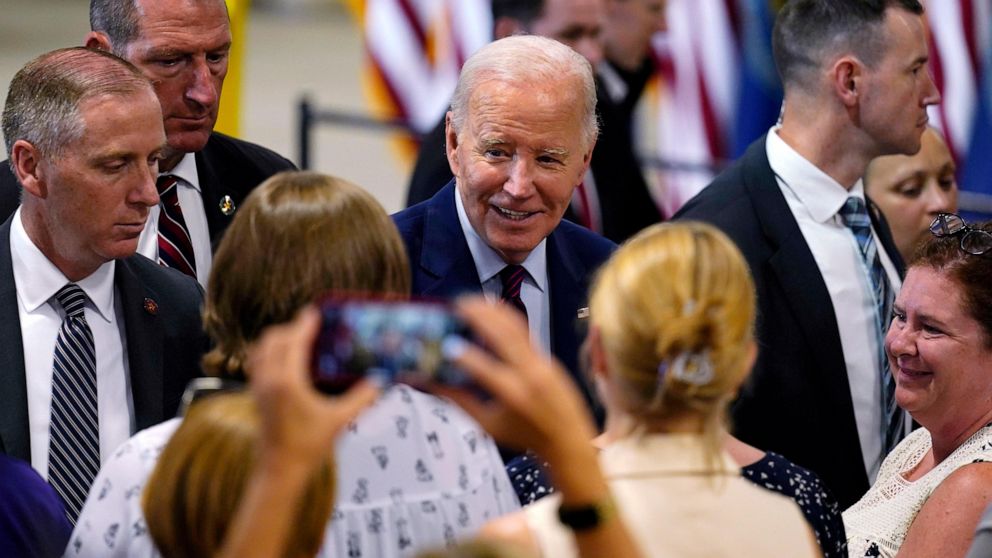
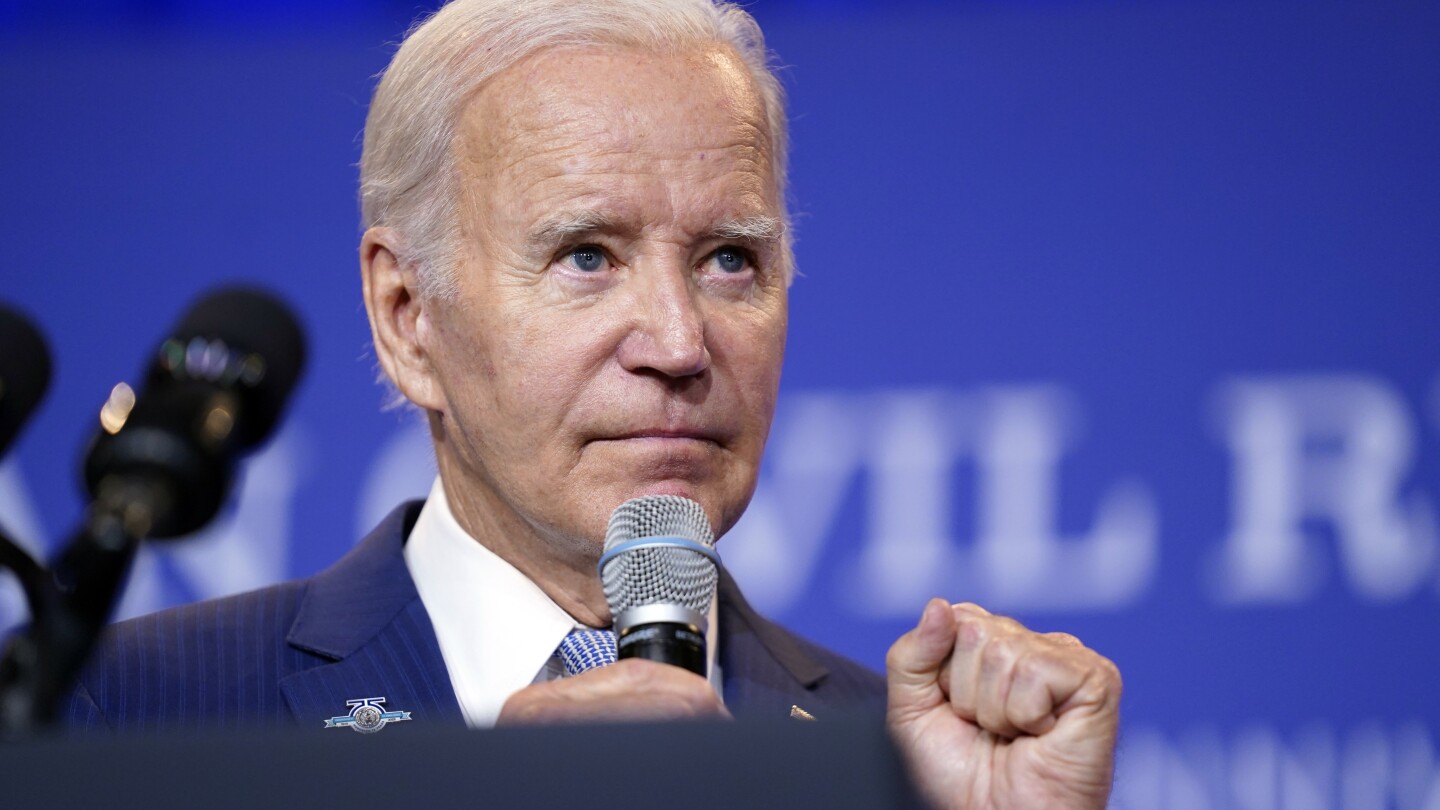
President Joe Biden plans to sign an executive order in Maine to encourage companies to manufacture new inventions in the United States. By visiting Maine's 2nd District, where he lost the vote in the 2020 election, Biden aims to show his commitment to blue-collar voters. The executive order seeks to improve transparency in federal research and development programs, prioritize domestic manufacturing, and create a clearer process for receiving waivers when goods cannot be made in the US. Biden will be visiting Auburn Manufacturing Inc., a company that challenged China's unfair trade practices.
President Joe Biden plans to sign an executive order during his visit to Maine, encouraging companies to manufacture new inventions in the United States. The order aims to improve transparency in federal research and development programs, prioritize domestic manufacturing for national security and economic interests, and create a clearer process for receiving waivers when goods cannot be made in the U.S. Biden's visit to Maine's second district is an attempt to show support for blue-collar voters and secure their electoral vote in the 2024 presidential election.
The Biden administration's tax incentive for clean energy manufacturing is causing controversy over who should receive the credit for making products in the US. The tax credit is expected to drive billions of dollars in new investment for companies that build their products in the United States and source their materials domestically. However, some American manufacturers in the solar industry are disappointed that panels will qualify for the 10 percent tax credit even if a crucial component in them, polysilicon wafers, does not come from the United States. The proposal highlights the challenge of moving some lines of production away from China.
Gasoline prices are expected to surge ahead of peak driving season due to the announcement of oil production cuts by OPEC. The production cuts will make it more expensive to bring barrels to the gas station and turn them into gasoline. The average price of gasoline is expected to hit $3.60 a gallon in the coming weeks, and it is possible that it could reach $5 a gallon during peak-driving months in the summer. The fossil fuel industry is urging the U.S. to boost domestic production to reduce reliance on foreign producers.