U.S. Treasury Secretary Scott Bessent announced that Australia and India have been invited to a G7 finance ministers' meeting in Washington to discuss securing critical mineral supplies, amid concerns over China's dominance in the sector and efforts by Western countries to diversify their supply chains.
The article discusses the U.S. strategic efforts to secure critical minerals from Venezuela and Greenland to enhance dominance in AI, defense, and energy sectors, amid tensions with China over rare earth resources, with implications for global power dynamics and trade wars.
A proposed graphite mine in Quebec, financed by the US Pentagon to secure critical minerals for military and energy use, faces strong local opposition due to environmental concerns and fears of US resource exploitation, amid broader tensions between Canada and the US.
The USGS has expanded its list of critical minerals to 60, covering 80% of mined commodities, highlighting their vital role in modern technology, national security, and the shift towards clean energy, with geopolitical implications due to China's dominance in supply.
The article discusses the rising interest of US contractors and traders in Pakistan's antimony, a critical mineral used in military and industrial applications, amid global supply chain concerns and China's dominance in processing capacity. US companies are exploring partnerships and investments in Pakistan and neighboring countries to secure supplies, despite challenges in processing infrastructure and artisanal mining practices.
The Sangdong mine in South Korea, one of the world's largest tungsten deposits, is set to reopen and supply the U.S. with a critical mineral essential for defense technology, reducing reliance on China amid geopolitical tensions.
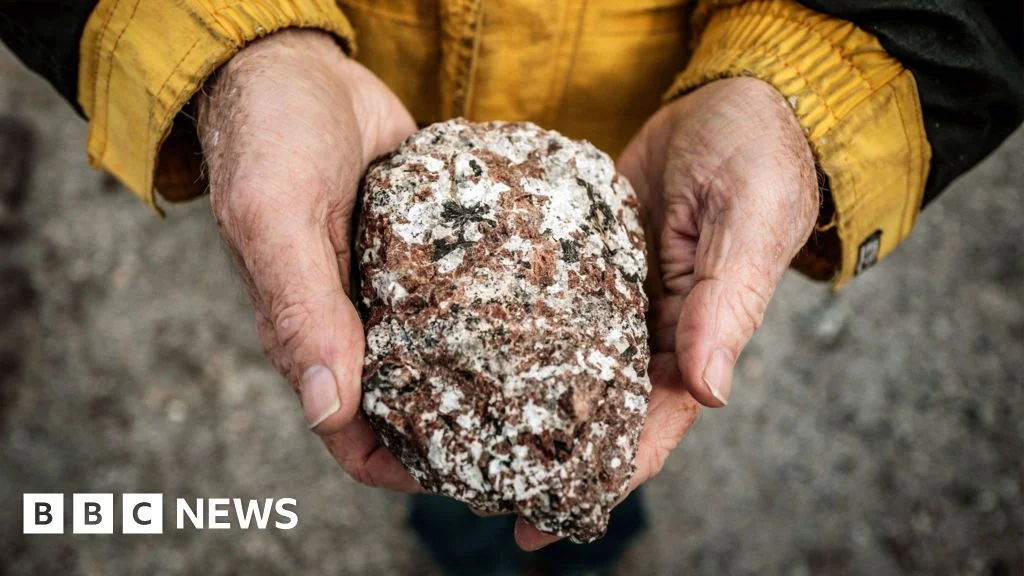
Graphite mining in Upstate New York is being revitalized due to increasing demand for batteries and concerns over reliance on Chinese supply, with Titan Mining Corp. aiming to produce significant quantities of graphite for U.S. needs by 2028, supported by government incentives and a strategic push for domestic critical mineral sources.
US graphite mines are experiencing renewed interest due to increasing demand for graphite in batteries and critical applications, driven by trade tensions with China and efforts to diversify supply chains. Several projects, including Titan Mining's in New York, aim to restart domestic production, reducing reliance on imports and supporting national security and technological needs.
Amid rising demand for lithium-ion batteries and ongoing trade tensions with China, US companies are revisiting graphite mining, which had been largely abandoned for decades, to secure domestic supply for high-tech, industrial, and military uses.
NASA is using a high-tech sensor called AVIRIS-5 aboard its ER-2 aircraft to locate critical minerals in the American West, essential for technologies like batteries and semiconductors, with potential applications in land management and planetary science.
A North Dakota law mistakenly included two fictional minerals, friezium and stralium, likely as a prank or clerical error by coal industry lawyers involved in drafting the bill, raising concerns about legislative oversight and accuracy.
The Department of Energy is actively implementing President Trump's energy policies, focusing on achieving American energy dominance through initiatives like revitalizing the coal industry, advancing nuclear energy, reducing dependence on foreign critical minerals, and modernizing nuclear deterrence, with recent achievements in nuclear materials recovery and collaborations to further scientific and energy advancements.
The U.S. Defense Department is acquiring a 10% stake in a $7.4 billion zinc smelter in Tennessee, built in partnership with Korea Zinc, as part of efforts to reduce dependence on China for critical minerals essential for technology and defense industries.
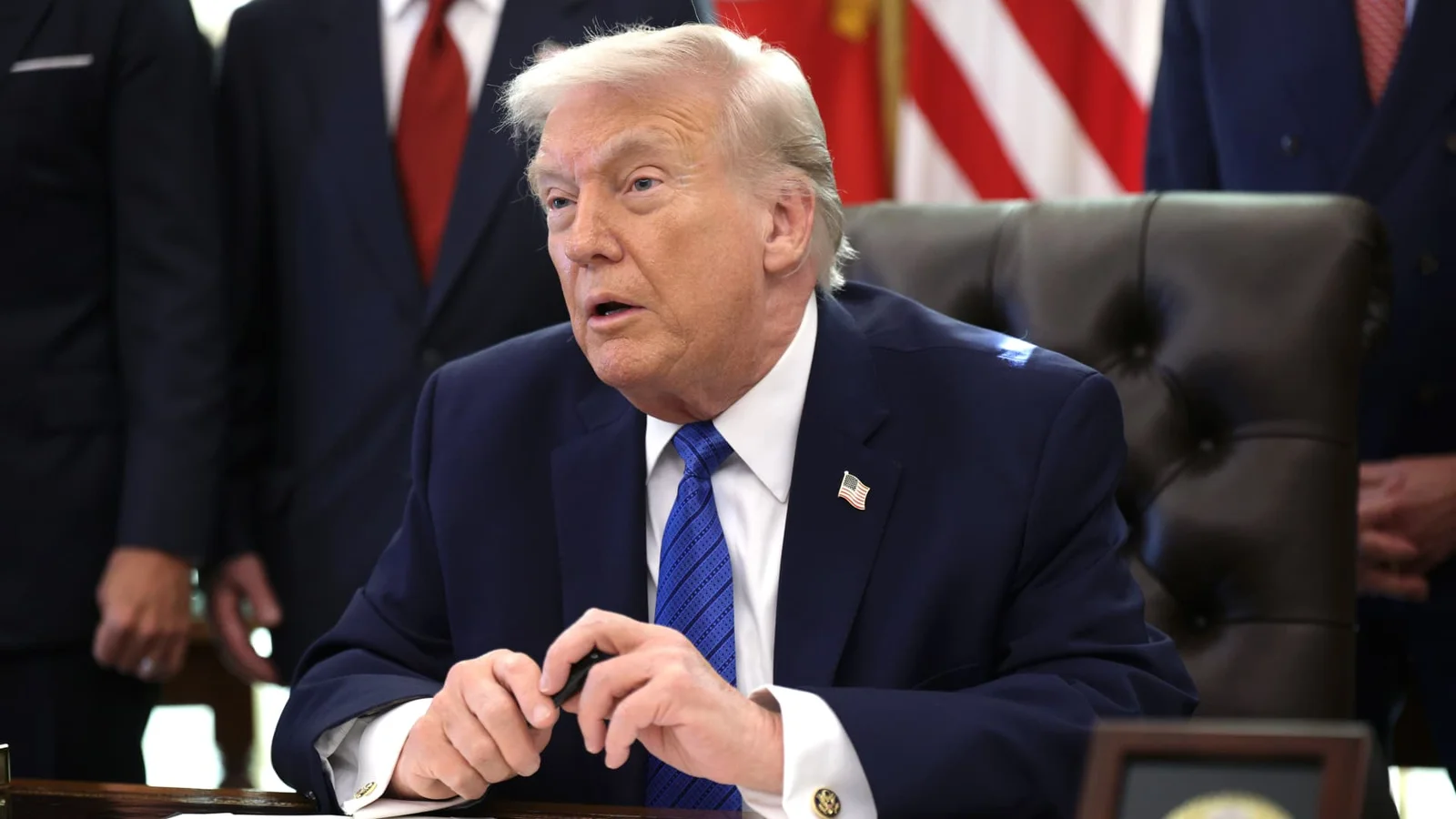
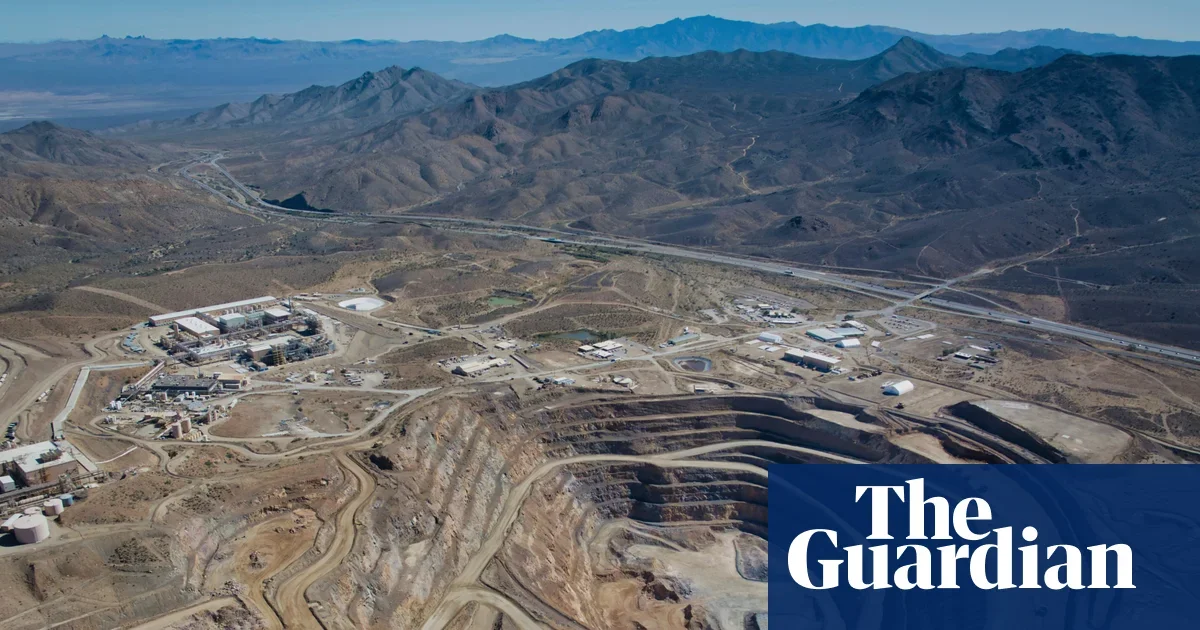
The Trump administration is planning to establish historic deals with the U.S. mining sector to boost domestic production of critical minerals like lithium and rare earths, aiming to reduce reliance on China and strengthen national defense and high-tech industries, including initiatives in Alaska and Arizona, and partnerships with private companies such as Korea Zinc.
The US supports a $7.4 billion initiative to build a critical minerals smelter as part of its strategy to counter China's influence in the global supply chain.