Tag

Computer Modeling

All articles tagged with #computer modeling

"The Evolutionary Advantage of Aging: Unveiling the Surprising Reasons"

Originally Published 2 years ago — by SciTechDaily

Featured image for "The Evolutionary Advantage of Aging: Unveiling the Surprising Reasons"
Source: SciTechDaily

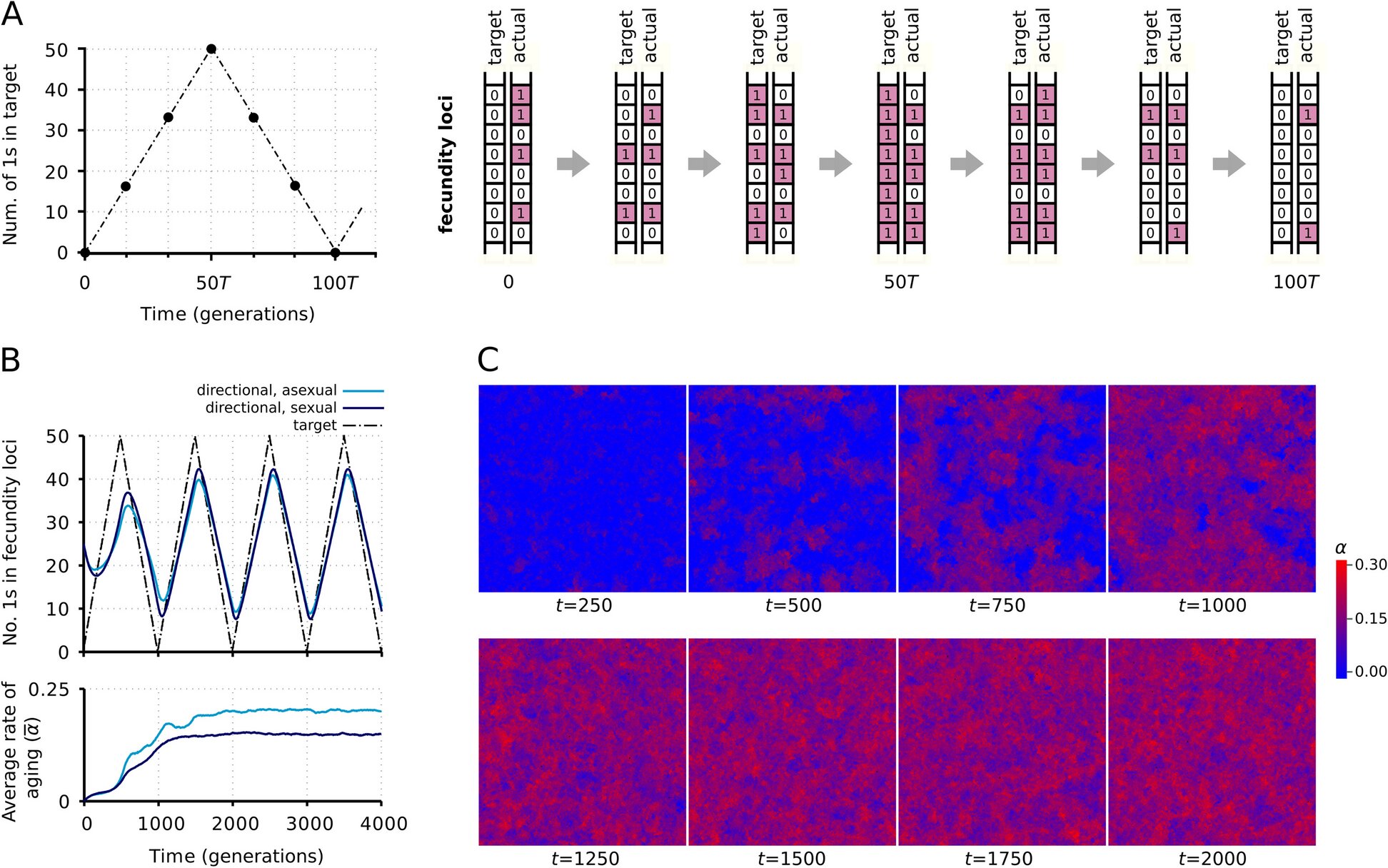
Researchers have used computer models to investigate the evolutionary role of aging and challenge the notion that it has no positive function. Their findings suggest that aging could expedite evolution in changing environments, benefiting subsequent generations. The study indicates that senescence may be an advantageous trait selected by natural evolution.
Senescence: A Catalyst for Evolutionary Acceleration, Scientists Discover

Originally Published 2 years ago — by Phys.org

Featured image for Senescence: A Catalyst for Evolutionary Acceleration, Scientists Discover
Source: Phys.org

Scientists have used computer modeling to test the hypothesis that evolution can favor the proliferation of genes controlling senescence, or aging. The research suggests that under the right circumstances, aging can have an evolutionary function and be favored by natural selection. This finding challenges the classical non-adaptive theories of aging and opens up new possibilities for understanding the emergence and purpose of senescence in organisms.

The Catastrophic Consequences of Neutron Star Collisions Revealed

Originally Published 2 years ago — by Space.com

Featured image for The Catastrophic Consequences of Neutron Star Collisions Revealed
Source: Space.com

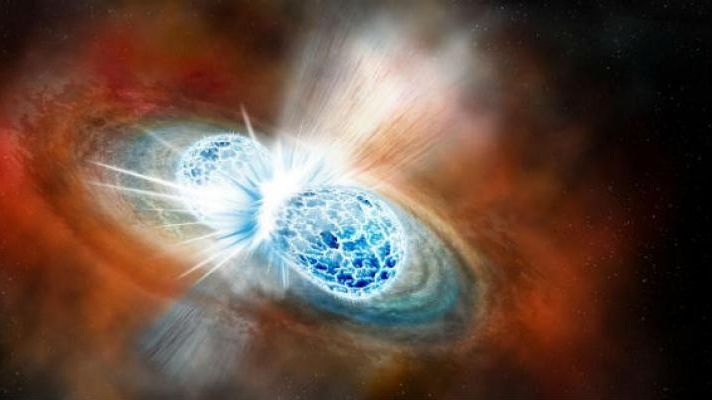
Scientists have used advanced computer modeling to study the shape of kilonovas, the emission of light that follows the collision and merger of two neutron stars. The simulations revealed that kilonovas are filled with "blobs" or "bubbles" rather than smooth or disk-like shapes. Understanding neutron star collisions is important because they are believed to be the only sites in the universe capable of creating elements heavier than lead, including gold. The research provides insights into the densest material in the universe and has implications for particle physics and quantum chromodynamics. The simulations closely matched real-life observations of a kilonova known as AT2017gfo. Further simulations and observations are expected to provide more insights into the variations and characteristics of kilonovas.

Unveiling Graphene's Quantum Magic: Rethinking Perfection

Originally Published 2 years ago — by SciTechDaily

Featured image for Unveiling Graphene's Quantum Magic: Rethinking Perfection
Source: SciTechDaily

Researchers at Vienna University of Technology have developed a comprehensive computer model that demonstrates the stability of graphene's exceptional electronic properties, even in the presence of imperfections. The model shows that graphene pieces that are not perfect can still be used effectively in quantum technology and sensing applications. The study highlights the potential of graphene for various technological advancements and provides valuable insights for applied research in the field.

The Habitability of TRAPPIST-1 Exoplanets: A Closer Look

Originally Published 2 years ago — by EarthSky

Featured image for The Habitability of TRAPPIST-1 Exoplanets: A Closer Look
Source: EarthSky

A new study suggests that some of the seven Earth-sized exoplanets in the TRAPPIST-1 system might be habitable, despite their hot history. Previous studies indicated that the planets' surfaces would have melted, making water unlikely. However, the new study, based on computer modeling, suggests that some of the planets might not have a fully convective structure, allowing their surfaces to remain cool enough for water to exist. Further insights are expected from NASA's James Webb Space Telescope.

The Remarkable Discovery of Diamonds from a Waste Pile.

Originally Published 2 years ago — by SciTechDaily

Featured image for The Remarkable Discovery of Diamonds from a Waste Pile.
Source: SciTechDaily

Researchers from Queensland University of Technology have used a piece of rock from a diamond mine waste pile and a standard laptop to solve a long-standing geological puzzle about diamond formation in the Earth’s ancient continents. The study involved computer modeling on a rock from the African continent recovered from the bottom of the lithosphere, the outer part of the Earth between about 30km and 250km below the surface. The research challenges the existing two-step shallow “melting and stacking” explanation and suggests that diamonds are rare today – and were in fact always rare.