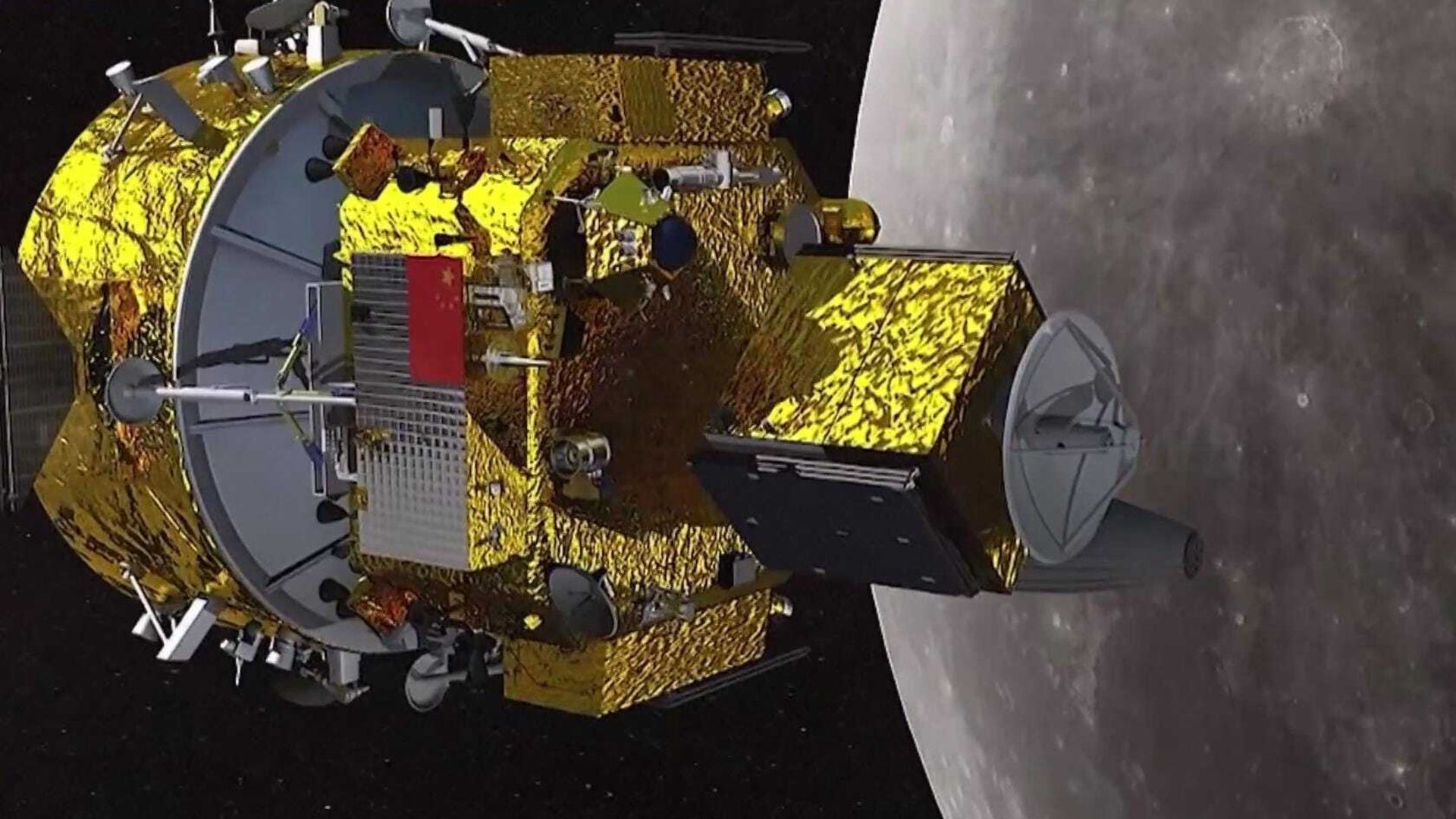
China's upcoming Chang'e 7 lunar mission, scheduled for 2026, aims to explore the moon's south pole, search for water ice, and support future lunar base plans, featuring international payloads and advanced scientific instruments.
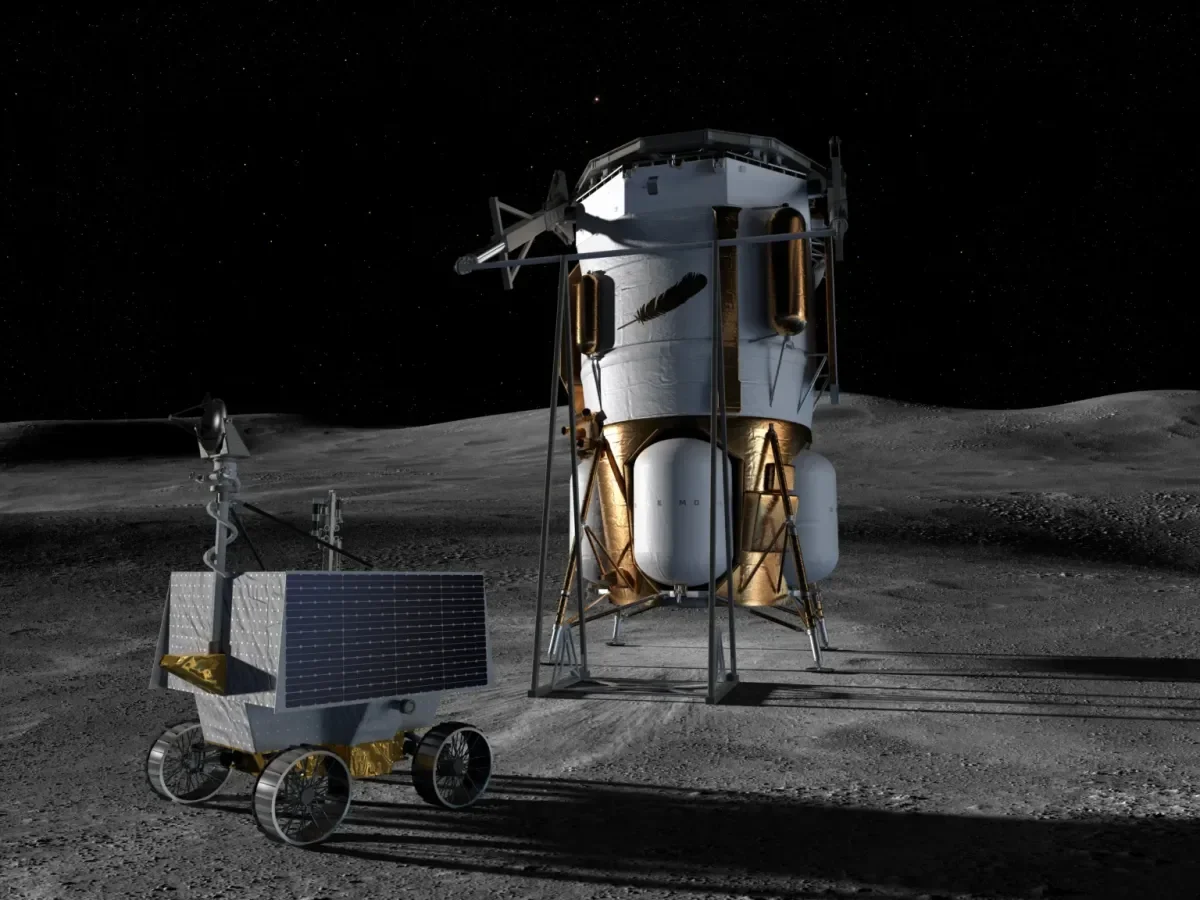
Blue Origin has secured a NASA contract worth approximately $190 million to deliver the VIPER rover to the lunar south pole using its Blue Moon MK1 lander, marking a significant step in lunar exploration and resource prospecting, with the rover expected to operate for about 100 days to study water ice deposits crucial for future human missions.
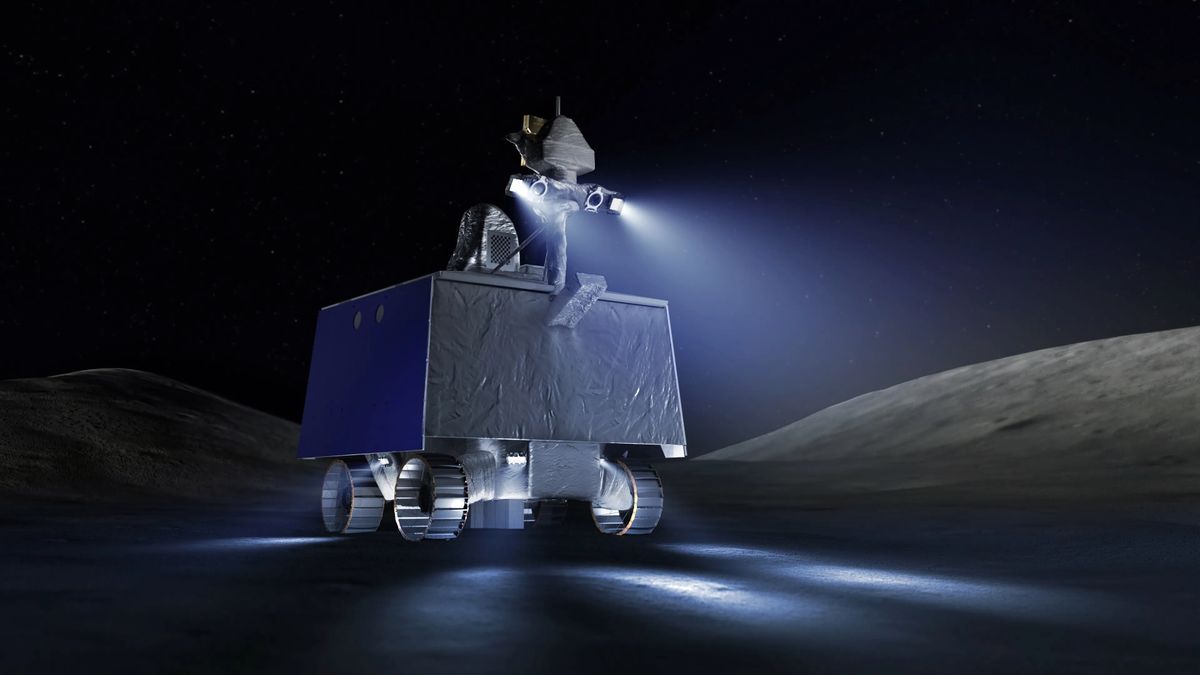
NASA's VIPER rover, set to launch toward the moon later this year, has reached a major milestone with over 80% of its construction completed. The rover will land near the lunar south pole to search for water ice and resources to support future Artemis astronauts. VIPER will spend 100 days collecting data and mapping resources, becoming the first-ever resource mapping mission on another celestial body. The rover's systems are undergoing crucial testing to ensure its success in the extreme lunar environment.
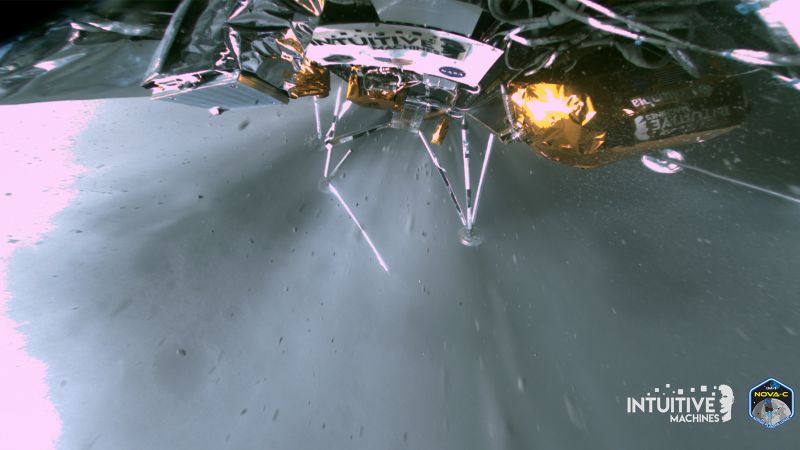
New images from the Odysseus mission show the spacecraft after its historic soft touchdown on the moon, with all instruments transmitting data despite setbacks during descent. The spacecraft, developed by Intuitive Machines, landed near the lunar south pole and is successfully delivering data from NASA instruments and commercial payloads, including a dual-camera observatory. NASA's Navigation Doppler Lidar played a critical role in the mission's success, despite initial navigation issues and the spacecraft landing on its side.
The Moon's shrinking size is causing significant seismic activity near the lunar south pole, jeopardizing potential landing sites for future manned missions and outposts. The area, targeted for its water deposits, has experienced strong moonquakes, posing threats to personnel and settlements. The Moon's contraction, driven by its hot, molten core and tidal forces from Earth, leads to the formation of thrust faults and moonquakes. This tectonic activity raises concerns for the stability of future lunar outposts and the safety of human presence on the Moon.
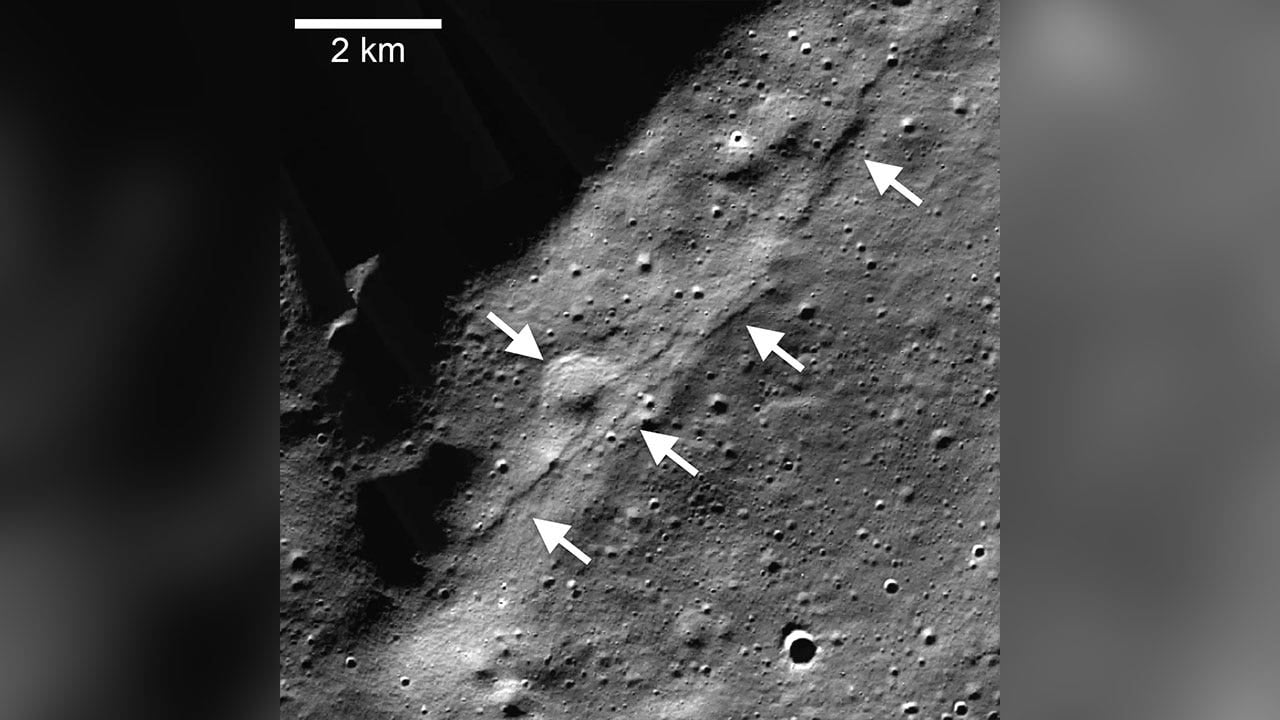
New research funded by NASA suggests that the moon's core cooling and shrinking is causing its surface to develop creases, leading to "moonquakes" and landslides, potentially posing a threat to future human settlers and equipment in the lunar south pole region. Despite the moon's appearance as a geologically dead object, it is still seismically active due to its hot interior, with faults and landslides being detected. While the findings will not affect the Artemis III mission, they could impact long-term human presence on the moon, prompting the need for more data and consideration of geographic characteristics. Moonquakes, though potentially problematic for future manned missions, are seen as an opportunity to study the moon's interior structure and present-day activity.
New research funded by NASA suggests that the moon's core cooling and shrinking is causing its surface to develop creases, leading to "moonquakes" and landslides, potentially posing a threat to future human settlers and equipment in the lunar south pole region. Despite the moon's appearance as a geologically dead object, it is still seismically active due to its hot interior, with faults and landslides being detected. While the findings will not affect the Artemis III landing region selection process, they could impact long-term human presence on the moon, prompting the need for more data and consideration of geographic characteristics. Moonquakes are seen as an opportunity for scientific study, providing insight into the moon's interior structure and present-day activity.
New research funded by NASA has found that the moon's core cooling and shrinking is causing its surface to develop creases and moonquakes, potentially posing a threat to future human settlers and equipment in the lunar south pole region. Despite the moon's appearance, it remains seismically active due to its hot interior, with the strongest recorded moonquake equivalent to a magnitude 5.0 on Earth. While these findings won't affect the Artemis III landing region selection process, they highlight the need for more data and caution for future manned missions to the moon.
A NASA-funded study reveals that the moon's shrinking is causing moonquakes and faults near the lunar south pole, potentially impacting future crewed lunar missions. The study suggests that shallow moonquakes and the formation of new thrust faults are possible, posing risks to permanent outposts on the moon. Unlike earthquakes, moonquakes can last for hours and are more likely to trigger landslides. The research emphasizes the importance of considering seismic activity when planning for the safety of astronauts and infrastructure on the moon.
A new study suggests that NASA astronauts exploring the lunar south pole could be at risk from moonquakes and landslides caused by the moon's shrinking circumference and resulting surface fractures. The study highlights the potential dangers of establishing a base in this area and recommends avoiding certain landing locations. NASA's Artemis program, aimed at returning astronauts to the moon, has faced delays, pushing the first crewed launch to 2025 at the earliest. Additionally, recent setbacks in robotic missions to the moon have underscored the challenges of lunar exploration.
Scientists have discovered that the moon has been shrinking over the last few hundred million years, causing surface warping and the formation of faults in its south polar region. This shrinkage has led to notable instability and the potential for landslides, particularly in areas proposed for crewed Artemis III landings. Shallow moonquakes, caused by faults in the moon's interior, can last for hours and pose dangers to future human exploration efforts. The study's lead author emphasized the importance of considering the potential for ongoing global contraction and the formation of new thrust faults when planning the location and stability of permanent outposts on the moon.
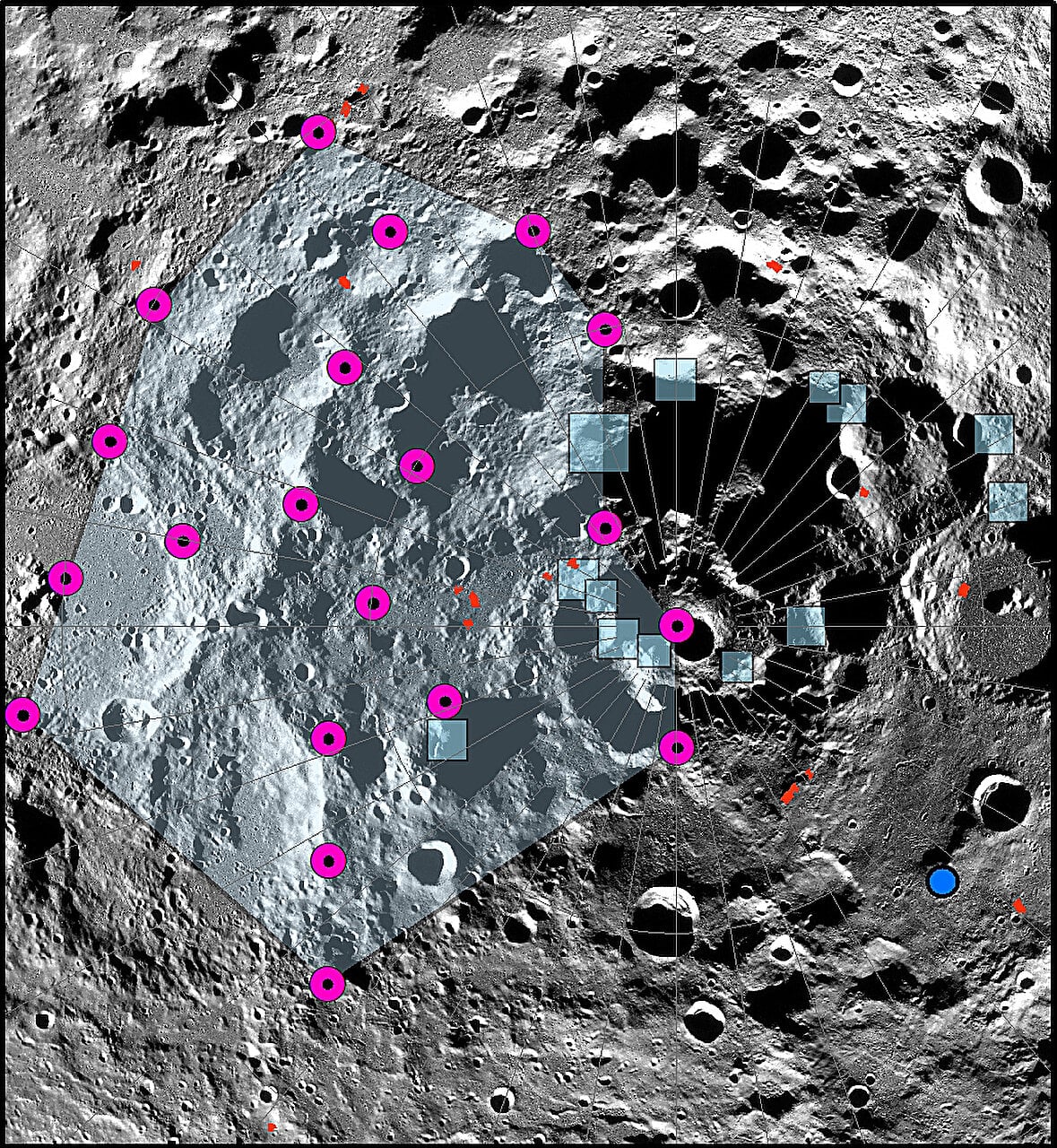
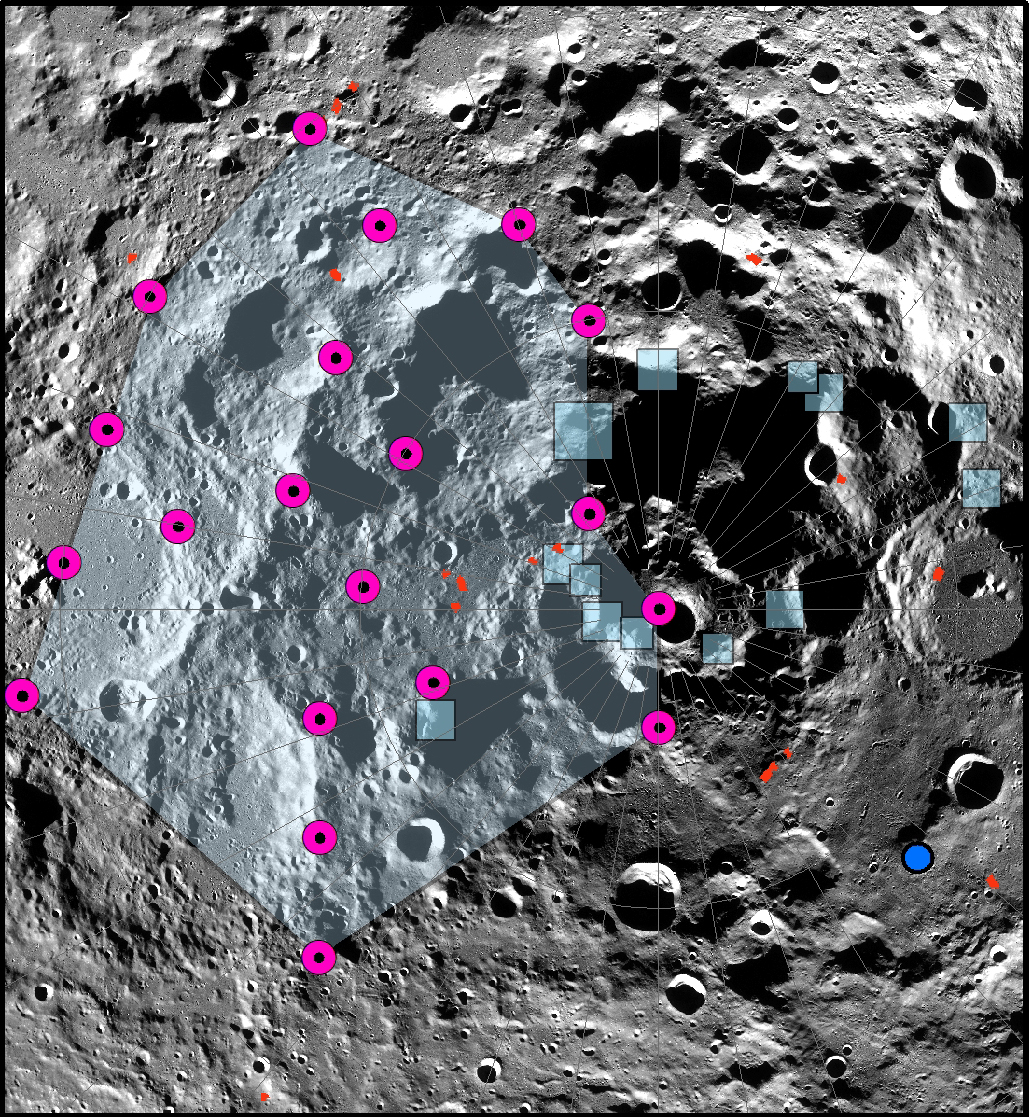
NASA-funded study reveals that moonquakes and faults near the lunar South Pole, caused by the Moon's gradual cooling and shrinking, are present in areas identified for the Artemis III mission. The study suggests that shallow moonquakes capable of strong ground shaking are possible, and the formation of new thrust faults should be considered when planning lunar outposts. Data from NASA's Lunar Reconnaissance Orbiter shows thousands of young thrust faults and their potential for seismic activity, impacting the stability of surface slopes and areas with resources like ice. NASA emphasizes the need for new seismic data to understand the lunar seismic hazard and is committed to using LRO data to aid in planning for the return to the Moon.
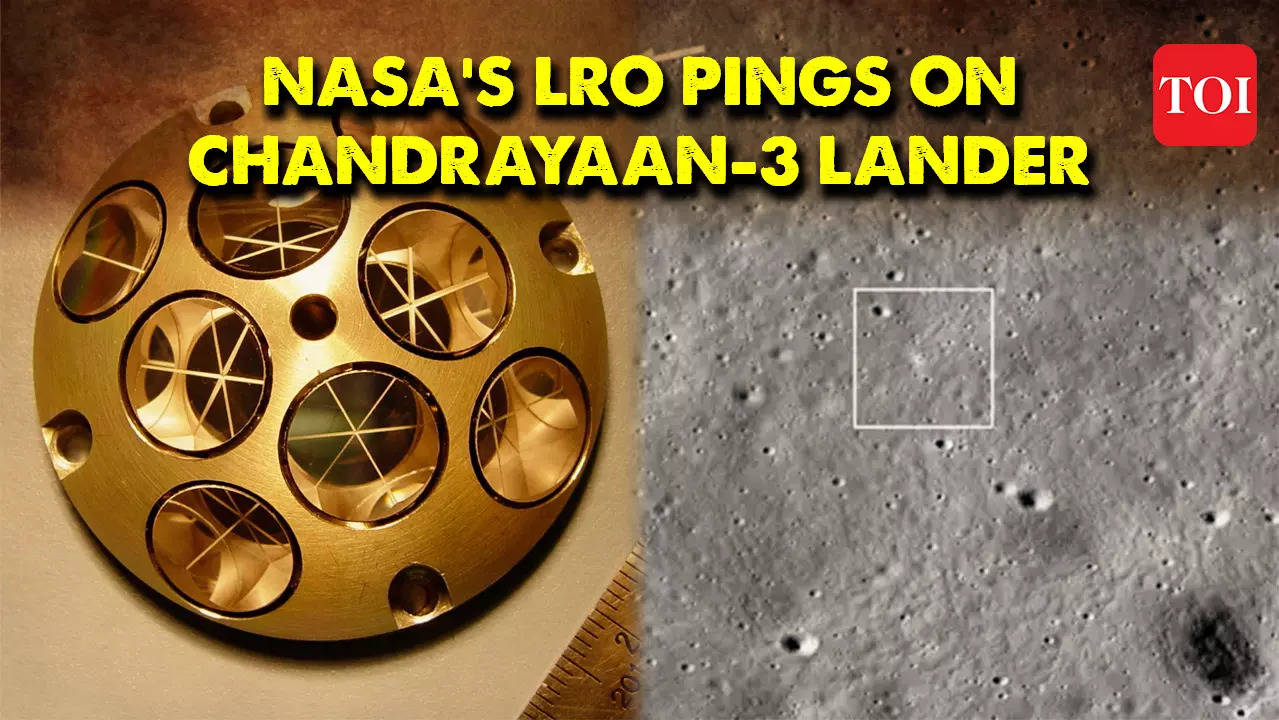
NASA's Lunar Reconnaissance Orbiter has successfully located ISRO's Chandrayaan-3 Vikram lander near the lunar south pole, 100km away from the orbiter, using a Laser Retroreflector Array (LRA) fitted on the lander. This achievement paves the way for accurately locating targets on the moon's surface and demonstrates international collaboration in space exploration.
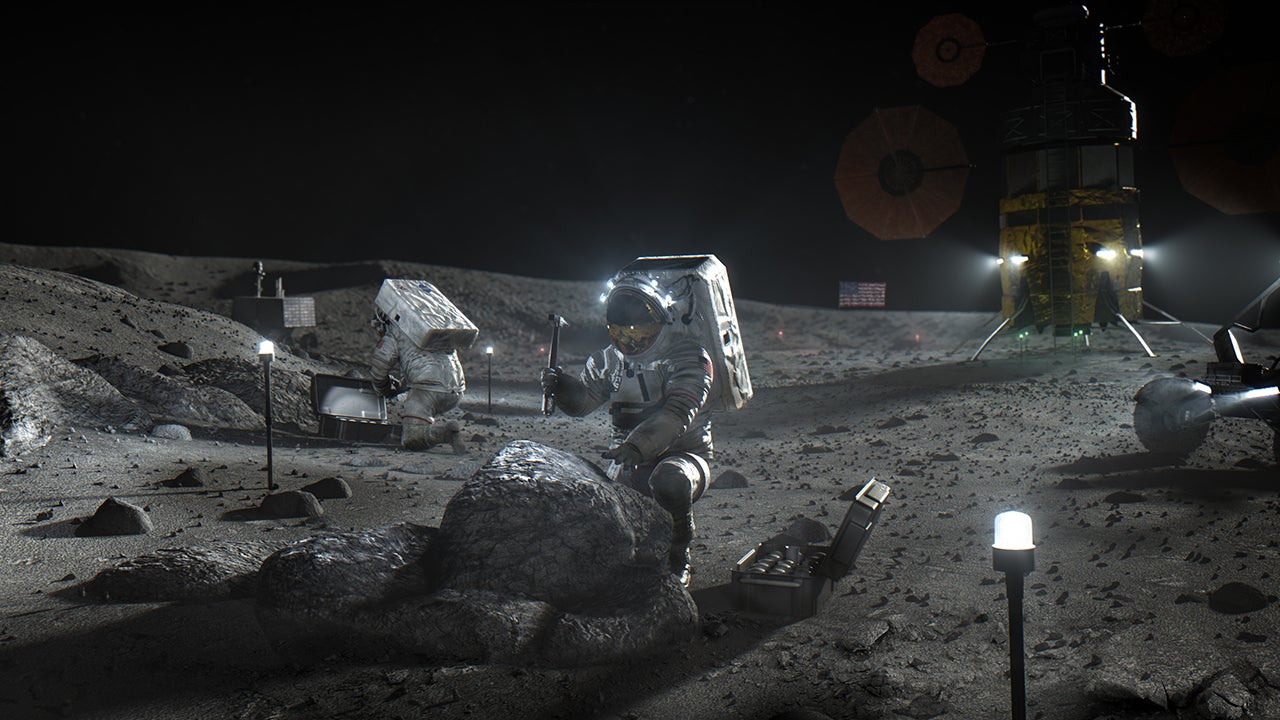
The European Space Agency has released a simulation depicting a potential lunar settlement at the Shackleton crater near the moon's south pole, featuring four-storey pods, indoor plants, and astronauts conducting experiments. India recently became the first country to land near the lunar south pole, while a private US company's attempt to land on the moon ended in failure. Despite these setbacks, the vision of a village on the moon may still be a possibility in the future.
NASA has announced the six finalists in its Break the Ice Lunar Challenge, a competition to develop robotic systems capable of traversing the volatile terrain of the Lunar South Pole. These robots must be able to excavate the Moon's regolith and transport it for in-situ resource utilization. The finalists will bring their prototypes to a NASA test facility for head-to-head matchups in the spring of 2024, with a total cash prize of $1.5 million at stake. The winning technologies will contribute to NASA's goal of establishing a sustainable presence on the Moon.