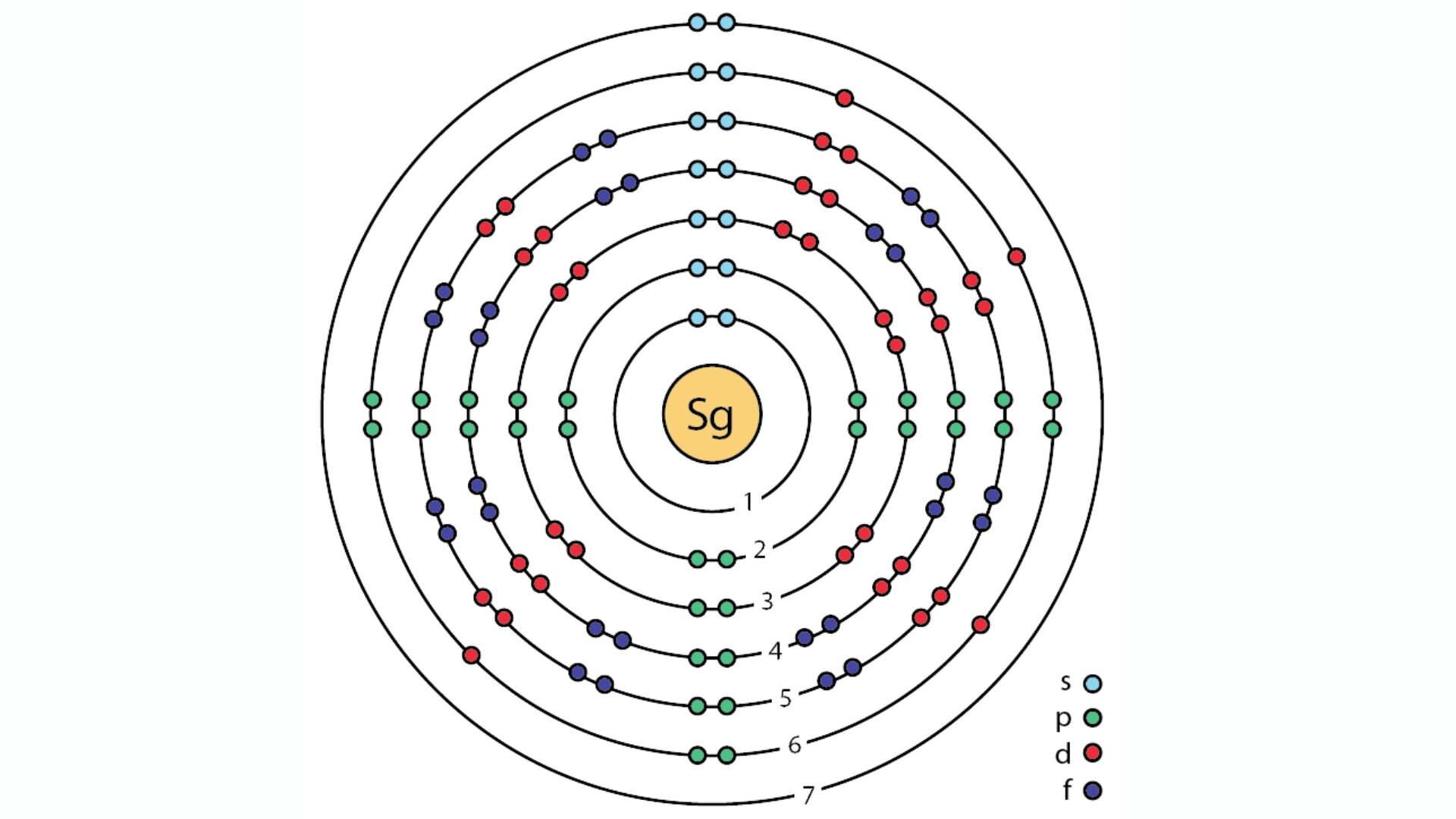
Scientists at GSI Helmholtzzentrum have discovered a new superheavy isotope, 257Sg, revealing complex quantum effects influencing nuclear stability and fission, including the first observation of a K-isomeric state in seaborgium, which could impact the search for the island of stability and future element synthesis.

Criticality incidents, where accidental nuclear chain reactions occur, highlight the dangers of mishandling fissionable materials. Notable incidents include the 1958 Los Alamos accident and the 1999 Tokaimura disaster, both resulting from improper handling and excessive accumulation of nuclear material. These events underscore the importance of strict safety protocols and constant vigilance in nuclear operations to prevent catastrophic outcomes.
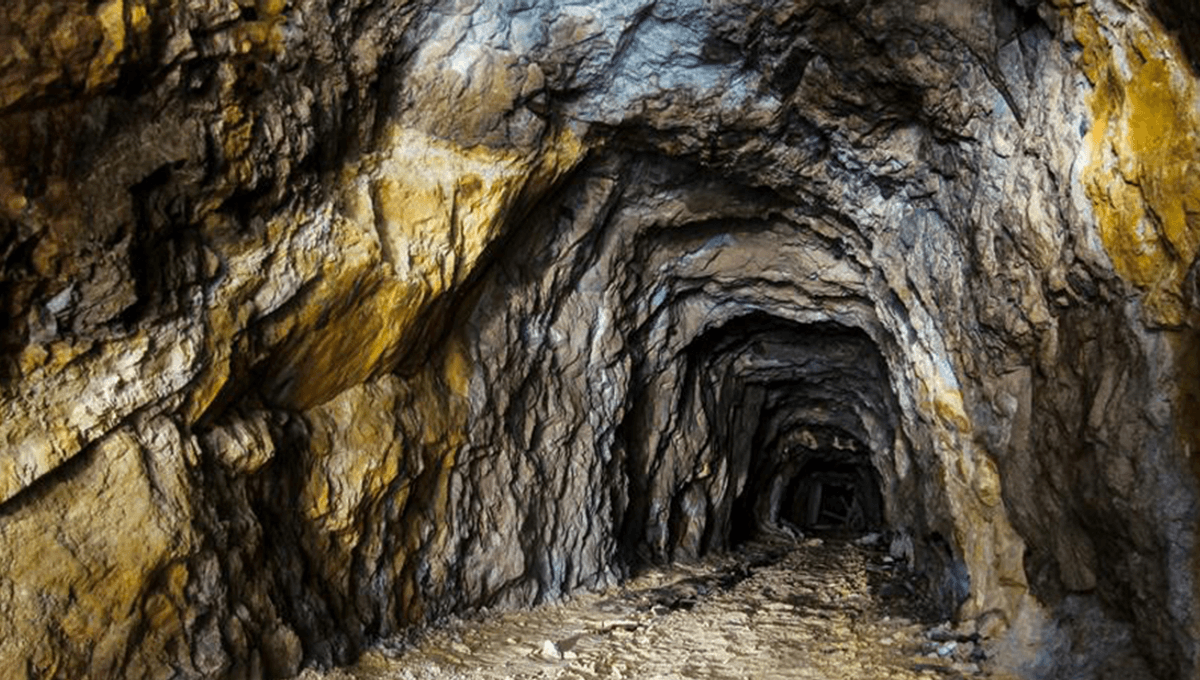
Over 2 billion years ago, a natural nuclear reactor formed in Oklo, Gabon, long before human-made reactors existed. Discovered in 1972, the site showed unusual uranium isotope ratios, indicating a sustained natural fission reaction had occurred. This ancient reactor operated under conditions that are unlikely today, requiring higher uranium-235 concentrations and groundwater to sustain the reaction, similar to modern reactors. The process eventually ceased after thousands of years.
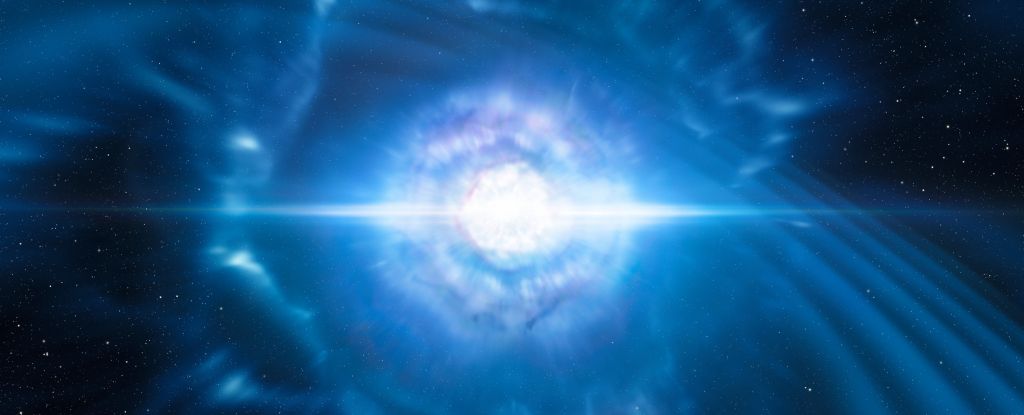
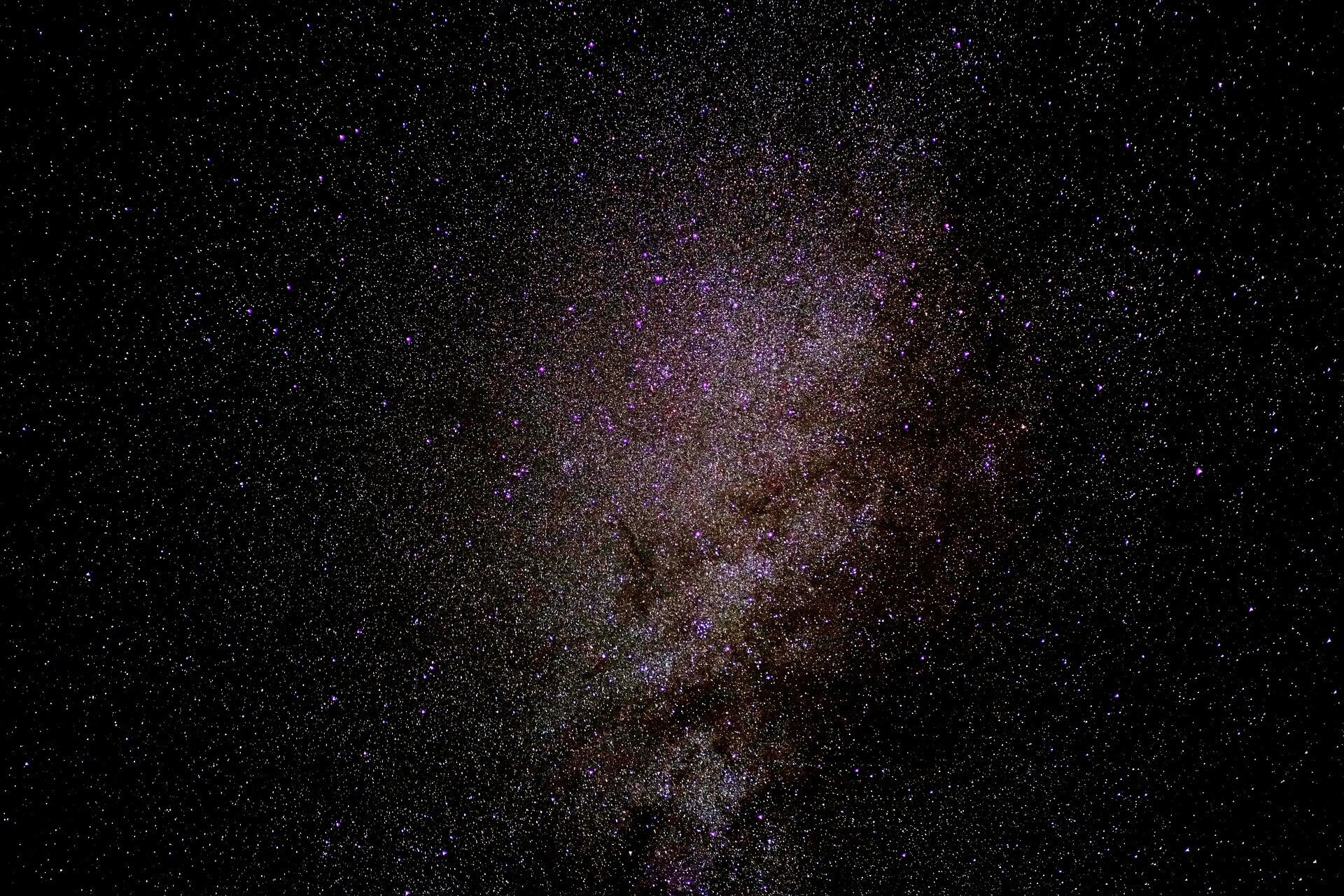
Astronomers have discovered evidence that ancient stars in the Milky Way were capable of creating elements heavier than anything found naturally on Earth or in the wider Universe. By examining the chemical abundances of 42 stars, researchers found patterns suggesting that these stars produced elements with atomic masses greater than 260, which subsequently underwent fission to form lighter, more stable elements. This finding provides insights into the formation of heavy elements and the diversity of elements in the Universe.
Ancient stars have been found to produce elements with atomic masses greater than 260, heavier than any naturally occurring element on Earth. This discovery enhances our understanding of element formation in stars and suggests that heavy elements can be created through fission in well-studied old stars. The research provides insights into the conditions and processes involved in the creation of heavy elements, shedding light on the diversity of elements in the universe.