Linux has become more stable and compatible for gaming, with improved performance and fewer issues compared to Windows, though challenges like kernel-level anti-cheat frameworks and hardware support remain. Enthusiasts highlight Linux's advantages in privacy, stability, and open-source benefits, while some still face hardware and software compatibility hurdles. Overall, Linux's gaming ecosystem is gaining mainstream attention and momentum.
Open-source developer Armin Wolf is working on enhancing Linux kernel support for Windows Management Instrumentation (WMI) by implementing marshalling support that mimics Windows' ACPI/WMI handling, aiming to improve hardware compatibility and simplify driver development, with ongoing testing and review.
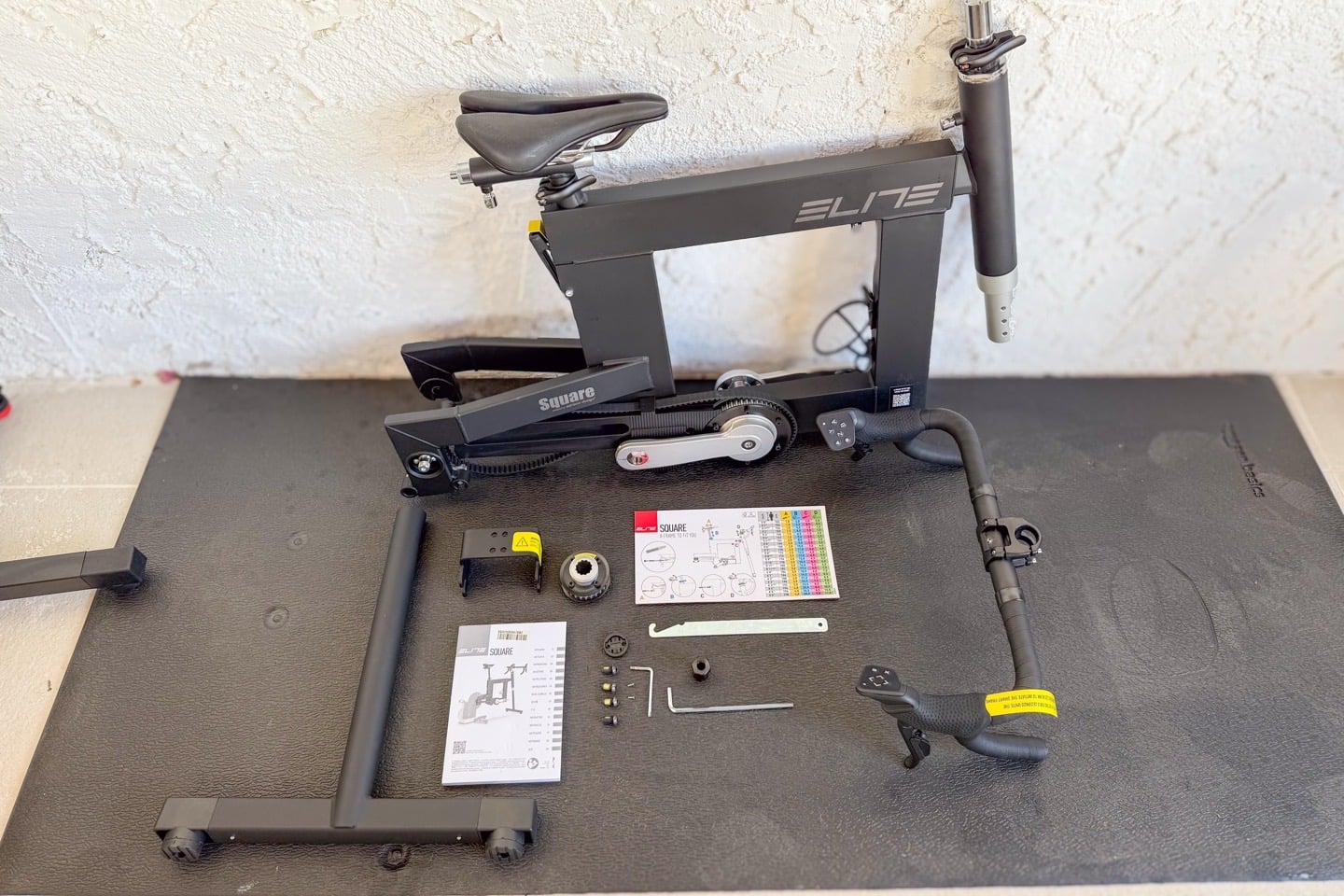
The Elite Square aims to be a versatile, cross-compatible smart bike frame but faces challenges due to industry standards, limiting third-party trainer support. While it offers excellent build quality, quiet operation, and good compatibility with Elite trainers, its third-party trainer support is currently limited, with improvements expected by March 2026. It remains a compelling option for existing Elite users and those seeking multi-platform compatibility, especially in Europe.
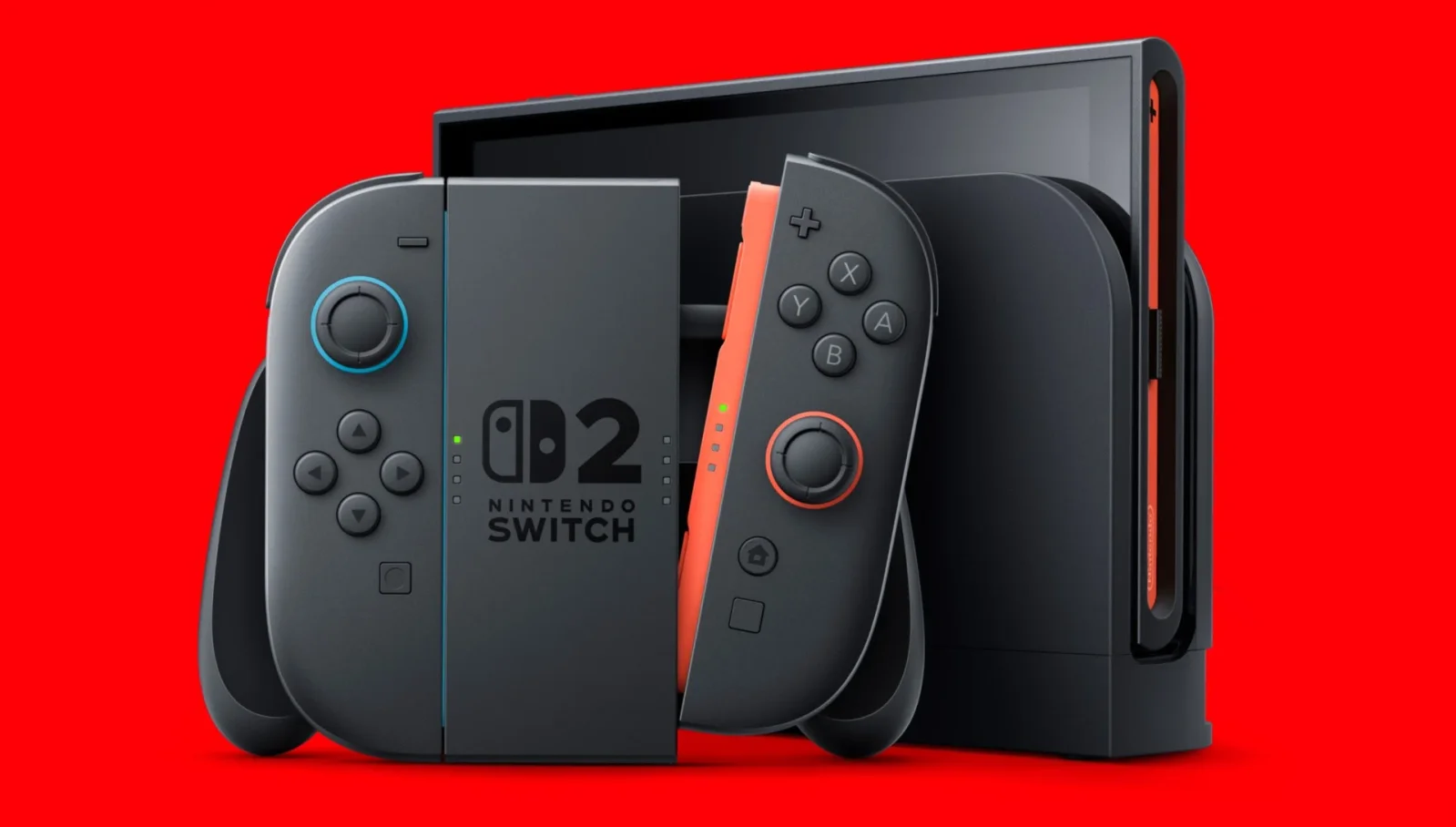
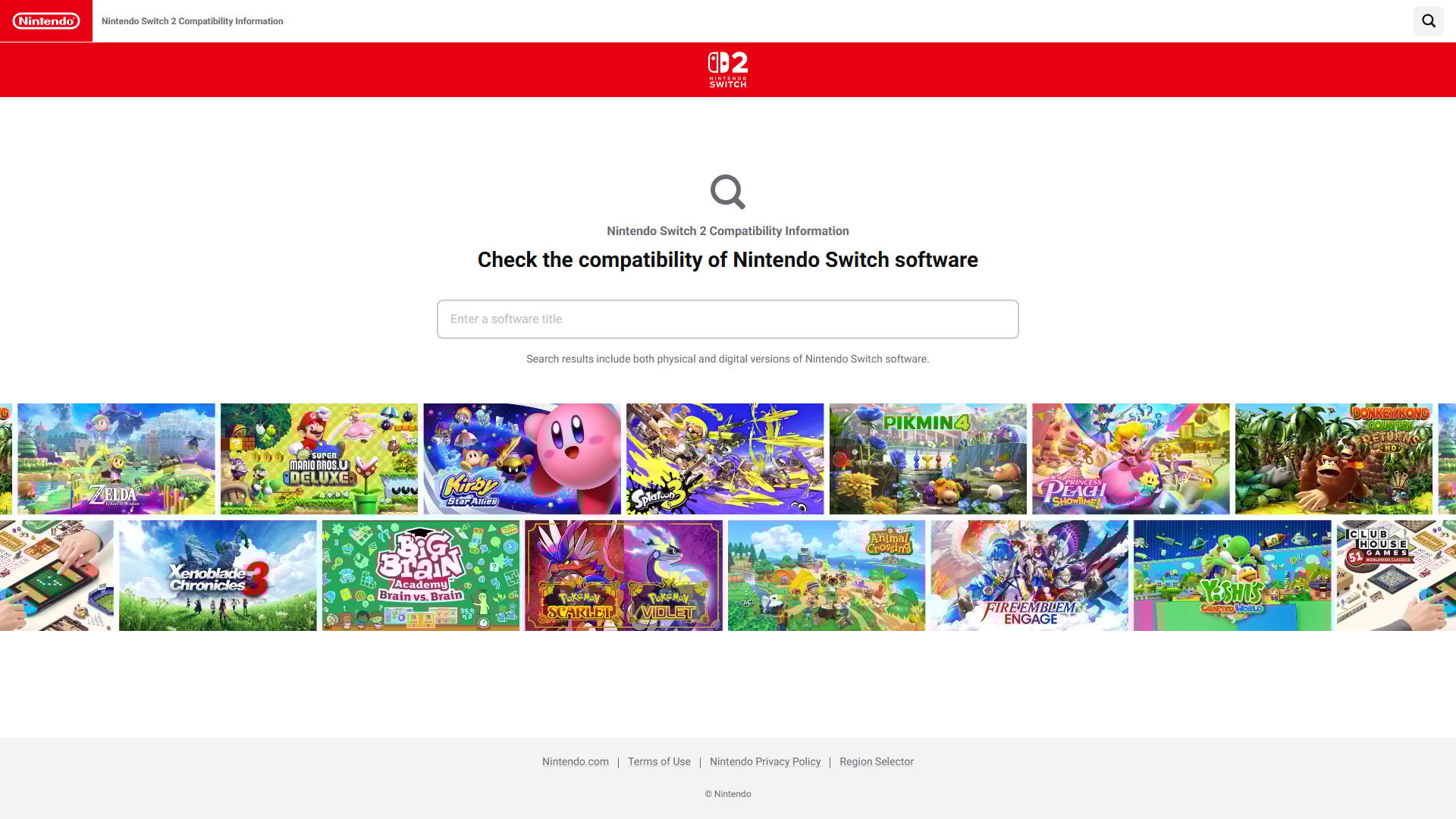
Nintendo has launched a new website that allows users to easily check if their Switch games and apps are compatible with the Switch 2, streamlining the process of tracking updates and compatibility status.
Nintendo has launched a website allowing Switch 2 owners to check game compatibility with the new console, revealing most Switch 1 titles work, though some like NieR: Automata currently face issues. The site provides detailed compatibility info and updates on patches.
Nintendo has launched a website allowing users to check the compatibility of Switch games on Switch 2, including both physical and digital versions, to see if their behavior remains consistent or varies on the new console.
Originally Published 2 months ago — by Hacker News
A gamer switched from Windows to Linux Mint, finding comparable gaming performance and better stability, and expressed frustration with Windows' focus on ads, cloud integration, and backward compatibility issues. The discussion highlights Linux's growing gaming support, Windows' declining user experience, and the potential future where Linux could dominate desktop gaming and even replace Windows in some areas.
Microsoft has announced that Windows 11 25H2, the latest feature update, is now broadly available for all eligible Windows 10 and 11 devices, requiring users to enable automatic updates and meet system requirements, though some issues like localhost auth bugs have been reported.
Microsoft has removed two compatibility safeguard holds that were blocking Windows 11 24H2 updates, after addressing issues related to security drivers and wallpaper customization apps, allowing eligible devices to update freely.
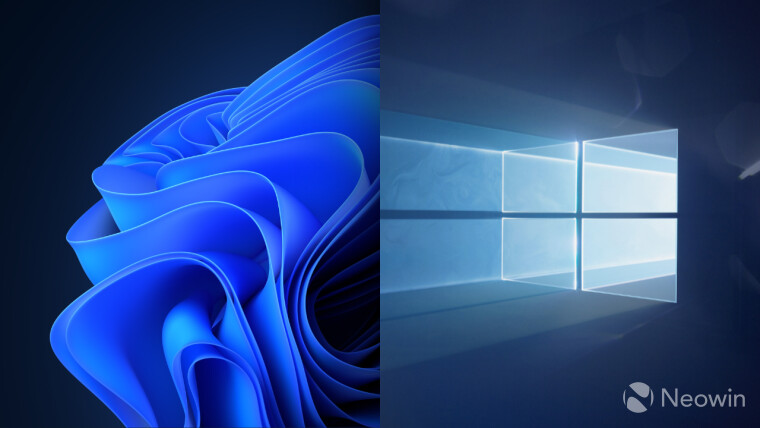
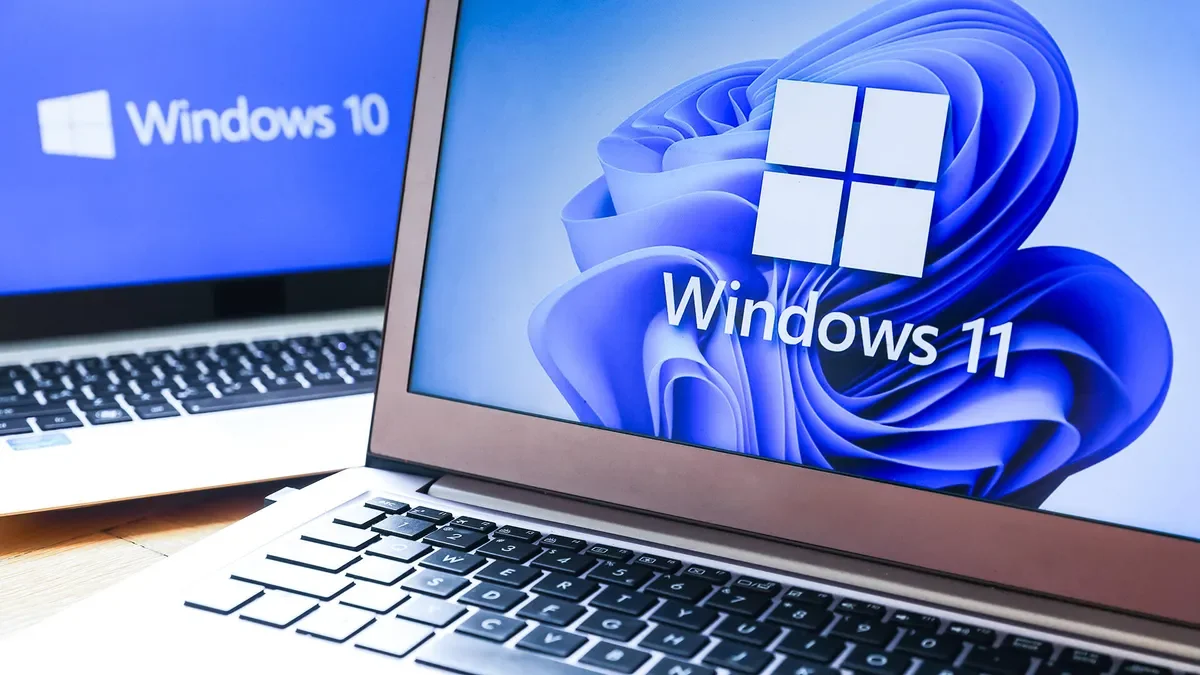
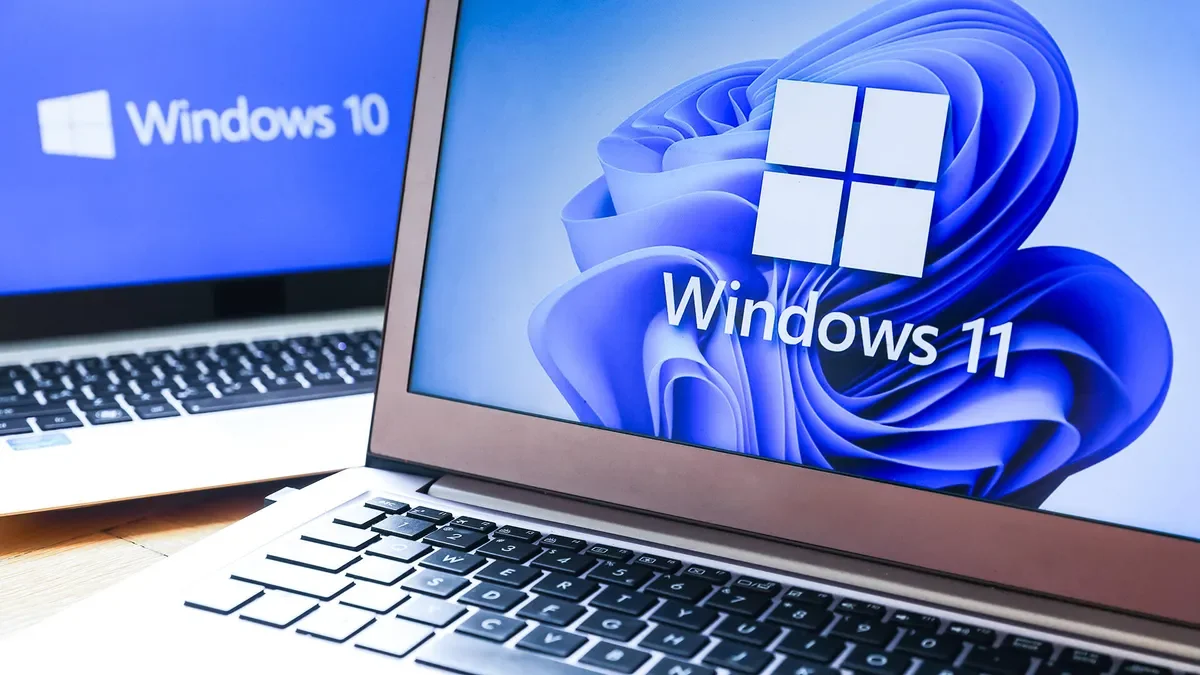
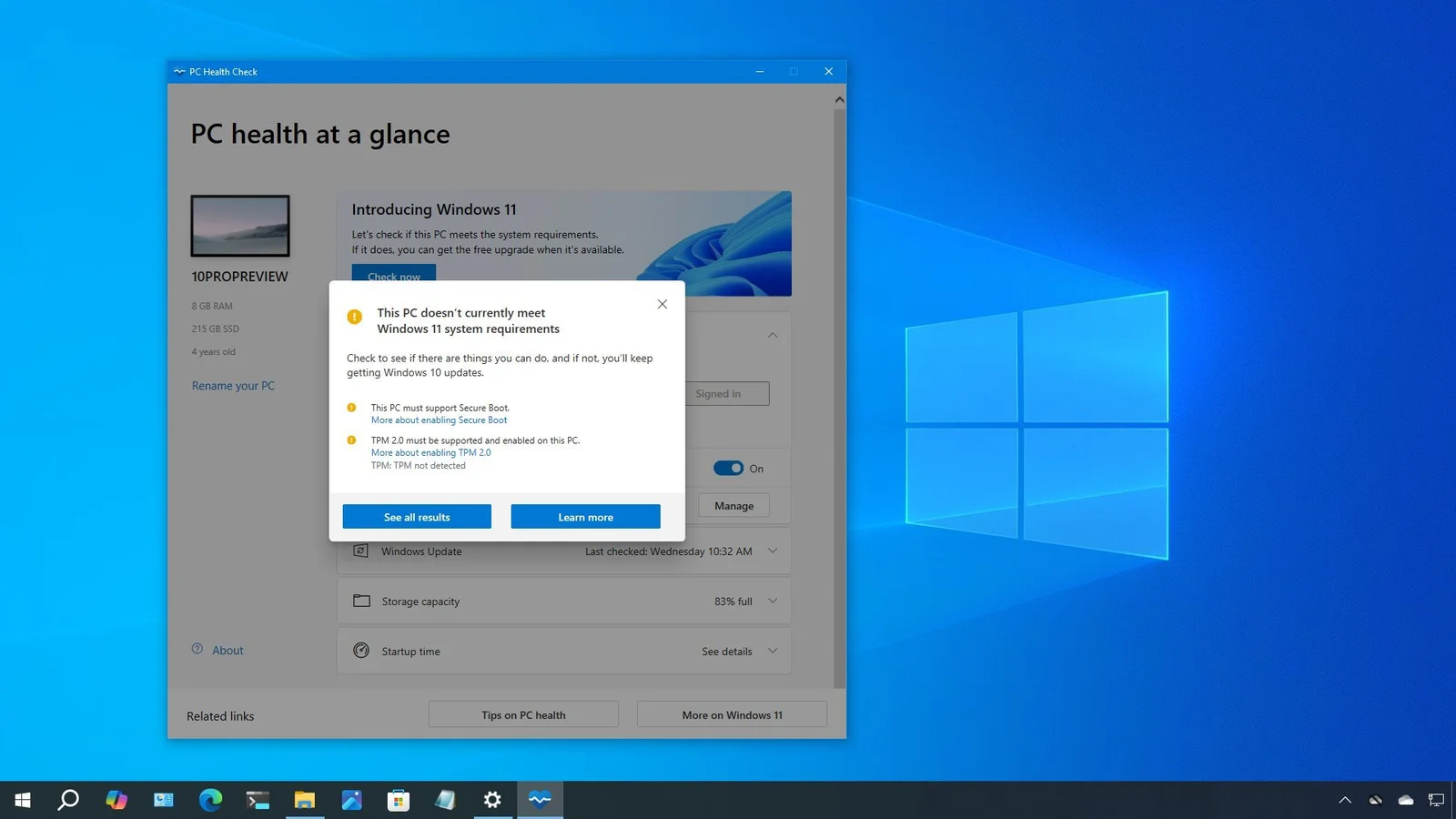
Many Windows 10 PCs that are flagged as incompatible with Windows 11 may actually be upgradeable by enabling Secure Boot and TPM in the BIOS, with simple tweaks and checks using Microsoft's PC Health Check app. If your hardware supports UEFI and Secure Boot, and you can enable TPM, you can often upgrade to Windows 11 for free, even if initial notifications suggest otherwise.
Many Windows 10 PCs, even those marked as incompatible, can be upgraded to Windows 11 for free by adjusting settings like Secure Boot and TPM in the BIOS, often without needing new hardware. The process involves checking compatibility with Microsoft's PC Health Check app, enabling UEFI, Secure Boot, and TPM in BIOS, and possibly modifying registry settings for older hardware. If hardware isn't compatible, adding TPM modules might be an option, but older systems may require replacement. Upgrading is recommended for security reasons, especially as support for Windows 10 ends.
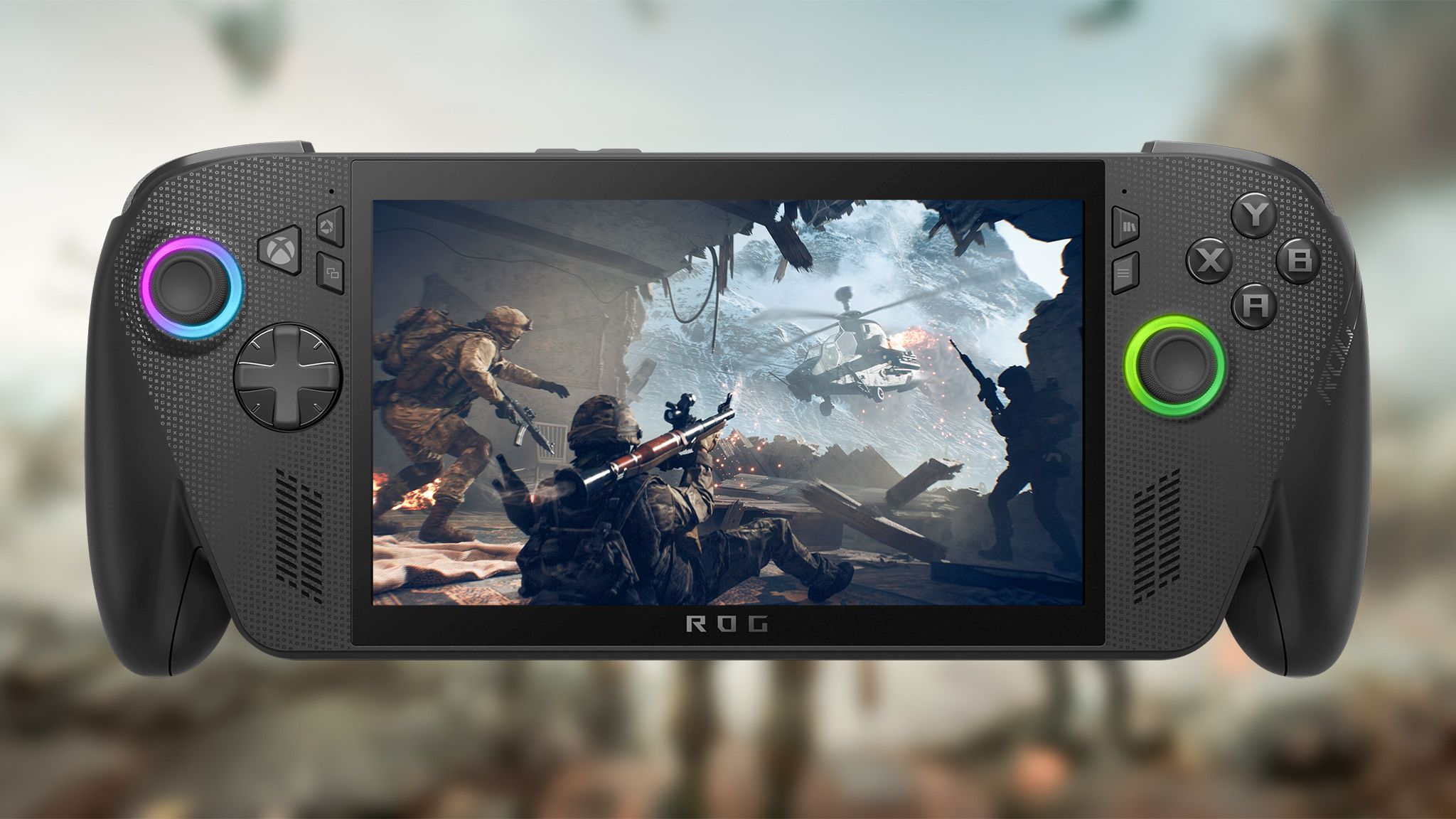
Battlefield 6 cannot be played on the Steam Deck due to its Linux OS and anti-cheat software incompatibility, but it is expected to run on Windows-based handhelds like the ROG Xbox Ally and Lenovo Legion Go, which have more powerful hardware and support Windows.
Microsoft will end support for Windows 10 on October 14, 2025, prompting users to upgrade to Windows 11. To check if their PC is compatible, users can use the PC Health Check app, which assesses hardware requirements like TPM 2.0, storage space, and processor support. If incompatible, users may enable features in UEFI firmware, convert partition styles, or bypass requirements to upgrade. Alternatively, they can enroll in the Extended Security Updates program until October 2026.
The article explains how to upgrade to Windows 11 for free if your PC meets the requirements, including using tools like the PC Health Check, Windows Update, Installation Assistant, Media Creation Tool, or ISO download. For incompatible PCs, a third-party utility called Rufus can bypass requirements to install Windows 11. If your PC doesn't meet the criteria, you'll need to buy a new device.
Most PCs from the last 15 years can be upgraded to Windows 11 despite compatibility checks, using workarounds like registry edits or third-party tools like Rufus, even if they don't meet official requirements such as TPM 2.0 or CPU compatibility. The article provides detailed steps for both official and unofficial upgrade methods, emphasizing the importance of backing up data and understanding potential risks.