Tag

Centaur

All articles tagged with #centaur

AI Advances: Predicting and Mimicking Human Thought Processes

Originally Published 6 months ago — by Study Finds

Featured image for AI Advances: Predicting and Mimicking Human Thought Processes
Source: Study Finds

Scientists developed Centaur, an AI that predicts human behavior with unprecedented accuracy across various psychological experiments, outperforming traditional models and aligning more closely with human brain activity, potentially revolutionizing fields like marketing, education, and mental health, while raising ethical concerns.
AI Mimics Human Thought to Unlock Mind's Mysteries

Originally Published 6 months ago — by The New York Times

Featured image for AI Mimics Human Thought to Unlock Mind's Mysteries
Source: The New York Times

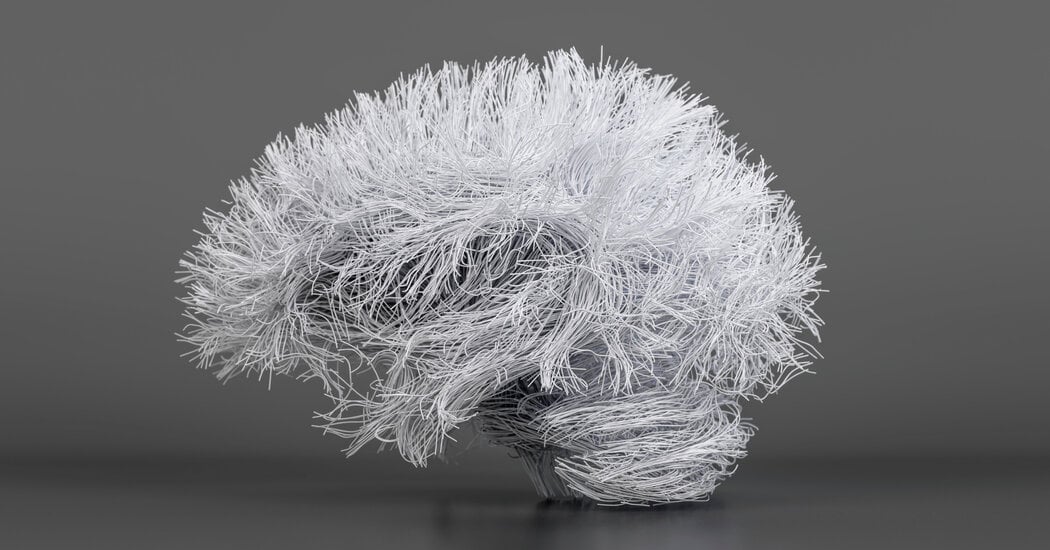
Scientists trained a large language model called Centaur on over 10 million responses from psychological experiments to mimic human behavior across various tasks, demonstrating its potential to serve as a tool for understanding human cognition, though it does not yet provide new theories of the mind.

"Mysterious Satellites: Unraveling the Secrets of Celestial Rings"

Originally Published 1 year ago — by Space.com

Featured image for "Mysterious Satellites: Unraveling the Secrets of Celestial Rings"
Source: Space.com

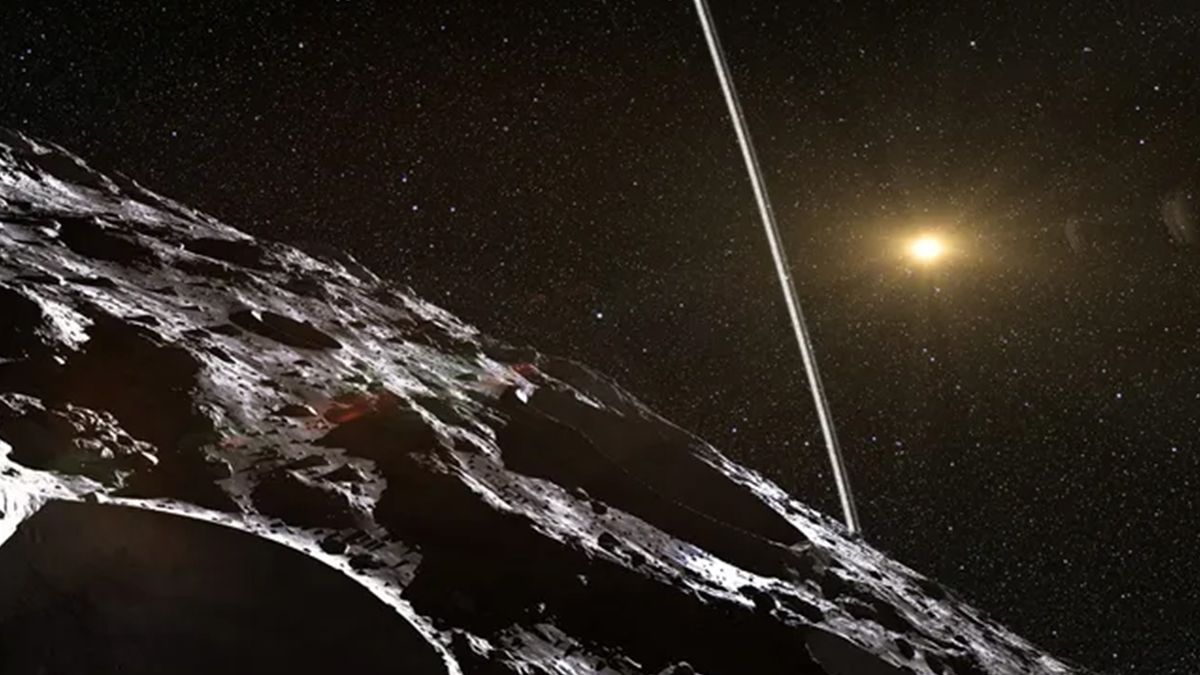
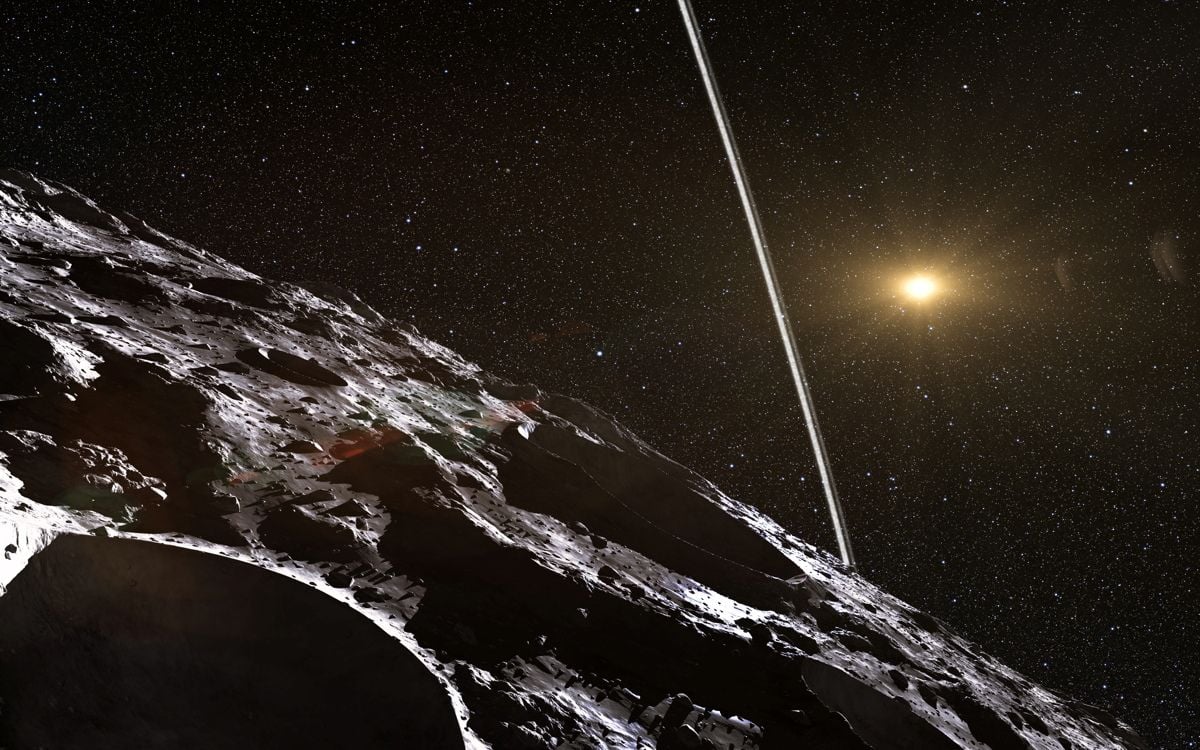
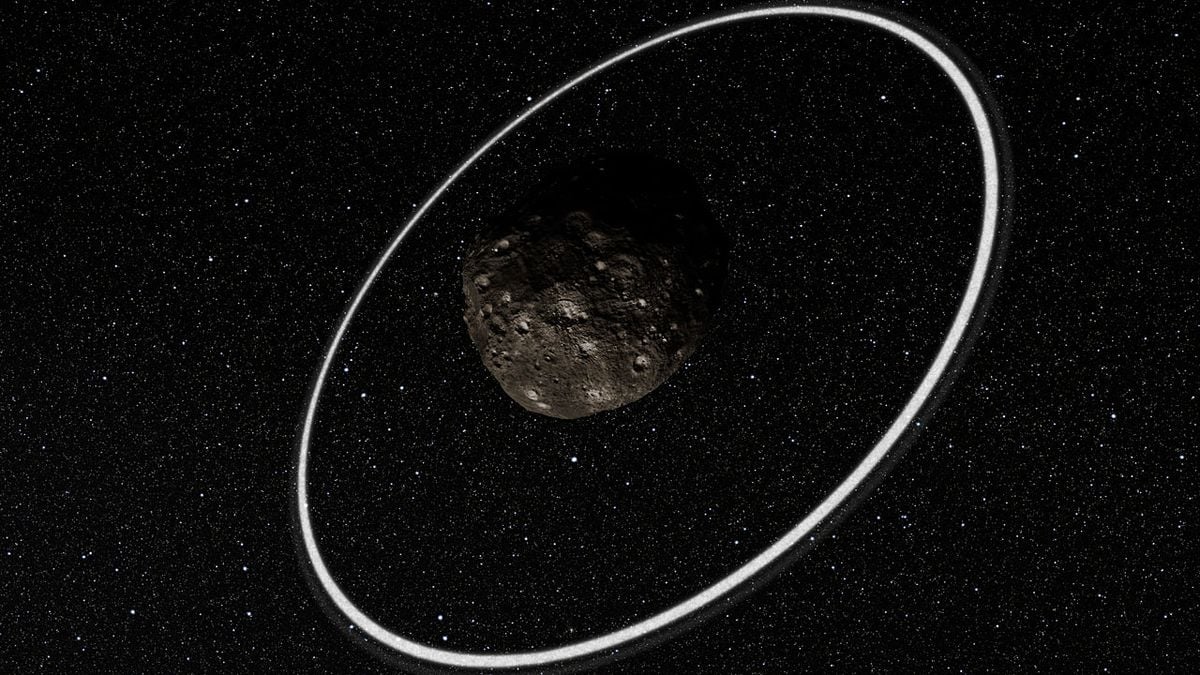
Computer simulations suggest that a small, unseen moonlet may be responsible for shaping the thin rings around the distant minor planet Chariklo, a Centaur located between Jupiter and Neptune. These rings, which are not like the rings of giant planets, are thought to be sculpted by the influence of a small satellite, keeping them narrow and preventing them from dispersing. The rings are primarily made of water ice, and their formation and stability are still under investigation.

"The Enigmatic Centaur Head: A Scientific Puzzle"

Originally Published 2 years ago — by Phys.org

Featured image for "The Enigmatic Centaur Head: A Scientific Puzzle"
Source: Phys.org

Despite intensive scientific analyses, the brown film on the centaur head from the Parthenon temple at the National Museum of Denmark remains a mystery. The film, first examined in 1830, contains oxalates, but its origin is unknown. Recent investigations found no traces of biological matter or paint, and the film consists of two distinct layers with different chemical compositions. The centaur head, brought to Denmark in 1688, has been indoors since before modern industrialization, making air pollution an unlikely cause. The mystery of the brown film persists, leaving researchers puzzled.

Transformation of Mysterious Object Trapped Between Saturn and Uranus

Originally Published 2 years ago — by Livescience.com

Featured image for Transformation of Mysterious Object Trapped Between Saturn and Uranus
Source: Livescience.com

The Centaur object 2060 Chiron, located between Saturn and Uranus, has been found to have a transforming disk of dust around it that changes shape and can mimic rings. Observations during stellar occultations in 2011 and 2018 revealed the presence of dusty material at different distances from Chiron's center, suggesting an evolving system rather than stable rings. Another occultation in 2022 detected three symmetrical structures forming a wide disk around Chiron. The origin and composition of this material remain unknown, but it is likely to come from Chiron itself. These findings also raise questions about the nature of the structures around another Centaur, Chariklo.

"Shape-shifting Centaur: Icy Object's Rings Undergo Astonishing Transformation"

Originally Published 2 years ago — by Space.com

Featured image for "Shape-shifting Centaur: Icy Object's Rings Undergo Astonishing Transformation"
Source: Space.com

The Centaur object 2060 Chiron, a captured cometary object that orbits between Jupiter and Neptune, has been found to have a transforming disk of dust around it that changes shape and can mimic rings. Observations during stellar occultations in 2011 and 2018 revealed the presence of dusty material at different distances from Chiron's center, suggesting an evolving system rather than stable rings. Another Centaur, 10199 Chariklo, was previously shown to have rings, but the findings at Chiron raise questions about the nature of the structures around Chariklo as well. The origin and composition of the material around Chiron remain unknown.