New DNA analysis of the Roman-era Beachy Head Woman confirms she was from southeastern England, lived between A.D. 129 and 311, and had a seafood-rich diet, refining previous theories about her origins.
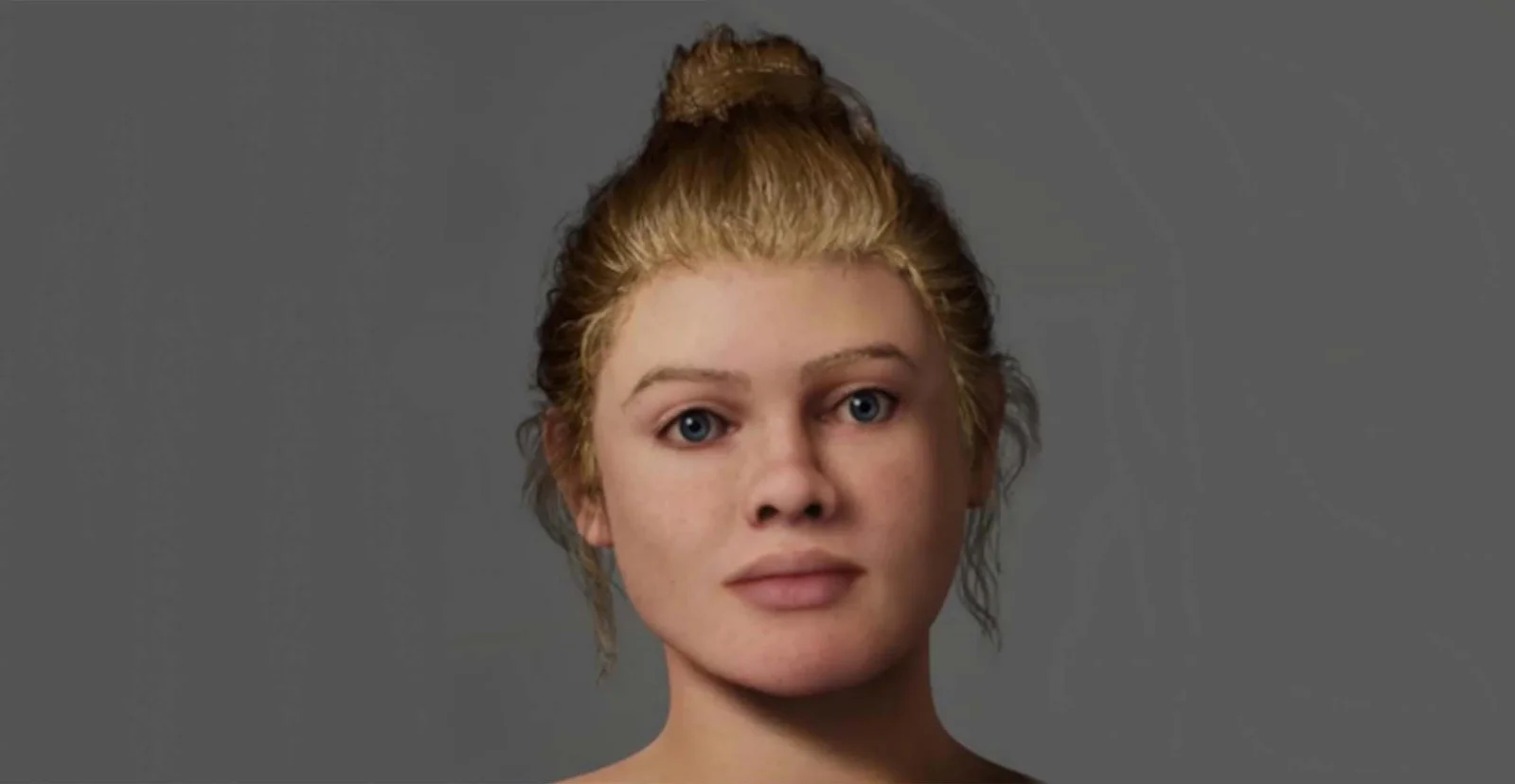
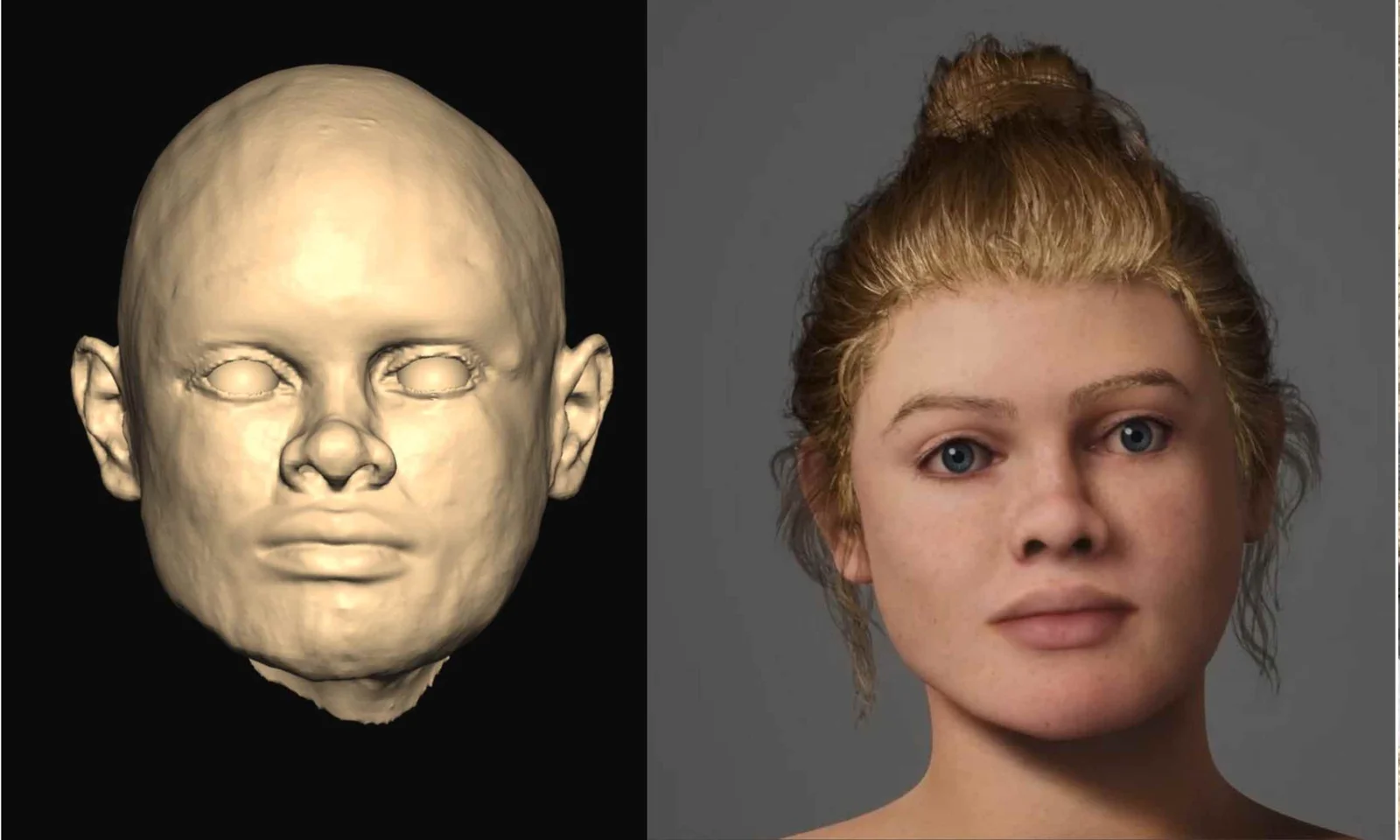
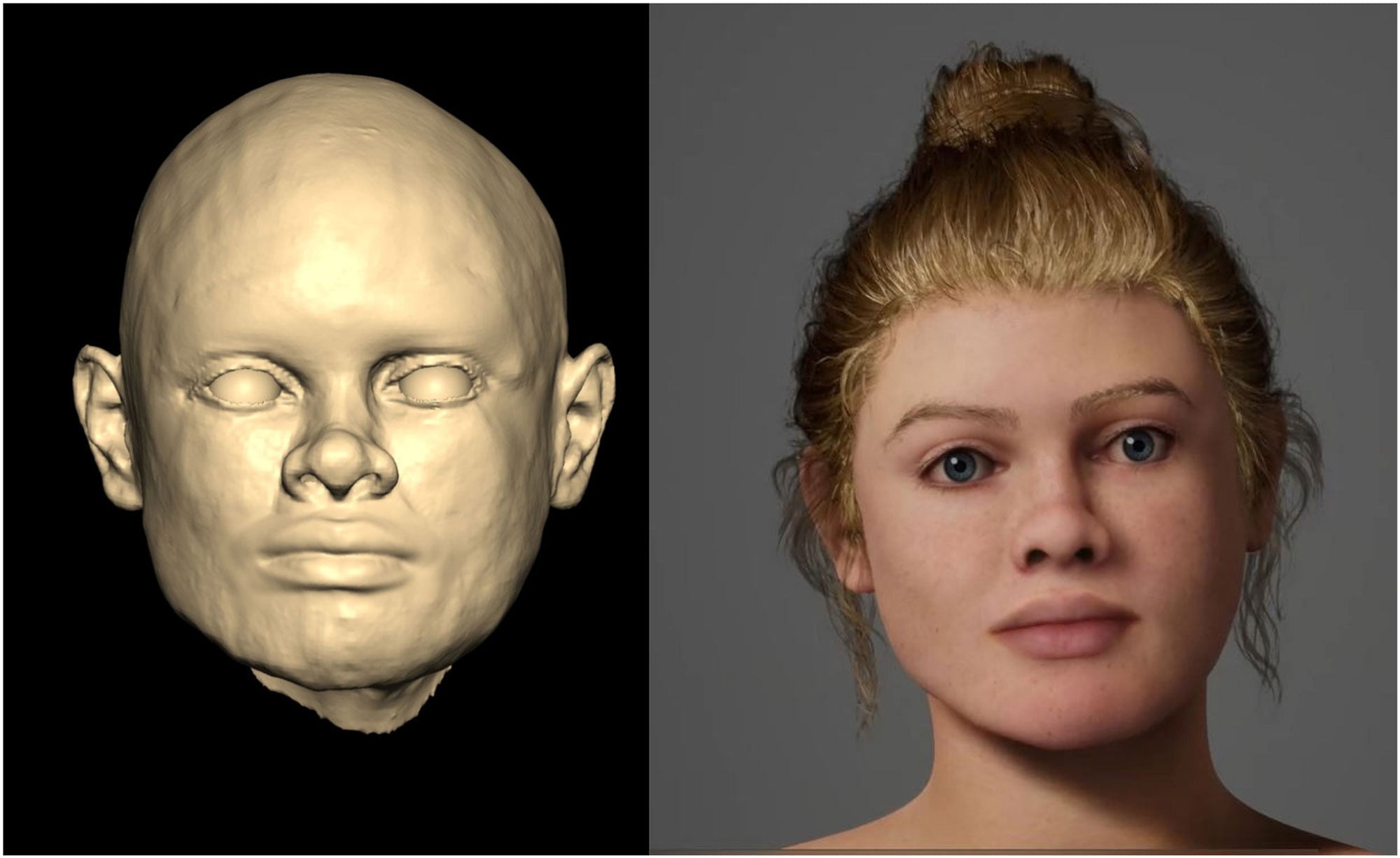
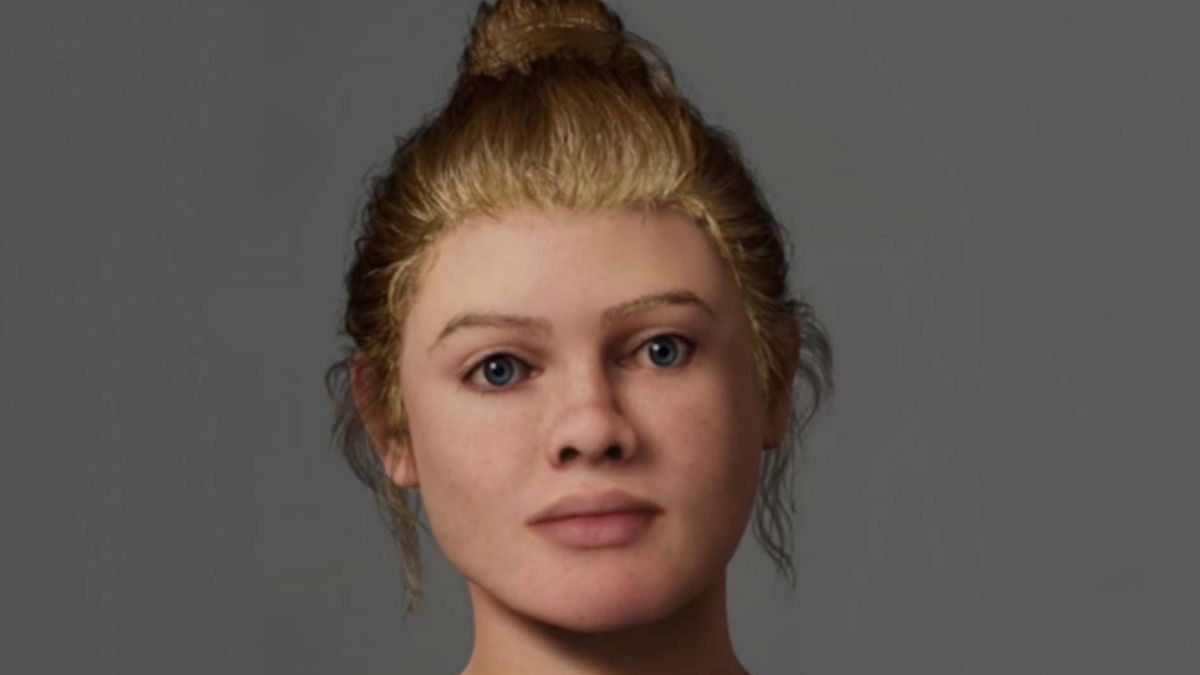
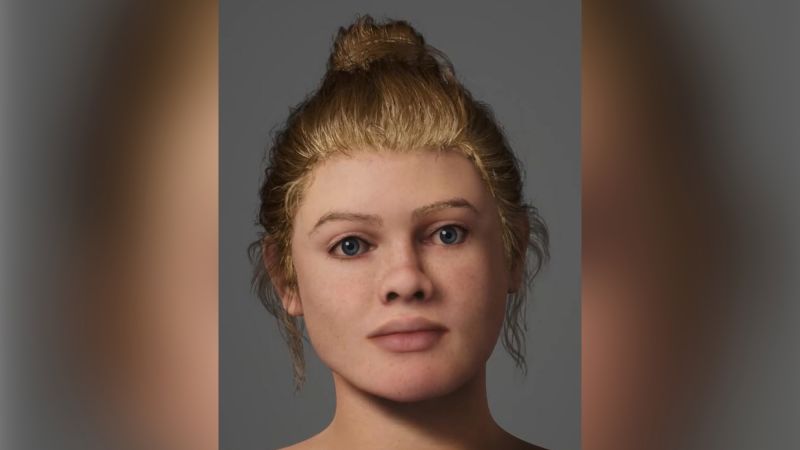
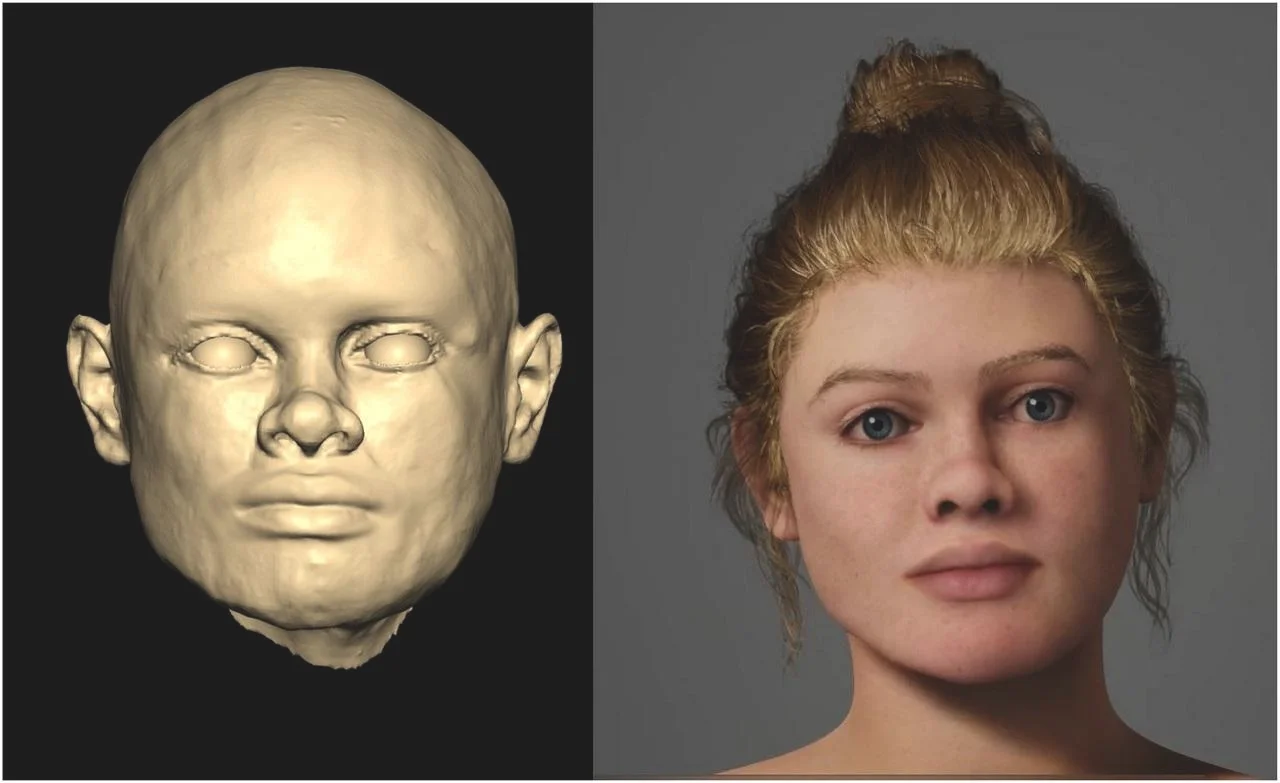
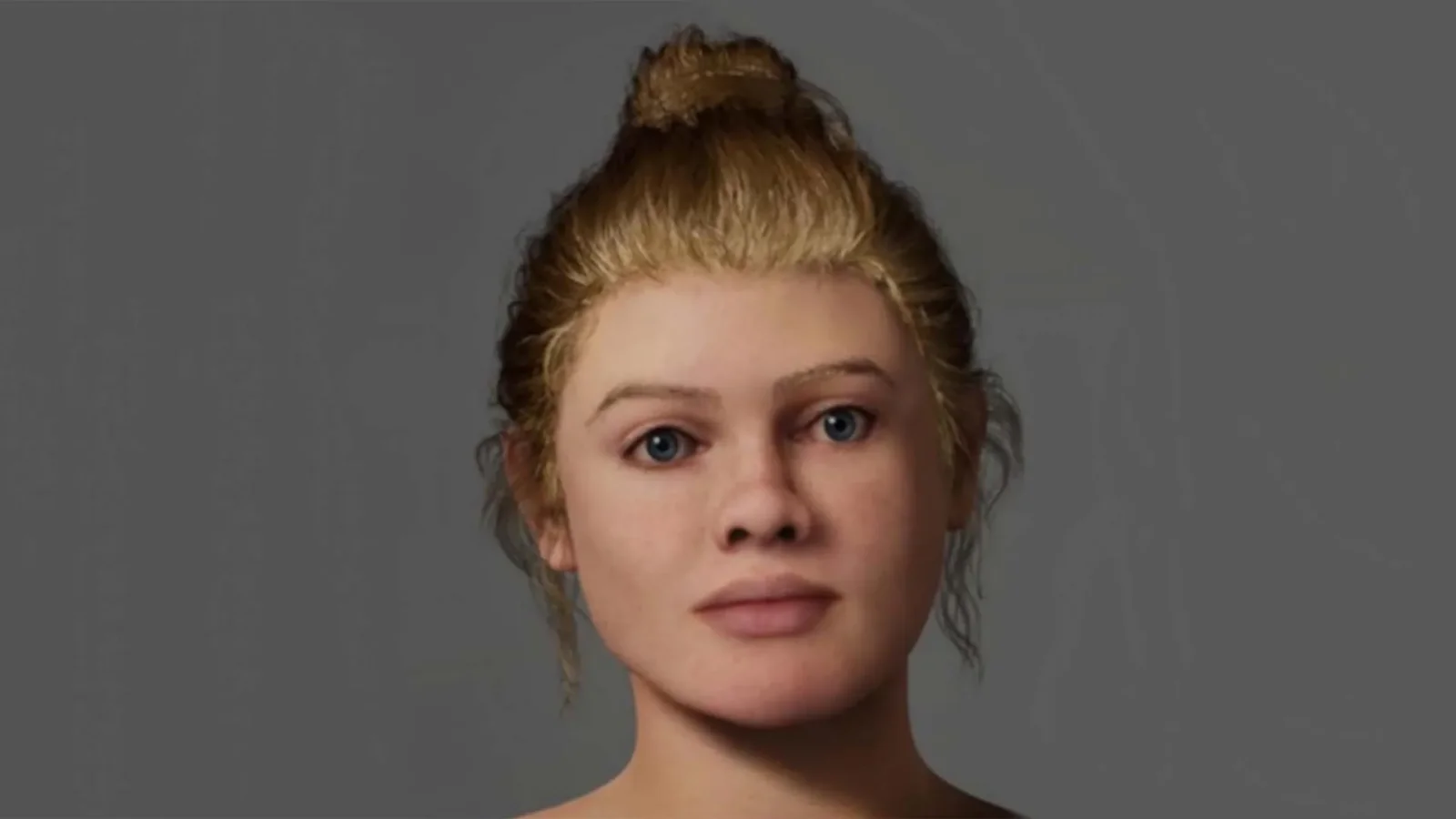
New DNA analysis reveals that the Beachy Head Woman, a Roman-era skeleton from Britain, was likely a local Briton with lighter skin and blue eyes, challenging previous assumptions that she was of African or Mediterranean origin based on her physical features.
Recent advances in DNA sequencing have revealed that the so-called 'first Black Briton,' Beachy Head Woman, was actually from southern England with fair skin and light features, challenging earlier assumptions based on skull measurements that suggested sub-Saharan African origins. This highlights how technological progress can refine our understanding of historical figures.
A decade-long mystery surrounding the Beachy Head Woman, a Roman-era skeleton found in southern England, has been resolved through advanced DNA analysis, revealing she was a local woman from Roman Britain with no evidence of distant migration, and providing new insights into her life and appearance.
Recent DNA analysis shows that the Beachy Head Woman, once thought to be of sub-Saharan or Cypriot origin, was actually a local from Roman-era southern England, correcting previous misconceptions about her ancestry.
New DNA analysis reveals that the Beachy Head Woman, a Roman-era skeleton found in southern England, was likely a local Briton rather than of Mediterranean or sub-Saharan African origin, resolving a decade-long mystery about her ancestry.