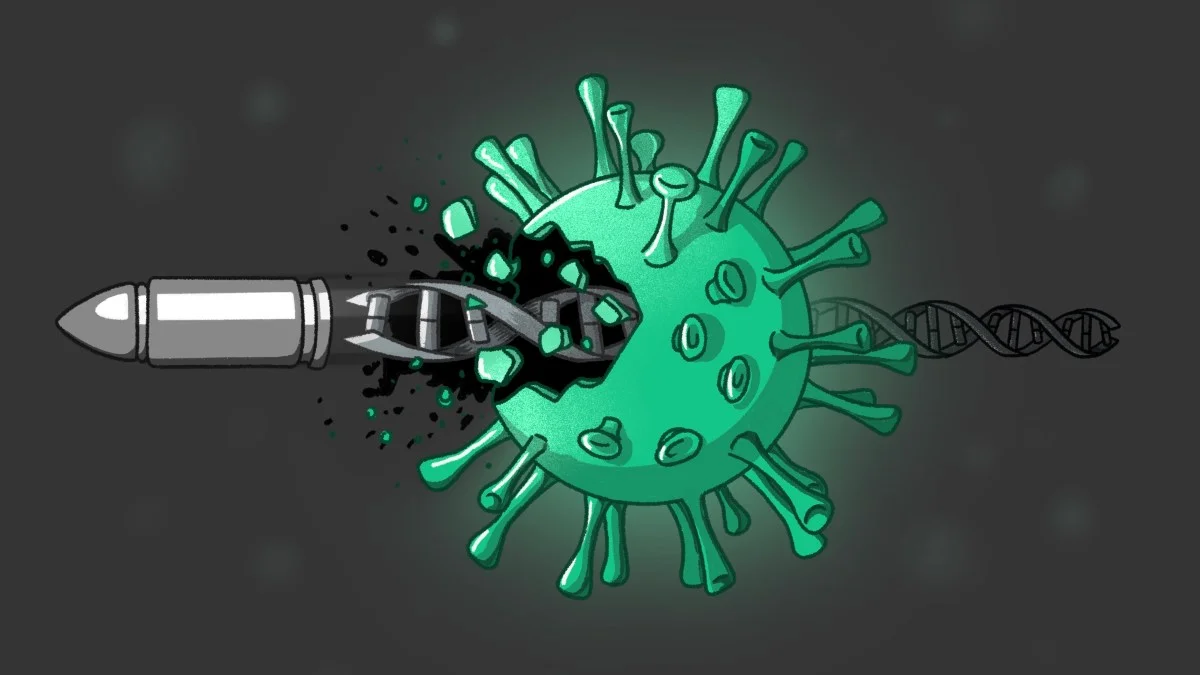
A new project aims to synthesize a human chromosome, marking progress in synthetic biology and genome engineering, building on the completion of the human genome sequence in 2022.
Scientists are beginning work on the Synthetic Human Genome project, aiming to digitally design and synthesize a large portion of human DNA, which could revolutionize medicine and biotechnology, though ethical and technical challenges remain.
A UK-based research team, funded by the Wellcome Trust with $11.7 million, is pioneering the creation of a human genome from scratch, aiming to deepen understanding of genetics and develop new medical treatments, while actively addressing the ethical implications of such technology.
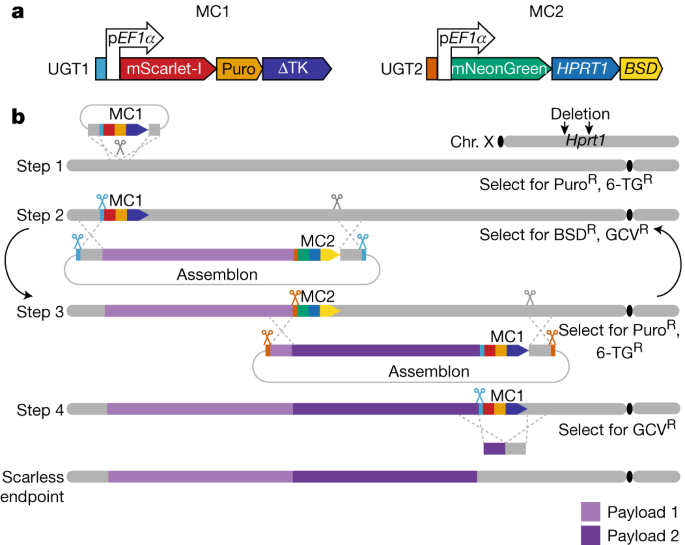
Scientists have developed a novel mammalian genome writing method called mSwAP-In, which allows for large-scale, scarless, and iterative genome writing in mouse embryonic stem cells. Using this method, they successfully engineered a synthetic version of the Trp53 gene and fully humanized the ACE2 gene in mouse models. The humanized ACE2 mice were susceptible to SARS-CoV-2 infection and exhibited a more accurate representation of COVID-19 pathology compared to existing transgenic models. This genome writing technique has the potential to bridge human-mouse evolutionary gaps and improve our understanding of human diseases.
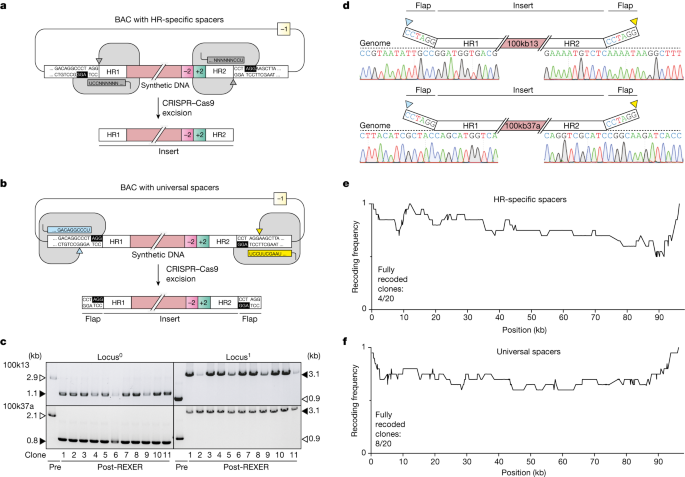
Researchers have developed a method for continuous synthesis of E. coli genome sections and assembly of Mb-scale human DNA. The study provides detailed data availability, including sequences, design details, and code used in the experiments. The research builds upon previous work in genome recoding and large-scale genome rearrangement, offering potential applications in synthetic biology and genetic engineering.