Tag

Chagas Disease

All articles tagged with #chagas disease

health3 months ago

Kissing bugs and the persistent threat of disease spread in the US

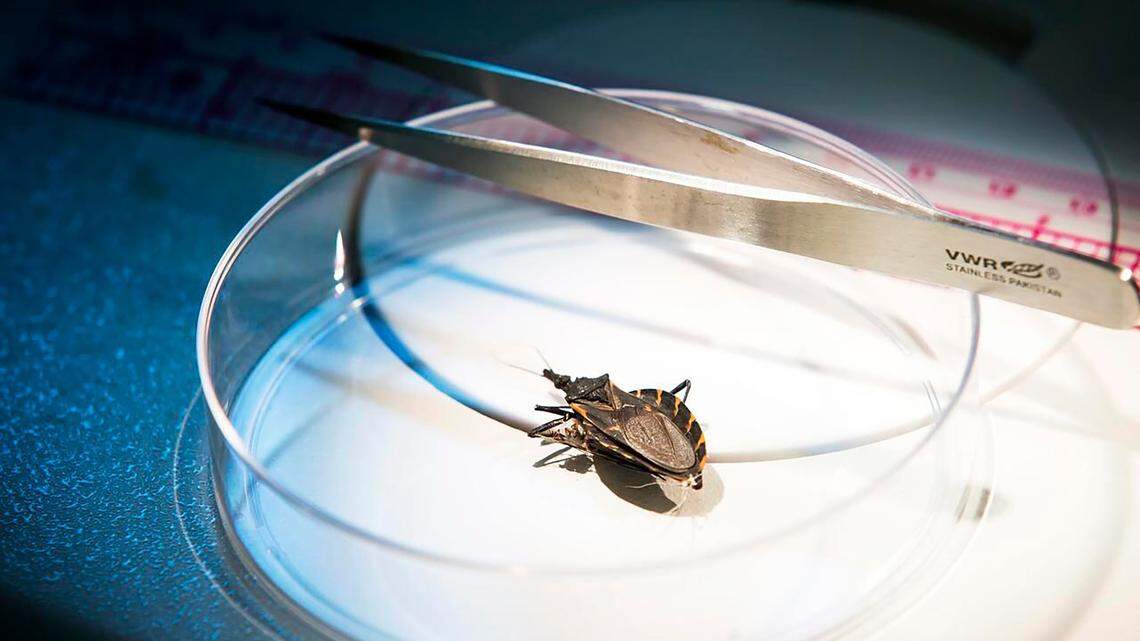
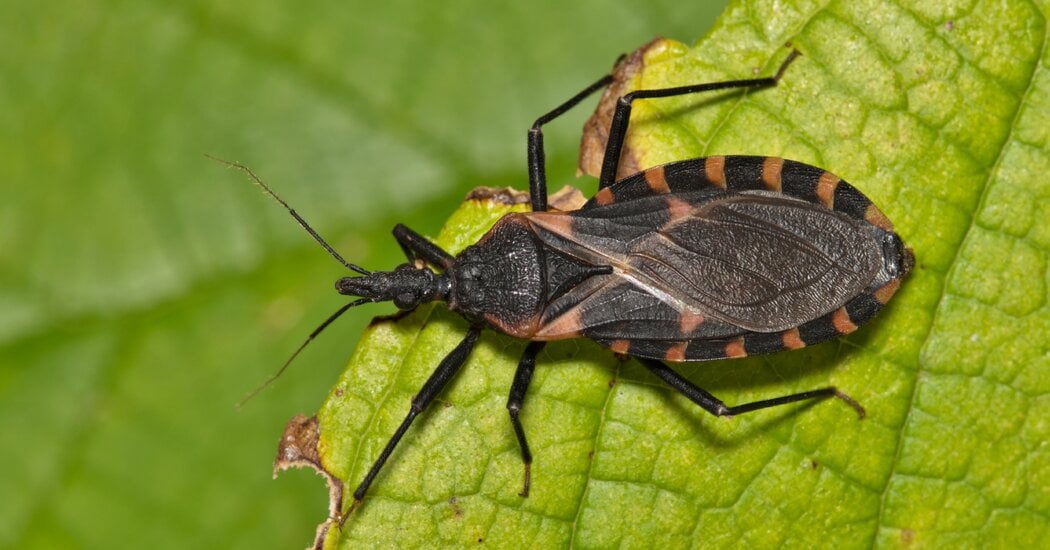
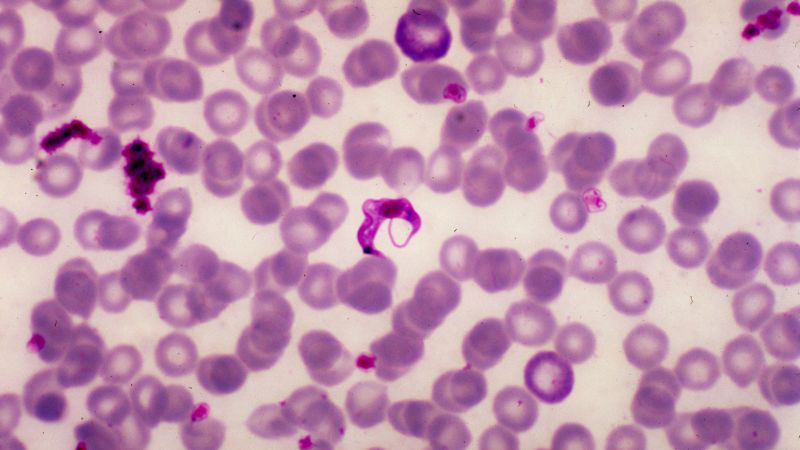
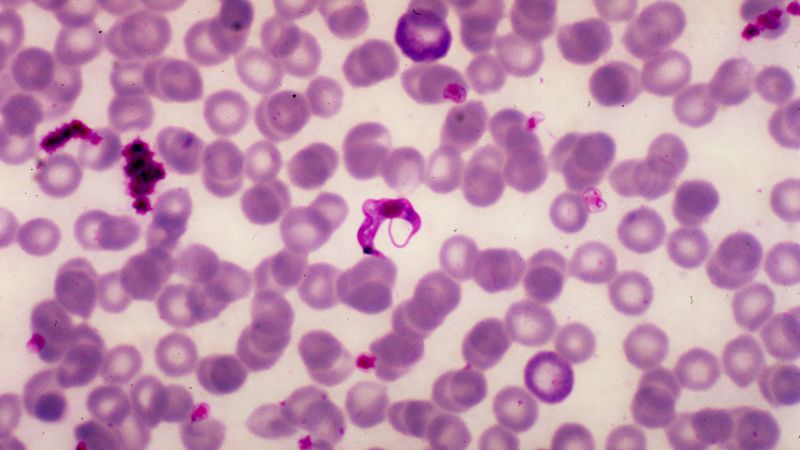
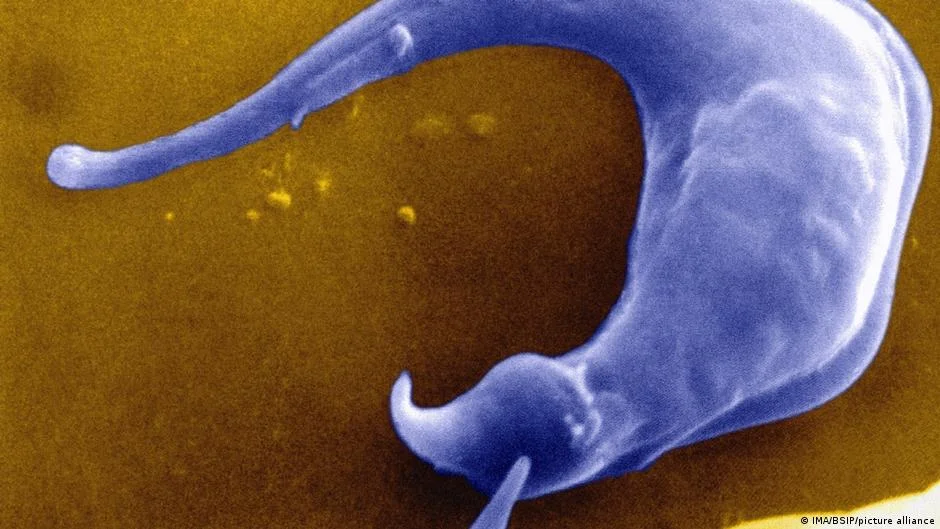
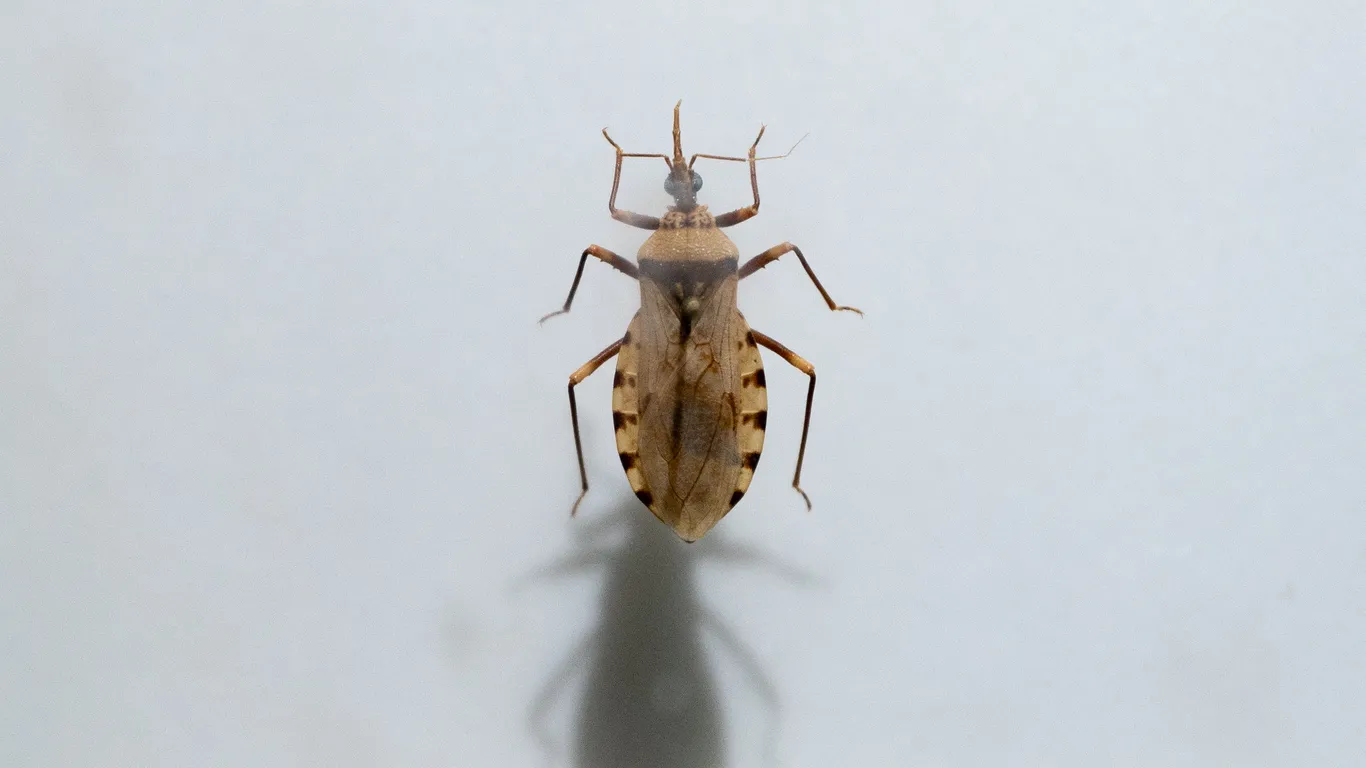
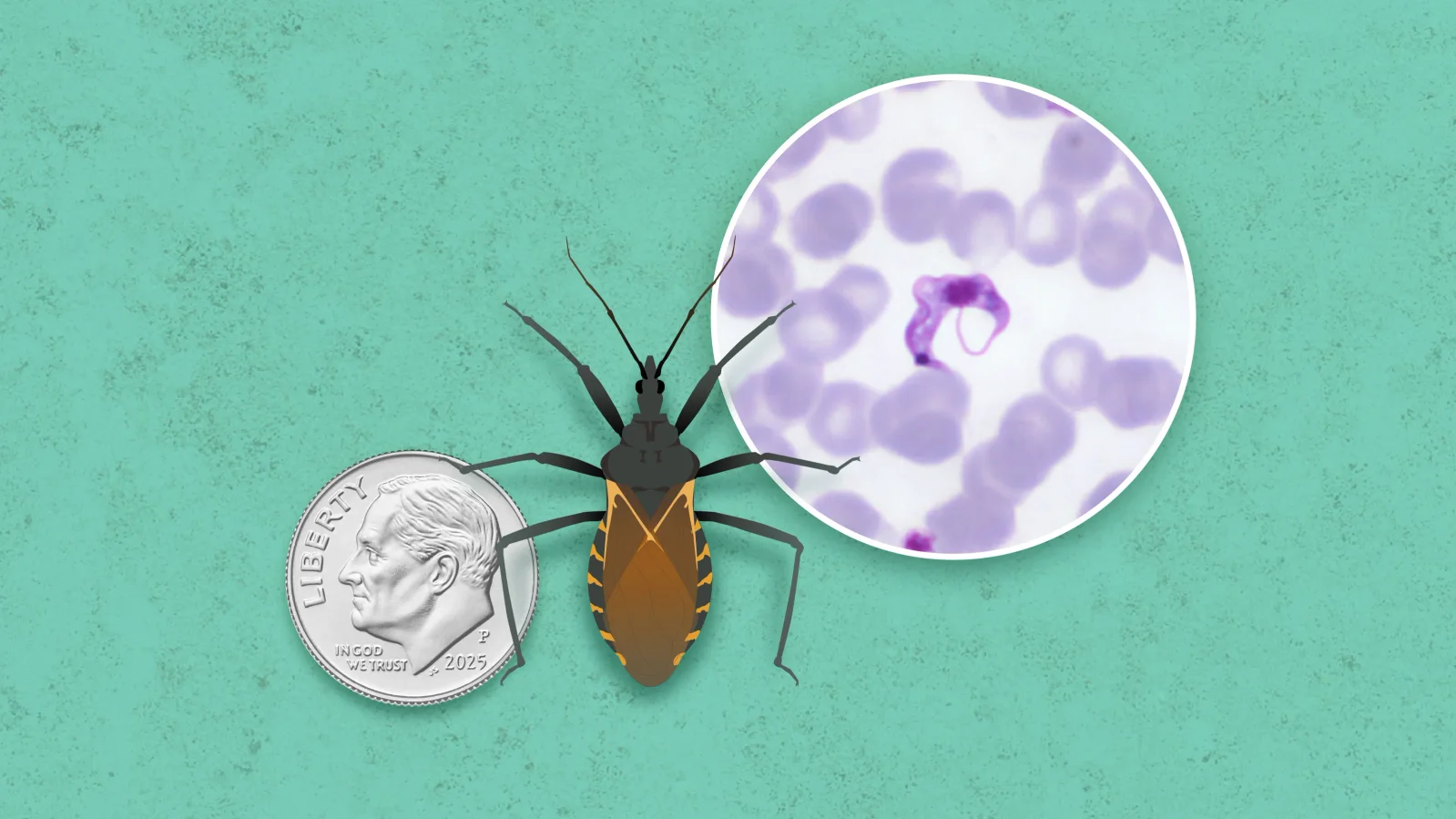
Kissing bugs, which bite around the mouth and eyes, are spreading in the U.S. and can transmit Chagas disease, a potentially fatal illness caused by the parasite Trypanosoma cruzi. The disease has an acute phase that can be cured with medication if caught early, but it can progress to a chronic stage with no cure, often without symptoms. Kissing bugs are found in rural and suburban areas, hiding in homes, and about half carry the parasite, posing a health risk to humans.

health3 months ago

Kissing Bugs and the Spread of Chagas Disease in the US

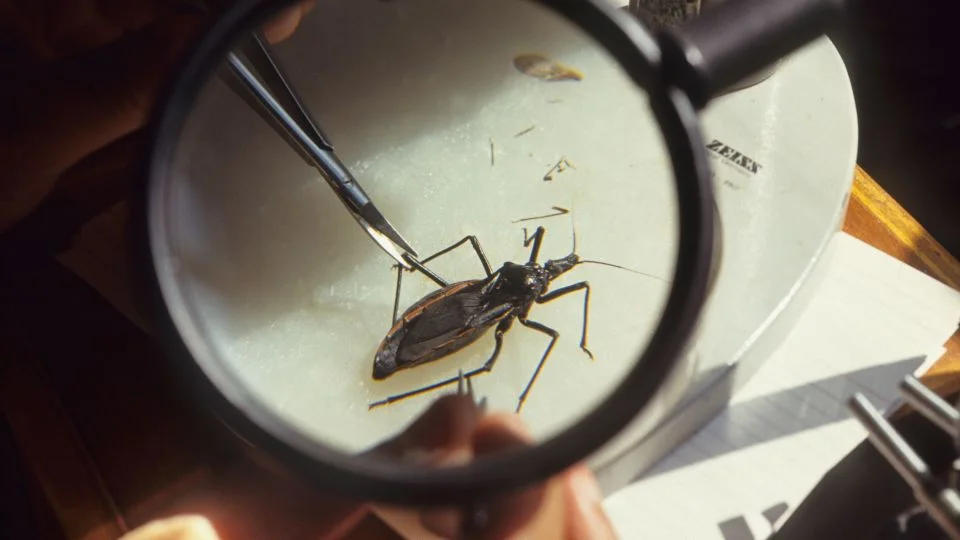
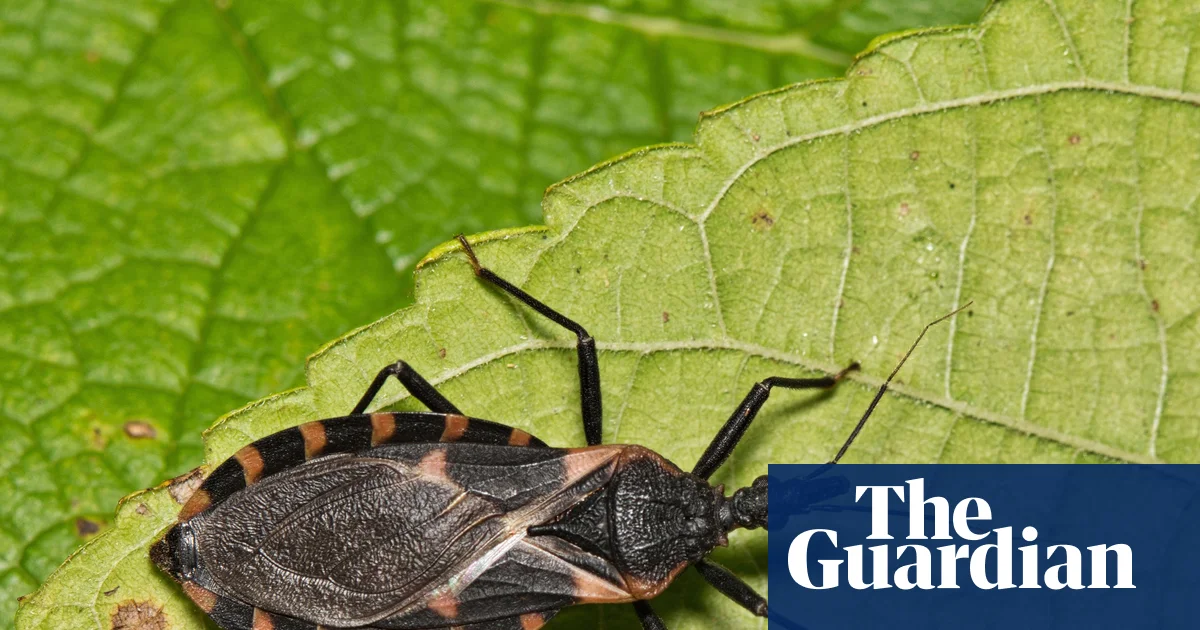
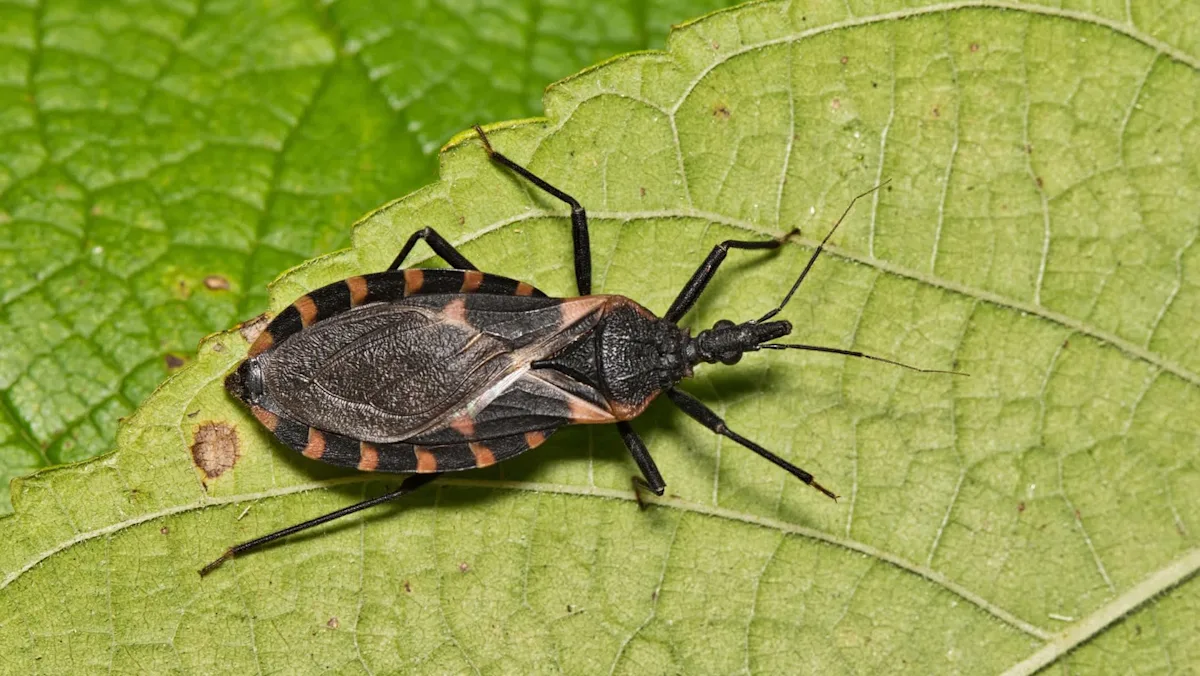
Kissing bugs, now found in Ohio, are insects that can carry the parasite causing Chagas disease, which can be severe or fatal if untreated. Most bugs are not infected, and they prefer feeding on animals, but human contact can pose health risks. Recognizable by their cone-shaped heads and dark color with orange or yellow stripes, they are active at night and can live indoors or outdoors. While the risk of infection is low, awareness and prevention are important, especially in areas with high rodent or animal activity.

health4 months ago

Kissing Bugs Invade Florida Homes, Sucking Blood While We Sleep

Kissing bugs have been found invading homes in Florida, carrying the parasite that causes Chagas disease, which can be life-threatening but is often underreported and asymptomatic. The study highlights the risk of these bugs entering homes to feed on humans and pets, emphasizing the importance of awareness and prevention measures. While no cases of transmission in the US have been confirmed, the presence of infected bugs suggests a potential health concern, especially in less affluent areas.

health4 months ago

Kissing Bugs and Chagas Disease: Rising Threats in the U.S.

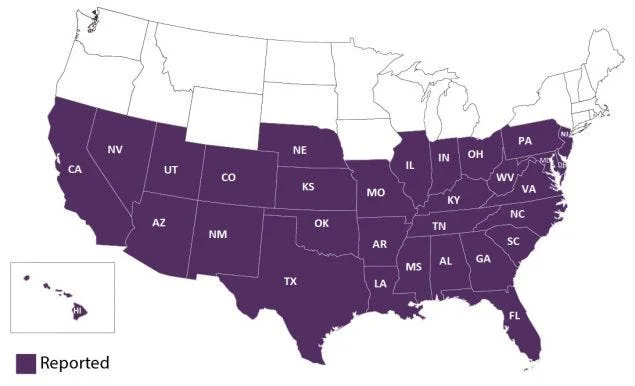
Chagas disease, caused by the parasite Trypanosoma cruzi and transmitted by kissing bugs, is increasingly being reported in the U.S., with cases confirmed in at least eight states. The disease can cause serious long-term health issues, but there is no vaccine; prevention involves insect control and protective measures. Early treatment with antiparasitic drugs is most effective, and health officials advise those exposed to seek medical evaluation.