Expert Tips for Healthy Eating
Nutrition experts advise against restrictive diets and recommend focusing on nourishing foods that bring joy to maintain healthy eating habits.
All articles tagged with #diets

Nutrition experts advise against restrictive diets and recommend focusing on nourishing foods that bring joy to maintain healthy eating habits.

Pediatric cardiologist Dr. David Stone dispels common myths about nutrition and diets, emphasizing the importance of long-term lifestyle changes over temporary fads. He advocates for simple, sustainable approaches to nutrition, including the benefits of low-carb diets and the misconception that eating fat leads to fat storage. Stone recommends focusing on the type of calories consumed rather than counting them, and encourages thinking of food as fuel and energy for the body.

Some hospitals reinstate mask mandates due to a rise in COVID-19 and flu cases, while a study suggests annual breast cancer screenings reduce mortality. Screen time for toddlers is linked to sensory differences, and a panel of health experts selects the best diets for 2024. Additionally, designers are transforming hearing aids into fashionable accessories, and a study identifies 15 factors contributing to young-onset dementia.

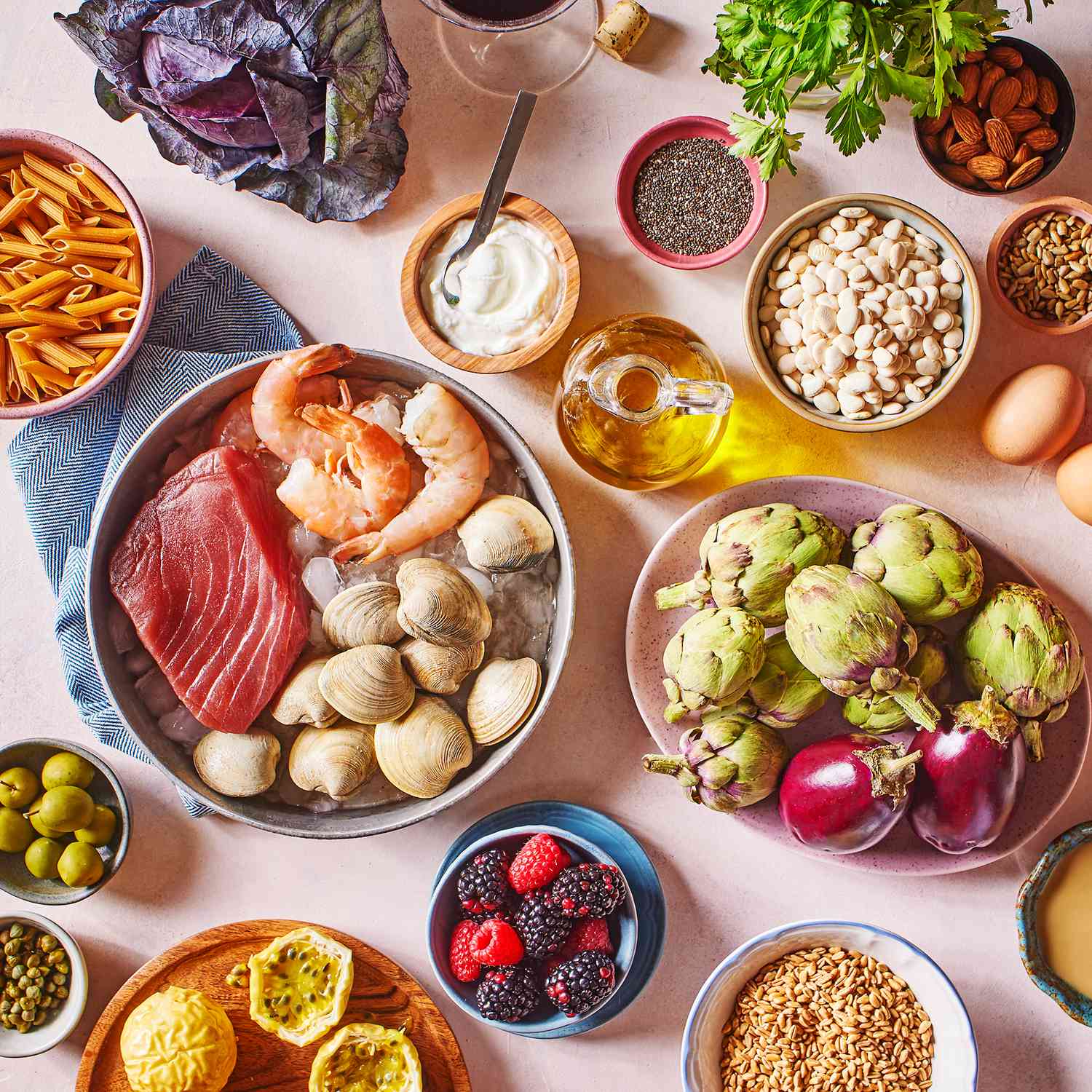
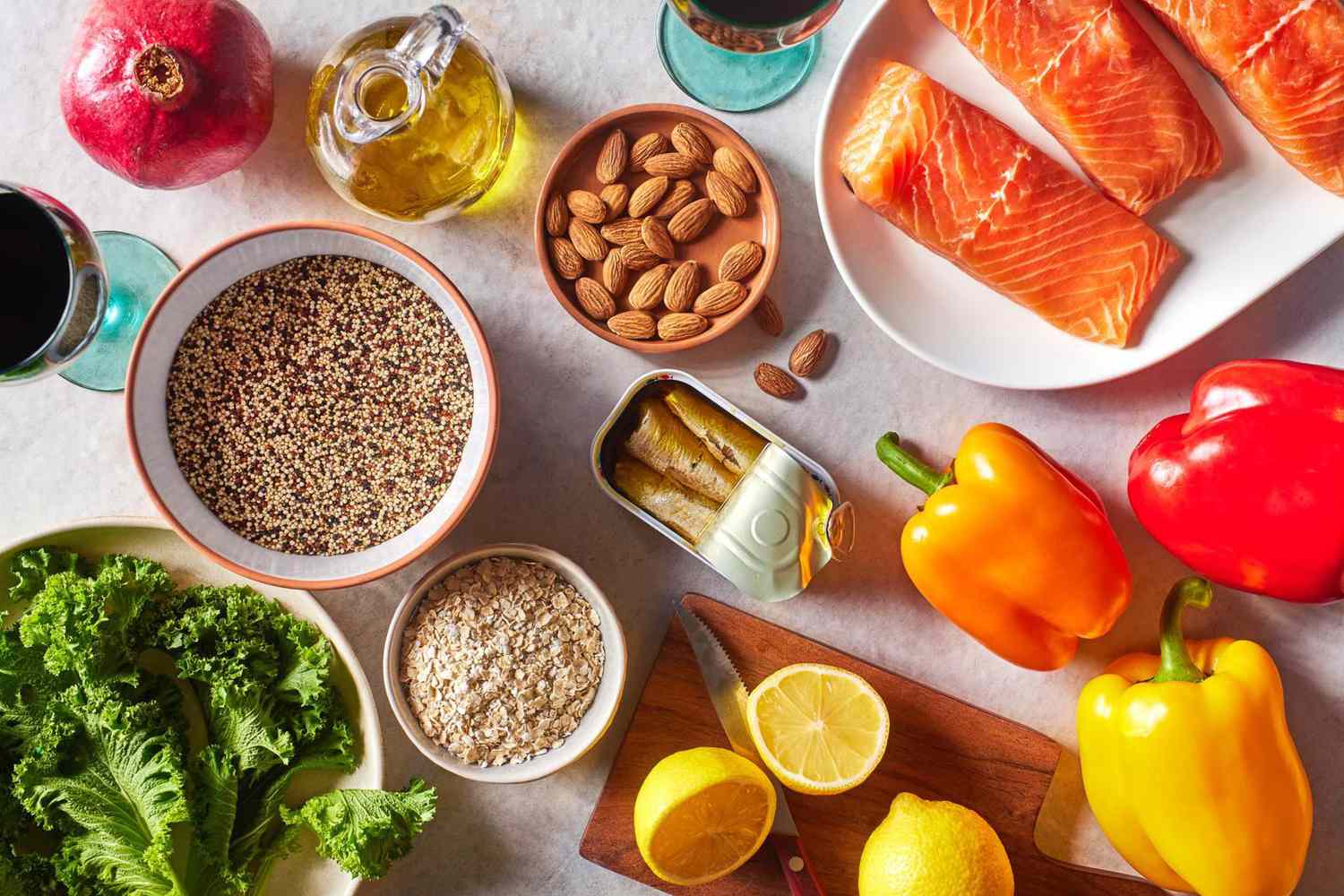
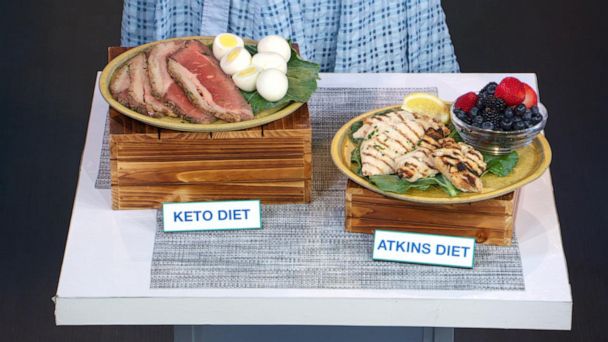
According to a panel of experts, the best diets for overall health in 2024 are the Mediterranean, DASH, and MIND diets, which are backed by scientific research and promote cardiovascular and brain health. While diets like keto, Atkins, and HMR are effective for quick weight loss, they ranked low overall. Nutritionists emphasize the importance of sustainable changes over quick fixes, recommending gradual adjustments and long-term focus on health and well-being.

A new review examines the impact of the Mediterranean, keto, and plant-based diets on cancer risk and progression. The review found that adherence to the Mediterranean diet was associated with smaller tumor size, absence of nodular metastases, and better survival in breast cancer patients. High adherence to the Mediterranean diet also lowered the risk of breast cancer occurrence compared to a Western diet. Keto diets showed promise in reducing tumor size and inflammation in breast cancer patients. Plant-based diets were found to decrease the risk of developing breast cancer, gastric cancer, and colorectal cancer, with the quality of the diet playing a significant role. However, unhealthy plant-based diets were associated with a higher risk. Adherence to the Mediterranean diet also showed benefits in reducing the risk of other cancers such as lung, bladder, and thyroid cancer.

The DASH diet, which focuses on whole foods and limits processed foods, is the fifth most popular diet in the U.S. The carnivore diet, consisting solely of animal-based products, ranks fourth but can lead to nutritional deficiencies and health risks. The vegan diet, replacing animal products with plant-based alternatives, is the third most popular but may also result in nutritional deficiencies. The keto diet, a low-carb, high-fat diet, is the second most searched but is criticized for lacking essential nutrients and being unsustainable. The Mediterranean diet, which includes fruits, vegetables, whole grains, and healthy fats, is the most popular and considered the healthiest option, effectively reducing chronic diseases and symptoms of depression.

Expert guidelines recommend slower weight loss for the treatment of obesity, but there are conflicting opinions on whether slow and steady or fast weight loss is more effective and safe. While both approaches result in similar weight loss, slow weight loss is better for metabolism, fat-to-muscle ratio, and bone density. Restrictive diets can have adverse effects and are not sustainable for long-term health. Successful long-term weight loss requires evidence-based programs, qualified healthcare professionals, and gradual lifestyle changes to form healthy habits.

U.S. News & World Report has selected the DASH, Mediterranean, and MIND diets as the best diets for women over 50. These diets prioritize low-fat dairy products, fruits, veggies, nuts, seeds, whole grains, and lean proteins while limiting added sugars. They are rich in key nutrients such as vitamin B12, calcium, vitamin D, and protein, which are important for women's health as they age. Experts recommend avoiding fad diets and diet pills and sticking to a sustainable diet for long-term well-being.

Researchers led by the University of Southampton analyzed chemical properties in tooth enamel to reconstruct the hunting habits and diets of Neanderthals and other prehistoric humans living in western Europe nearly 100,000 years ago. The study revealed that Neanderthals in the region hunted fairly large animals across vast expanses of land, while humans inhabiting the same area tens of thousands of years later relied on smaller creatures within a territory half the size. The team employed a technique that lasers samples of enamel and measures thousands of individual strontium isotope readings along the growth of a tooth crown.

The DASH, pescatarian, and Mediterranean diets are among the best diets for heart health, according to a new scientific report by a committee of professors and cardiologists who analyzed the current body of scientific evidence. The DASH diet scored a perfect 100, while the Mediterranean diet came in at a strong third place. Vegan and low-fat diets tied in the middle, while very low-fat and low-carb diets fell into the seventh and eighth positions. Paleo and very low-carb/keto diets fell in ninth and tenth place.

The American Heart Association (AHA) has ranked very low carb or ketogenic diets last for heart health, while plant-based diets ranked at the top for heart-healthy eating guidelines. The AHA evaluated 10 popular diets or eating patterns based on how well they aligned with the features of AHA’s dietary guidance for heart-healthy eating. The Dietary Approaches to Stop Hypertension (DASH) diet was ranked the best, while very low carb or ketogenic diets were ranked the worst. The report noted that more research and education are needed to show people how to follow eating patterns in ways that are culturally relevant to ensure their effectiveness.

The American Heart Association has released a scientific statement rating popular diets based on their alignment with heart-healthy guidelines. The DASH-style, Mediterranean, and vegetarian and pescatarian diets received top ratings, while Paleo and ketogenic diets did not meet heart-healthy criteria. The statement emphasizes the role of social determinants in shaping healthy eating patterns and suggests opportunities for dietary research and interventions to promote health equity.

The American Heart Association released a report ranking the top 10 diets according to their guidelines for heart-healthy eating, with the DASH diet, Mediterranean diet, pescatarian diet, and vegetarian diet among the top-scoring diets. The report found that very low carbohydrate diets and high-fat diets, like the ketogenic and Paleolithic diets, scored the lowest on the AHA scale and may raise the risk for LDL or high cholesterol, which is a risk factor for heart disease. The AHA recommends finding a pattern of eating that works best for the individual while staying mindful of carbohydrate and fat intake.

The DASH diet, which stands for Dietary Approaches to Stop Hypertension, was ranked as the best diet for heart health by the American Heart Association (AHA), followed by the pescatarian and lacto-ovo-vegetarian diets. The Mediterranean diet, which recommends a small glass of red wine each day and doesn't limit salt, came in third. Very low-carb diets, such as Atkins, and various keto diets were in the bottom tier of heart-healthy eating patterns. The AHA statement was written for physicians to help them discuss nutrition with their patients during regular checkups.

The American Heart Association has ranked popular diets based on their heart health benefits, with the DASH diet coming out on top. The ketogenic and paleo diets scored the lowest, with the report warning that they can be harmful to heart health due to their high intake of fatty meats and foods rich in saturated fat. The report aims to counter misinformation about nutrition promoted by diet books, blogs, and social media influencers. The heart association recommends a diet that includes a wide variety of fruits and vegetables, whole grains, lean cuts of meat, and foods high in heart-healthy omega-3 fatty acids, while limiting sugary, salty, and highly processed foods.