Most workout supplements on the market lack solid evidence of effectiveness and may contain harmful additives, but a short list endorsed by the International Olympic Committee includes those with proven benefits for health and performance.
The article discusses the unpleasant effects of hangovers, such as headaches and nausea, and questions whether hangover supplements are effective, referencing a 2012 study on the topic.
A review of 209 clinical trials found that among 64 over-the-counter products for depression, some like St John's Wort, saffron, probiotics, and vitamin D show promising evidence of effectiveness, while others have mixed or limited evidence. Few safety concerns were reported, but more research is needed, especially on combinations with therapies and cost-effectiveness.
The article lists 35 highly effective products across various categories like skincare, household, pet care, and personal grooming, highlighting their benefits and positive reviews, emphasizing how they can improve daily life and make users feel empowered.
Hand sanitizer is convenient but not always effective against all germs, especially non-enveloped viruses, spores, and parasites. Proper hand washing with soap and water is preferred when possible, and hand sanitizer should contain at least 60% alcohol, be used thoroughly, and not replace good hygiene practices like avoiding touching the face and disinfecting surfaces. Hand sanitizer is a useful backup when soap and water aren't available, but it doesn't eliminate all pathogens.
To determine if supplements are effective, monitor physical and mental changes, consider the time frame for results, use lab tests to track nutrient levels, and choose reputable brands with third-party verification, all under the guidance of a healthcare professional.
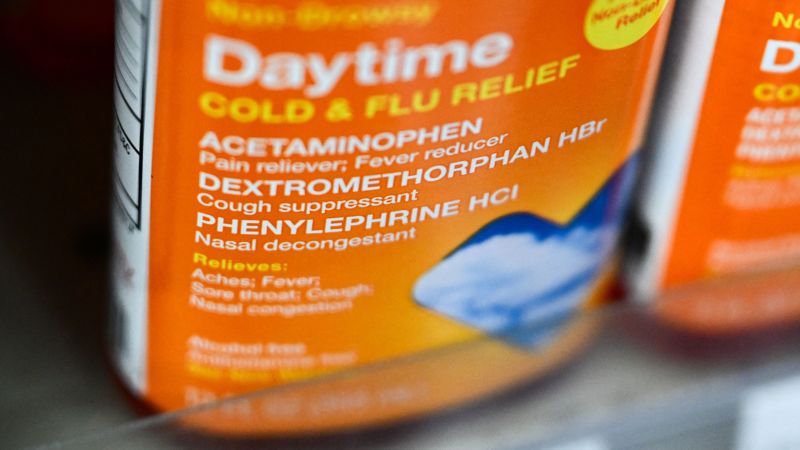
The FDA has proposed removing oral phenylephrine, a common ingredient in over-the-counter decongestants like Sudafed PE and DayQuil, from the market due to evidence of ineffectiveness. This proposal initiates a six-month public comment period before a final decision is made. While CVS has already stopped selling phenylephrine products, other pharmacies continue to stock them. The FDA's move follows several studies and an advisory committee's conclusion that phenylephrine is ineffective at typical oral dosages. The proposal does not affect phenylephrine used in nasal sprays.
A 1930s law is preventing potentially more effective foreign sunscreens from being sold in the U.S., raising concerns about the efficacy of American-made sunscreens.
A state audit reveals that California has failed to effectively monitor the outcomes of its substantial spending on homelessness programs, raising concerns about the worth of the billions of dollars allocated as the unsheltered population continues to rise. The audit found that a state council overseeing homelessness programs has not consistently tracked spending or program outcomes, leading to a lack of crucial data for policymakers. Recommendations include requiring annual reporting of spending plans and outcomes, as well as implementing a "scorecard" to track program success. The audit also revealed that most participants in state programs end up in interim housing rather than permanent housing. Additionally, the audit found that the cities of San José and San Diego have not evaluated the effectiveness of their homelessness programs despite receiving millions in funding.
President Joe Biden launches a $30 million ad campaign in battleground states, addressing concerns about his age by emphasizing his effectiveness and accomplishments, including leading the country through the COVID-19 pandemic and strengthening the economy. The ad aims to counter doubts about his mental capability, which have become a key vulnerability, and is designed to resonate with Black, Asian, and Hispanic communities. Meanwhile, a super PAC backing Trump has released an ad highlighting Biden’s age, while Biden's ad closes with a lighthearted outtake addressing his age and energy.
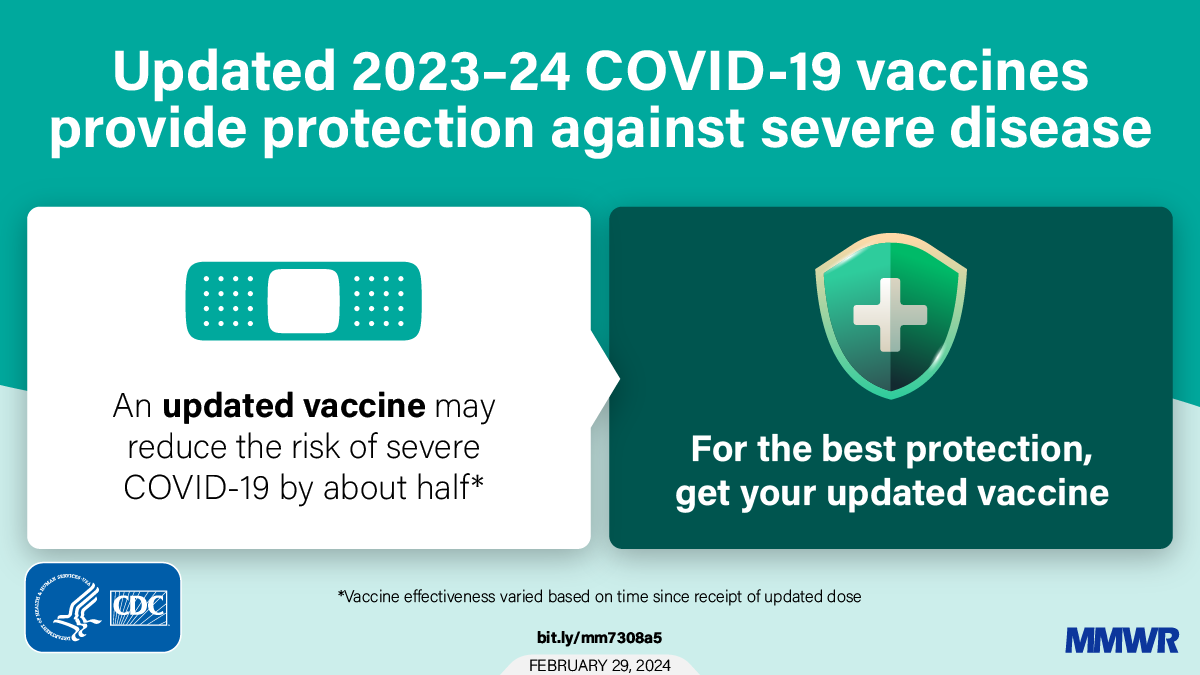
A recent report from the CDC analyzed the effectiveness of the updated 2023–2024 COVID-19 vaccine against medically attended illness. The analysis found that receiving an updated COVID-19 vaccine dose provided increased protection against COVID-19–associated emergency department and urgent care encounters and hospitalization among immunocompetent U.S. adults during a period of multiple cocirculating SARS-CoV-2 Omicron lineages. These findings support CDC recommendations for updated 2023–2024 COVID-19 vaccination, emphasizing that all persons aged ≥6 months should receive the updated vaccine.
A new CDC study shows that the latest COVID-19 booster shot provides 54% increased protection against infection, including against current virus strains. However, the study has limitations in assessing its effectiveness against severe illness. The booster's efficacy declines over time since vaccination, but it still exceeds the annual effectiveness rate of the influenza vaccine. Despite FDA approval for individuals 6 months and older, only 17% of Americans have received the booster, with New York State lagging at 11.6%. Health experts emphasize the importance of vaccinating high-risk individuals as immunity wanes and note a decline in COVID positivity rates in recent weeks.
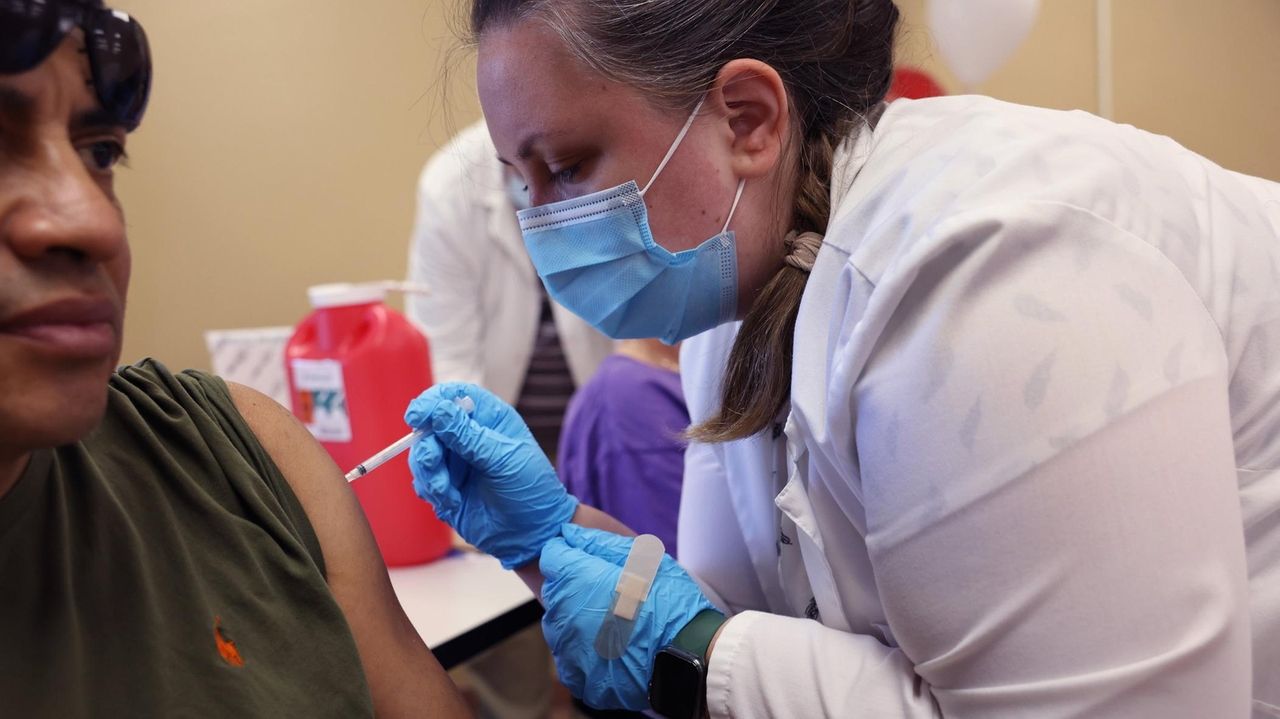
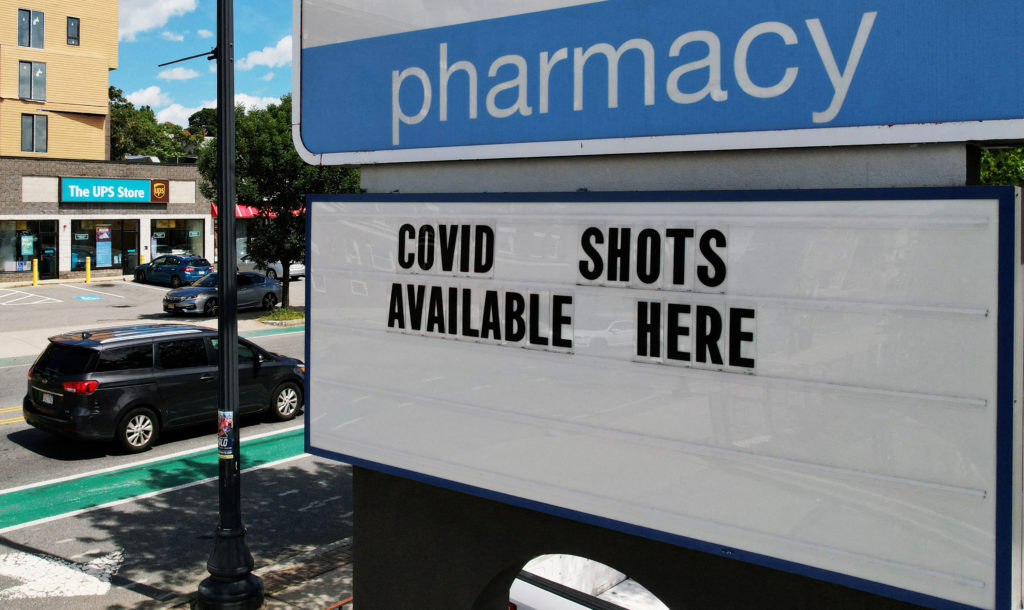
The latest COVID-19 vaccines are 54% effective at preventing symptomatic infection in adults, according to a study by the CDC. The study looked at 9,000 people who got tested for COVID-19 at pharmacies and found that the effectiveness is similar to what's been reported in other countries. Further studies will assess the effectiveness at preventing severe symptoms. The CDC recommends the new shots for everyone 6 months and older, but uptake in the U.S. has been slow, with only about 22% of adults and 11% of children having received the shots.
The latest versions of COVID-19 vaccines are 54% effective at preventing symptomatic infection in adults, according to a CDC study. The study, which looked at 9,000 people tested for COVID-19 at pharmacies, found that the new shots were designed to better protect against recent coronavirus variants. The CDC recommends the new shots for everyone 6 months and older, but vaccination rates in the U.S. remain low, with only about 22% of adults and 11% of children having received the shots. Further studies will assess the shot's effectiveness in preventing severe symptoms.
The latest COVID-19 vaccines have been found to be 54 percent effective in preventing symptomatic infection in adults, according to a CDC study. The study, which looked at 9,000 people, found that the new shots were designed to better protect against recent coronavirus variants. However, vaccination rates in the U.S. remain low, with only about 22 percent of adults and 11 percent of children having received the new shots. Further studies will assess the effectiveness of the vaccines in preventing severe symptoms.