Tag

Base Editing

All articles tagged with #base editing

science3 months ago

New Advances Make Fixing Faulty Mitochondria Easier

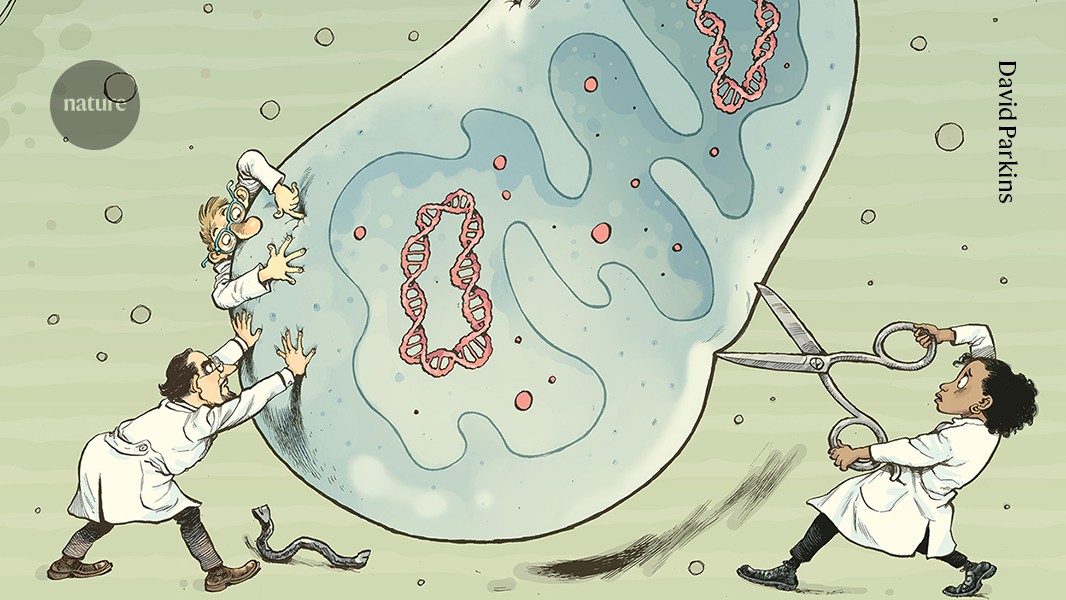
Researchers are developing new methods to precisely edit mitochondrial DNA, which is crucial for understanding and potentially treating mitochondrial diseases, as traditional CRISPR techniques cannot easily access mitochondria due to their membrane barriers. Innovations like DddA-based base editing and TALENs are promising tools that could lead to cures for these incurable genetic disorders.

science-and-technology2 years ago

Advancements in CRISPR Technology Pave the Way for Clinical Trials and Precise Gene Targeting

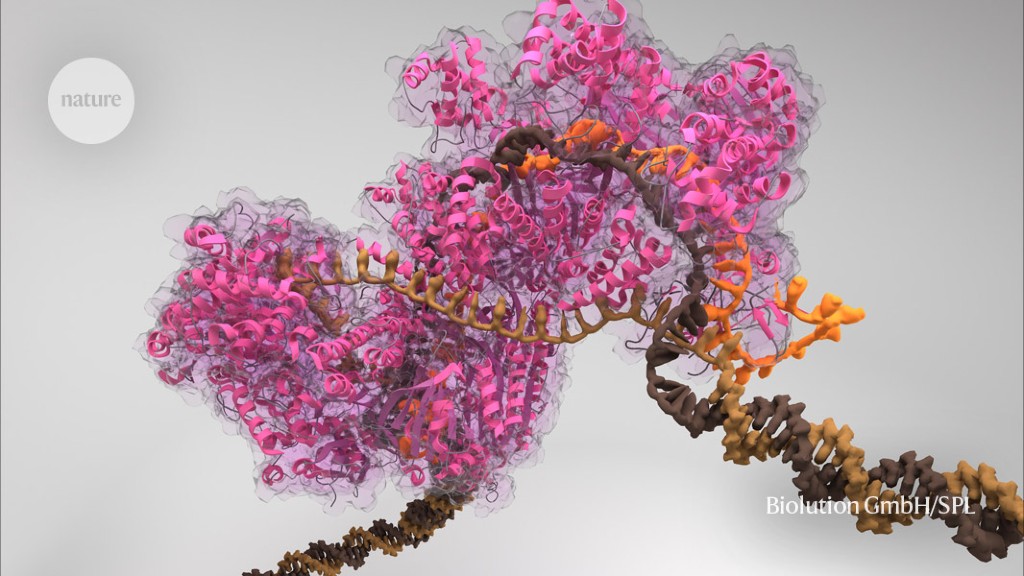
Researchers are developing a new wave of CRISPR-based gene editing techniques that offer more precision and versatility than the original CRISPR-Cas9 system. These next-generation systems, such as base editing and prime editing, can change individual DNA bases, insert or delete small stretches of DNA, and alter the epigenome to regulate gene activity. Base editing therapies are already in early clinical trials, while prime editing is being enhanced for efficiency. The regulatory approval of classical CRISPR-Cas9 therapies paves the way for these advanced techniques, expanding the possibilities for treating genetic disorders and diseases.

health2 years ago

Promising CRISPR Therapy Dramatically Reduces Cholesterol Levels

In a small clinical trial, a single infusion of a CRISPR-based gene editor called VERVE-101 reduced artery-clogging cholesterol by up to 55% in 10 people with familial hypercholesterolemia. The treatment, which uses base editing technology to disable a gene encoding a liver protein that regulates cholesterol, could potentially provide a one-time solution for managing high cholesterol levels. While the trial focused on safety rather than efficacy, the results are promising. However, two participants experienced severe heart issues, with one potentially related to the treatment. Further research is needed to assess long-term safety and efficacy, but the study marks an important milestone in using CRISPR for chronic diseases.

health2 years ago

"Breakthrough Gene Editing Treatment Successfully Lowers Cholesterol Levels in Patients"

Verve Therapeutics has reported promising preliminary results from the first test of its one-time treatment, VERVE-101, which utilizes base editing, a form of CRISPR, to lower bad cholesterol levels in patients with an inherited type of cardiovascular disease. Three out of the ten participants showed significant reductions in LDL-C levels, with one patient maintaining the decline for six months. This study marks the first data in patients using base editing to modify DNA, and the results highlight the potential of gene-editing treatments in treating cardiovascular conditions.

science-and-technology2 years ago

Breakthrough Gene Editing Tool and Technique Developed by Weill Cornell Researchers for Investigating Cancer Mutations and Abnormal RNA Splicing

Researchers at Weill Cornell have developed a new gene editing tool that utilizes CRISPR-Cas9 technology to study cancer mutations in preclinical mouse models. The tool combines Cas9 and guide RNA with APOBEC, an enzyme that creates single base mutations in DNA. The team faced challenges with unwanted mutations and varying gene expression, but overcame them by integrating a single gene copy controlled by doxycycline. The tool has the potential to understand the effects of genetic changes on tumors, develop effective therapies, and study other disorders beyond cancer.

science-and-technology2 years ago

Efficient and Consistent Fetal Hemoglobin Boost through Base Editing

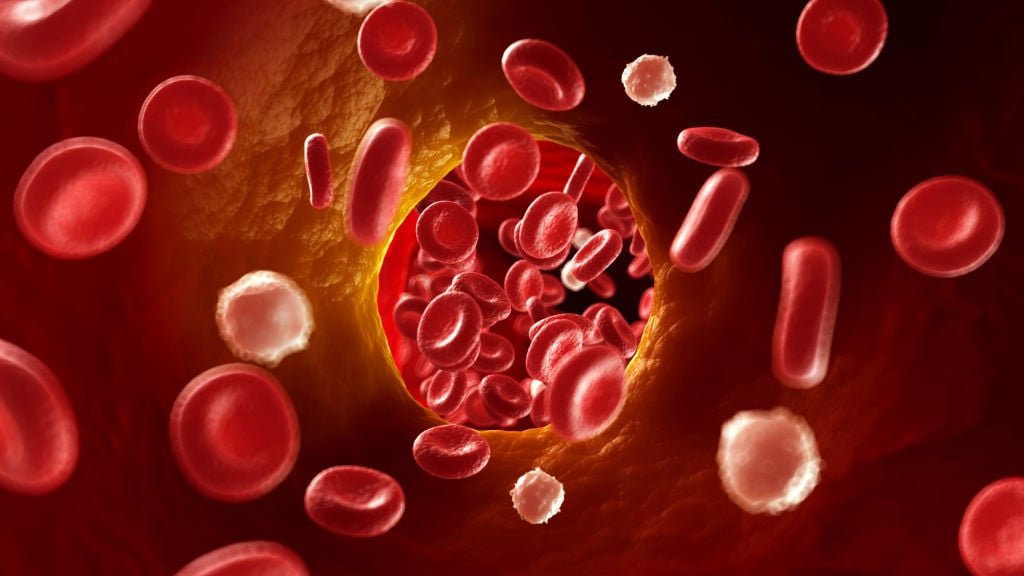
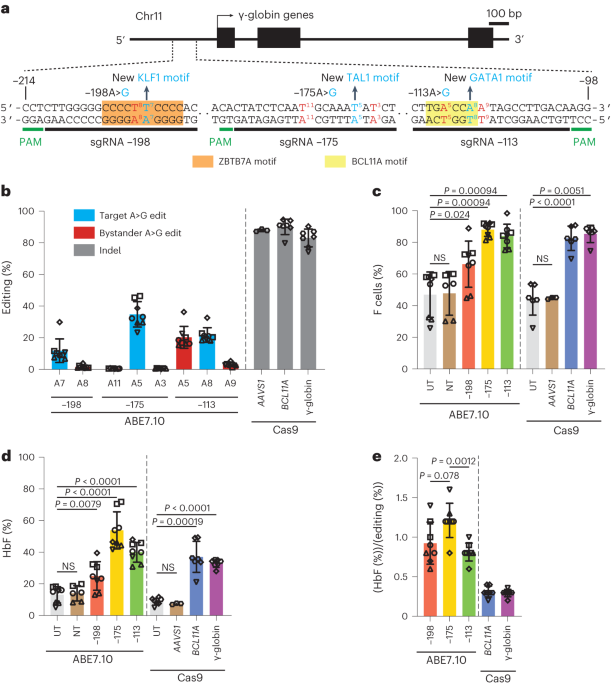
Researchers have developed a base editing technique that efficiently induces the production of fetal hemoglobin (HbF), which has therapeutic potential for treating genetic blood disorders such as sickle cell disease and beta-thalassemia. The study demonstrates the successful use of base editors to precisely modify specific DNA sequences associated with HbF regulation, resulting in potent and uniform HbF induction. The findings provide valuable insights into the development of genetic therapies for blood disorders and highlight the potential of base editing as a precise and effective tool for therapeutic gene editing.