

Tag

Antioxidant Enzymes

All articles tagged with #antioxidant enzymes

science2 years ago

"Revolutionary Breakthrough: Antioxidant Enzymes Repair DNA Damage, Transforming Cellular Biology"

Researchers have made a profound paradigm shift in cellular biology by discovering that the cell nucleus is metabolically active and can protect DNA integrity by mobilizing antioxidant enzymes in response to DNA damage. This finding has significant implications for cancer research, as cancer cells often exploit metabolic processes for their growth. The study identified metabolic enzymes and processes essential for a cell's DNA damage response, revealing that reactive oxygen species accumulate in the nucleus during DNA damage. The enzyme PRDX1 was found to repair the damage and regulate the availability of aspartate, a critical raw material for DNA synthesis. The findings suggest new strategies for cancer treatment, such as combining chemotherapy drugs with agents that boost reactive oxygen species generation or inhibit nucleotide synthesis processes.

science2 years ago

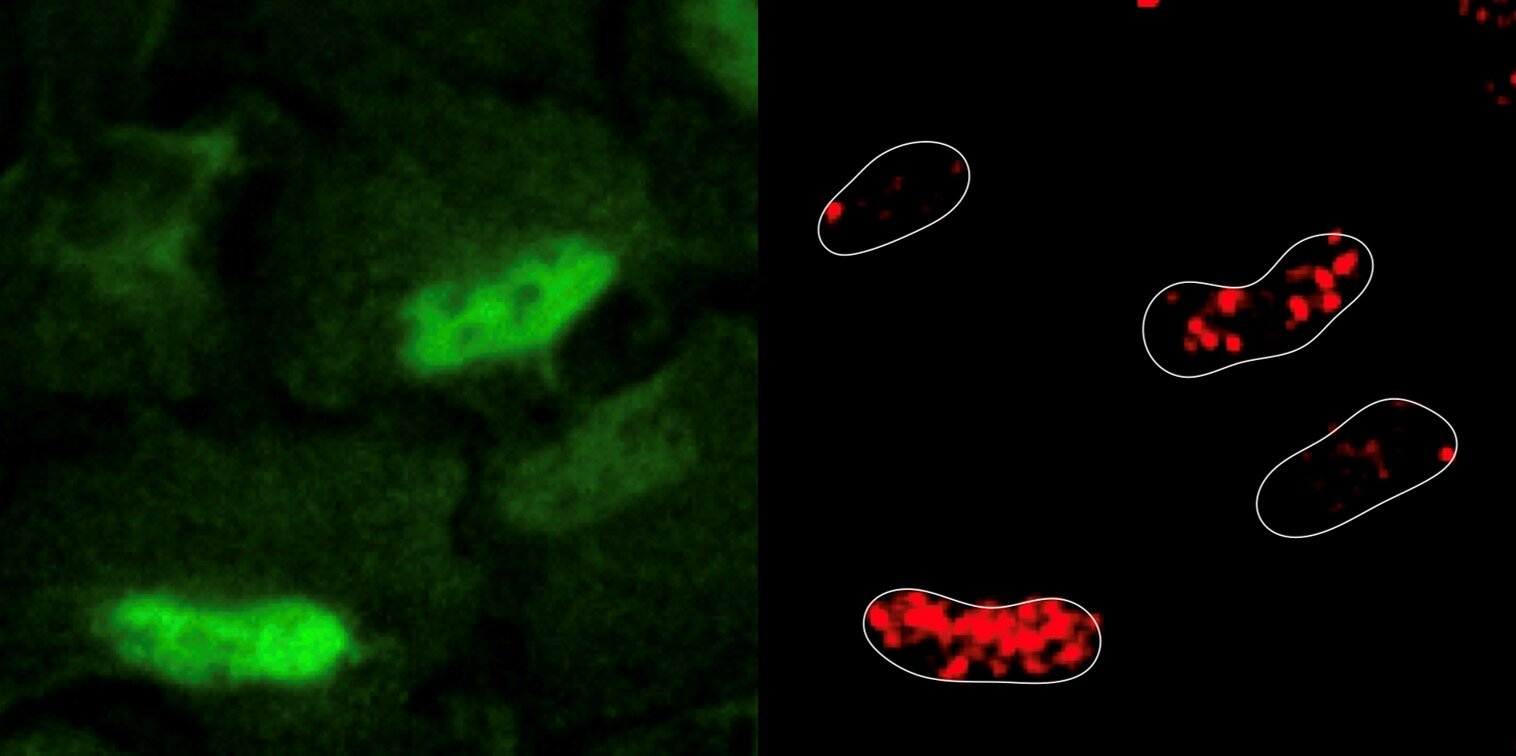
The Role of Metabolic Enzymes in DNA Damage Repair.

A new study published in Molecular Systems Biology has found that the human nucleus is metabolically active and can protect itself by appropriating mitochondrial machinery to carry out urgent repairs that threaten the genome's integrity. The findings represent a paradigm shift in cellular biology and can guide future lines of cancer research by offering new clues to overcome drug resistance and eventually the design of new treatments.

science2 years ago

Insights into Antioxidant and Metabolic Enzymes for DNA Repair

Researchers have discovered that the nucleus is metabolically active and that metabolic enzymes are present in the nucleus to repair DNA damage. The researchers used CRISPR-Cas9 to identify metabolic genes that were important for cell survival in this scenario. They found that cells order the enzyme PRDX1, an antioxidant enzyme also normally found in mitochondria, to travel to the nucleus and scavenge reactive oxygen species present to prevent further damage. The findings can guide future lines of cancer research.