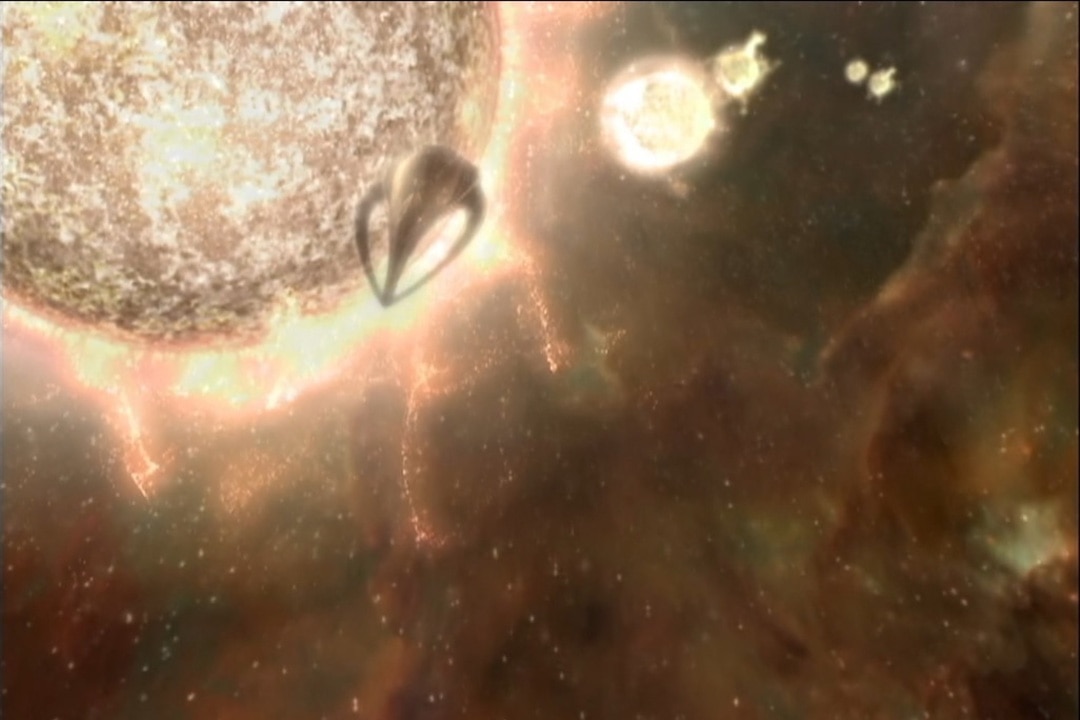
Researchers at Curtin University have discovered a rare dust particle in an ancient meteorite, formed by a star other than our sun, using a technique called atom probe tomography. The particle has an exceptionally high isotopic ratio of magnesium, indicating formation in a recently discovered type of star—a hydrogen burning supernova. This discovery, detailed in the Astrophysical Journal, provides insights into cosmic events beyond our solar system and pushes the boundaries of both analytical techniques and astrophysical models.
Scientists have created the largest ever supermassive black hole map, featuring over 1.3 million quasars, with the furthest black hole existing when the universe was only 1.5 billion years old. The map, showcased in a video, was built using data from the Gaia space telescope and provides insights into the early universe's matter clustering. This feat, accomplished with data from multiple sources, may help answer long-standing questions about the cosmos, but the sheer number of black holes in the universe might give you nightmares.
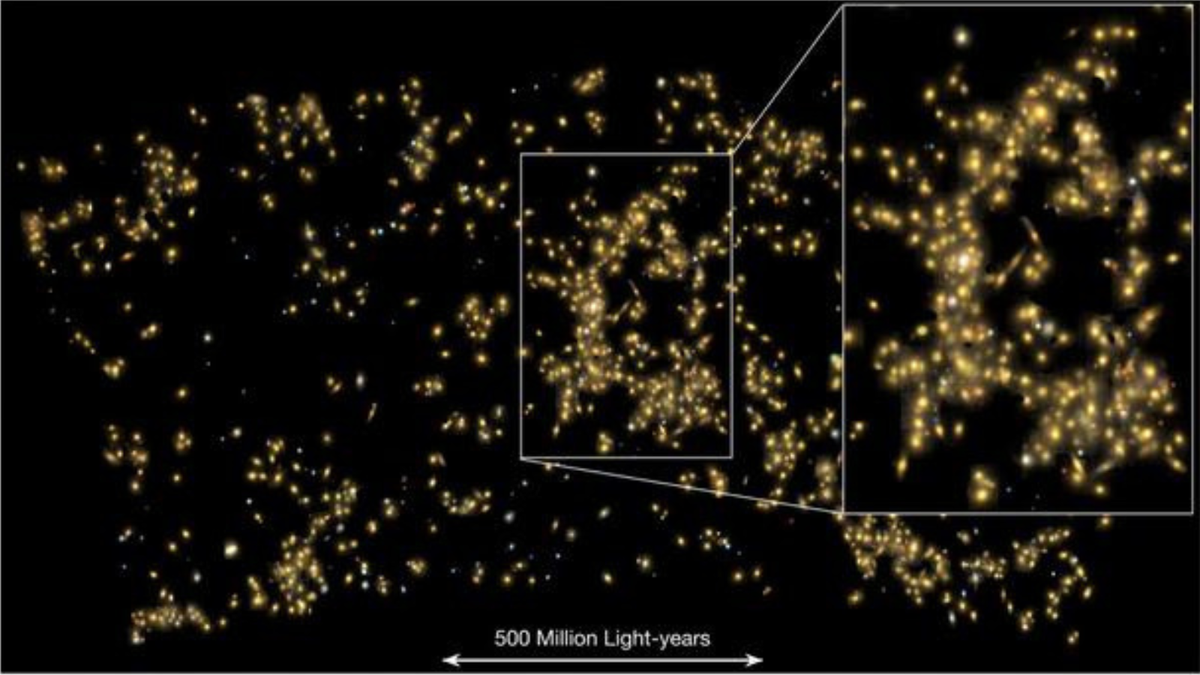
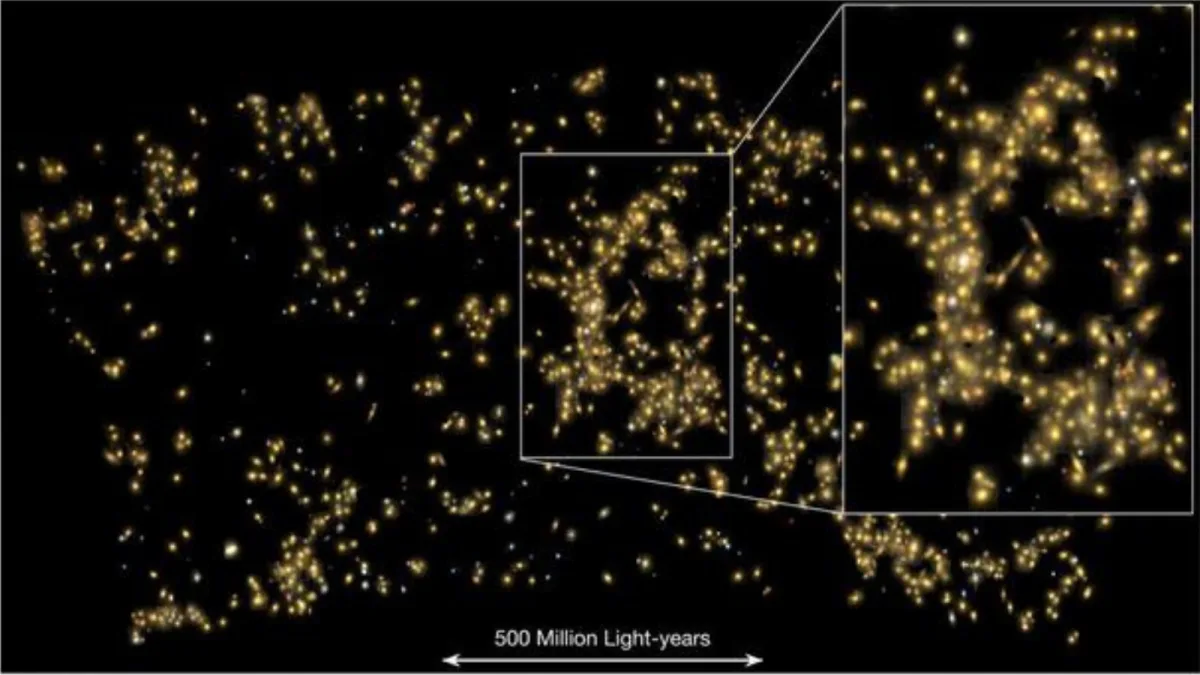
Astronomers have discovered a massive galaxy supercluster named the "Einasto Supercluster," which is as massive as 26 quadrillion suns and located 3 billion light-years away. This finding could provide insights into the formation of superclusters, dark matter, and dark energy. The average supercluster in the sample has a mass of around 6 quadrillion solar masses and a size of around 200 million light-years across. The study also revealed that galaxies within superclusters grow and evolve differently from those outside, and further investigations could help unravel the mysteries of dark matter and dark energy.
Astronomers have discovered a massive galaxy supercluster, named the "Einasto Supercluster," located 3 billion light-years away and containing the mass of 26 quadrillion suns. This finding could provide insights into the formation of superclusters, dark matter, and dark energy. The average supercluster in the collection has a mass of 6 quadrillion solar masses and a size of 200 million light-years across. Further research on these superclusters may help unravel the mysteries of dark energy and the universe's rate of expansion.
Scientists have revealed a 3D map of supermassive black holes, comprising 1.3 million quasars, the largest volume of the universe ever charted. The map, called Quaia, provides a catalog of quasars based on data from the Gaia space telescope and other sources, offering insights into the evolution of supermassive black holes and their host galaxies. This groundbreaking map also presents an opportunity to study dark matter and its influence on the distribution of regular matter across the universe.
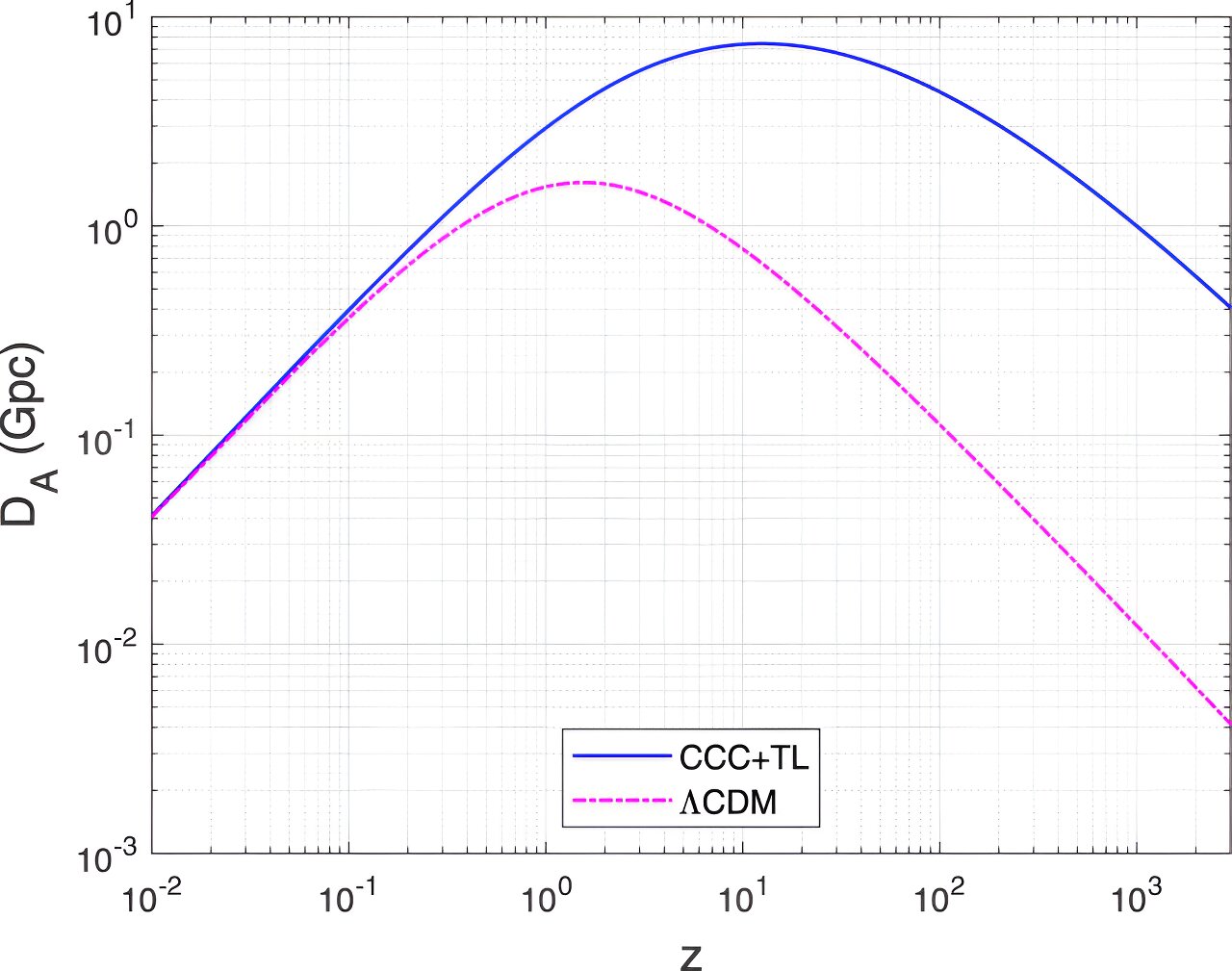
A new study challenges the prevailing understanding of the universe by suggesting that it has no room for dark matter, using a combination of the covarying coupling constants (CCC) and "tired light" (TL) theories to reach this conclusion. This discovery challenges the current theoretical model of the universe, which suggests that roughly 27% of it is composed of dark matter and less than 5% of ordinary matter, with the remaining being dark energy. The study's findings provide evidence for a new cosmological model and open up new avenues for exploring the fundamental properties of the universe.
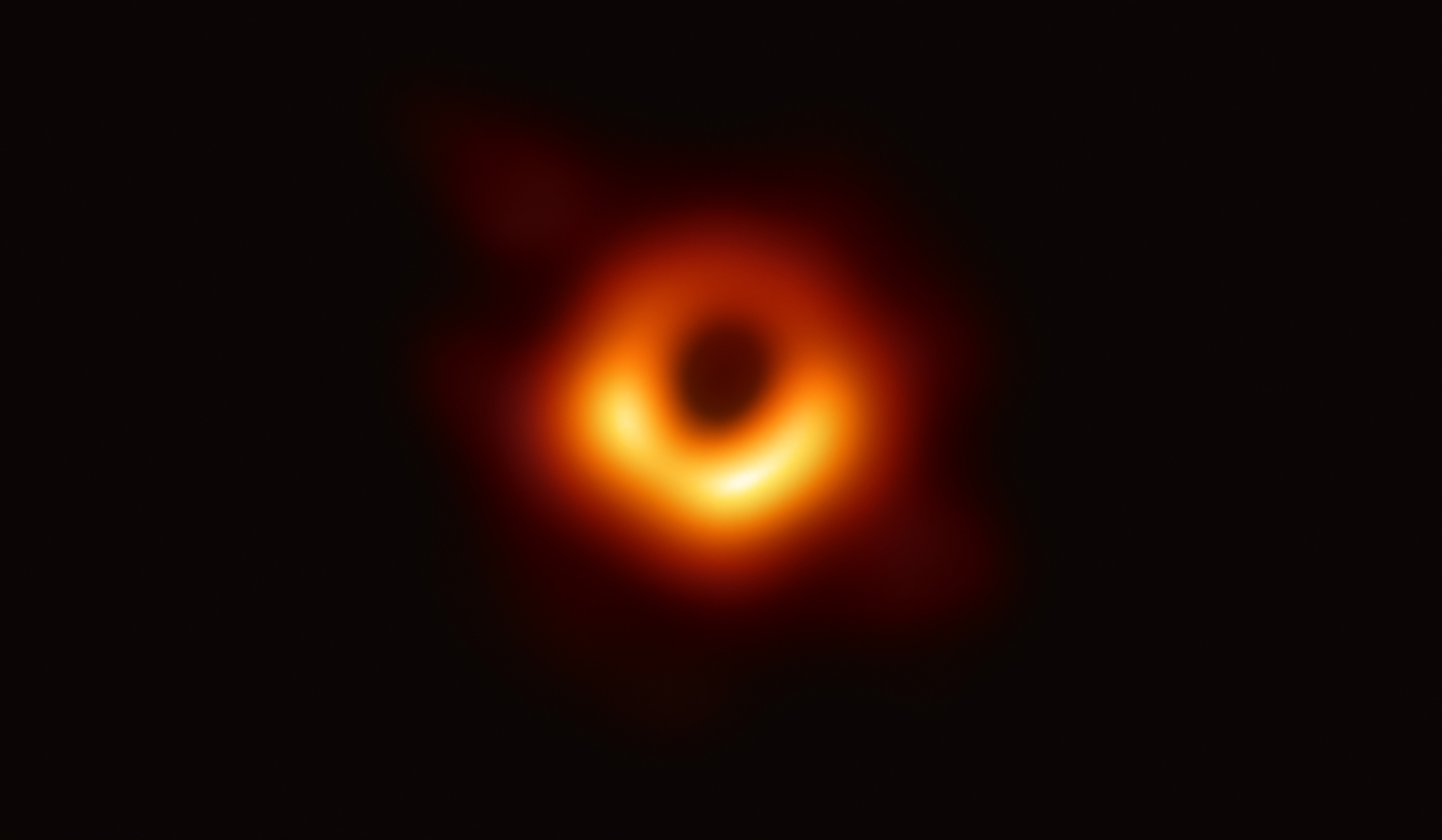
Astronomers have discovered a pair of supermassive black holes, weighing a combined 28 billion times the mass of the Sun, in the elliptical galaxy BR 0402 + 379, located 750 million light-years away. The black holes, caught in a perpetual dance, were formed from a massive intergalactic pileup and have been locked in a stasis for roughly 3 billion years. The binary may require a fresh delivery of matter to finally merge, potentially creating gravitational waves a hundred million times more powerful than any seen before.
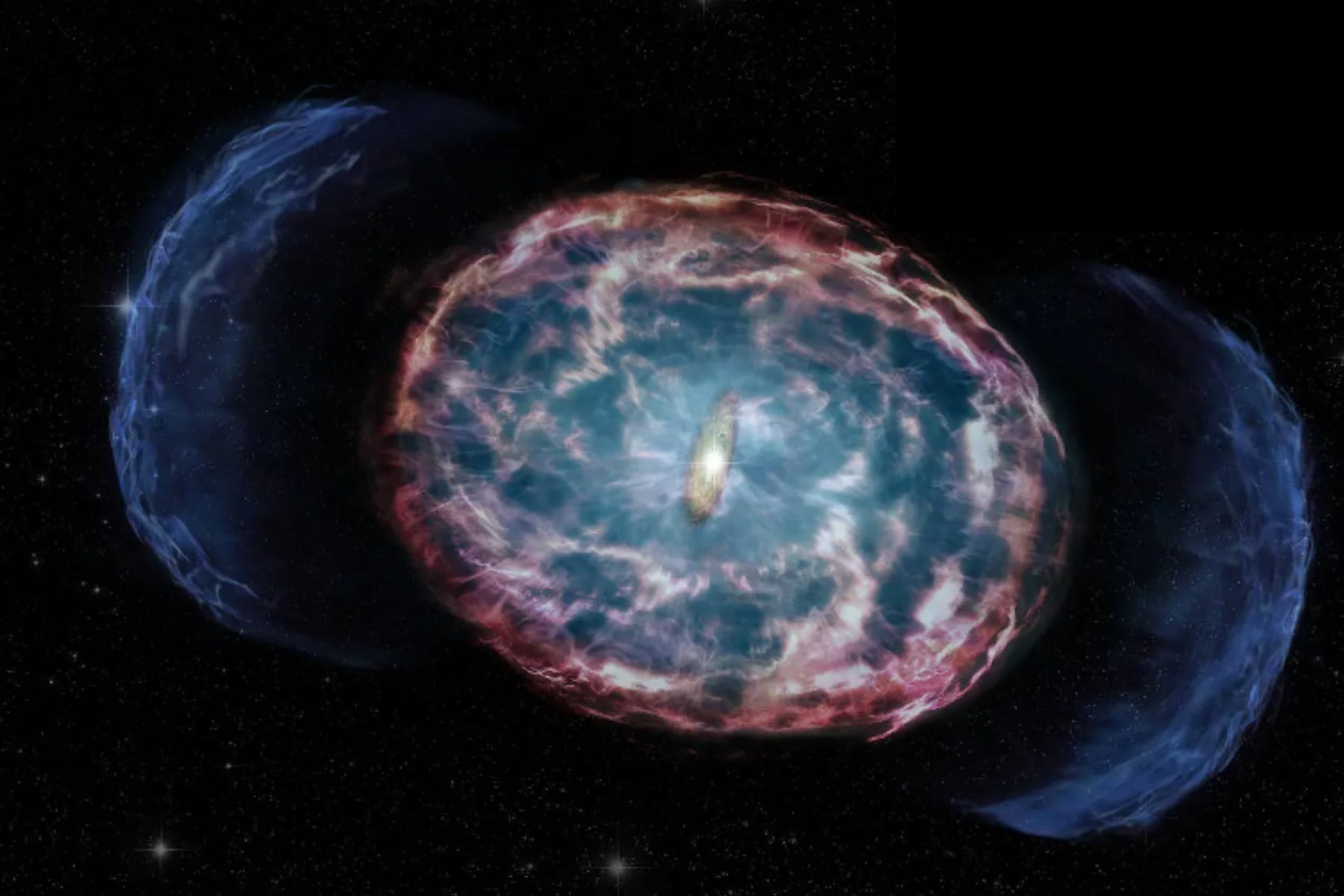
Scientists have calculated that being too close to a kilonova, a massive explosion resulting from the collision of two neutron stars, could be catastrophic for a planet like Earth due to the release of high-energy electromagnetic radiation and cosmic rays. The study, published in The Astrophysical Journal, suggests that Earth would have to be within 3 light-years of a kilonova to be affected by X-ray afterglow and within 13 light-years for gamma rays to have a catastrophic impact. However, the likelihood of a kilonova occurring within these distances from Earth is very low, and the authors conclude that such events are probably not significant threats to life on Earth.
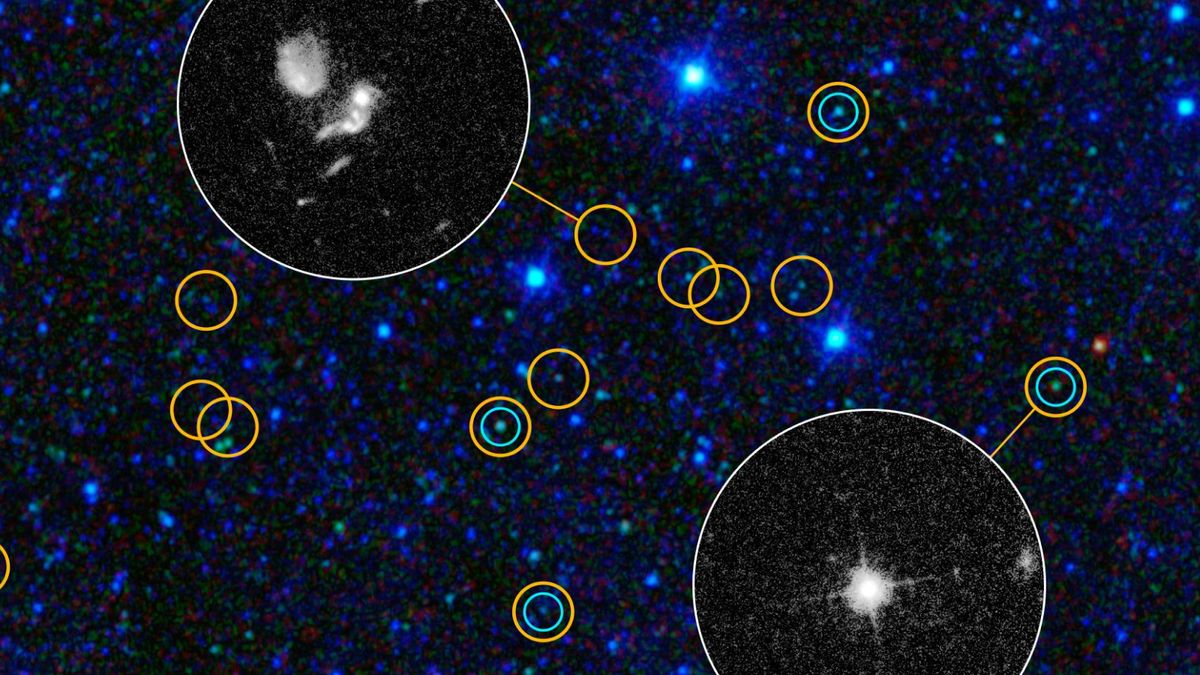
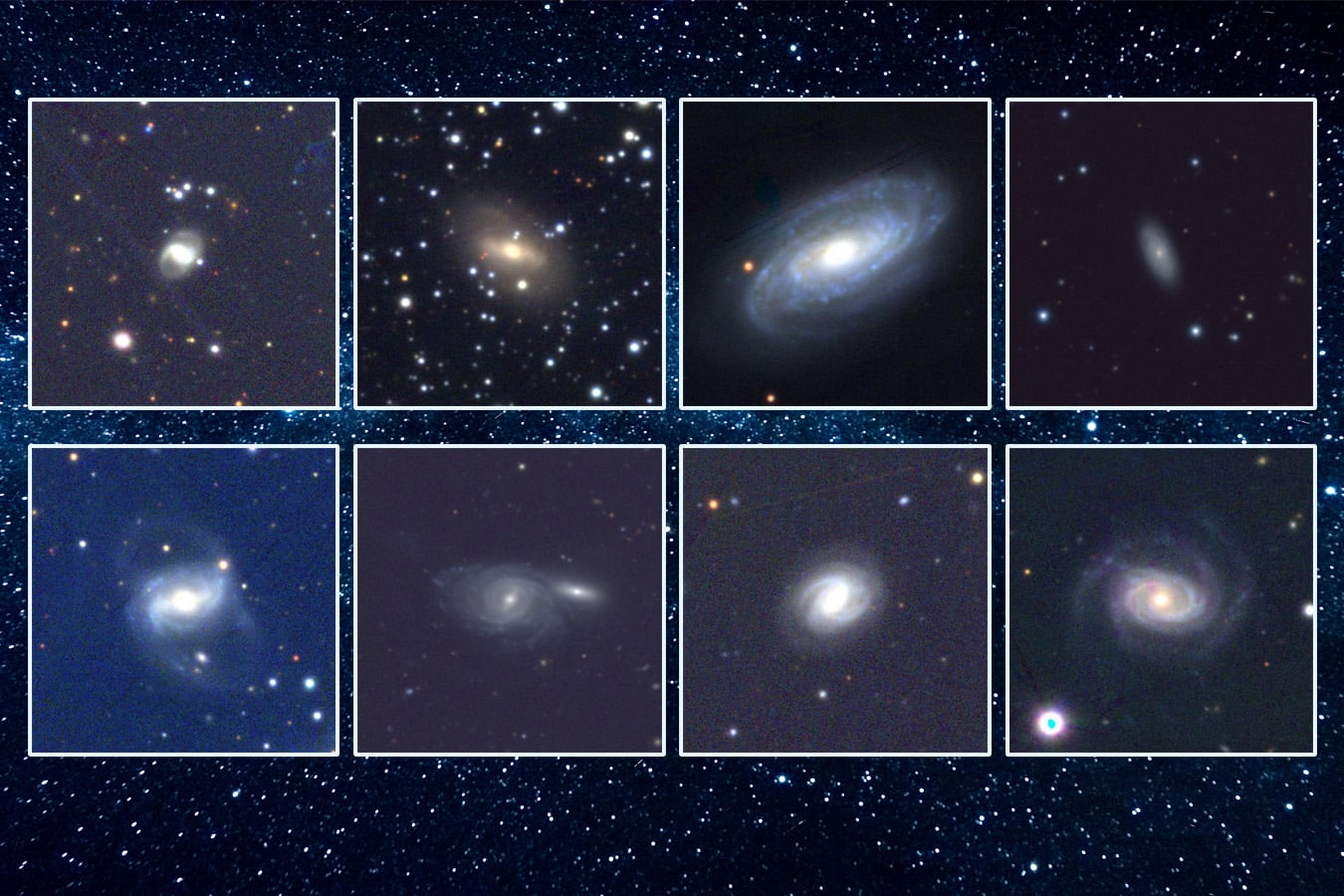
MIT scientists have discovered 18 new tidal disruption events (TDEs) by looking for infrared emissions, doubling the catalog of known TDEs in the universe. By using infrared observations, the team found TDEs in a range of galaxies, resolving previous puzzles and discrepancies in the study of these events. The findings suggest that black holes can devour stars in various types of galaxies and may help estimate the rate at which TDEs occur. This research was supported, in part, by NASA.
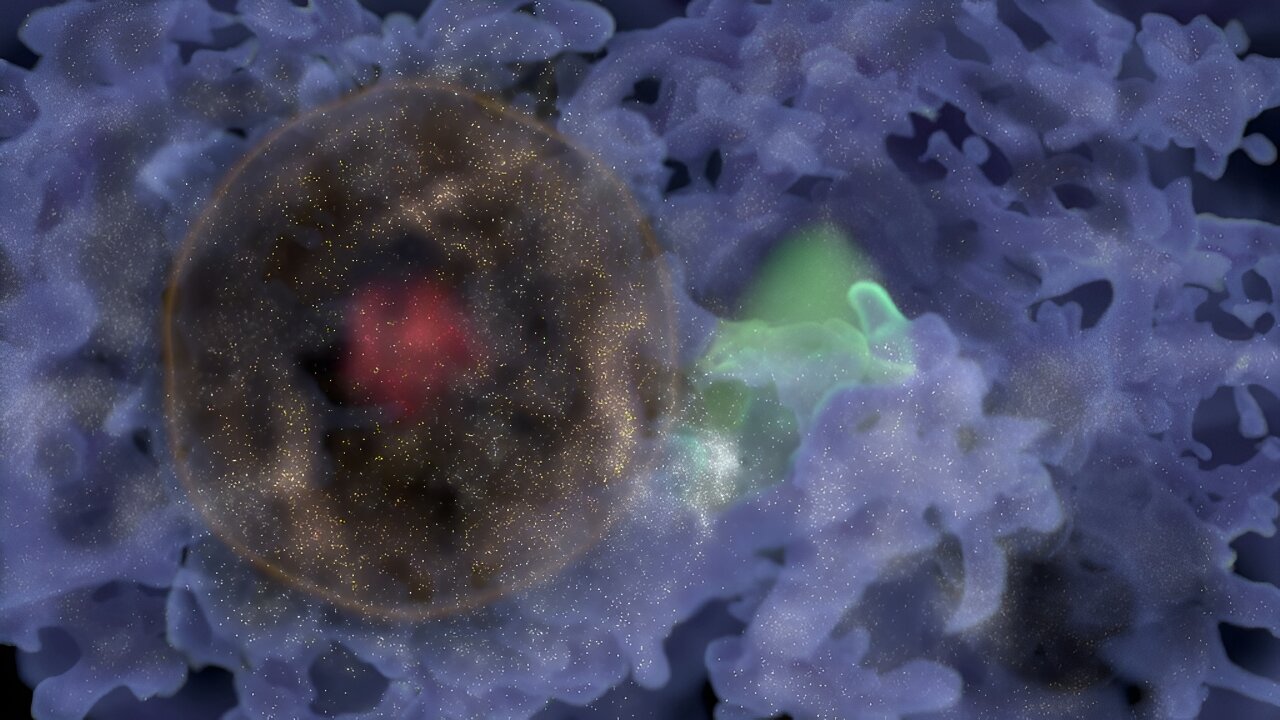
Astronomers have discovered a massive "bubble of galaxies" spanning a billion light years, believed to be a fossilized remnant from just after the Big Bang. The bubble, named Ho'oleilana, is located 820 million light years away from the Milky Way and contains the Bootes supercluster of galaxies. This discovery confirms a phenomenon first described in 1970 and provides insights into the early universe. The finding was published in The Astrophysical Journal and could lead to the identification of more bubbles using advanced telescopes.
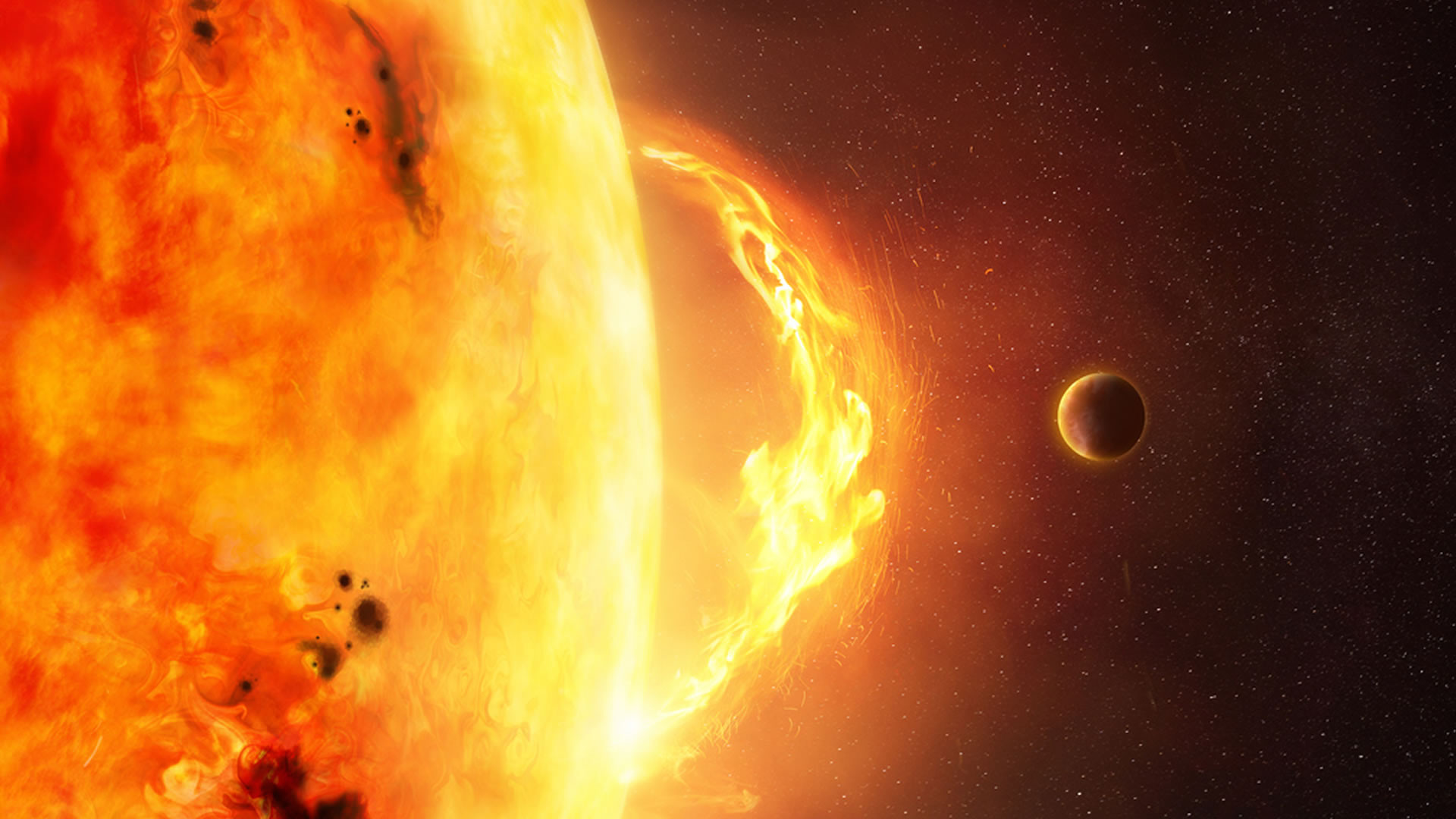
Scientists have observed one of the most powerful solar flares ever observed in the Orion system, estimated to have been around ten times more powerful than anything ever seen from our Sun. The flare is so big it would have devastated anything in its path, like exoplanets. The astronomers focused their latest study on the stellar system known as V1355 Orionis, which is 400 light-years away from our planet and has two stars orbiting each other.