Tag

Radio Communications

All articles tagged with #radio communications

spacescience1 year ago

"Solar Flare's Geomagnetic Storm: Disrupting Communications and Creating Stunning Aurora"

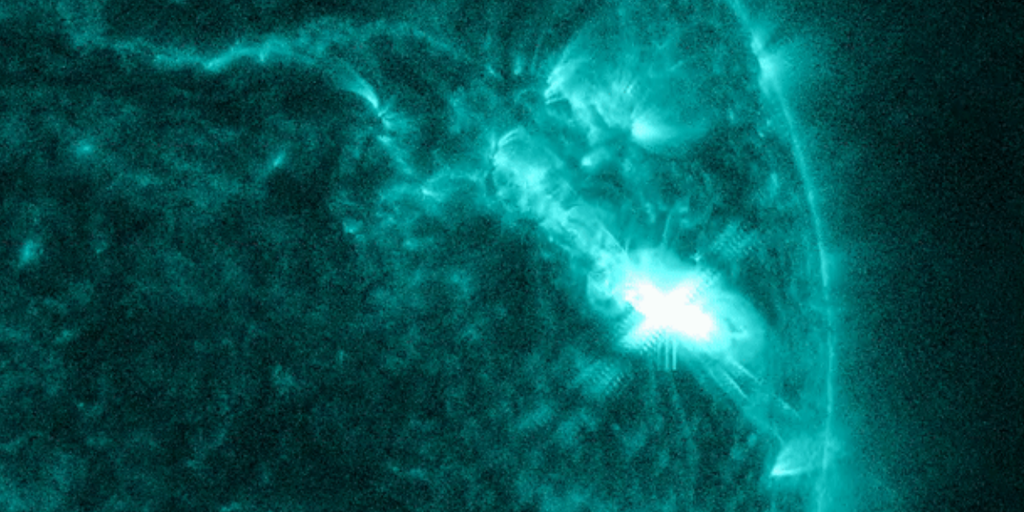
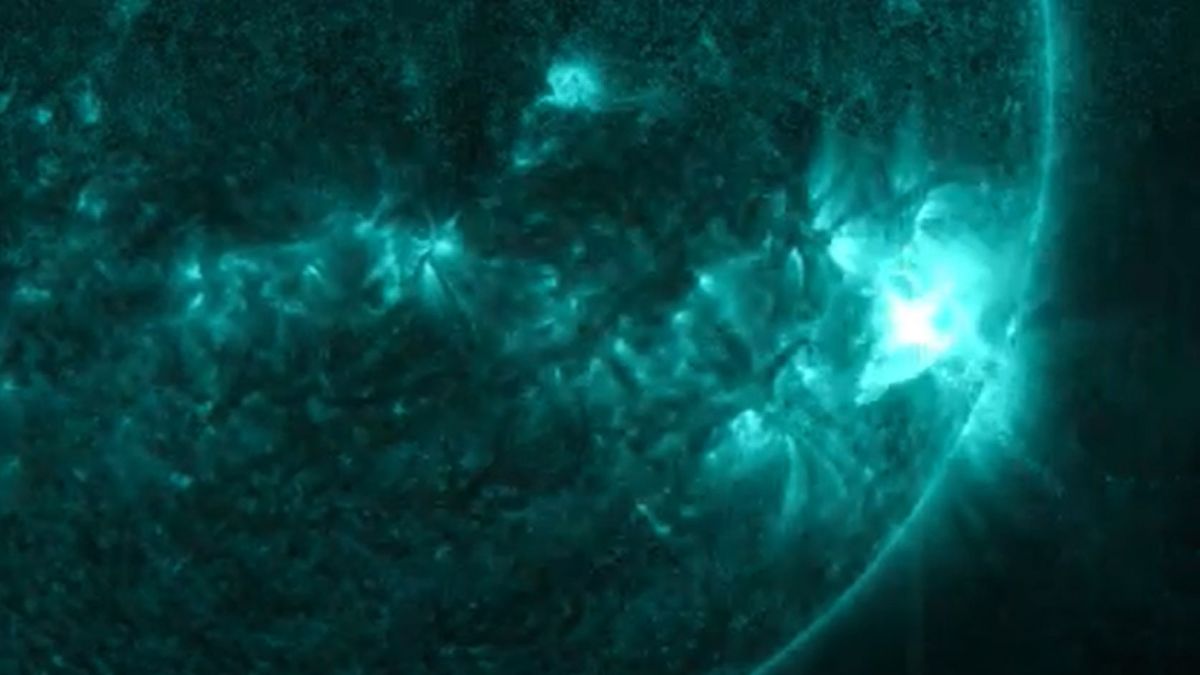
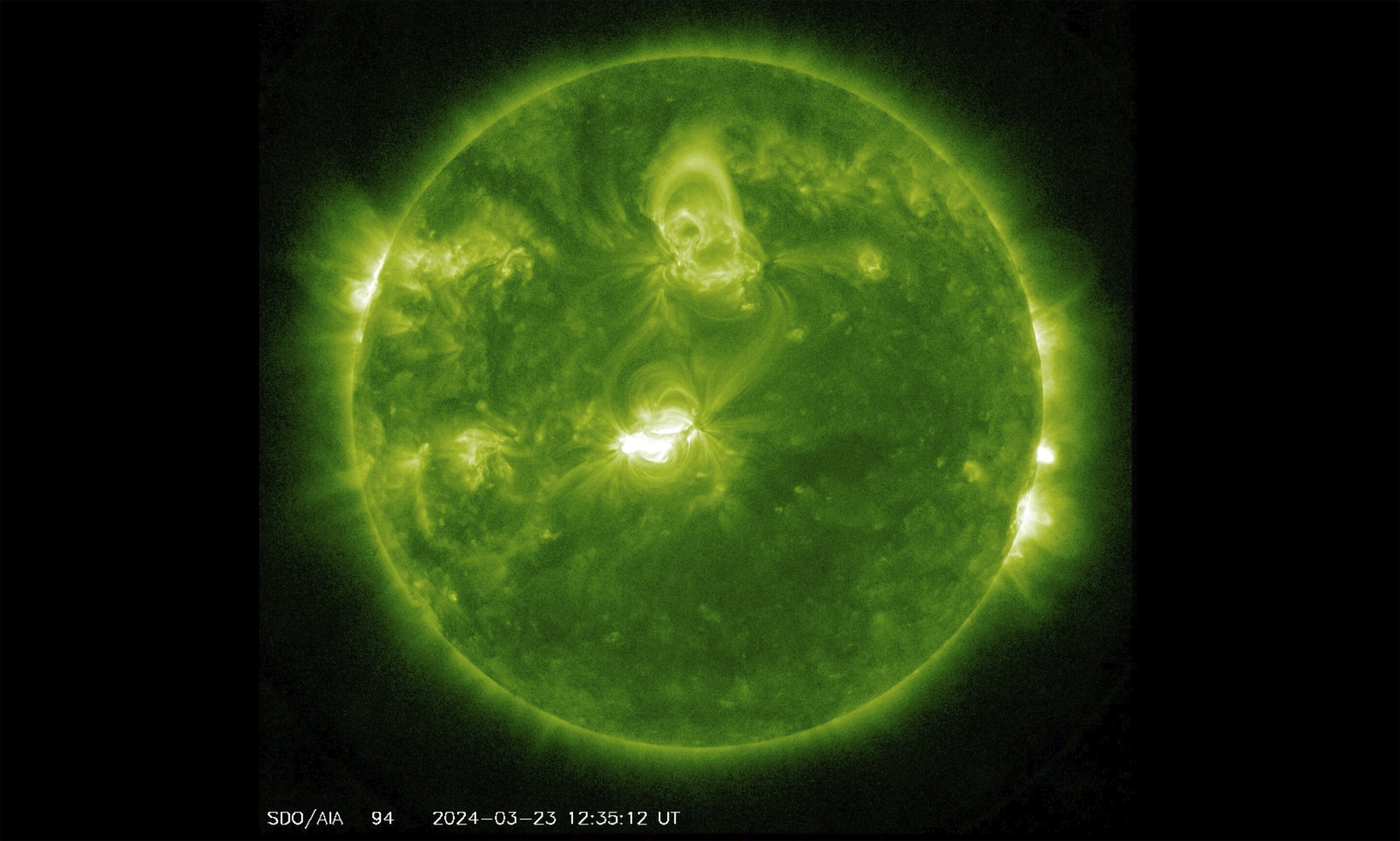
Space weather forecasters have issued a geomagnetic storm watch due to an outburst of plasma from a solar flare, which could disrupt radio transmissions on Earth and create a striking aurora. The public is reassured that there is no cause for concern, and the storm may provide an opportunity for great aurora viewing. While the storm could affect high-frequency radio transmissions and satellite operations, it is not expected to cause significant disruptions to power grids or other systems. This event is part of the sun's active solar maximum cycle, during which geomagnetic storms can occur a few times a year.
science-and-technology1 year ago

"Potential Impact of Geomagnetic Storm on Radio Communications and Northern Lights Viewing"

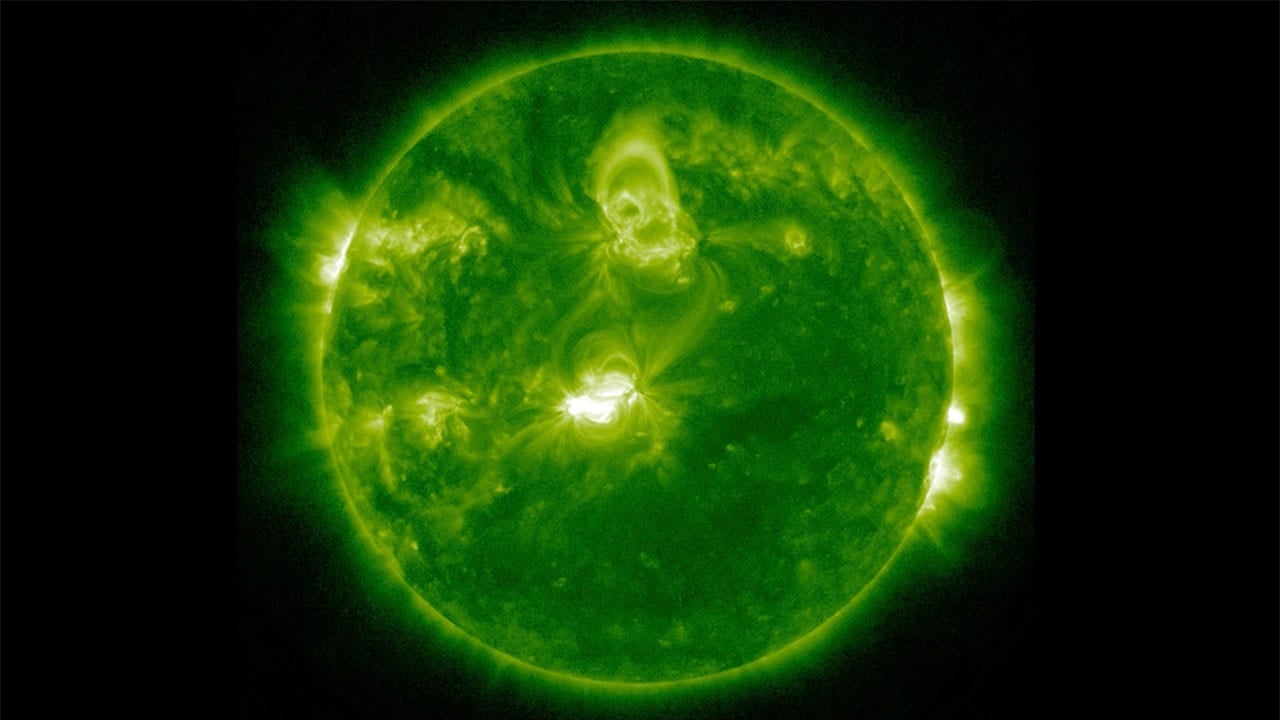
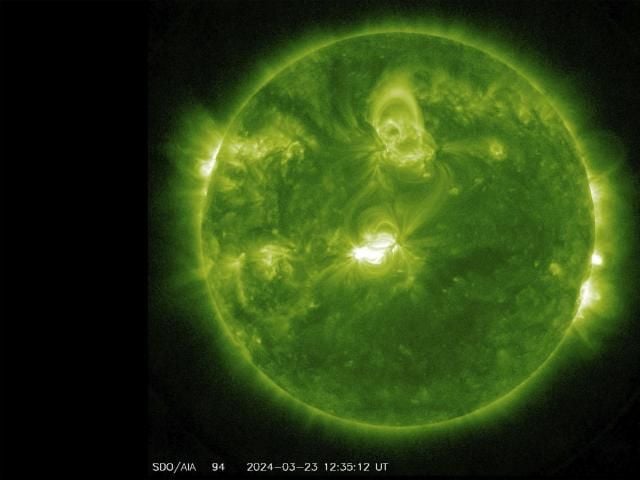
A geomagnetic storm caused by a coronal mass ejection from the Sun is expected to disrupt radio communications and create stunning auroras, with potential impacts on high-frequency radio transmissions and satellite operations. The storm, predicted to last through Monday, is part of the sun's active solar maximum cycle, occurring approximately every 11 years. While there may be some disruptions, authorities assure that most systems can handle the induced current and recommend enjoying the northern lights if clear skies are present at higher latitudes.

space-weather1 year ago

"Potential for Northern Lights and Radio Disruptions from Geomagnetic Storm"

Space weather forecasters have issued a geomagnetic storm watch due to an outburst of plasma from a solar flare, which could disrupt radio transmissions on Earth and create stunning auroras. The alert, issued by NOAA's Space Weather Prediction Center, assures the public that there is no cause for concern. While the storm may affect high-frequency radio transmissions and satellite operations, it is not expected to cause significant disruptions to power grids. This event presents an opportunity for those at higher latitudes to witness captivating night skies, as the sun nears its most active phase in its 11-year cycle.

science2 years ago

Solar Flares: Earth's Radio Communications and Northern Lights Impacted

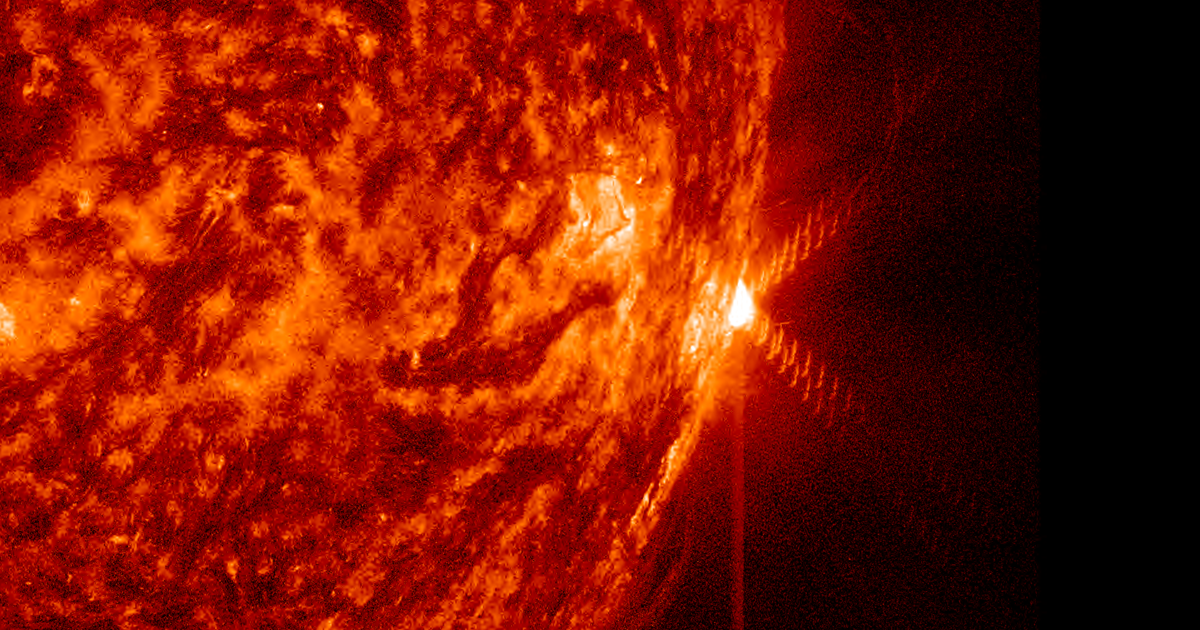
A powerful solar flare disrupted radio communications on Earth, with the flare's strength being almost 10,000 times the normal background radiation from the sun. While the event did not pose a direct threat to humans, it impacted industries such as GPS accuracy and communication. FAA facilities reported radio issues, and forecasters predict possible northern lights in the coming days. This solar flare is considered one of the largest recorded since 2017, and scientists anticipate more solar storms in the future.

science-and-technology2 years ago

Solar Flare Causes Radio Communication Issues and Potential Northern Lights in New England

NASA captures the largest solar flare in six years, classified as an X2.8 event, which caused high-frequency radio blackouts on Earth and significant interference with aircraft communications. Solar flares and eruptions can impact communications equipment, electrical grids, and spacecraft. No irregularities have been reported on the International Space Station. Additionally, two small coronal mass ejections (CMEs) have been detected and are expected to arrive on Earth by Friday and Saturday, potentially leading to brilliant displays of the Northern Lights.

science2 years ago

The Impact of Solar Eclipses on Earth's Atmosphere Explored with Amateur Radio Operators

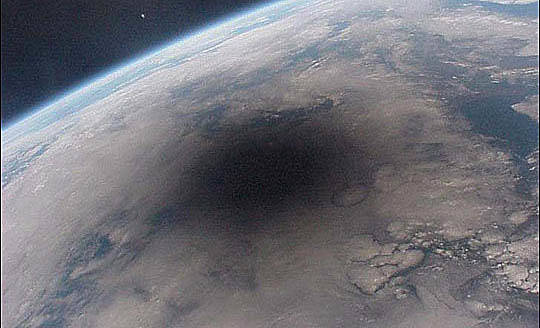
Solar eclipses can have a temporary impact on Earth's upper atmosphere, specifically the ionosphere. The decrease in solar radiation during an eclipse leads to changes in ionization, temperature, electron density, and the formation of ionospheric anomalies. These changes can affect radio communications and navigation systems, causing disruptions in the region where the eclipse is passing. However, these effects are temporary and localized, and the ionosphere returns to its normal state after the eclipse. Solar eclipses provide an opportunity for researchers to study the ionosphere and improve our understanding of its dynamics.

science-and-technology2 years ago

"US Radio Communications Disrupted by Solar Storm, Anticipate Increased Auroras"

Solar storms triggered by recent solar activity have disrupted radio communications across North America, with the potential for more incidents in the future. The Sun's eruptions, including intense X-class solar flares and coronal mass ejections (CMEs), are expected to increase as it approaches the peak of its 11-year activity cycle in 2025. Despite a recent CME potentially missing Earth, the impact of such events can still induce geomagnetic storms and create dazzling auroras in northern regions. Monitoring space weather forecasts becomes crucial as the Sun's erratic behavior continues.

science-and-technology2 years ago

Solar Flare Causes Radio Chaos in North America

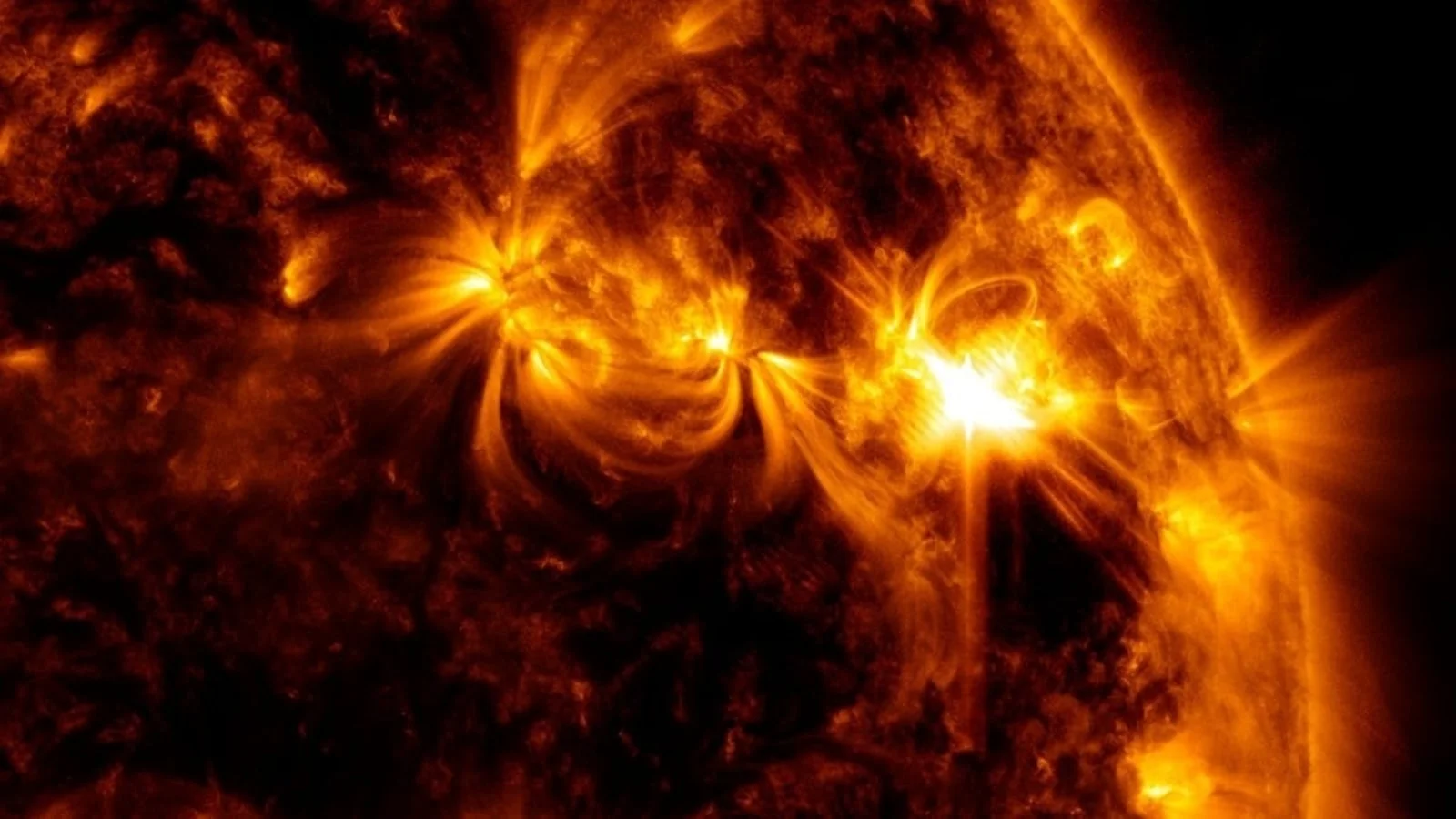
A powerful solar flare, rated as an X1.5, caused a radio and navigation signals blackout in North America, affecting frequencies below 5 Mhz. The flare is part of the Sun's increased activity during its 11-year solar cycle, with more intense solar storms expected in the coming year. The presence of charged solar particles in Earth's atmosphere has prompted warnings from the U.K. Met Office, as they can harm satellites, aircraft passengers, and astronauts. Additionally, two coronal mass ejections (CMEs) heading towards Earth have merged, potentially causing a G3-level storm that could disrupt power grids and telecommunication systems.

science-and-astronomy2 years ago

Sun unleashes powerful X-class solar flare, threatens space weather chaos.

A powerful X1.2 solar flare, the most powerful on the 5-grade scale, knocked out radio communications on Earth for about an hour on March 28. The flare emerged from the largest and most complex sunspot group that space weather forecasters currently observe in the southwestern part of the sun's disk. Space weather experts expect more powerful solar flares and coronal mass ejections in the coming days as the solar cycle nears its maximum. Although not as energetic as CMEs, solar wind streams from coronal holes have the ability to cause milder geomagnetic storms.