Tag

Contaminants

All articles tagged with #contaminants

local-news1 year ago

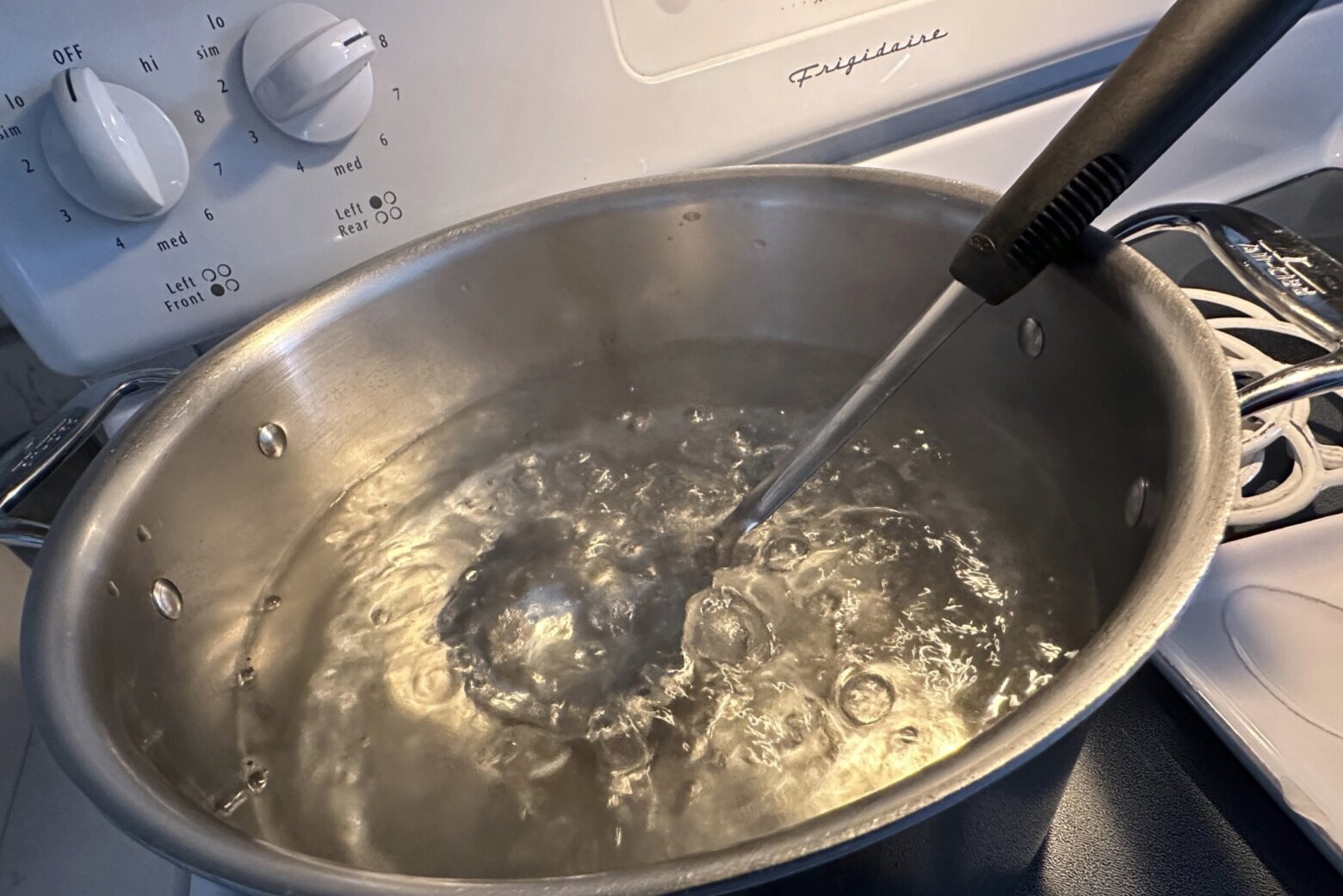
Northeast DC Faces Widespread Boil Water Advisory Amid Emergency Outage

Thousands of D.C. residents are under a boil water advisory due to a drop in water pressure that may have allowed contaminants into the system. Affected areas include River Terrace, Mayfair, and others, with D.C. Water working to reroute and restore pressure. The advisory will remain until tests confirm water safety, expected by December 5 at the earliest. Residents are advised to boil water for drinking and cooking, and to discard any beverages made after the advisory was issued.


environment1 year ago

Abandoned Lithium Mine Leaves Unusual Elemental Imprint in Waters

A study on a historic lithium mine in North Carolina reveals low levels of common contaminants like arsenic and lead in surrounding waters, but high levels of lithium, rubidium, and cesium, which are not federally regulated. The research, published in Science of The Total Environment, highlights potential water quality impacts of legacy lithium mining and provides baseline data for future studies on the effects of reopening lithium mines in the region. The study also notes that the mine does not contribute to acidic runoff, unlike other mining operations.

health1 year ago

Top 7 Nutritious Fish Recommended by Dietitians

Registered dietitian Kristen Carli highlights seven of the healthiest fish to consume, emphasizing their nutritional benefits and lower contaminant levels. These include sardines, mackerel, salmon, herring, rainbow trout, anchovies, and cod, which are rich in omega-3 fatty acids, vitamin D, and other essential nutrients. Carli advises choosing fish lower on the food chain to minimize exposure to mercury and other pollutants, and recommends sustainable fishing practices to reduce environmental impact. Consumers are encouraged to research fish brands and opt for wild-caught or responsibly farmed options.

science1 year ago

"The Surprising Advantage of Dirty Ice"

Researchers in Chicago have discovered that freezing water with impurities makes ice easier to remove from surfaces, potentially leading to less damaging de-icing methods and alternative melting agents. The study, published in Materials Horizons, highlights the impact of contaminants on ice adhesion and could pave the way for more effective and environmentally friendly solutions for dealing with ice-related issues.

health-and-wellness2 years ago

"Health Expert Warns Against Eating Snow After Reese Witherspoon Controversy"

Nutritionist and Registered Dietician Harriet Skevis warns against eating snow due to potential contamination from air pollutants, soil chemicals, and other contaminants. Snow can collect dust, pollen, and chemical pollutants as it forms in the clouds and descends to the ground, making it unsafe to consume, especially during snowstorms. Skevis advises against eating discolored snow and recommends using filtered ice for treats instead, as consuming contaminated snow can lead to health risks, particularly for children with low immunity.

health-and-safety2 years ago

"City Deems Brighton Park Migrant Camp Safe Despite Contaminated Soil"

A nearly 800-page report released by City Hall revealed the presence of heavy metals, toxic contaminants, and other hazardous substances, including arsenic, mercury, lead, and cyanide, at a Southwest Side site in Brighton Park that is being prepared to house newly arrived migrants. Despite the detection of these contaminants at levels requiring cleanup, city officials deemed the site "safe for temporary residential use" after removing the most problematic levels of contamination. The privately owned industrial land, leased by the city, will house up to 2,000 migrants, pending approval from the Illinois Environmental Protection Agency. The city's consultant stated that additional contamination cannot be ruled out, and if discovered, activities should be halted. The site's history of industrial use necessitated environmental testing to ensure human health and safety.

health2 years ago

"PFAS and Food Additives: Alarming Impact on Sexual Health Revealed by Major Studies"

Two major studies have highlighted the devastating effects of PFAS and other endocrine-disrupting chemicals (EDCs) on male and female reproductive health. These substances, found in everyday products such as plastics, food packaging, and personal care items, have been linked to infertility, genital malformations, lower sperm count and quality, early menopause, and an increased risk of breast and testicular cancers. The studies emphasize the importance of reducing exposure to these harmful substances, including eating organic food, avoiding plastics and canned foods, and changing personal care products. The decline in fertility rates adds to the ongoing fertility crisis in the United States, with experts warning of potential economic consequences.

environment2 years ago

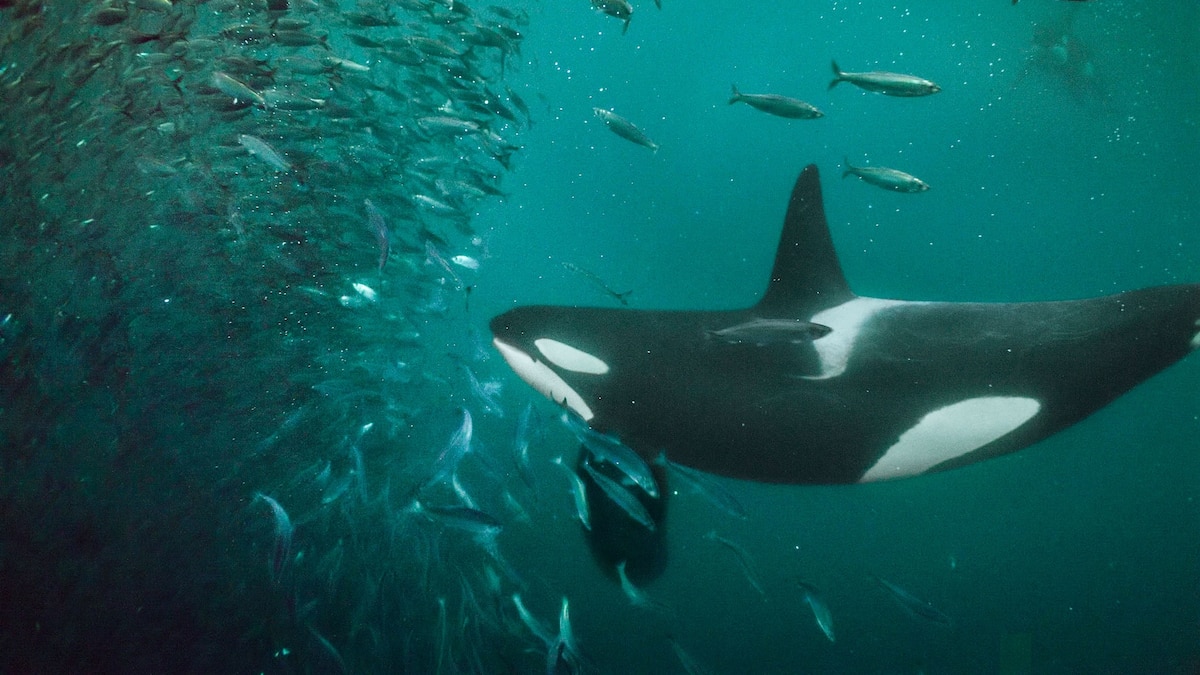
Toxic Diets: How Orcas' Food Choices Endanger Them

A new study reveals that killer whales, or orcas, in the western North Atlantic, including those in the Arctic, are significantly more contaminated with toxic chemicals than their counterparts in the east. The study suggests that their diet plays a major role in the level of pollutants, rather than their location. Orcas that consume top predators, such as marine mammals, are the most polluted due to the amplification of contaminants as they move up the food chain. These chemicals weaken orcas' immune systems, disrupt their endocrine function, impede growth and brain development, and interfere with reproduction. The study highlights the urgent need to address toxic waste and prevent the release of new contaminants to protect these majestic animals and maintain ecosystem balance.

health2 years ago

"Health Alert: Avoid Swimming in Pools with Strong Chlorine Odor"

The Centers for Disease Control and Prevention (CDC) warns that the "chlorine smell" and red eyes experienced in pools are not caused by pool chemicals, but rather by the combination of chlorine with contaminants such as urine, feces, sweat, and makeup brought in by swimmers. A CDC study found that 58% of public pool samples tested positive for E. coli. These contaminants can form chloramines, which can cause skin and nasal irritation, coughing, asthma attacks, and wheezing. Persistent germs like cryptosporidium can survive in pool water, making it the leading cause of pool-related outbreaks. The CDC recommends checking inspection records, testing pH and chlorine levels, ensuring clear visibility in the pool, and checking for secure drain covers and safety equipment to stay safe at public pools.

science-and-technology2 years ago

"Surprising Study Reveals Alarming Pollution Levels on International Space Station"

A study has found that concentrations of toxic contaminants in dust on the International Space Station (ISS) exceed those found in floor dust in many American homes. The levels of organic pollutants in ISS dust samples were higher than the median values found in US and Western European homes. Contaminants identified in the "space dust" included flame retardants, persistent organic pollutants, and substances classified as human carcinogens. The researchers suggested that careful material choices in the design and construction of future space stations could help exclude many contaminant sources.

space2 years ago

Chemical Contamination on International Space Station: A Disturbing Revelation

A study has found that concentrations of potentially harmful chemical contaminants on the International Space Station (ISS) could exceed those found in dust on floors in homes across the United States and Western Europe. The research identified various organic contaminants, including flame retardants and toxic substances, in the dust collected by the ISS's air filtration system. The findings have implications for future space stations and habitats, highlighting the need for careful material choices during design and construction. The study also raises questions about the efficiency of the ISS's filtration system in removing these contaminants and the impact of ionizing radiation on their abundance in space-based dust.

gardening2 years ago

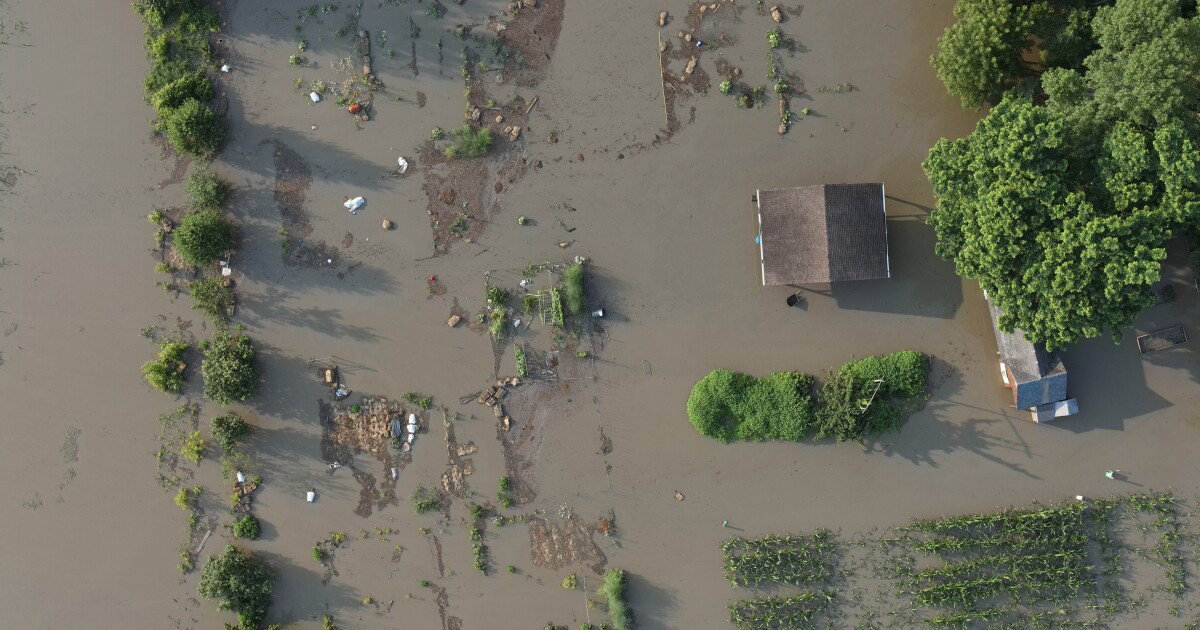
"Vermont's Flooded Gardens: Unsafe Veggies and Recovery Efforts"

After historic flooding in Vermont, home gardeners are advised to throw out edible leafy green crops, soft fruits, and berries that were touched by or under floodwaters due to potential contamination from industrial chemicals, petrochemicals, and sewage systems. Even root crops that survived the flood should not be consumed. Soil remediation is recommended, including testing for contamination, removing the top layer of soil, adding fresh compost and topsoil, and planting fall crops. Ornamentals, flowers, and shrubs may recover with proper oxygenation and organic matter. Flooded compost bins should be taken out of commission to avoid contamination.

disasters2 years ago

Indiana Recycling Plant Fire: Evacuation Order Evaluation and Health Concerns Remain.

Officials in Richmond, Indiana are set to evaluate air and water samples on Saturday to determine when it will be safe for hundreds of residents to return home after a plastics recycling plant fire forced evacuation orders. The fire, which began on Tuesday, has largely been reduced to hotspots and flare-ups by Thursday. Potentially harmful contaminants have been found in air samples taken within the half-mile evacuation zone, including hydrogen cyanide, benzene, chlorine, carbon monoxide, and volatile organic compounds. Particulate matter has also been found inside and outside the evacuation zone. The cause of the fire is still unknown, but local leaders have expressed concerns about the facility's hazards and building code violations since 2019.