
Toxic Diets: How Orcas' Food Choices Endanger Them
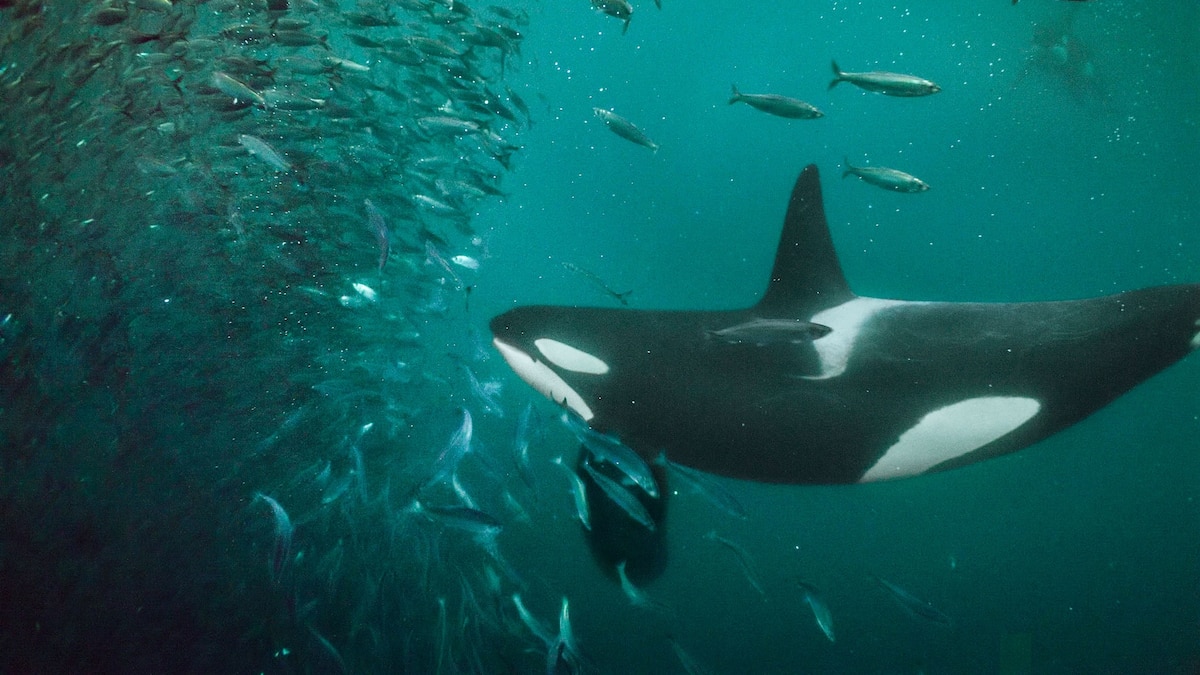
A new study reveals that killer whales, or orcas, in the western North Atlantic, including those in the Arctic, are significantly more contaminated with toxic chemicals than their counterparts in the east. The study suggests that their diet plays a major role in the level of pollutants, rather than their location. Orcas that consume top predators, such as marine mammals, are the most polluted due to the amplification of contaminants as they move up the food chain. These chemicals weaken orcas' immune systems, disrupt their endocrine function, impede growth and brain development, and interfere with reproduction. The study highlights the urgent need to address toxic waste and prevent the release of new contaminants to protect these majestic animals and maintain ecosystem balance.
Reading Insights
0
10
4 min
vs 5 min read
86%
850 → 122 words
Want the full story? Read the original article
Read on National Geographic