
Revolutionary AI Model Predicts Chemical Reactions with Unprecedented Accuracy and Speed
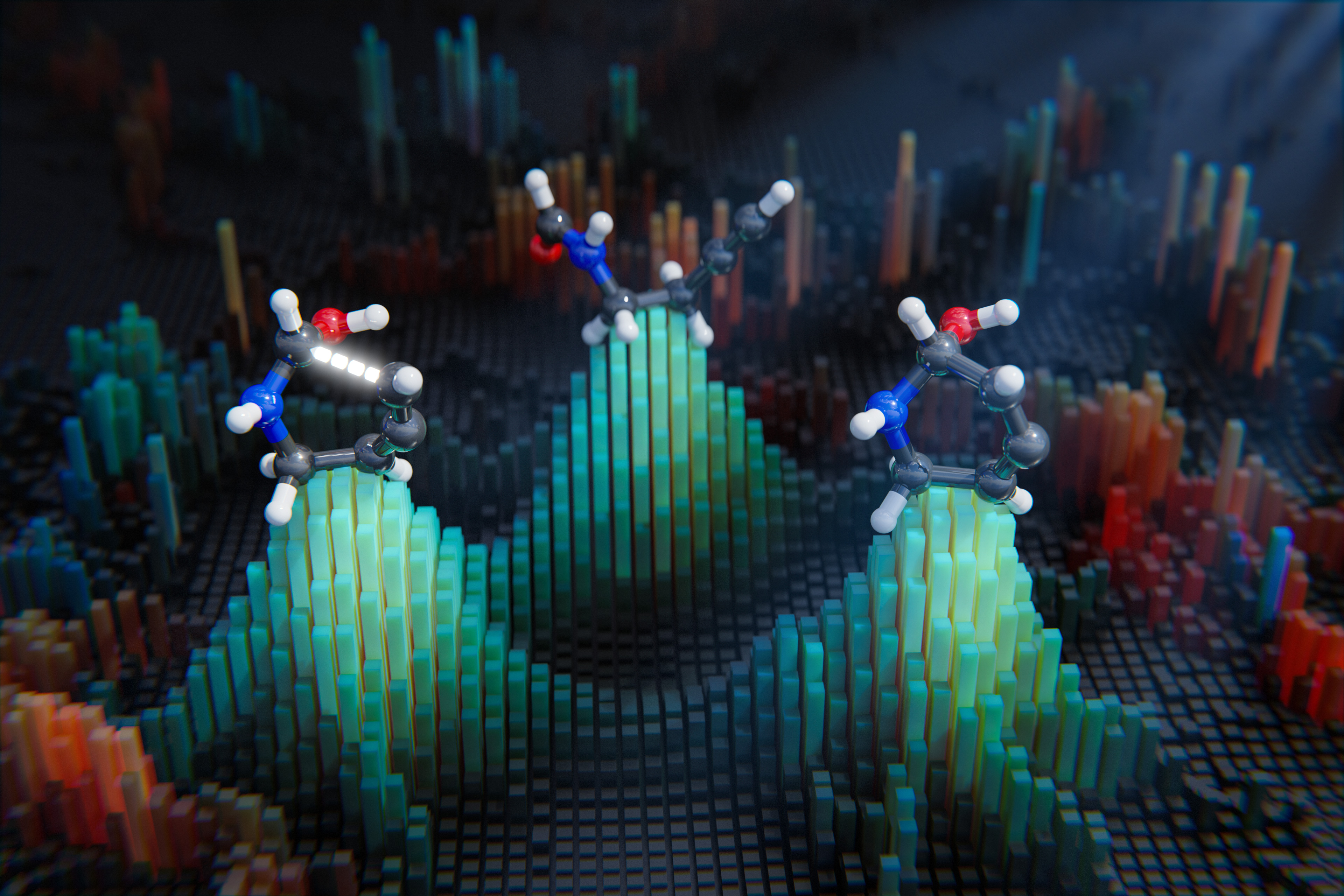
Researchers at MIT have developed a machine learning-based computational model that can quickly calculate the structures of transition states in chemical reactions. Transition states are fleeting and difficult to observe experimentally, but their structures are crucial for designing catalysts and understanding natural chemical reactions. The model, which uses a diffusion model approach, was trained on 9,000 different chemical reactions and accurately predicted transition state structures for 1,000 new reactions. The entire computational process takes just a few seconds per reaction, making it significantly faster than traditional quantum chemistry methods. The model could have applications in designing new reactions and catalysts for fuel and drug synthesis, as well as modeling chemical reactions on other planets or during the early evolution of life on Earth.
- Computational model captures the elusive transition states of chemical reactions MIT News
- Accurate transition state generation with an object-aware equivariant elementary reaction diffusion model Nature.com
- AI dodges quantum chemistry to reduce time solving a problem from days to seconds Cosmos
- MIT's Marvelous Molecule Model, AI Predicts Chemical Reactions in Seconds Hoodline
Reading Insights
0
1
4 min
vs 6 min read
88%
1,011 → 123 words
Want the full story? Read the original article
Read on MIT News