Tag

Earths Oceans

All articles tagged with #earths oceans

Earth's Ancient Water Surge Reshaped Oceans 15 Million Years Ago

Originally Published 5 months ago — by The Daily Galaxy

Featured image for Earth's Ancient Water Surge Reshaped Oceans 15 Million Years Ago
Source: The Daily Galaxy

Approximately 15 million years ago, tectonic activity caused Earth's oceanic crust to sink, drastically reducing ocean volume and sea levels by up to 30 meters, while also influencing global climate by decreasing volcanic CO2 emissions and promoting cooling. This event highlights the significant role of geological processes in shaping Earth's oceans and climate, independent of human influence.
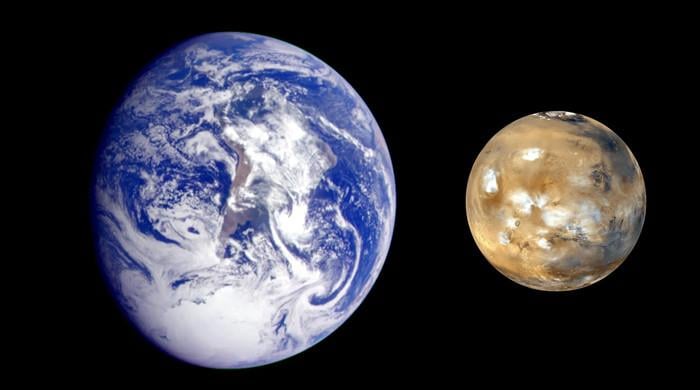
"Mars's Surprising Impact on Earth's Oceans Unveiled by Scientists"

Originally Published 1 year ago — by Geo News

Featured image for "Mars's Surprising Impact on Earth's Oceans Unveiled by Scientists"
Source: Geo News

Scientists have discovered a surprising link between Mars and Earth's oceans, revealing that deep-sea currents have been influenced by 2.4 million-year climate cycles caused by the gravitational resonance between the two planets. This interaction has led to the weakening and strengthening of ocean currents, impacting the shape of their orbits and distance from the sun. While these natural climate cycles affect warming and ocean currents on Earth, they are not linked to the rapid heating caused by human activities. The study provides valuable insights into ocean circulation changes and the potential mitigation of impacts from a collapse of the Atlantic Meridional Overturning Circulation.

"NASA's PACE Mission: Exploring Earth's Oceans and Atmosphere"

Originally Published 1 year ago — by USA TODAY

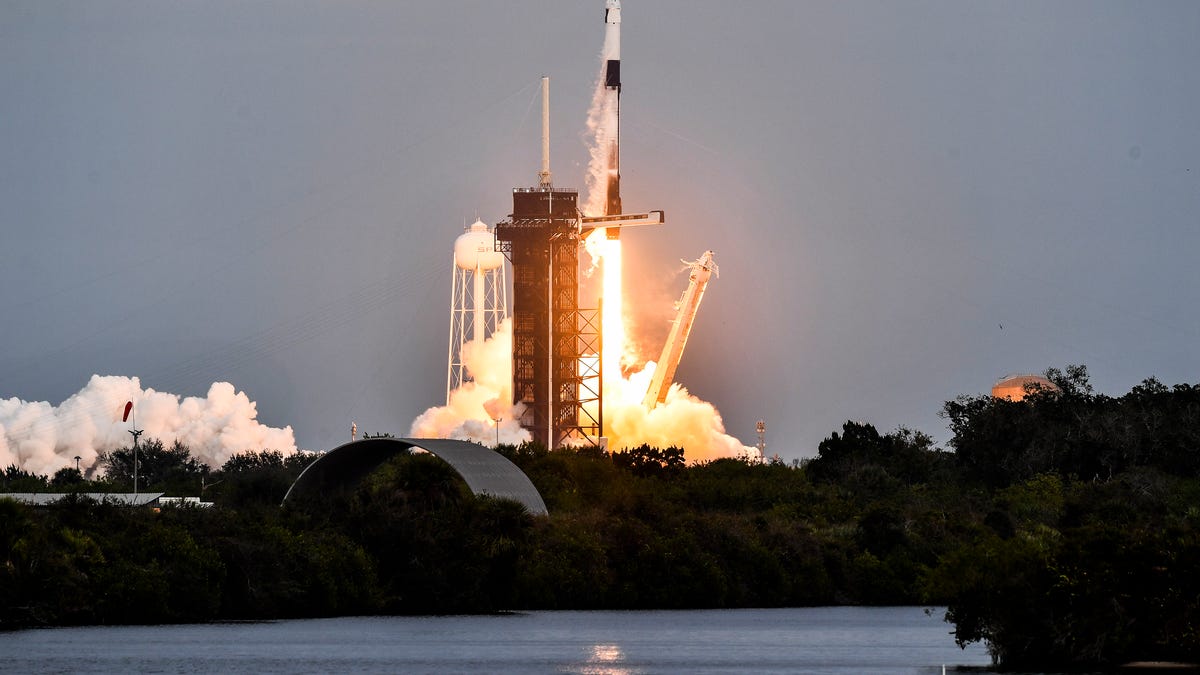
Featured image for "NASA's PACE Mission: Exploring Earth's Oceans and Atmosphere"
Source: USA TODAY

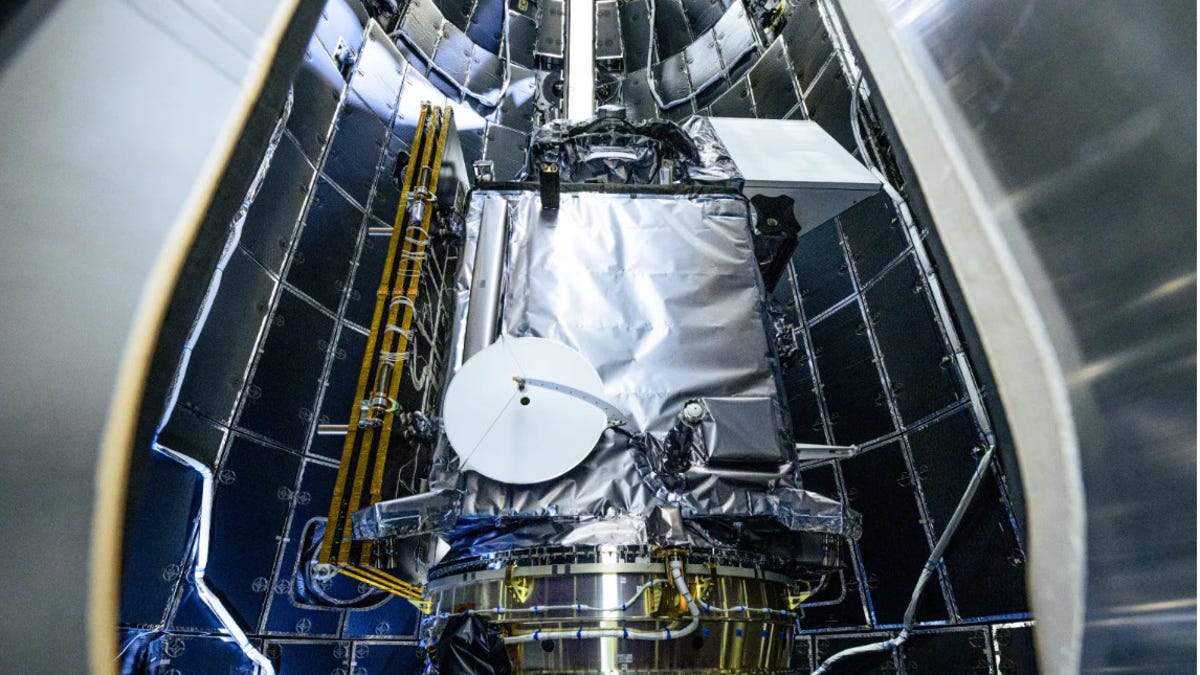
NASA and SpaceX are set to launch the PACE mission, aimed at examining Earth's oceans and climate, from Cape Canaveral Space Force Station in Florida. The mission, scheduled for 1:33 a.m. ET on Feb. 7, will see a SpaceX Falcon 9 rocket carry a spacecraft called PACE (Plankton, Aerosol, Cloud, ocean Ecosystem) to help understand the exchange of carbon dioxide between the ocean and atmosphere, measure atmospheric variables, and monitor ocean health. This launch marks the first U.S. government mission in over 60 years to aim for a polar orbit from Cape Canaveral.

"NASA's PACE Mission: Exploring Earth's Oceans from Space"

Originally Published 1 year ago — by USA TODAY

Featured image for "NASA's PACE Mission: Exploring Earth's Oceans from Space"
Source: USA TODAY

NASA and SpaceX are set to launch the PACE mission, aimed at examining Earth's oceans, using a Falcon 9 rocket from Cape Canaveral Space Force Station in Florida. The mission, scheduled for 1:33 a.m. ET on Tuesday, will mark the first U.S. government polar orbit launch from Cape Canaveral in over 60 years. The spacecraft, named PACE (Plankton, Aerosol, Cloud, ocean Ecosystem), is designed to observe ocean ecosystems and air quality, with NASA's head of science emphasizing its importance in understanding the health of oceans and air. The launch can be watched on NASA's YouTube channel or by registering as a virtual guest for updates and mission-specific information.

Exploring Earth's Oceans: Prioritizing Close-to-Home Observations

Originally Published 2 years ago — by The Conversation

Featured image for Exploring Earth's Oceans: Prioritizing Close-to-Home Observations
Source: The Conversation

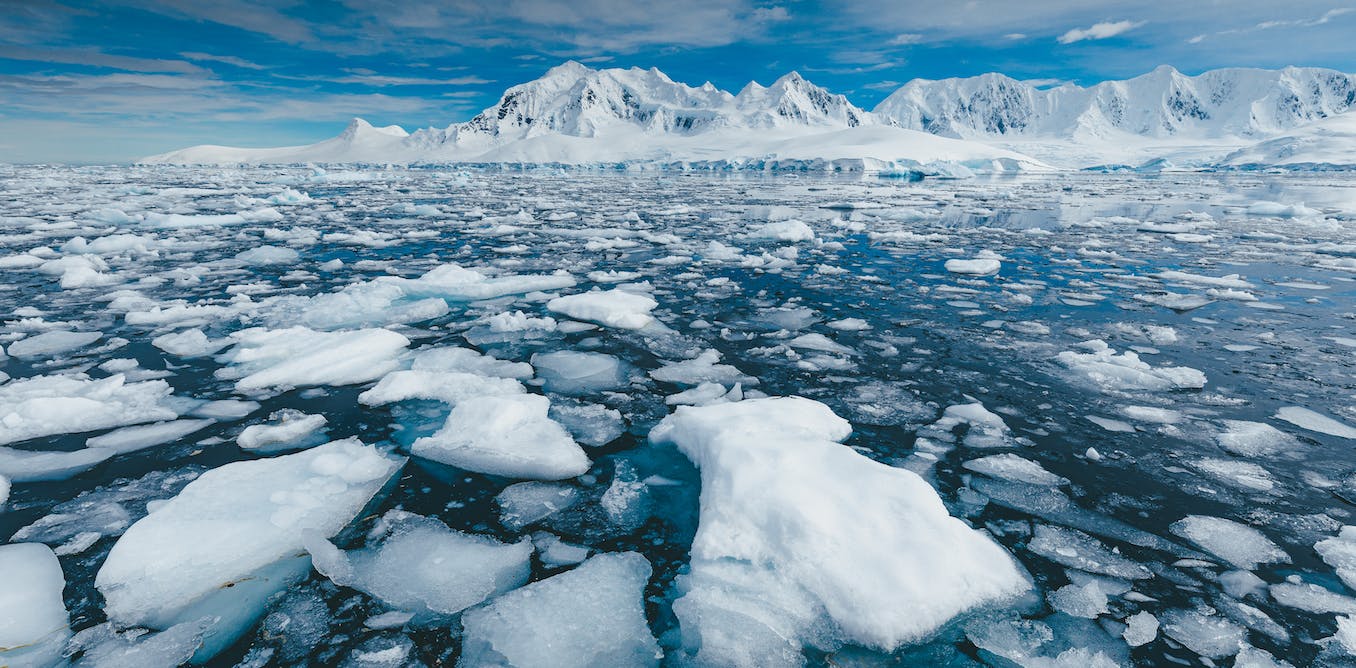
While we have managed to land a camera on Venus, we are still learning about our own oceans. To better understand the climate-regulating role of Earth's oceans, we need to increase efforts to observe them, particularly focusing on the Southern Ocean. The Southern Ocean is unique due to Antarctica's sea ice and the Antarctic Circumpolar Current. Rapid changes in this region necessitate increased capacity for observation and measurement. Collaboration among researchers is crucial, as is the deployment of new technologies to monitor changing conditions. The lack of direct observations has led to surprises and gaps in knowledge, highlighting the importance of investing in observing Earth's oceans to better understand and respond to climate change.

Reevaluating the Link Between Oxygen Levels and the Emergence of Multicellular Life in Earth's Oceans

Originally Published 2 years ago — by Phys.org

Featured image for Reevaluating the Link Between Oxygen Levels and the Emergence of Multicellular Life in Earth's Oceans
Source: Phys.org

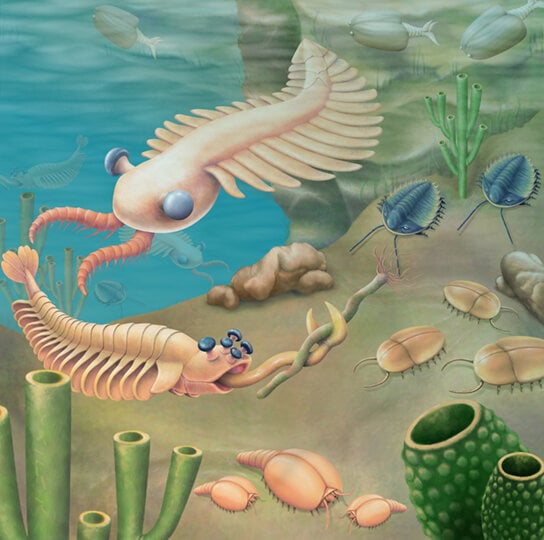
A new study challenges the long-held assumption that higher oxygen levels triggered the rise of multicellular organisms in Earth's oceans. Researchers from the University of Copenhagen, Woods Hole Oceanographic Institute, and other institutions analyzed ancient rock samples and found that oxygen concentrations during the era when multicellular organisms appeared remained 5-10 times lower than today. This discovery suggests that increased oxygen levels did not drive the evolution of advanced marine organisms. Instead, the researchers propose that lower oxygen levels may have provided a favorable environment for the development of multicellular life. The findings call for a revision of our understanding of the factors that influenced the origin and development of life on Earth.

New insights into the origins of Earth's oceans and water

Originally Published 2 years ago — by The Register

Featured image for New insights into the origins of Earth's oceans and water
Source: The Register

A new study from the AETHER project proposes that Earth's oceans could have formed from interactions between a hydrogen-rich early atmosphere and oxygen within the planet's magma. The research also demonstrates why Earth's core is lighter than it should be, owing to the presence of gaseous hydrogen. The authors propose that one of the protoplanets involved in the formation of Earth was heavier than thought. The calculations show that interactions with atmospheric hydrogen could produce enough water to fill the current volume of our oceans three times over.