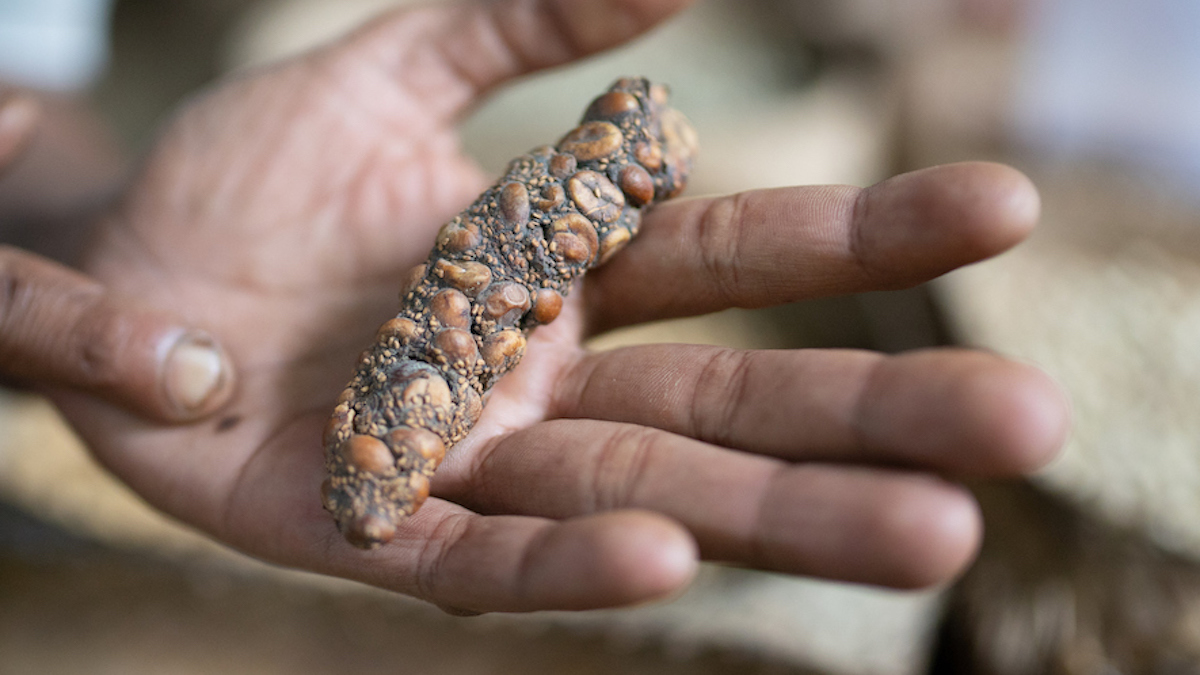
Research shows that civet coffee, or kopi luwak, has a unique chemical profile due to the civet's digestive process, which enhances flavor but raises ethical concerns about animal welfare and sustainability.
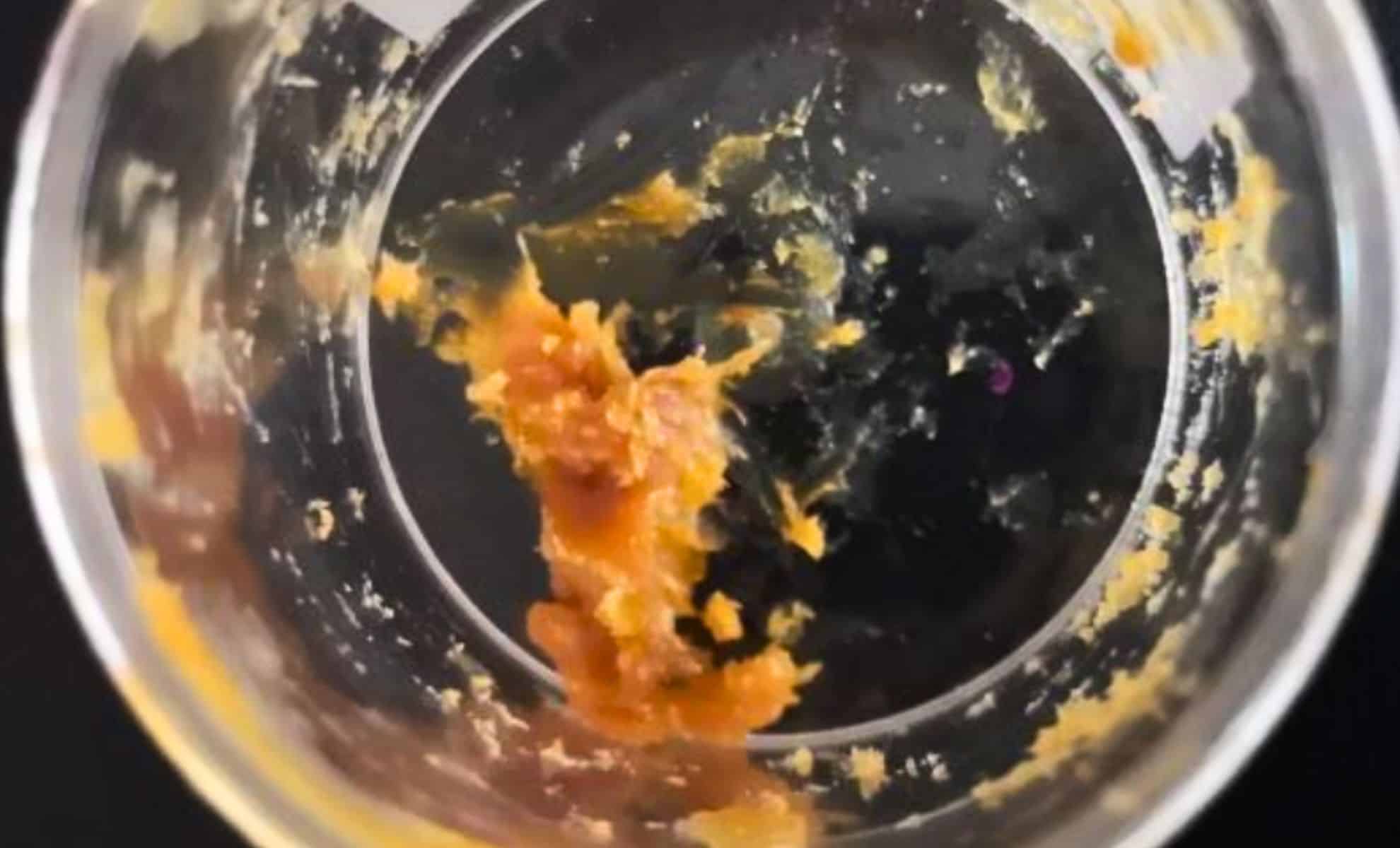
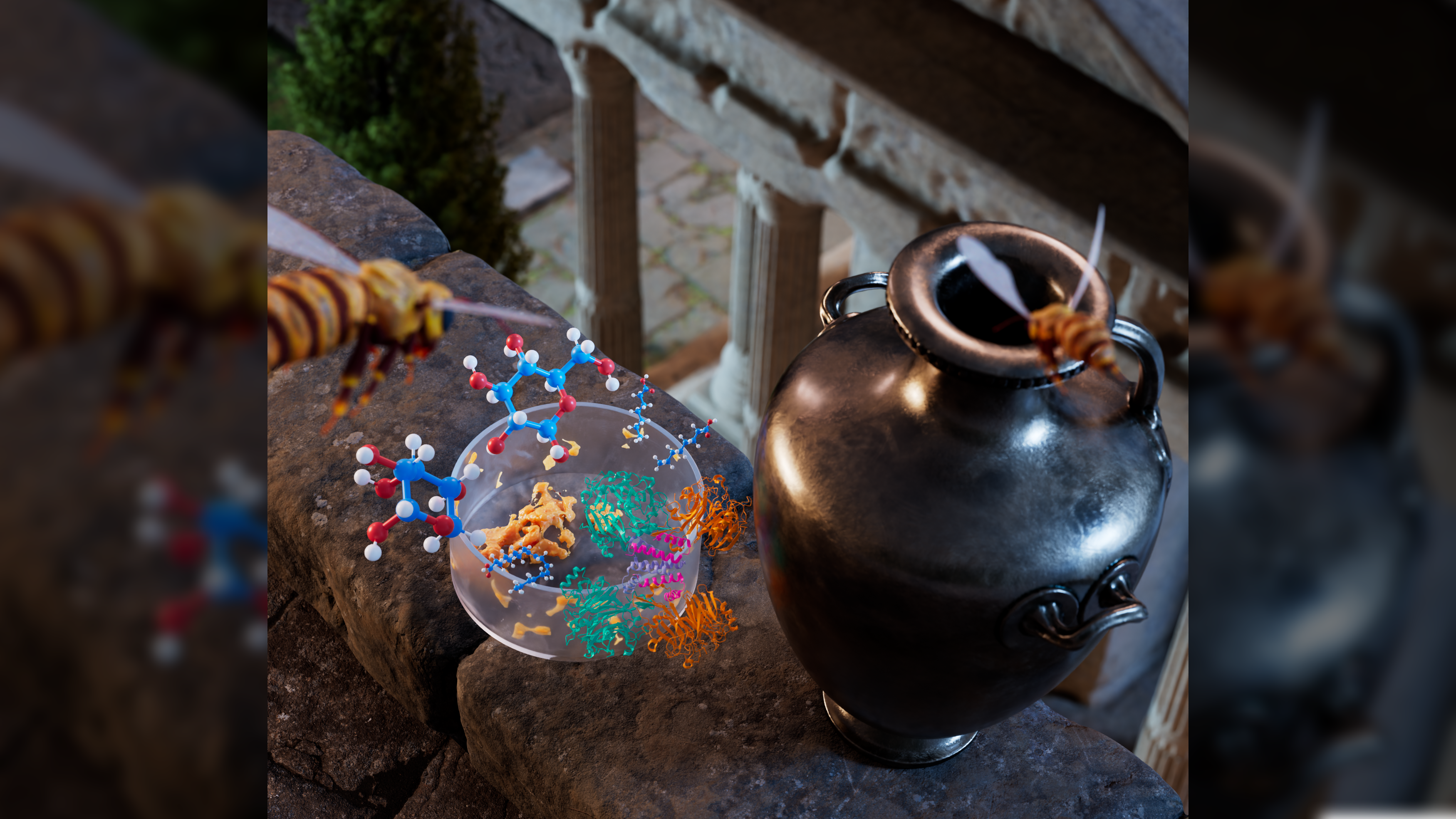
Scientists identified a 2,500-year-old sticky substance in ancient bronze jars from Paestum as honey, using advanced chemical techniques, shedding light on its ritual and practical uses in antiquity.
Scientists identified the sticky residue in 2,500-year-old bronze jars from Italy as honey, resolving a 70-year debate and providing insights into ancient rituals and offerings to gods.
Scientists have identified the sticky residue in 2,500-year-old bronze jars from Paestum as honey, resolving a 70-year debate and providing insights into ancient Greek rituals and offerings.
A study analyzing over 50 tattoo inks from nine different brands used in the US found that 83% of the inks contained unlisted substances, raising concerns about potential health risks. The research revealed discrepancies between the ingredients listed on the labels and the actual contents of the inks, with some inks containing potentially harmful or undisclosed additives. The findings highlight the need for improved labeling and manufacturing practices in the tattoo ink industry to ensure consumer safety.
Research from Binghamton University reveals that the ingredients listed on tattoo ink labels often do not match what's actually in the bottle, with 90% of analyzed inks showing major discrepancies. Unlisted substances such as polyethylene glycol and propylene glycol were found, posing potential health risks. The study highlights the need for better labeling and manufacturing practices, especially as the FDA begins to regulate tattoo inks under the Modernization of Cosmetics Regulation Act.
The body of Russian opposition leader Alexei Navalny, who died in a Russian prison, is being held for "chemical analysis" for two weeks, according to his family. His widow accused Russian President Vladimir Putin of killing him and alleged that the authorities were waiting for traces of the nerve agent Novichok to disappear from his body. Western leaders have blamed Putin for Navalny's death and are considering new sanctions on Russia, while Russian prison authorities claimed Navalny suffered "sudden death syndrome."
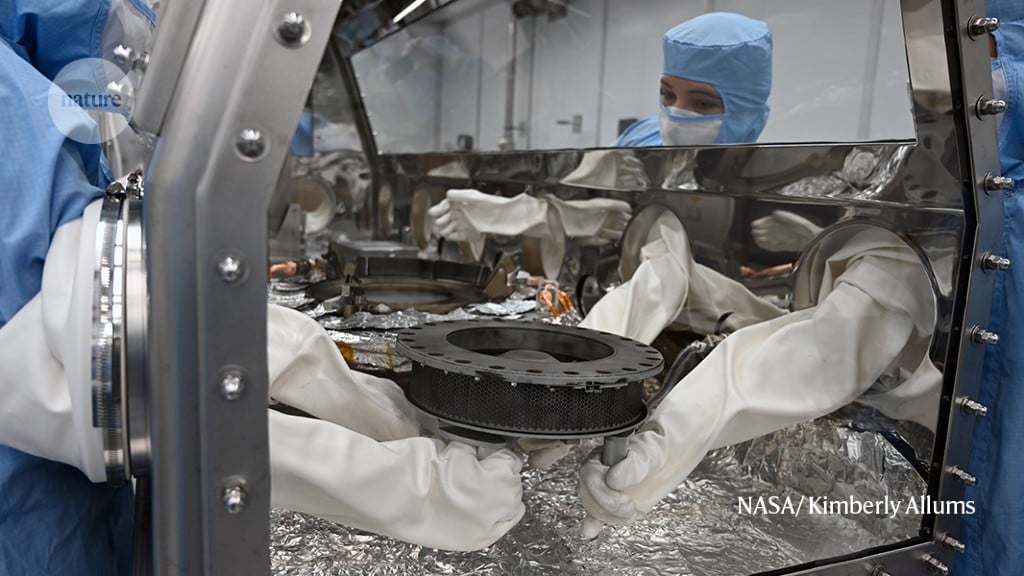
NASA's OSIRIS-REx mission has brought back over 70 grams of asteroid dust and pebbles, more than ten times the amount ever collected from an asteroid. Initial analysis of the samples has revealed surprising combinations of chemical elements, including a light-colored surface skin containing magnesium, sodium, and phosphate, which is rarely seen in meteorites. The samples also contain hydrated clay minerals, carbonates, magnetite, sulfide minerals, and organic compounds. However, two screws on the sample canister are preventing access to the rest of the space rock, and new screwdrivers are being made to resolve the issue.
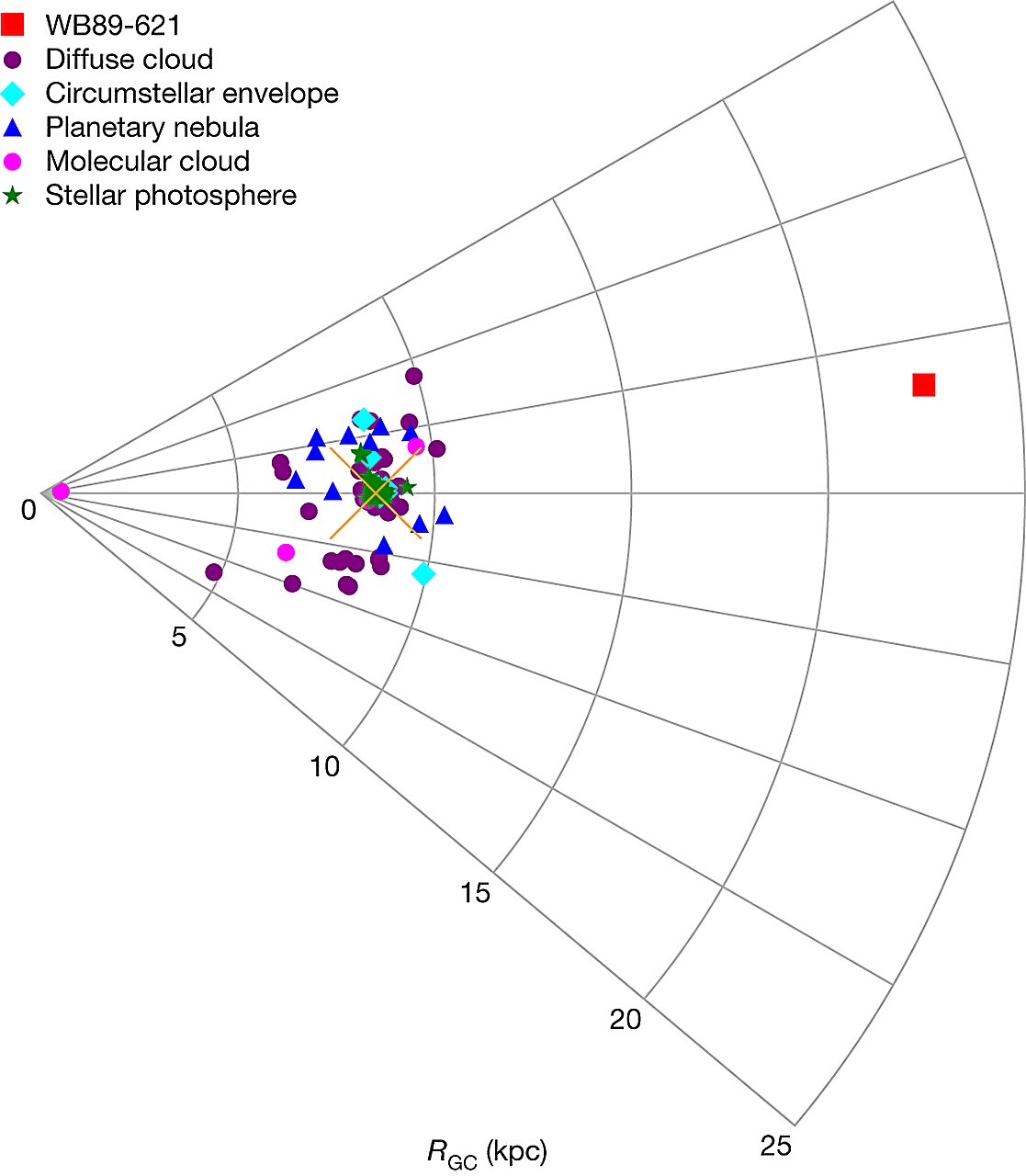
Chemists at the University of Arizona have discovered phosphorous in the outskirts of the Milky Way galaxy for the first time. Previous research had only found phosphorous near the sun and inner parts of the galaxy, but this study observed it in gas cloud WB89-621, located at a distance of 22.6 kpc from the galactic center. The researchers ruled out possible sources such as galactic fountains and extragalactic sources, suggesting that other sources need to be investigated to determine the origin of the phosphorous.
A chemical analysis of the sword in the stone at the Montesiepi Chapel in Siena, Italy, suggests that it is an authentic artifact from the late twelfth century, consistent with the legend of Galgano Guidotti, a knight turned saint who thrust his sword into the stone as a symbol of abandoning his violent life. The composition of the metal did not reveal the use of modern alloys, and the fingerprints of trace elements within the sword's metal matched those found in iron slag from the same time period. The hilt protruding from the rock and the sword blade underneath are one piece, but how the sword got there remains a mystery.
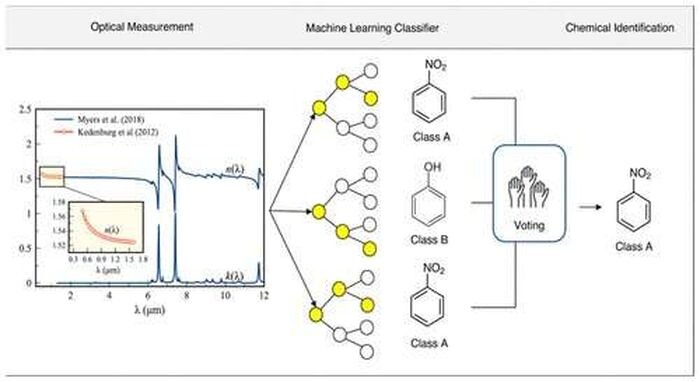
Researchers have developed a method to identify organic compounds using machine learning and the refractive index at a single optical wavelength. The technique could have applications for automated chemical analysis that is cheaper, safer and requires less expertise to operate. The machine learning was trained on a publicly available database of past optical experiments with published data from scientific literature dating back to 1940. The researchers achieved molecular classification testing accuracies in the visible regions better than 98%.