Tag

Imaging Technique

All articles tagged with #imaging technique

Scientists Discover Hidden Networks Connecting the Human Body
science1 month ago

Scientists Discover Hidden Networks Connecting the Human Body

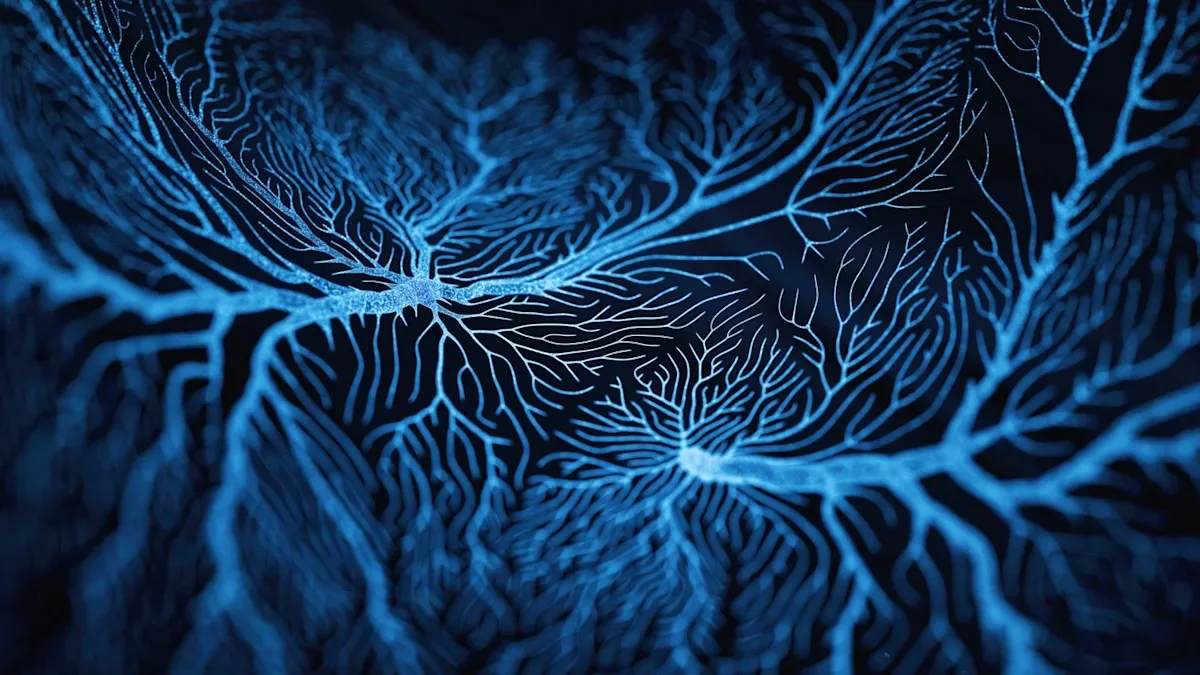
Scientists at Stanford have developed a new imaging technique called computational scattered light imaging (ComSLI) that allows detailed visualization of microscopic fiber networks in human tissues, which could lead to better understanding of diseases like Alzheimer's and other neurological disorders. The method is accessible, requiring only a simple setup with a light source and microscope camera, and can analyze existing tissue samples with high resolution, opening new avenues for research and diagnosis.
"200-Year-Old Photos Rediscovered After Being Lost for Decades"
science-and-technology1 year ago

"200-Year-Old Photos Rediscovered After Being Lost for Decades"

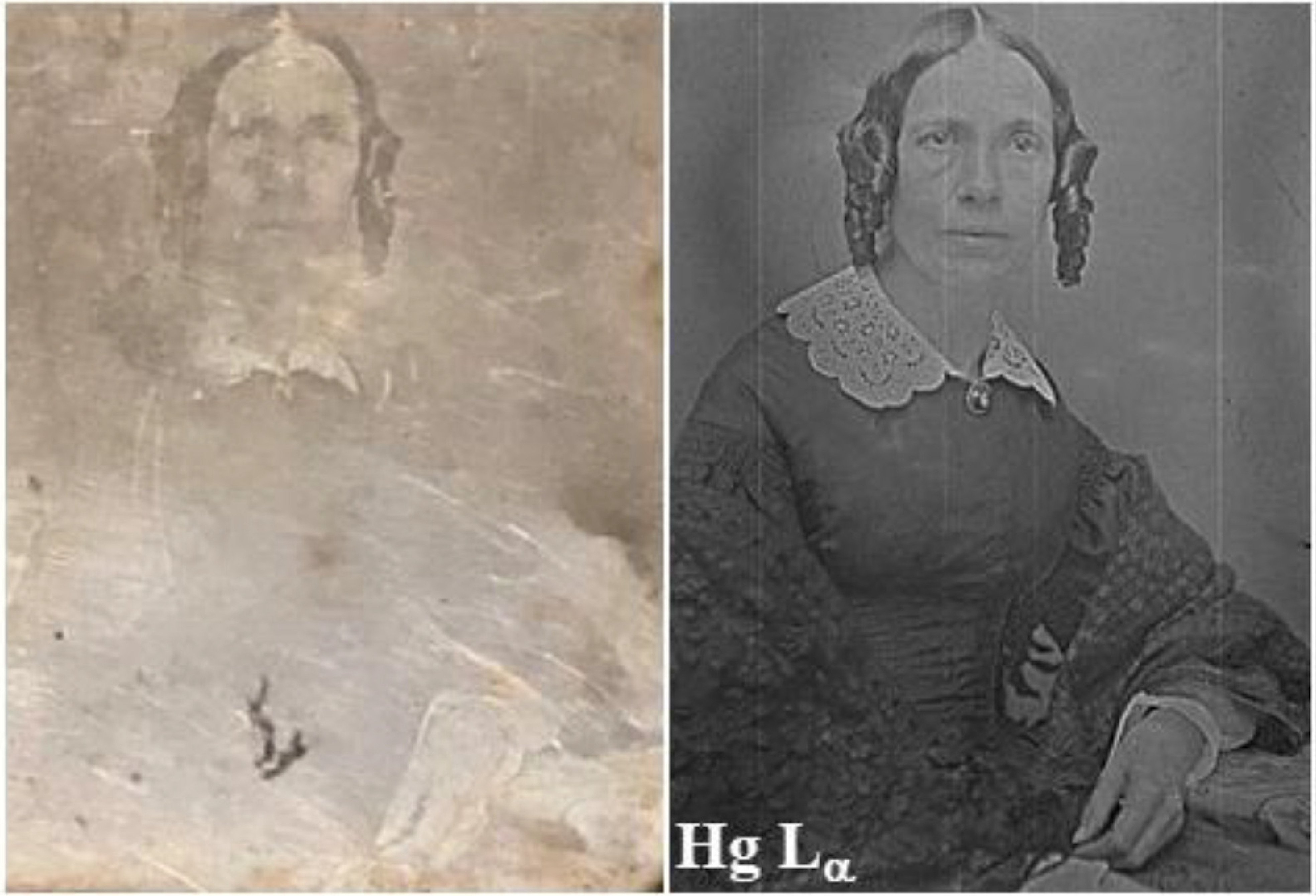
Researchers at Western University in Canada have developed a novel imaging technique using synchrotron light to retrieve images from badly tarnished 19th century daguerreotypes, a form of early photography. The process involves using narrow beams of X-ray radiation to reveal hidden details in corroded images, bringing to light portraits and historical artifacts that seemed lost forever. The technique has potential implications for scholars studying history and could also be applied to study other historic artifacts or fossils with severe surface deterioration, as well as for scientists studying corrosion on materials.

"Revolutionizing Cell Exploration: Advanced Microscopy Unveils Intricate Details"
science-and-technology1 year ago

"Revolutionizing Cell Exploration: Advanced Microscopy Unveils Intricate Details"

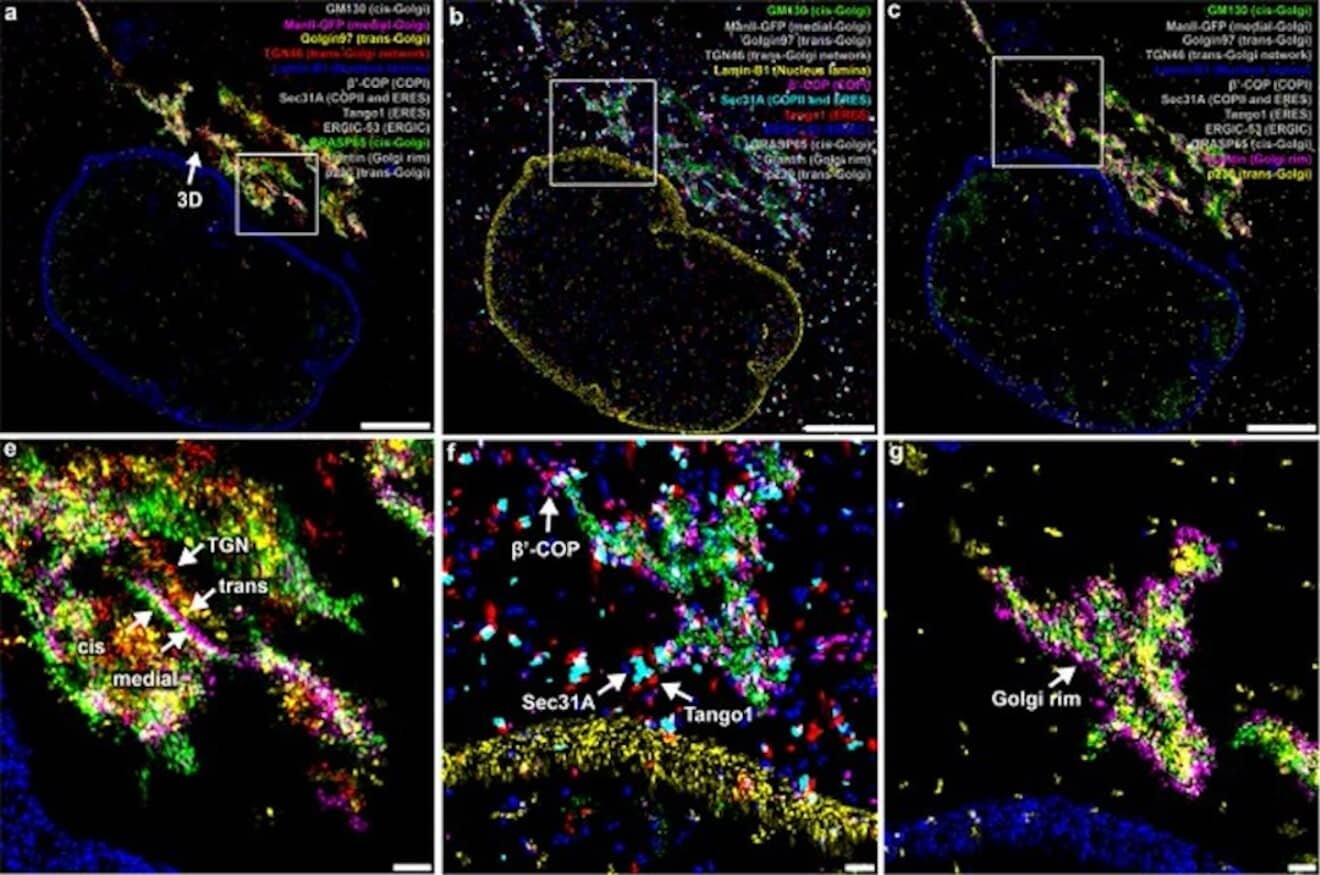
Yale scientists have developed a new microscopy technique called FLASH-PAINT, which allows researchers to view an unlimited number of different molecules within individual cells. This technique, published in Cell, utilizes imaging probes and an adapter that transiently binds to numerous targets, making it 100 times faster and more cost-efficient than current super-resolution microscopy techniques. The team hopes that FLASH-PAINT will enable visualization of complex subcellular processes, leading to new insights for disease treatment and potential diagnostic applications.

"Electron Flow Visualization Inspires Nanoscale Devices with Wing-like Efficiency"
science-and-technology2 years ago

"Electron Flow Visualization Inspires Nanoscale Devices with Wing-like Efficiency"

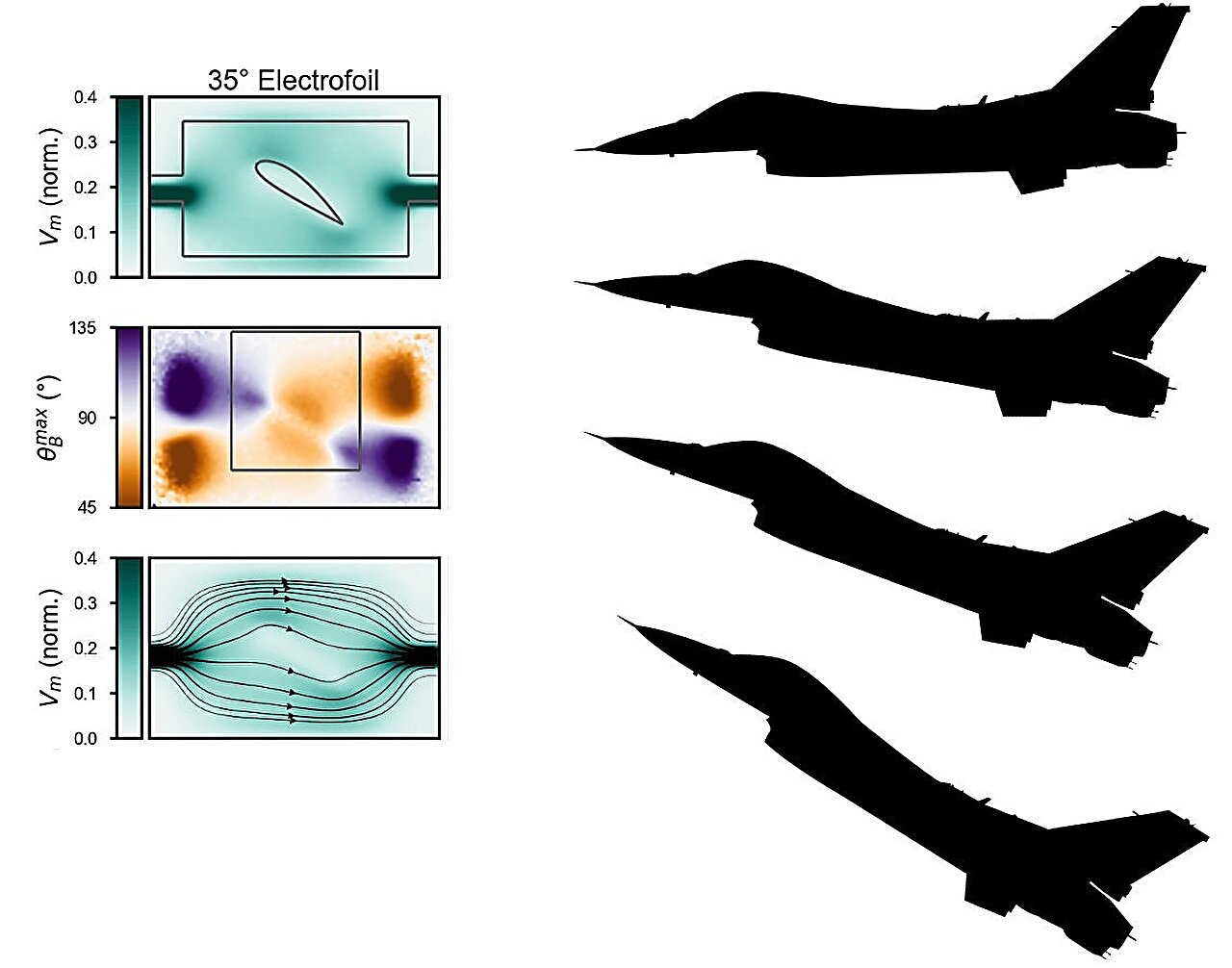
Researchers at the University of California, Riverside have developed a new imaging technique to visualize the flow of electrons around sharp bends in nanoscale devices, similar to how air flows around airplane wings. By designing an "electrofoil" device, the team was able to contort, compress, and expand the streamlines of electric currents, allowing for the measurement of heat generated by electron flow. This research has the potential to improve the design of integrated circuits and optoelectronic devices by identifying areas where heat may cause damage and suggesting the use of gradually curved wires instead of sharp bends.

Illuminating DNA: Unveiling the Stacking Secrets
science-and-technology2 years ago

Illuminating DNA: Unveiling the Stacking Secrets

Researchers at the Indian Institute of Science have used a novel imaging technique called DNA-PAINT to study the strength of base-stacking interactions in DNA strands. Base-stacking, the interaction between bases in the same strand, is less understood compared to base-pairing. The study found that adding one more base-stacking interaction significantly increases the stability of a DNA strand. The researchers also designed a three-armed DNA nanostructure with potential biomedical applications. The findings could contribute to understanding DNA repair mechanisms and have broader implications in nanotechnology and imaging.

Unprecedented Imaging Reveals Detailed Development of Model Human Embryos
science-and-technology2 years ago

Unprecedented Imaging Reveals Detailed Development of Model Human Embryos

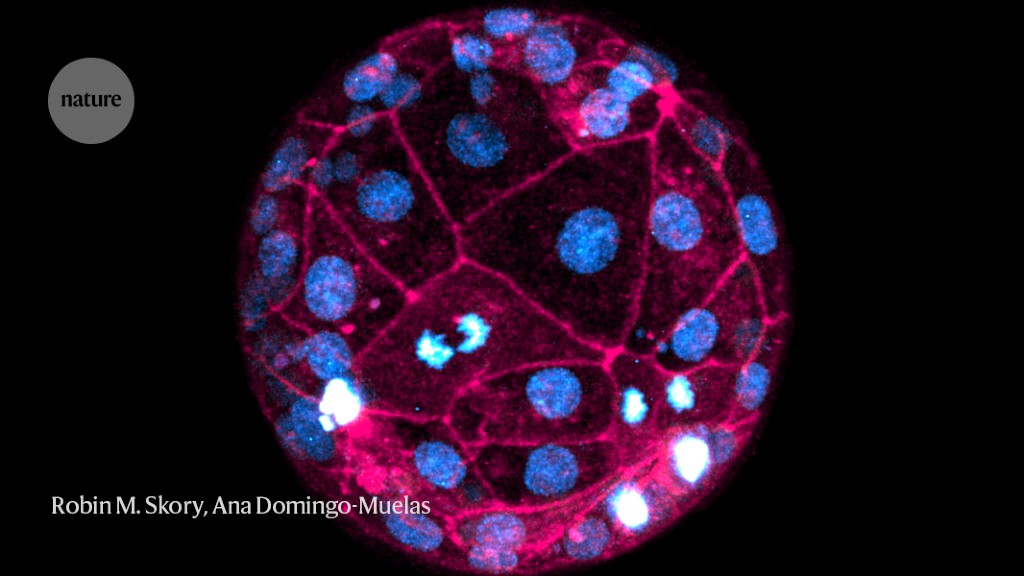
Researchers have developed a new imaging technique using fluorescent dyes and laser microscopes to capture the most detailed images of human embryos developing in real time. This non-invasive method allows for the study of crucial events in the early stages of development without genetically altering the embryos. The technique could have applications in non-invasive screening of embryos conceived through in vitro fertilization (IVF) and may provide insights into chromosomal abnormalities and variations in embryonic development between humans and mice. The researchers hope to further improve the imaging process and potentially use it in clinical settings to determine the viability of embryos before implantation.

"Revolutionary RESORT Microscopy Unveils Living Systems in Super-Resolution"
science-and-technology2 years ago

"Revolutionary RESORT Microscopy Unveils Living Systems in Super-Resolution"

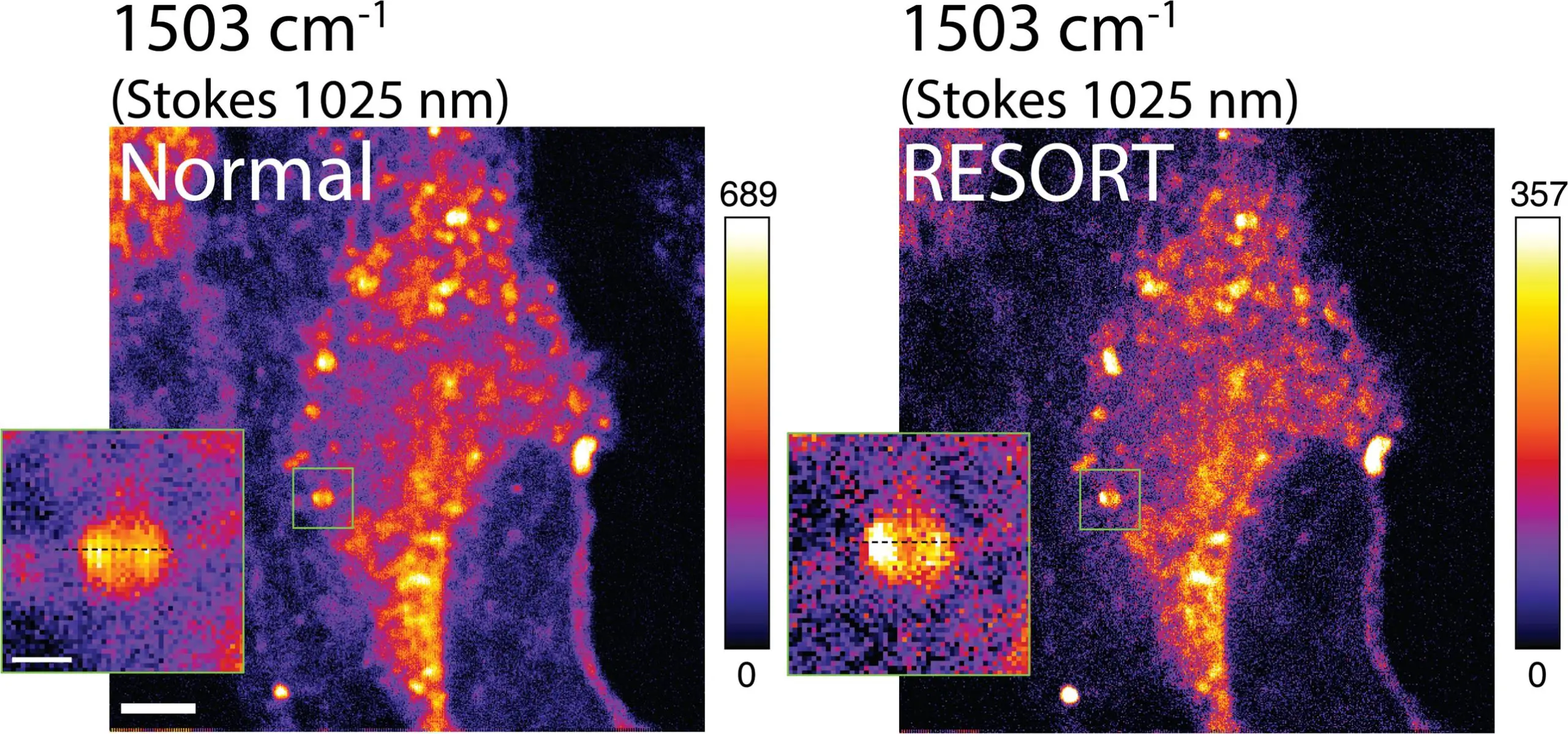
Researchers have developed a new imaging technique called RESORT, which combines the benefits of super-resolution fluorescence and vibrational imaging. RESORT uses laser-based Raman scattering, enabling high spatial resolution imaging without damaging the samples, thus allowing for the observation of living systems in exceptional detail. This innovative method could significantly advance our understanding of complex biological processes.

Unveiling the Intricate Details of the Human Retina through High-Resolution Imaging.
science2 years ago

Unveiling the Intricate Details of the Human Retina through High-Resolution Imaging.

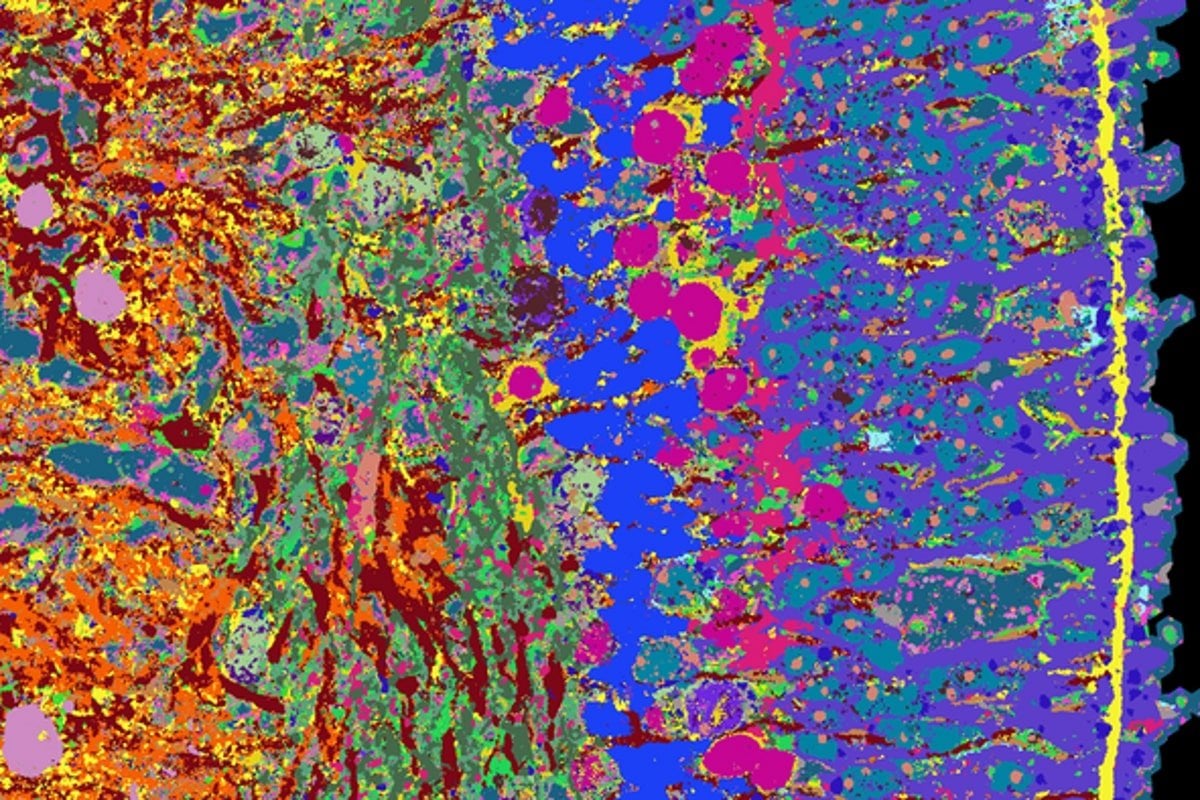
Researchers developed a new imaging technique called iterative indirect immunofluorescence imaging (4i) to visualize several dozen proteins in a thin tissue section at high resolution using fluorescence microscopy. The technique enabled researchers to map the development of human retinal organoids at high temporal and spatial resolution, providing insights into how healthy tissue forms and developing a time series that describes the entire 39-week development of retinal organoids. The researchers aim to apply this approach to other tissue types, such as the human brain and various tumor tissues, creating an atlas that provides information on the development of human organoids and tissues.

Uncovering the Missing Link in Alzheimer's Disease Research
health2 years ago

Uncovering the Missing Link in Alzheimer's Disease Research

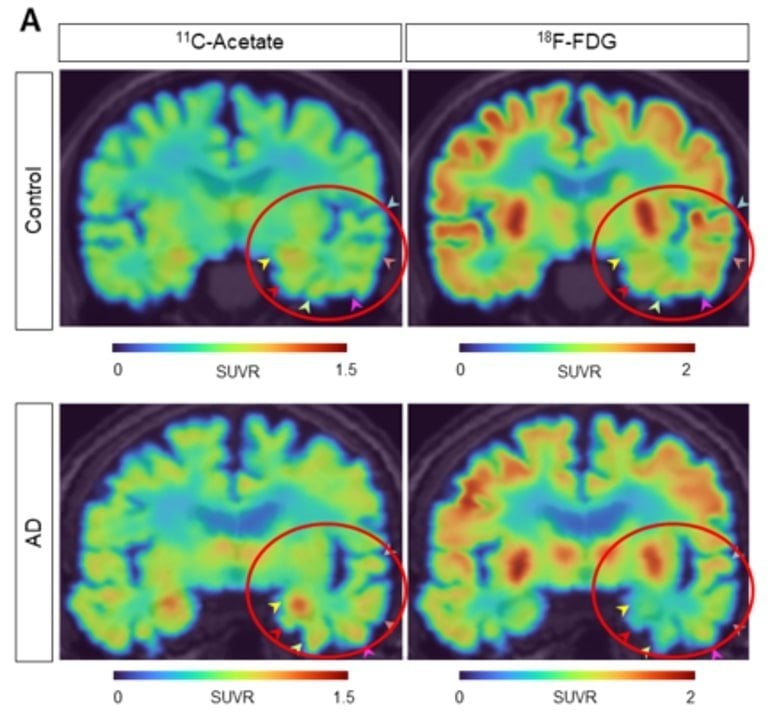
South Korean scientists have developed a new imaging technique that can directly observe the astrocyte-neuron interactions in Alzheimer's disease (AD) patients. The technique uses positron emission tomography (PET) imaging with radioactive acetate and glucose probes to visualize the changes in neuronal metabolism in AD patients. The researchers discovered that acetate, the main component of vinegar, is responsible for promoting reactive astrogliosis, which induces putrescine and GABA production and leads to dementia. The study offers a new possibility of using PET imaging for early diagnosis of AD and suggests a new target for AD treatment.