
"Inter-Cellular Communication in Aging Processes"
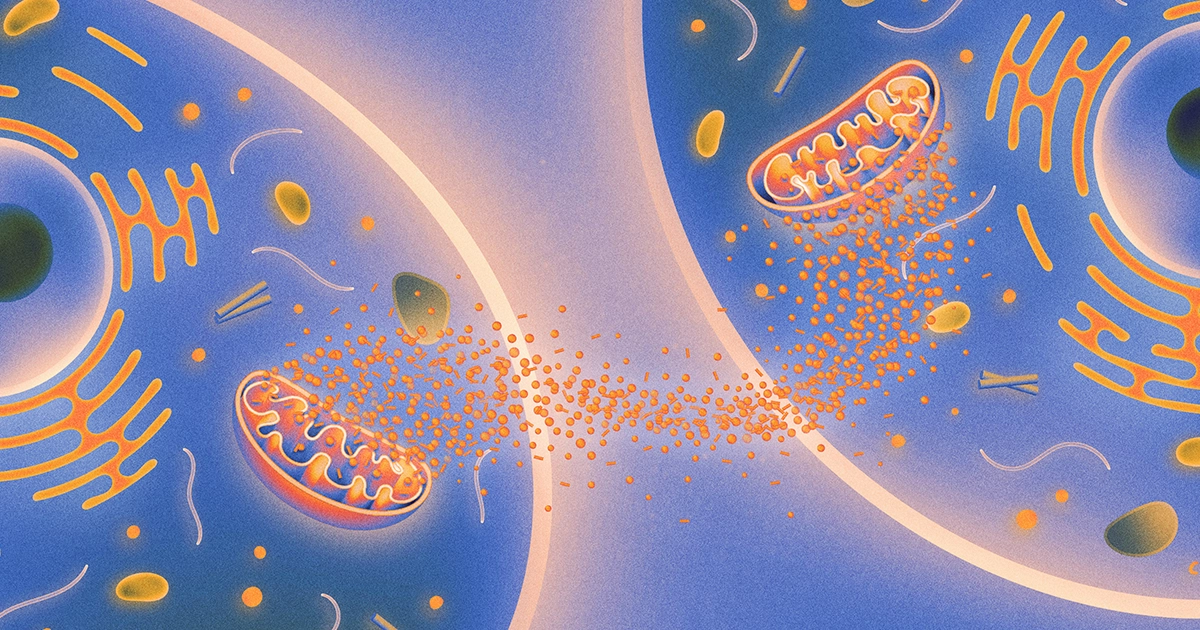
Researchers have discovered that mitochondria in the brain communicate with cells throughout the body to extend life in worms by triggering a repair response known as the unfolded protein response, which keeps cells healthy and functions as anti-aging detailing. The communication occurs through the use of vesicles to carry a signal called Wnt beyond the nerve cells to other cells in the body, with germline cells playing a critical role in relaying the Wnt signal. The strength of the germline signal regulates the organism’s life span, with declining quality of germ cells leading to a decline in the body as well. While it's not yet known if these findings apply to humans, the hypothesis aligns with evolutionary principles, and the ability of mitochondria to communicate likely stems from their free-living bacterial origins.
Reading Insights
0
1
3 min
vs 4 min read
80%
661 → 132 words
Want the full story? Read the original article
Read on Quanta Magazine