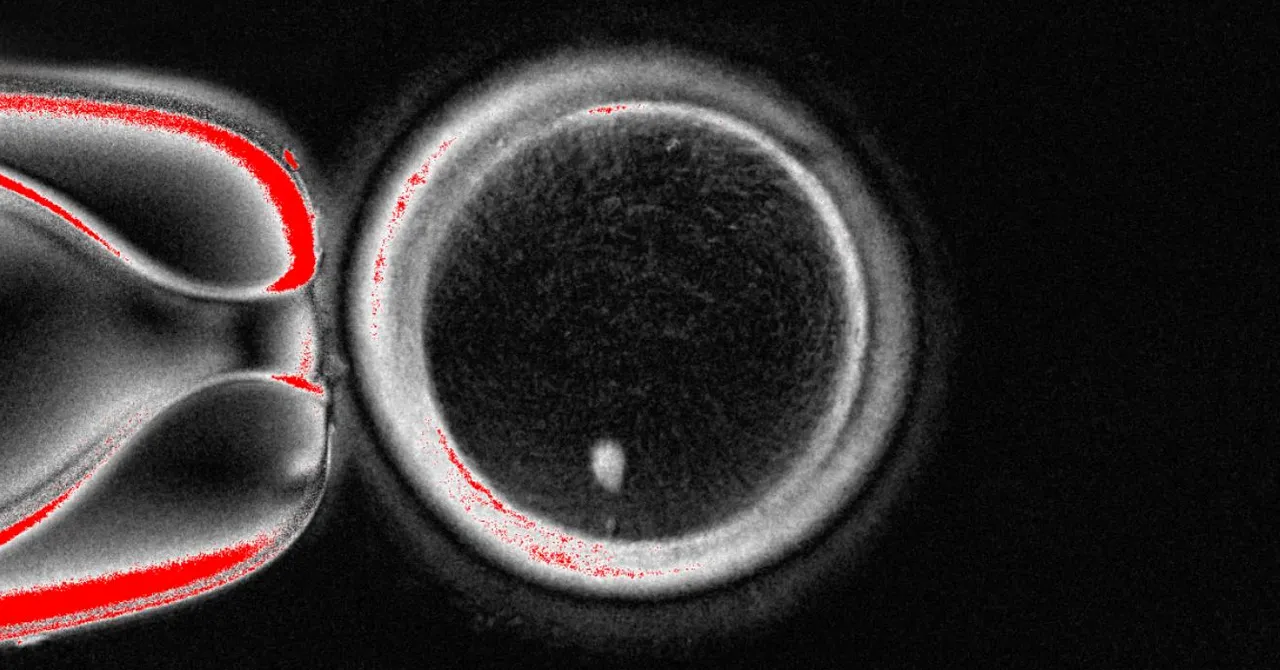
Scientists have successfully produced functional human eggs from skin cells in the lab, which can be fertilized to form early-stage embryos, potentially offering new fertility treatments, though significant technical and ethical challenges remain.
Researchers from Hebrew University of Jerusalem have discovered that fish embryos, such as those of zebrafish and medaka, can control their hatching time by releasing thyrotropin-releasing hormone (Trh), which triggers enzymes to dissolve the egg wall. This process allows embryos to hatch under optimal environmental conditions, enhancing survival. The study highlights the evolutionary significance of this mechanism, which is shared by distantly related species, and suggests further research into how climate change might affect these hatching strategies.
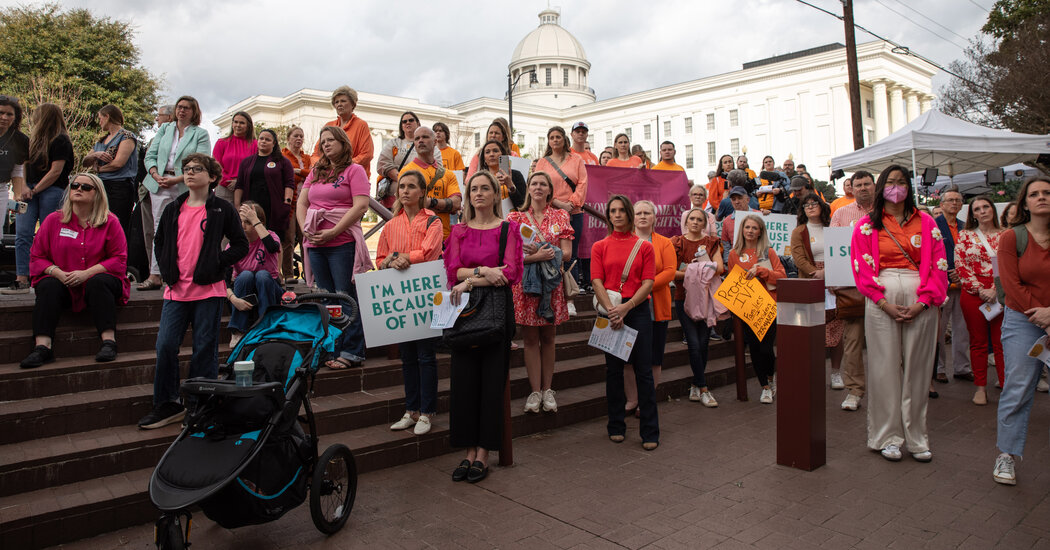
The pro-life movement faces criticism and accusations of hypocrisy following the Alabama Supreme Court's ruling that I.V.F. embryos are subject to the state's wrongful death statute, prompting pro-life Republicans to backtrack on their stance. This has led to concerns that the movement is acquiescing to a more pro-choice position, with Donald Trump's recent pledge not to sign a national abortion ban adding to the shift. The traditional pro-life argument asserts the incalculable worth of every human life from the moment of conception, but pro-choice advocates argue that the movement is about power and control, seeking to limit women's choices and maintain male dominance.
Noor Siddiqui, founder of reproductive startup Orchid, defends her company's practice of allowing parents to select embryos based on genetic traits, insisting it's not eugenics despite the literal meaning of the term. In a contentious interview with Wired, she faced scrutiny over the implications of genetic selection, particularly in relation to her own family history. Orchid offers whole-genome sequencing of embryos for a steep price, sparking ethical debates about the implications of such technology as a consumer service.
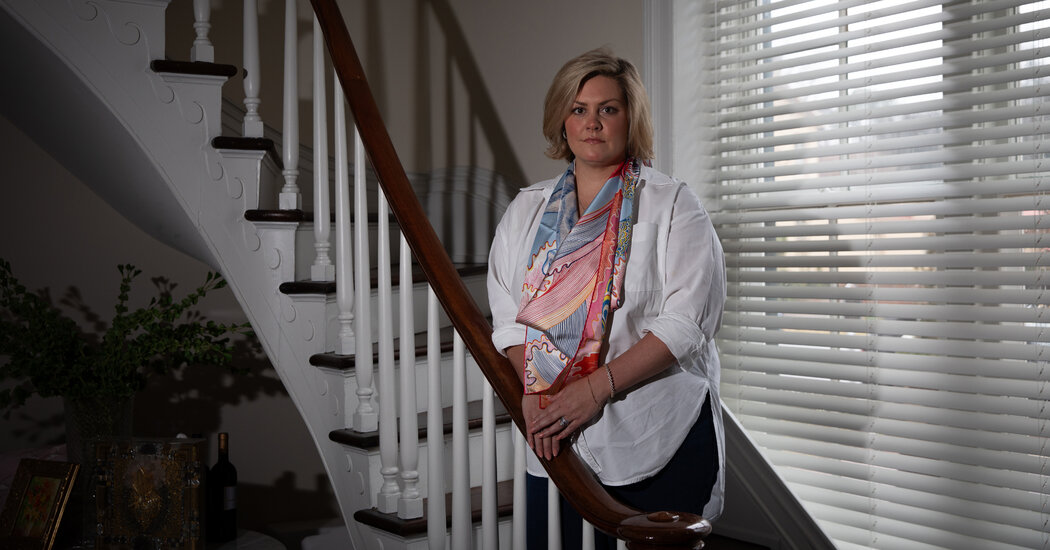
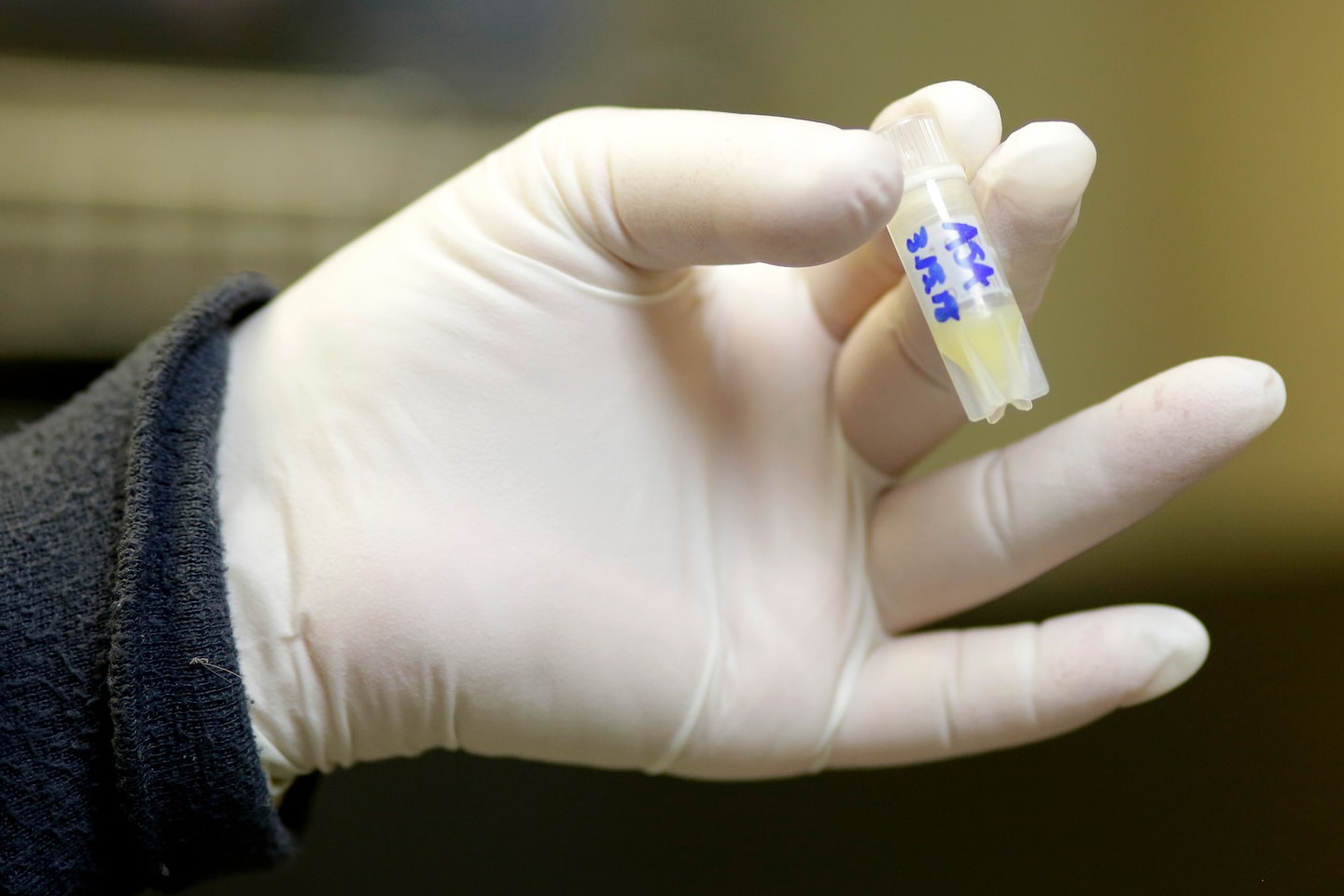
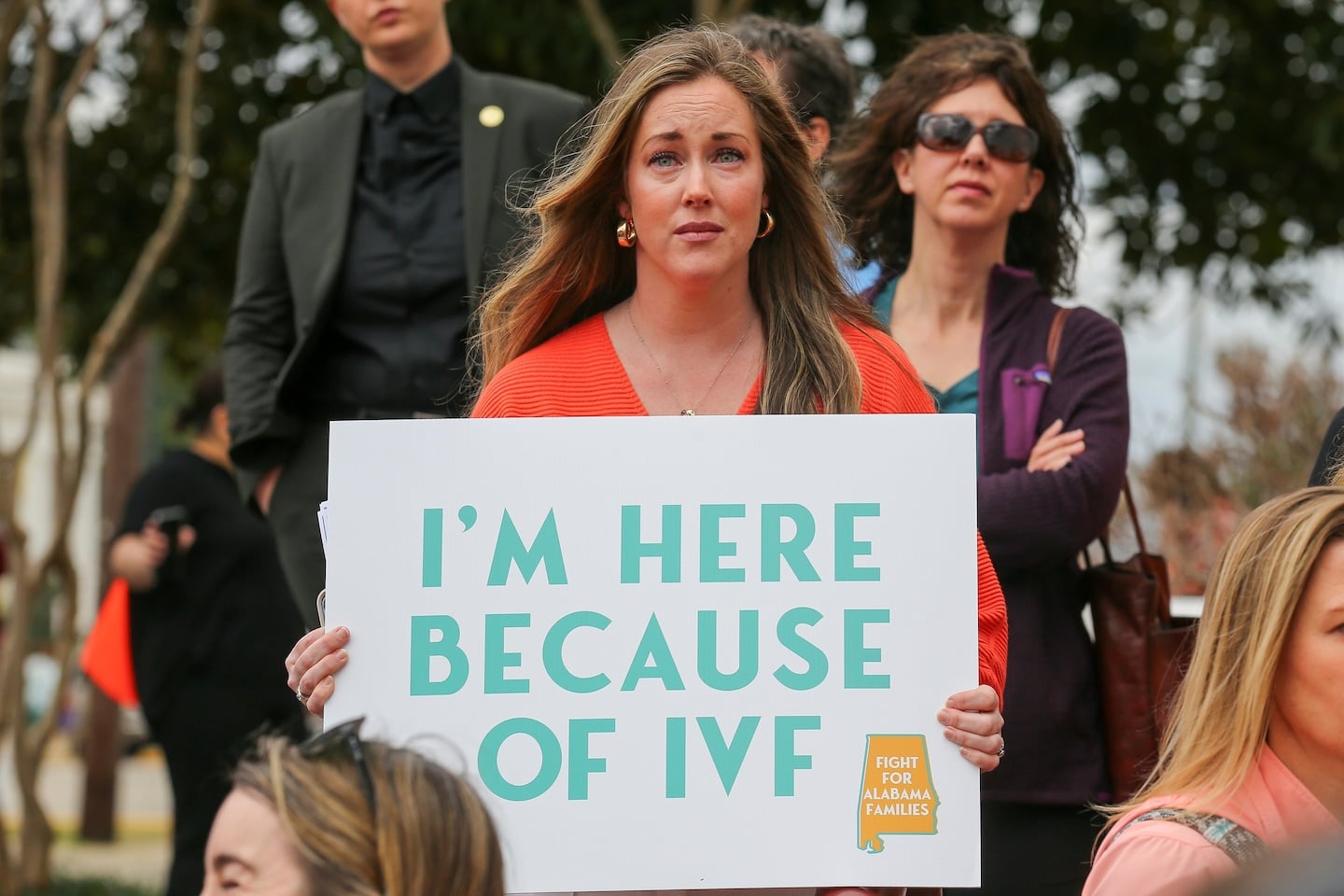
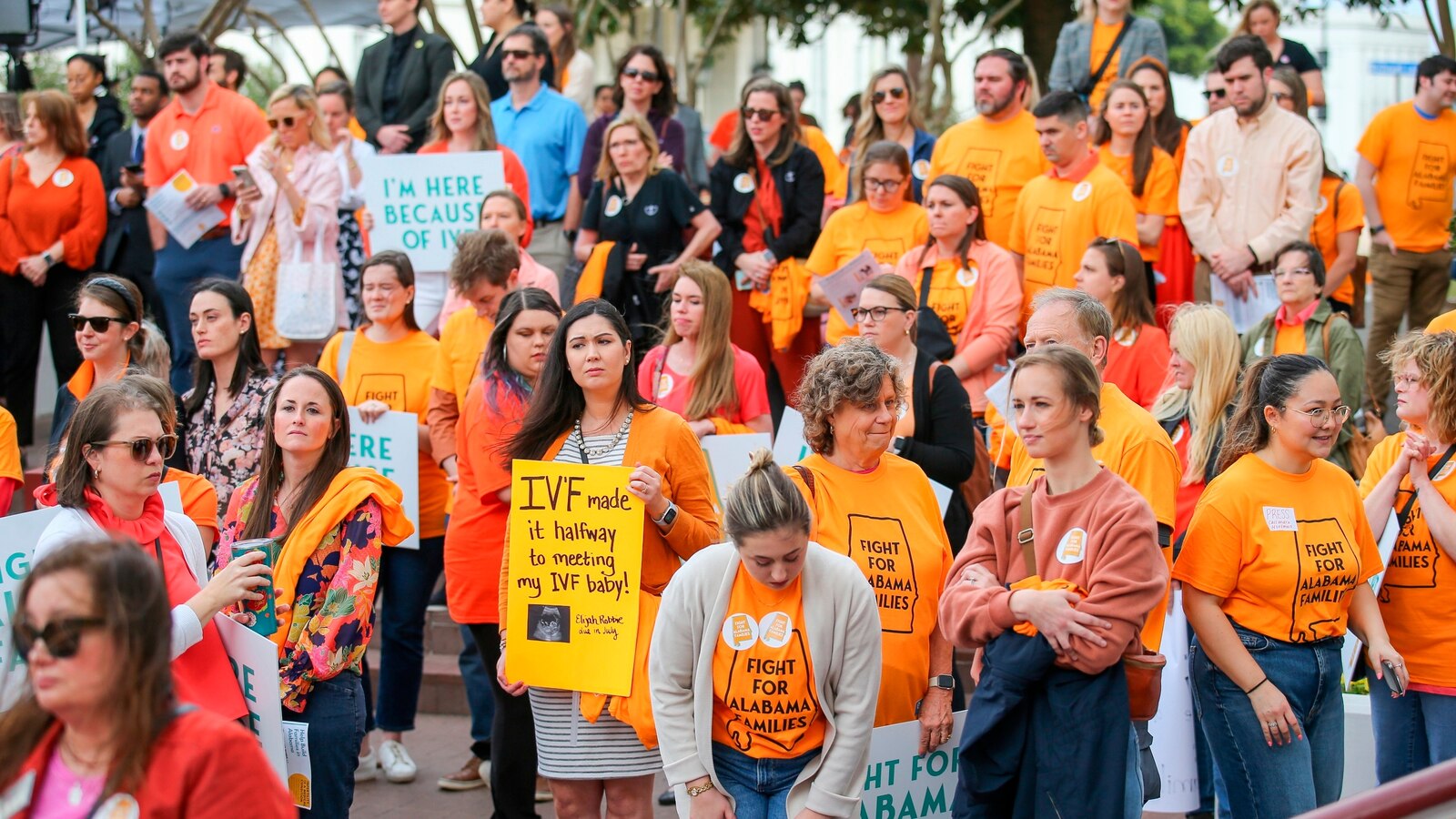
After the Alabama Supreme Court ruled that frozen embryos should be considered "extrauterine children" under state law, several fertility clinics in the state suspended I.V.F. treatments, causing setbacks for couples like Leelee and Austin Ray, who had been trying to have a baby for six years. The ruling disrupted expensive, physically and emotionally taxing fertility treatments, and may soon be repeated in other states as anti-abortion forces push to redefine the beginning of life.
The Alabama legislature is expected to pass a bill allowing fertility clinics to reopen without the threat of lawsuits, following a recent Alabama Supreme Court ruling that embryos are considered children. The bill creates legal immunity for providers of fertility services, preventing them from being sued or prosecuted if embryos are damaged or destroyed. However, this legislation has sparked debate as it limits patients' ability to sue in cases of mishaps with embryos, potentially making it vulnerable to court challenges.
Alabama lawmakers are advancing legislation to protect in vitro fertilization (IVF) providers from lawsuits and criminal prosecution following a court ruling equating frozen embryos to children, which led to the pause of IVF services in the state. The proposed bills aim to shield providers from liability for the damage or death of embryos during IVF services. Patients and providers have faced uncertainty and emotional distress, prompting lawmakers to fast-track the immunity legislation. The court ruling, based on anti-abortion language added to the Alabama Constitution in 2018, has sparked a debate over reproductive rights and the legal status of embryos, with Republicans grappling with the unintended consequences of the amendment.
A Florida couple has become the fourth to sue an Alabama IVF clinic over destroyed frozen embryos, following a state Supreme Court ruling that deemed frozen embryos as children for wrongful-death claims. The ruling has caused widespread concern among doctors and IVF patients, leading to a pause in procedures at nearly half of Alabama's IVF clinics. The controversial ruling has sparked political and religious debates, with lawmakers in Florida drafting a bill in response. Alabama legislators are now rushing to pass legislation to protect IVF providers and patients from criminal or civil liability.
Alabama lawmakers are advancing legislation to protect in vitro fertilization (IVF) providers from lawsuits and criminal prosecution following a court ruling equating frozen embryos to children, which led to the pause of IVF services in the state. The proposed bills aim to shield providers from civil liabilities for the "damage or death of an embryo" during IVF services, with final approval pending and Governor Kay Ivey expected to sign the legislation into law. The court ruling's impact has sparked concerns and backlash, affecting patients' paths to parenthood, while Republicans and Democrats propose differing solutions to address the legal status of embryos created in IVF labs.
Alabama lawmakers passed legislation to protect IVF providers and patients from criminal or civil liability if embryos are damaged or destroyed, following a state Supreme Court ruling that gave fertilized eggs the same protection as babies. The bills, which provide legal immunity for death or damage to embryos related to IVF, must be reconciled before being sent to Gov. Kay Ivey for approval. The legislation sparked heated debate about women's reproductive rights and when life begins, with some arguing that the bills are a necessary protection for IVF patients and providers, while others criticized them as insufficient and potentially problematic.
Alabama legislature passes a bill to protect IVF clinics and services after a state judicial ruling on embryos led to clinics suspending services. The bill aims to provide legal protections to IVF clinics and is expected to be signed by the governor. The issue has sparked debate at both the state and federal levels, with concerns raised about the recognition of frozen embryos as human life and the ethical implications of IVF treatments.
The Alabama Legislature has passed a bill to ensure access to in vitro fertilization (IVF) following a state Supreme Court ruling that raised concerns about the treatment due to embryos being considered children. The legislation, which provides civil and criminal immunity for damage to embryos as part of IVF services, aims to reassure clinics and doctors and is expected to be signed into law by Gov. Kay Ivey. This move comes after roughly half of Alabama's IVF clinics paused treatments in response to the court's decision, fearing legal repercussions.
A majority of Americans oppose the idea of in vitro fertilization (IVF) embryos being considered children, following an Alabama ruling that sparked concerns about legal issues for discarding embryos. The ruling has led to fertility clinics halting treatments, affecting individuals like Liz Goldman, who needs IVF for a second child due to medical reasons. While some argue for more regulation in the reproductive industry, others worry about the impact on those dealing with infertility. Federal and state lawmakers are now proposing legislation to protect IVF services, while some leaders advocate for measures to safeguard frozen embryos from malpractice.
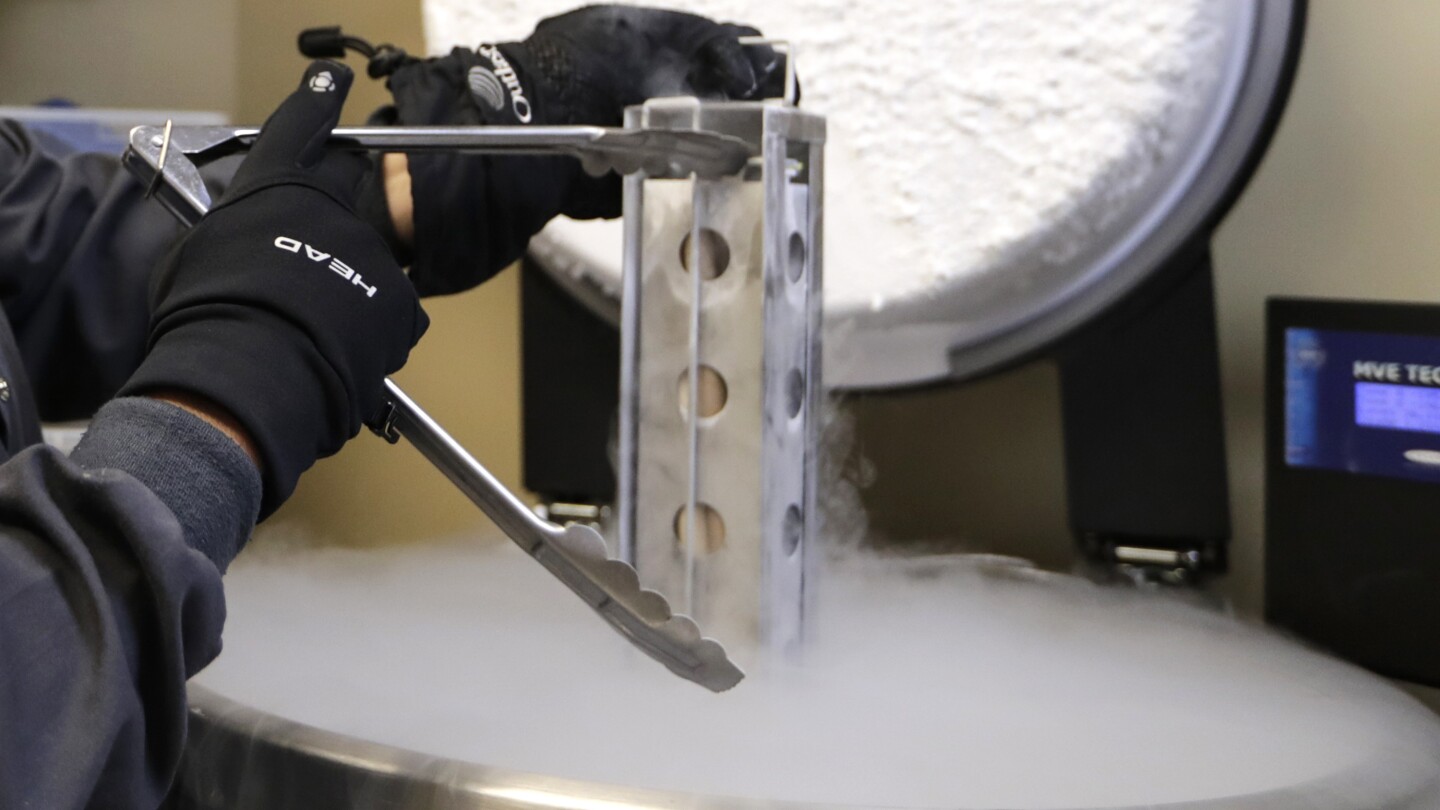
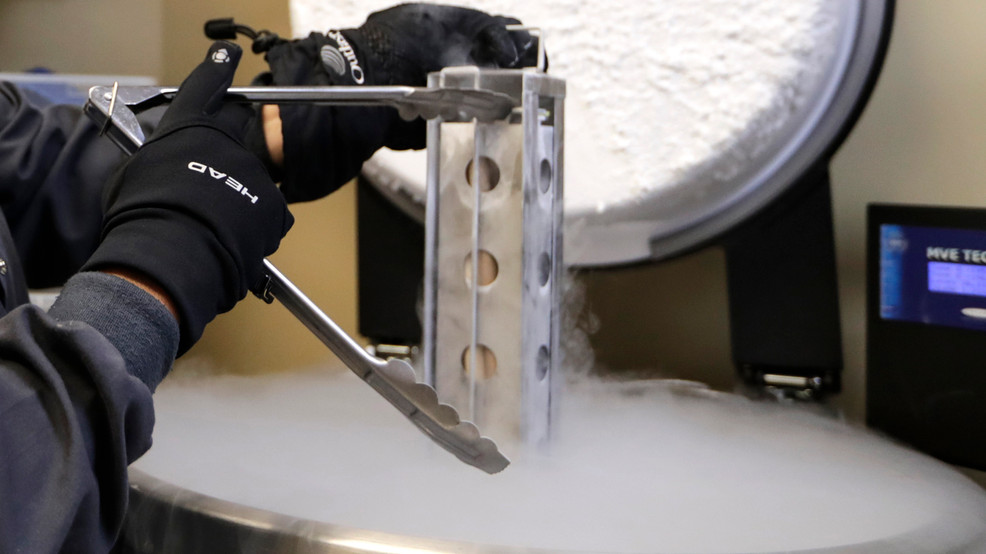
The Alabama Supreme Court's recent decision on in vitro fertilization (IVF) has left doctors and patients concerned about potential legal repercussions and has raised financial questions for those seeking IVF treatment. Patients are now considering moving their embryos to states with more favorable laws, and shipping companies such as Cryoport Systems, IVF Cryo, and ReproTech specialize in transporting embryos. However, some companies have halted shipments to or from Alabama, and the process of moving embryos to another state could take a few weeks.
After Alabama's supreme court ruled that embryos are children, leaving their legal status uncertain, IVF patients like Kristia Rumbley are seeking to move their frozen embryos out of state to avoid potential legal and reproductive rights issues. The ruling has led to concerns about the potential impact on reproductive freedom and the legality of IVF across the country, prompting some patients in other states to also consider relocating their embryos. The legal risks and logistical challenges of transporting embryos out of Alabama have further complicated the situation, with fears of criminal liability if the embryos are damaged during travel.