Nutritionists reveal the best foods for sleep, including carbs, peppers, proteins, pumpkin seeds, and cereals rich in magnesium and zinc. They also warn against consuming citrus fruits, excessive water before bed, sugar, caffeine, and alcohol, as these can disrupt sleep patterns. Other tips for better sleep include maintaining a calm sleep environment, establishing a consistent sleep schedule, turning off electronic devices before bed, and exercising regularly.

Consuming carbs and coffee can deplete the body of thiamine (vitamin B1), leading to symptoms such as fatigue, brain fog, and anxiety. Benfotiamine, a fat-soluble form of vitamin B1, can help reverse thiamine deficiency and boost energy levels. Increasing thiamine intake through supplements and thiamine-rich foods like pork, eggs, fish, and sunflower seeds can improve overall health. Thiamine deficiency is often overlooked and can be identified by symptoms such as fatigue, anxiety, memory loss, and numbness. Supplementing with benfotiamine has shown promising results in reducing nerve pain in patients with diabetic neuropathy.
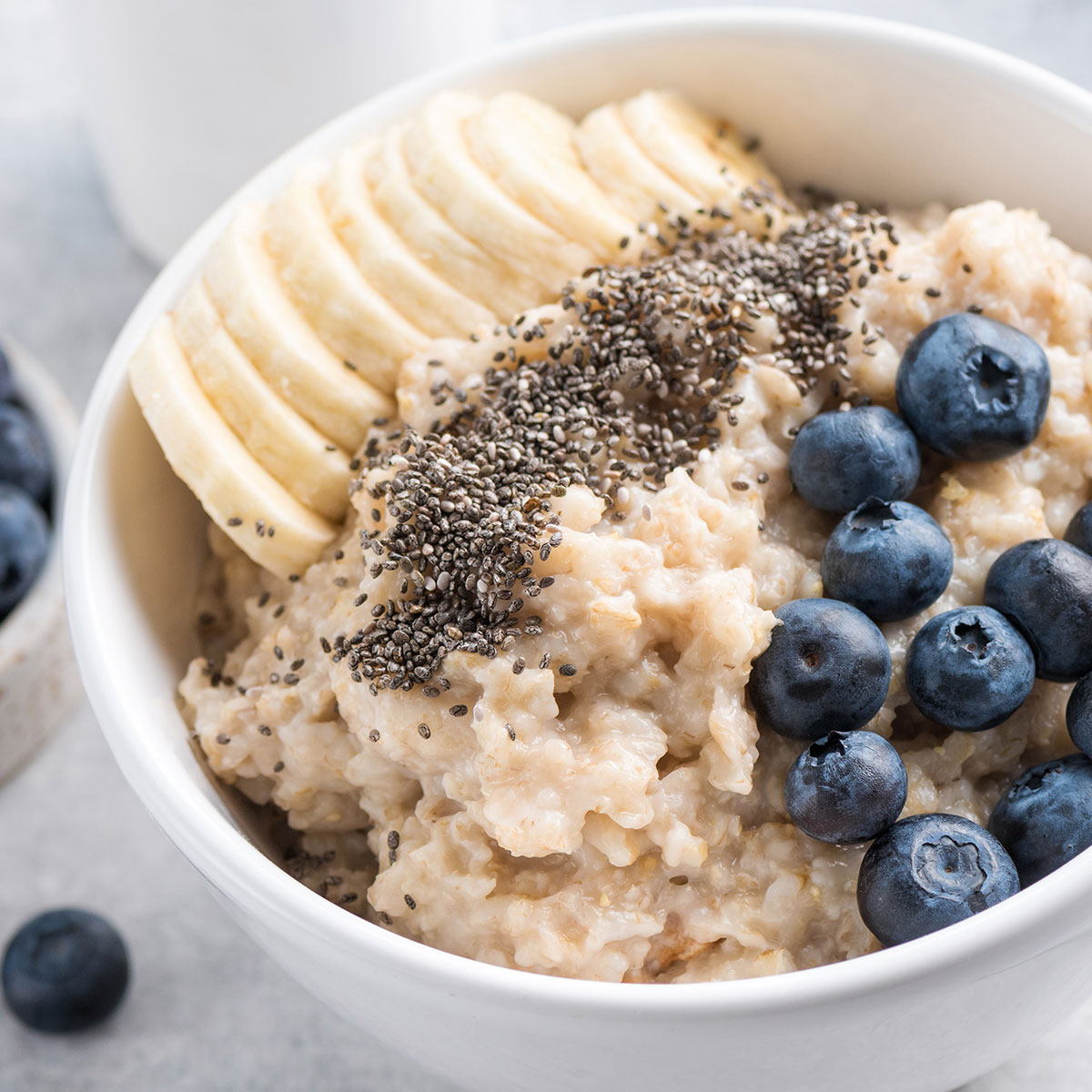
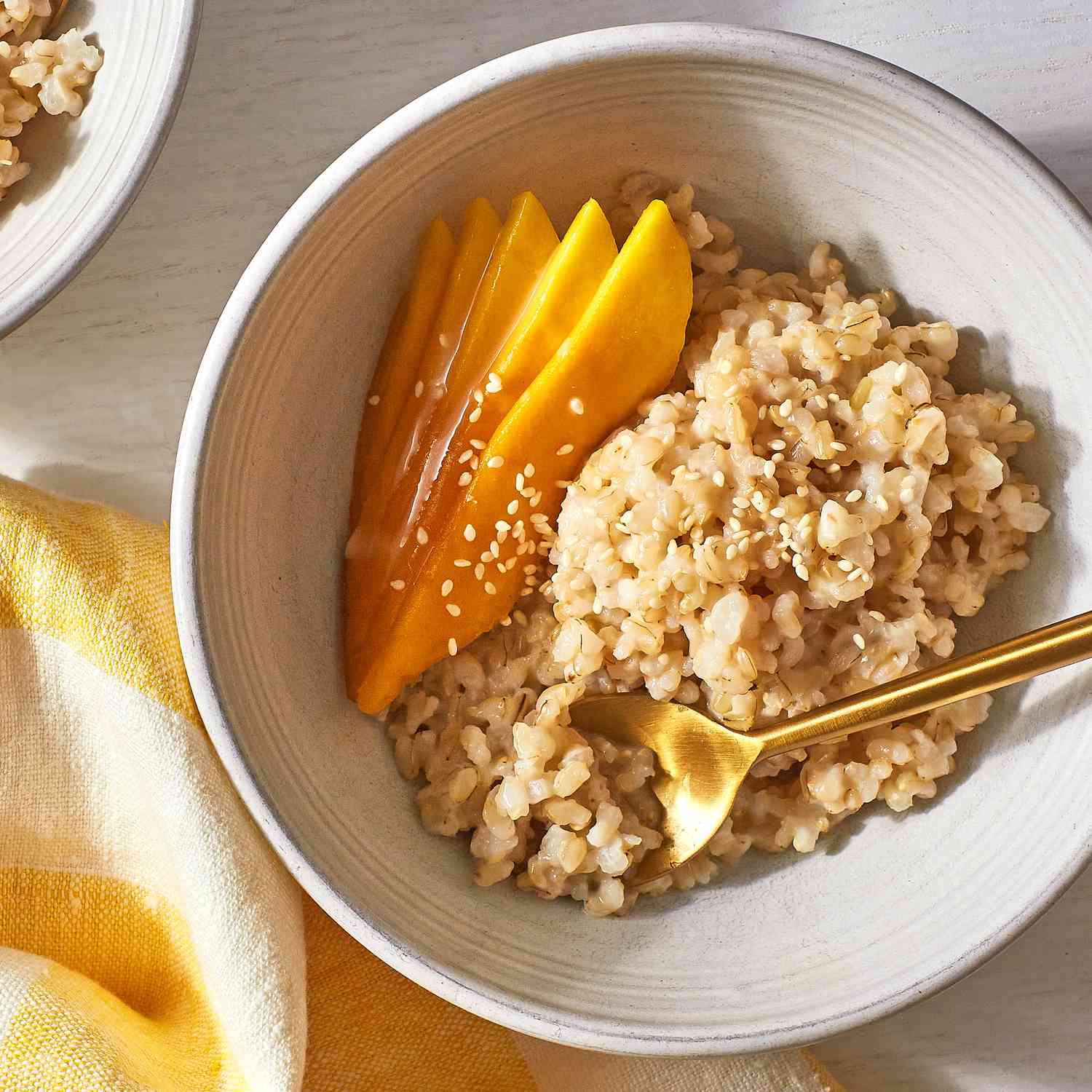
Oats and brown rice are healthy and delicious carbs that can help with weight loss and achieving a flatter belly. Oats are an excellent source of whole grains, fiber, and nutrients that keep blood sugar stabilized, while brown rice is a complex carbohydrate that allows for greater satiety and more nutrients. Avoid pre-packaged instant oats and refined white rice, and choose healthy add-ins instead.
Not all carbs are bad for weight loss. Whole grains, fruits, veggies, beans, and legumes are rich in fiber, which helps you feel fuller longer and nourishes your gut bacteria. B vitamins play important roles in energy metabolism, oxidative stress, inflammatory responses, and fat metabolism. Eating carbs can increase serotonin levels, which can act as an appetite suppressant and support weight loss. Bread, pasta, rice, beans, and fruit are "bad" carbs that can be eaten in moderation to help reach weight-loss goals.
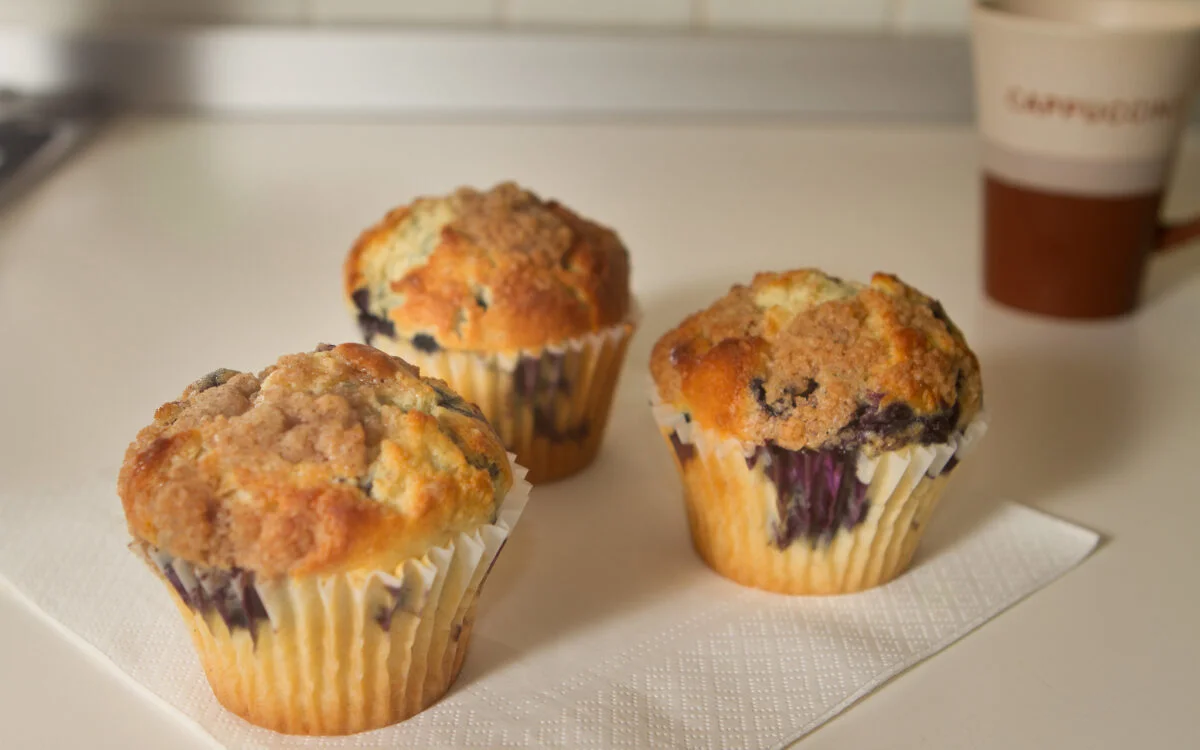
Nutritionists and dietitians have identified three common breakfast mistakes that can sabotage weight loss goals. Firstly, eating refined carbs for breakfast can cause an afternoon slump and slow down metabolism. Secondly, drinking heavily sweetened coffee can add many extra calories and set back weight loss progress. Instead, opt for black coffee or natural sweeteners. Lastly, skipping breakfast is never a good idea as it can stall weight loss efforts. Opt for a whole grain and protein-filled breakfast to keep you feeling full and satisfied while preventing overeating and weight gain.
Nutritionists and dietitians have identified three common breakfast mistakes that can sabotage weight loss goals. These include eating refined carbs for breakfast, drinking heavily sweetened coffee, and skipping breakfast altogether. Instead, they recommend opting for complex carbs, drinking coffee black or with a natural sweetener, and choosing a whole grain and protein-filled breakfast to keep you feeling full and satisfied while preventing overeating and weight gain.
Rebel Wilson revealed that people only need about 600 calories a day, but clarified that it's usually done as a detox and not intended as a daily routine. She also dispelled the rumor that she's carb-free after her dramatic weight loss and explained that she eats carbs in small portions. Wilson attributed most people's weight gain to stress and turning to food, but claimed that "you just don't need all that food." Despite her regimented diet, she indulges in ice cream as her "cheat food" every now and then.
Chronic inflammation is linked to various diseases, but you can control it by nourishing your body with the right kind of carbs. Whole grains like buckwheat, oats, quinoa, bulgur, and starchy vegetables like potatoes can help lower inflammation. These carbs are rich in fiber, which keeps you fuller for longer, provides food for your microbiome, and helps lower inflammation throughout your body. Other nutrients like phytochemicals, fatty acids, vitamins, and minerals also play a role in reducing inflammation.
A new study from France has found that consumption of refined carbohydrates, such as white bread and ultra-processed foods, is linked to lower cognitive function. The study examined 95 healthy young adults and found negative impacts on cognition across both genders. Other recent studies have also found a significant relationship between diet and brain health, including a correlation between an ultra-processed diet and lower cognitive function, as well as a link between obesity and Alzheimer's disease. Ultra-processed diets are also associated with depressive symptoms and shorter lifespans.
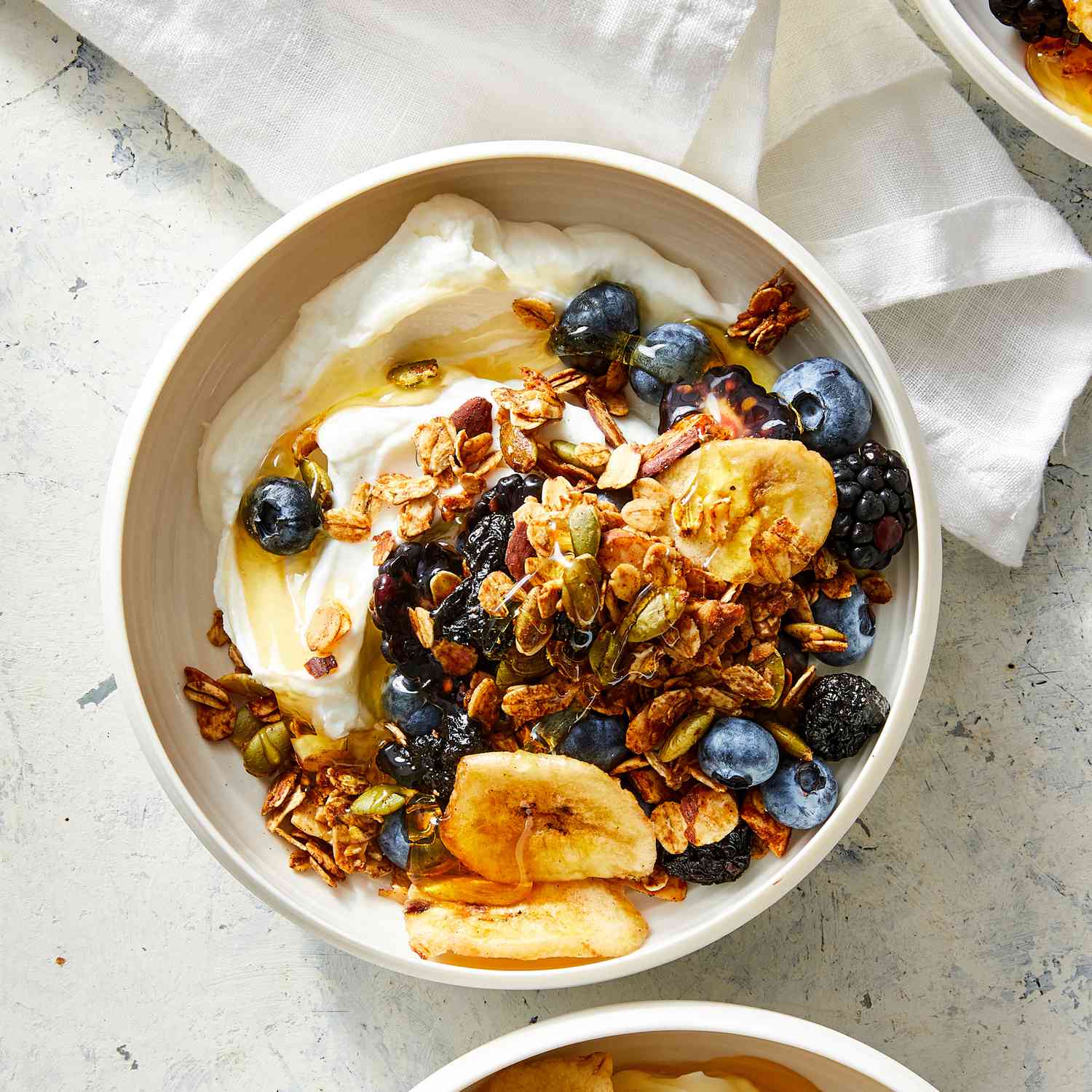
Experts recommend adding anti-inflammatory carbs to your diet to reduce inflammation and lose weight. Berries, yogurt, edamame, and sweet potatoes are the best carbs to keep inflammation at bay. Probiotic-rich foods like yogurt can help reduce inflammation in the body, while blueberries are anti-inflammatory due to their high fiber content. Edamame beans are high in protein and fiber, which can help suppress hunger hormones and reduce inflammation. Sweet potatoes offer anti-inflammatory benefits and are a nutritious carb that can boost immunity and help shed pounds.
There is a debate in the academic community about why consuming ultra-processed foods leads to excess body fat. One model, the energy balance model, focuses on caloric intake, while the other, the carbohydrate-insulin model, focuses on carbohydrates. While the two models are not mutually exclusive, most science-based clinicians don't believe in the carbohydrate-insulin model. Instead, they focus on energy balance and adherence to a healthy diet. The takeaway for the average person is to focus on eating whole foods that are more difficult to overeat and naturally lower in refined carbs.
While some carbs can contribute to belly fat, oatmeal, fruit, and quinoa can actually help with belly fat loss due to their high fiber and protein content. Other foods that aid in belly fat loss include avocados, salmon, and chia seeds. However, baked goods, fried foods, and sugar-sweetened beverages should be avoided. Protein and vegetables are also important for keeping full and aiding in weight loss.
While carbs have been considered the enemy of weight loss, some carbs can actually help you lose belly fat. Oatmeal, fruit, and quinoa are recommended by registered dietitians for belly fat loss due to their high fiber and protein content. Baked goods, fried foods, and sugar-sweetened beverages should be avoided. Avocados, salmon, and chia seeds are also great picks for losing belly fat. Protein and vegetables are also important for keeping you full.
Proper nutrition timing can have a positive impact on your workout results. Eating the right amount of food, getting enough protein, and consuming carbs before and during workouts can help improve performance. Consuming sugar during long workouts can also help maintain energy levels. Eating protein in small amounts throughout the day can help build and maintain muscle. Slow-digesting nutrients like fiber, protein, and fats can help you feel full and satisfied.
Nutritionists warn against consuming too many processed carbs, especially pasta made from wheat, which can lead to inflammation and weight gain. The healthiest, low carb, high-fiber pasta option is made from konjac root, which is loaded with fiber and crucial for weight loss. Prioritizing healthy whole foods and cutting back on processed carbs like wheat pasta is important for weight loss goals.