environmental-science2.38 min read
"The Lunar Influence on Coral Reef Sounds"
1 year ago•Source: ScienceAlert

The latest environmental science stories, summarized by AI
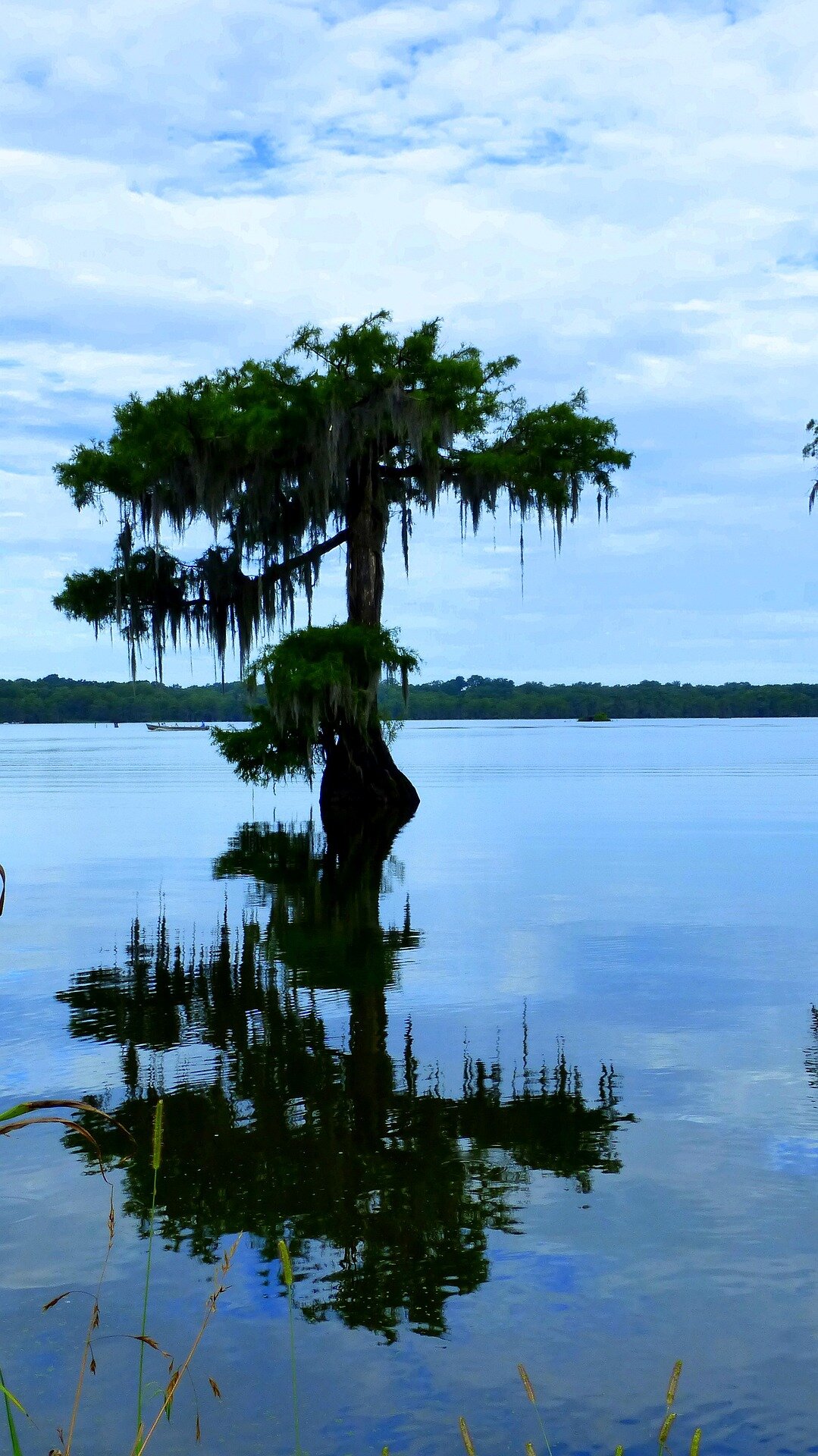
A new study from Tulane University has used a unique "time travel" opportunity to project the future impact of climate change on coastal wetlands. By monitoring the accelerated sea-level rise along the U.S. Gulf Coast, researchers found that almost 90% of the monitoring sites were in deficit, indicating potential wetland loss. If current climate scenarios persist, it is projected that approximately 75% of wetland sites will be in deficit by 2070, leading to increased wetland loss. However, the study suggests that immediate action to reduce carbon emissions and meet the targets set by the Paris Agreement could lead to a more sustainable climate trajectory and reduce the rate of wetland loss.
The Economist•2 years ago
Ars Technica•2 years ago
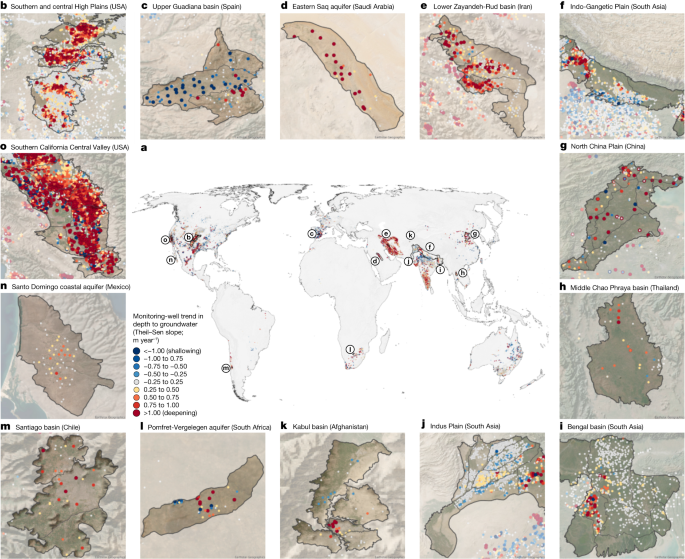
A comprehensive review of global groundwater depletion and recovery in aquifers highlights the widespread decline of groundwater resources, with some cases of recovery, emphasizing the urgent need for sustainable water management practices in the face of climate change and increasing water demand. The study underscores the significance of addressing non-renewable groundwater use and the potential impacts on agriculture and ecosystems, while also pointing to the potential of managed aquifer recharge and environmental flow limits to mitigate the effects of groundwater pumping.

A comprehensive review and meta-analysis of studies on urban agriculture's environmental impacts and resource use compared to conventional agriculture was conducted. The research examined the carbon footprints of urban and conventional agriculture, considering factors such as greenhouse gas emissions, resource utilization, and sustainability. The findings provide insights into the potential of urban agriculture to contribute to sustainable food production and its environmental implications.
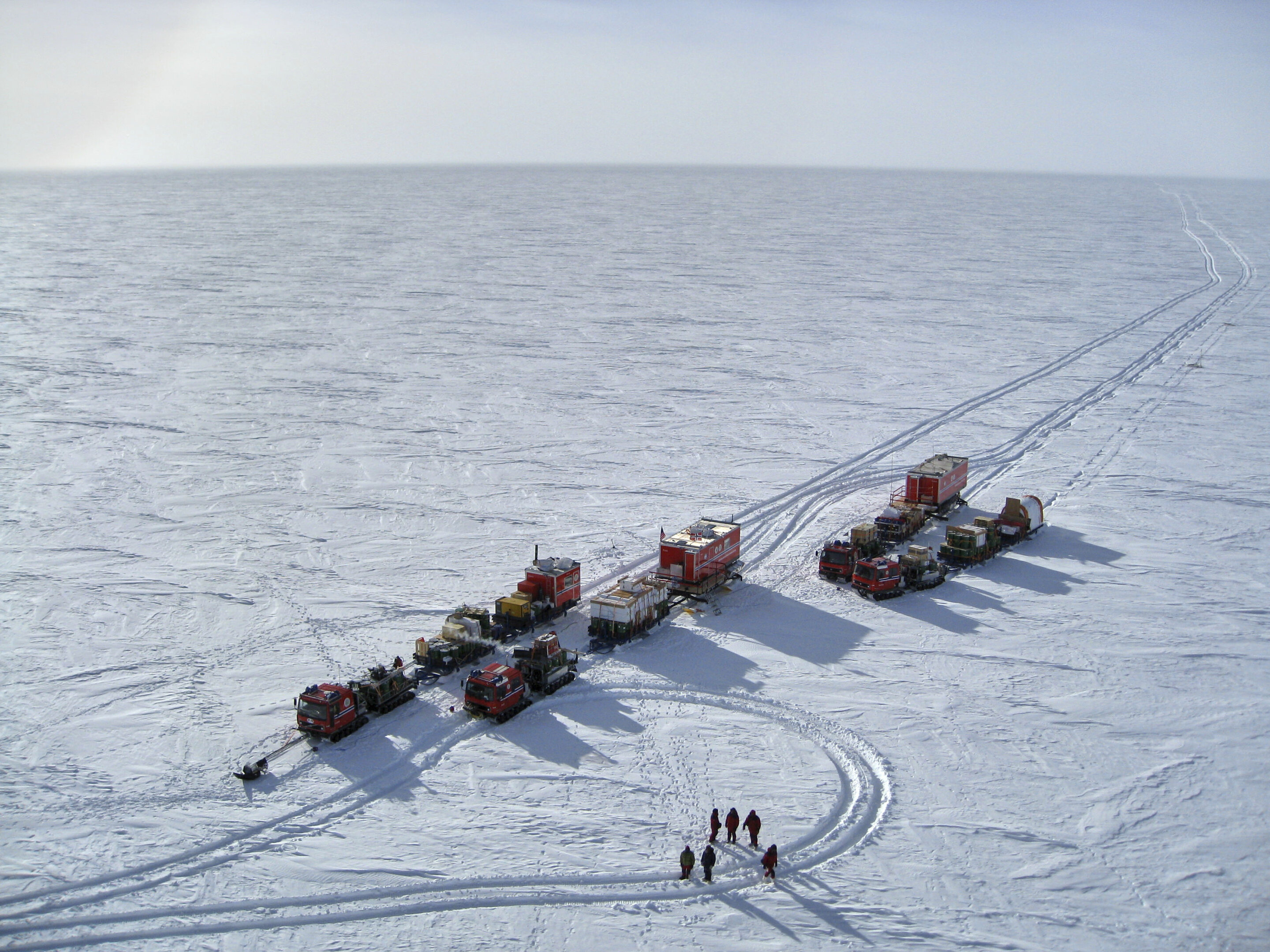
Researchers have conducted the first assessment of toxic heavy metal pollution in the Southern Hemisphere over the past 2,000 years using ice cores from Antarctica. The study reveals that lead and other toxic heavy metals associated with mining activities have been polluting the region since the 13th century, with significant increases coinciding with the establishment of urban communities and Spanish Colonial mining and metallurgy. The research provides insight into the historical impacts of human activity on the environment and demonstrates the potential of ice cores as a time capsule for understanding Earth's history.
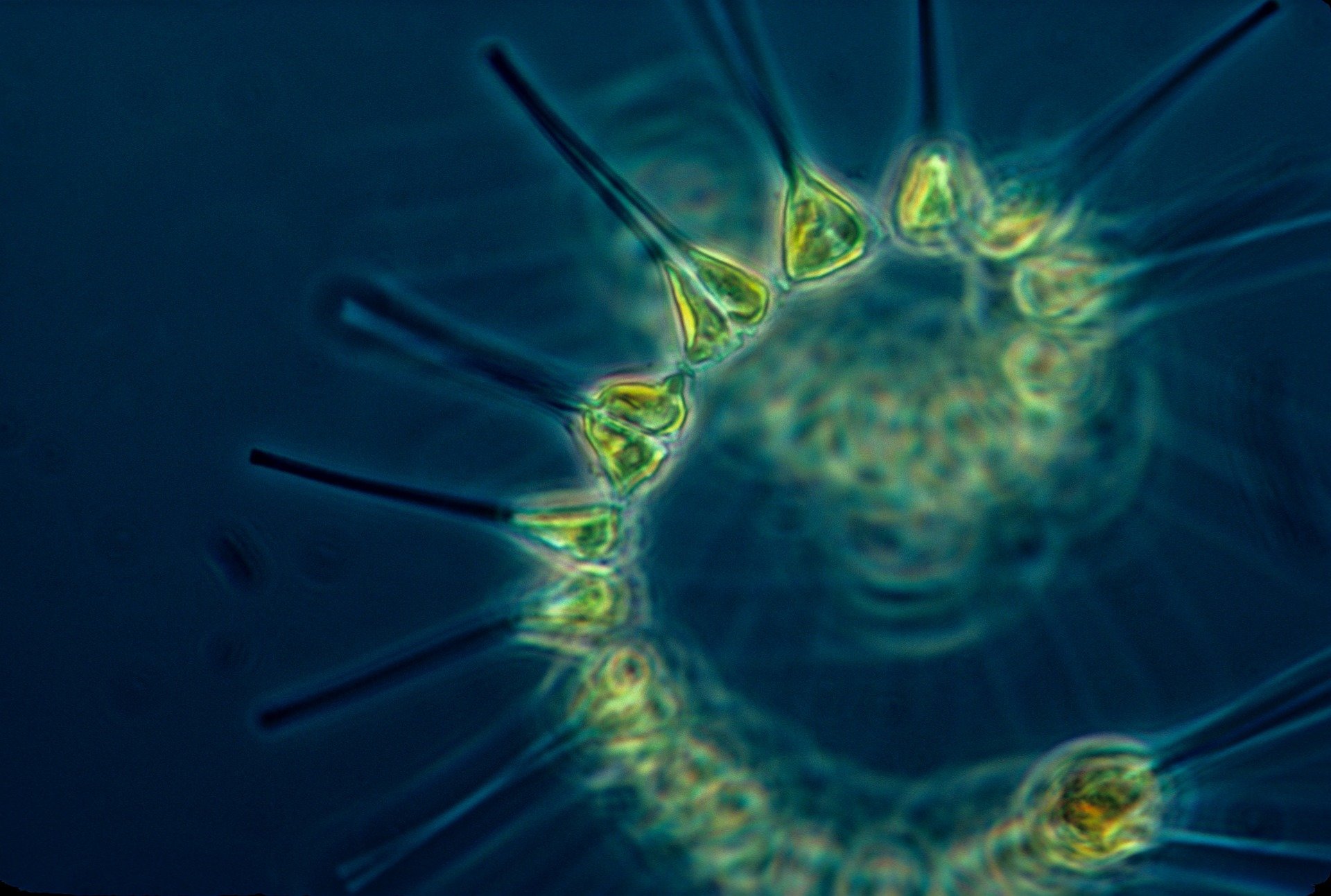
Climate warming and eutrophication can lead to a stoichiometric mismatch between phytoplankton and zooplankton in aquatic ecosystems. When these stressors act individually, the mismatch increases due to the increased nutrient demand of zooplankton. However, when climate warming and eutrophication act together, the mismatch is reversed due to changes in the species composition of the zooplankton community. Understanding the effects of global change on stoichiometric mismatches requires considering both cross-trophic levels and compositional changes within communities.
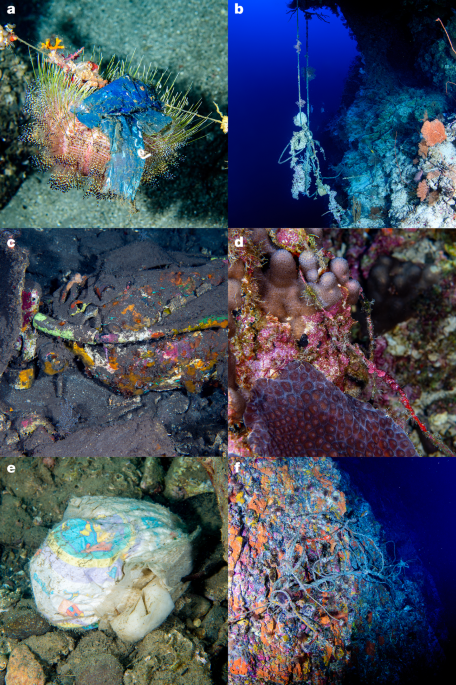
A comprehensive list of references and data availability related to plastic pollution on coral reefs is provided, highlighting the detrimental effects of plastic waste on these fragile ecosystems. The references cover various aspects such as the impact of plastic ingestion on marine life, the global threat of plastic pollution, the accumulation of plastic debris in the oceans, and the need for effective governance and conservation measures. The data availability link provides access to relevant data for further research and analysis.