health-medical-breakthrough3.39 min read
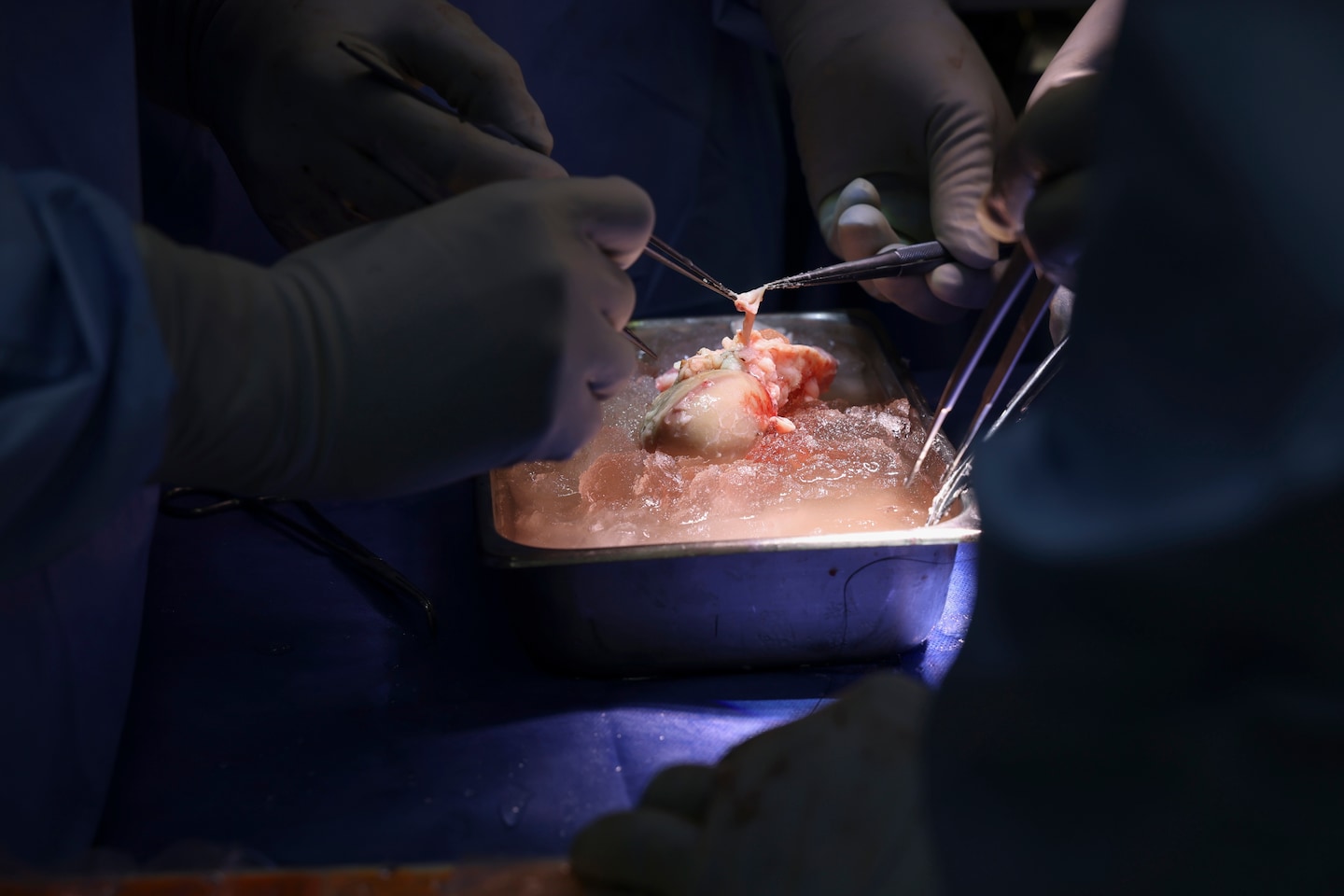
"First Living Patient with Pig Kidney Transplant Discharged from Hospital"
1 year ago•Source: The Washington Post

The latest health medical breakthrough stories, summarized by AI
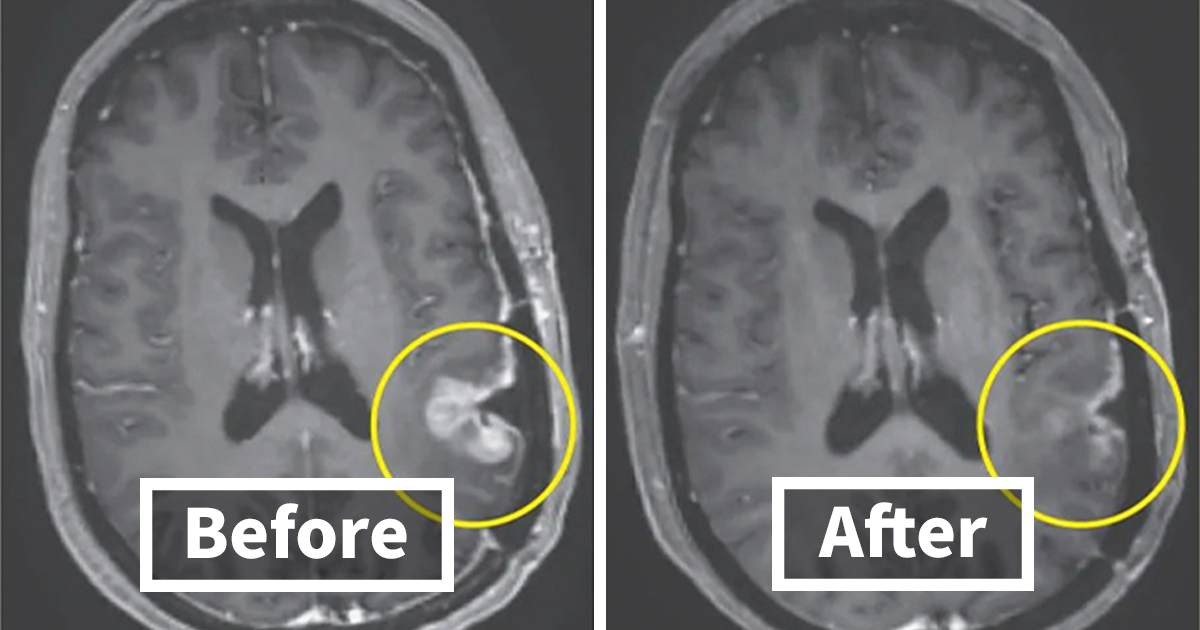
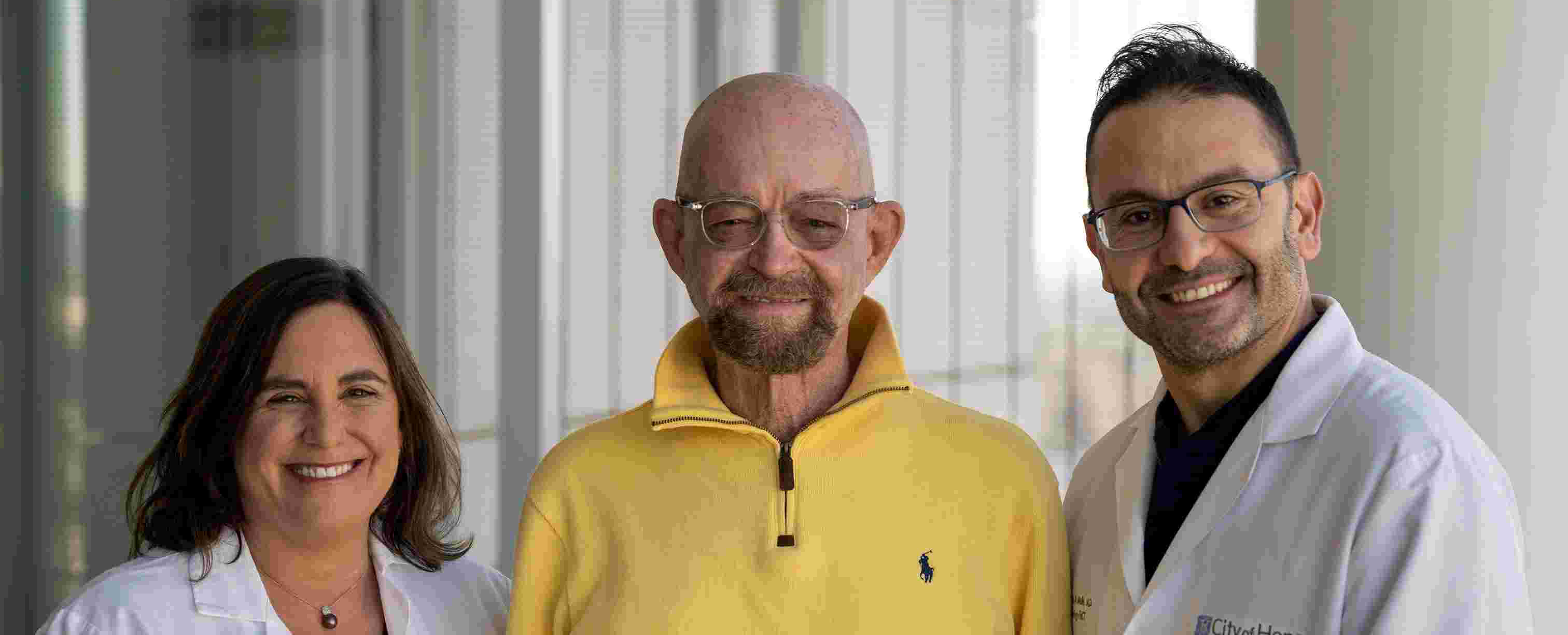
A new breakthrough treatment for glioblastoma, an aggressive type of brain tumor, has shown promise in initial trials with a small group of patients. The treatment involves modifying patients' own immune cells using CAR-T therapy, resulting in significant tumor shrinkage and even near-complete tumor regression in one patient after just five days of treatment. While the results are temporary and further research is needed, scientists are optimistic about the potential of this new strategy to combat glioblastoma.
Daily Mail•2 years ago
LADbible•2 years ago
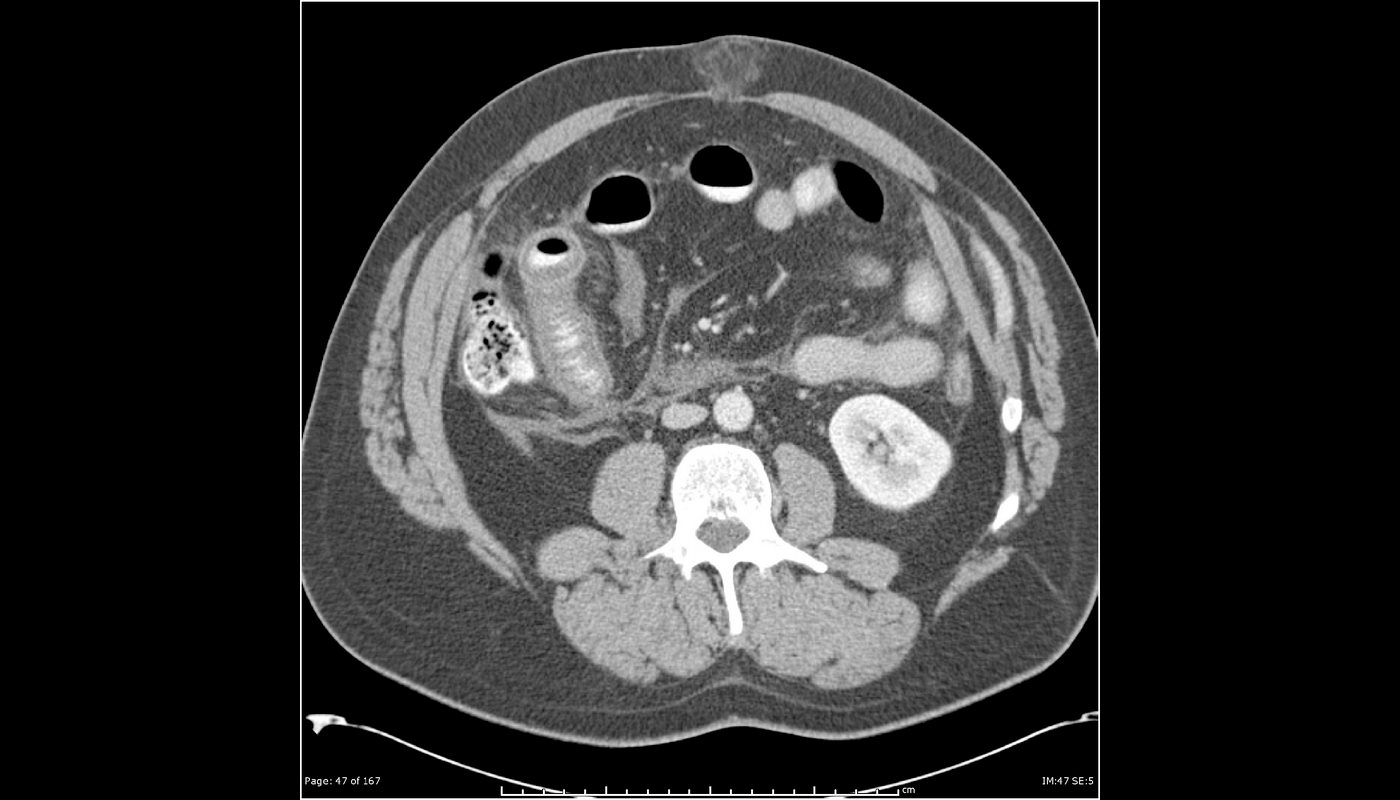
A single-dose gene therapy using CRISPR has shown promising results in treating hereditary angioedema, a rare genetic disorder causing painful and potentially fatal swelling. Patients in a human trial reported dramatic improvements in their health and quality of life, with some describing it as a "medical magic wand." The treatment corrects the C1 kallikrein gene and has the potential to transform the lives of those affected by the condition, although it comes with a high cost.
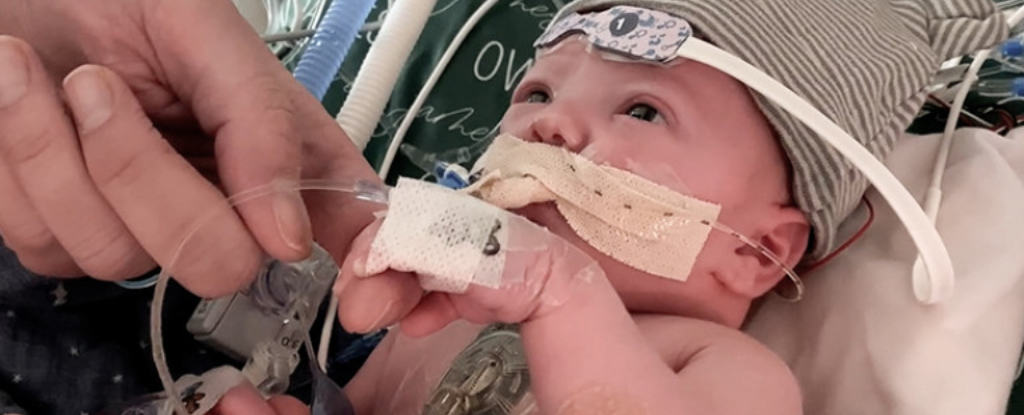
Baby Owen Monroe became the first infant to undergo a partial heart transplant, with the implanted tissue growing with him, a feat never seen before in humans. The procedure, which salvages native heart tissue and only uses living donor tissue to replace defective parts, has shown promising results, with Owen's heart growing and functioning excellently. This breakthrough offers hope for other children with similar heart defects, potentially sparing them from repeated surgeries and improving their long-term outcomes.