Researchers have developed a noninvasive nasal nanotherapy using gold-based spherical nucleic acids that successfully eradicated glioblastoma tumors in mice by activating immune pathways, offering a promising new approach for treating deadly brain cancers.
Pfizer is sued in the US by women claiming its contraceptive Depo-Provera caused brain tumors, with allegations that the company failed to warn about the risks, leading to a growing number of lawsuits and a court hearing to address the issue of liability and regulatory warnings.
Scientists discovered that glioblastoma brain tumors in mice grow more slowly when deprived of the amino acid serine, revealing a potential metabolic vulnerability that could be targeted for therapy. The tumors typically steal nutrients like serine from their environment to support rapid growth, but a serine-deficient diet slowed tumor progression and extended survival in mice, offering new hope for treatment strategies.
A Danish study links long-term exposure to ultrafine particles and traffic-related pollutants to an increased risk of meningioma, a common brain tumor, highlighting the broader health impacts of air pollution beyond respiratory issues and emphasizing the need for improved air quality measures.
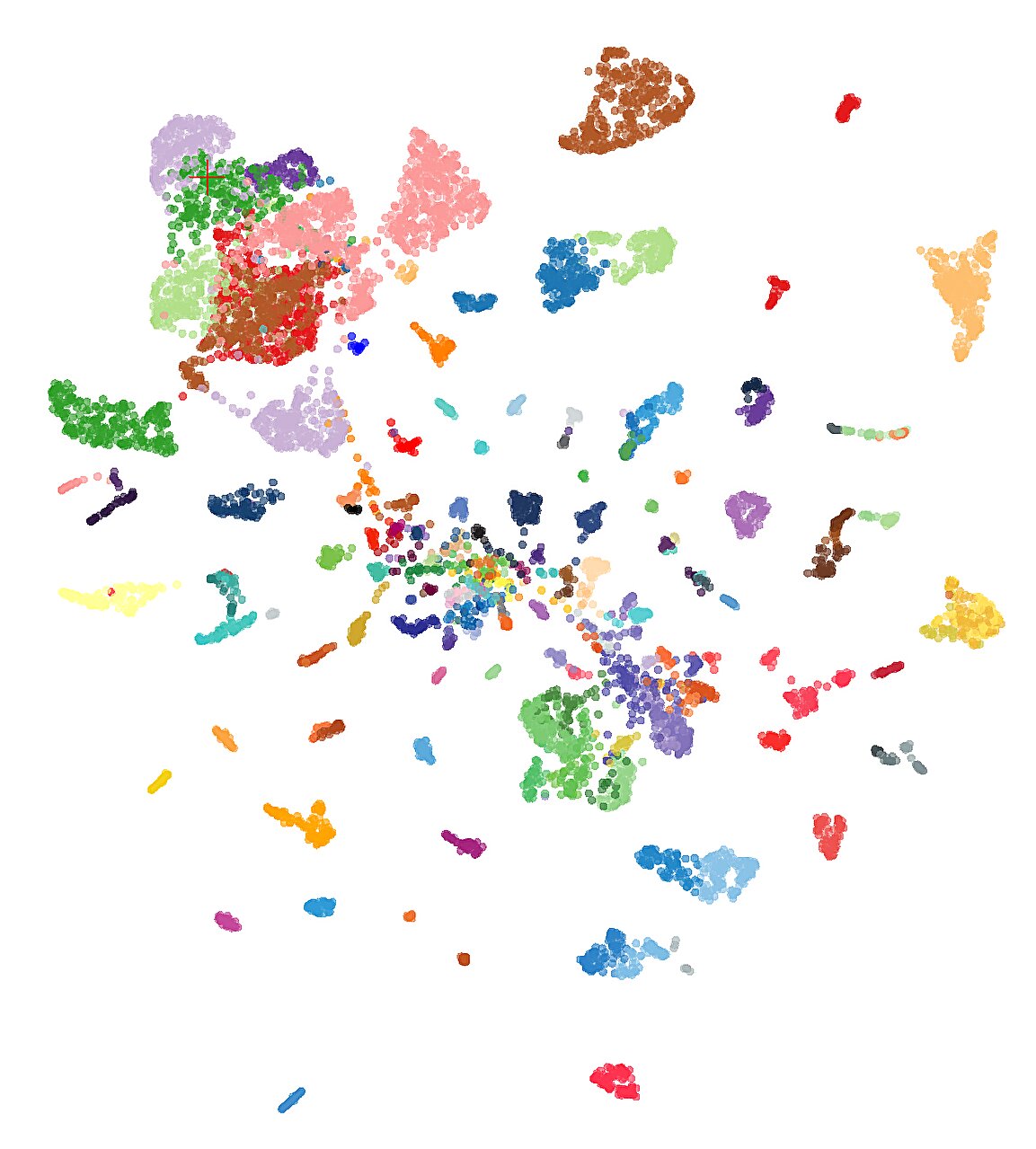
Researchers developed an AI model called crossNN that diagnoses brain tumors with over 99% accuracy by analyzing epigenetic DNA signatures, offering a non-invasive alternative to biopsies and capable of identifying over 170 tumor types, potentially transforming cancer diagnosis and treatment.
Researchers at Charité Berlin developed an AI model called crossNN that classifies over 170 tumor types with high accuracy using epigenetic data, offering a less invasive and more precise diagnostic tool for tumors, especially in challenging cases like brain tumors, and is set to be tested in clinical trials.
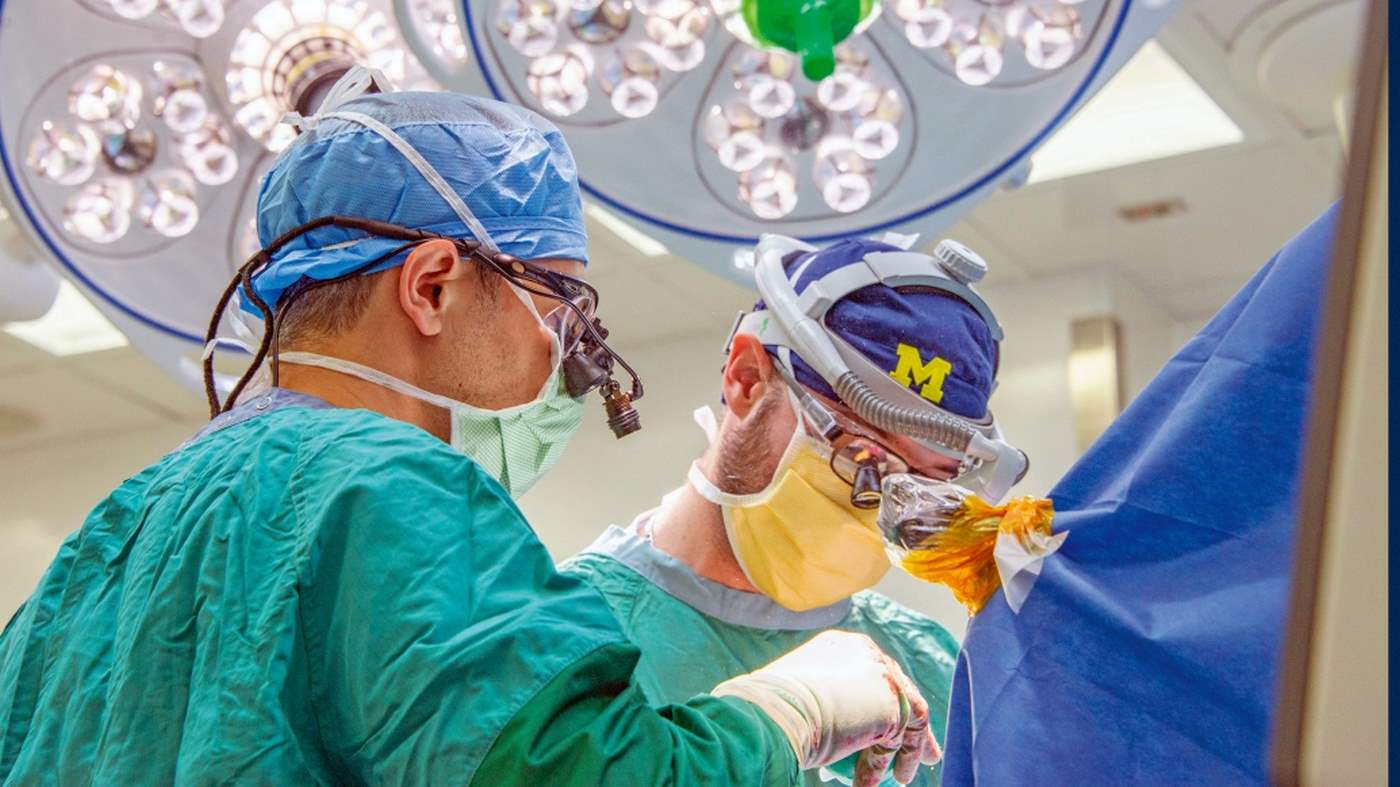
Researchers from the University of Michigan and California have developed an AI model called FastGlioma that can detect residual cancerous brain tumor tissue during surgery in just 10 seconds, significantly outperforming traditional methods. FastGlioma uses a visual foundation model trained on extensive datasets to achieve an accuracy of 92%, reducing the miss rate of high-risk tumor tissues to 3.8% compared to 25% with conventional techniques. This innovation could revolutionize neurosurgery by improving patient outcomes and is adaptable to other types of brain tumors and potentially other cancers.
A novel vaccine targeting the IDH1 mutation in gliomas, a deadly type of brain tumor, has shown promising results in clinical trials by mobilizing the immune system to attack cancer cells with precision. This breakthrough in immunotherapy, led by Michael Platten, has been recognized with the "Breakthrough of the Year 2024" award, highlighting its potential to revolutionize cancer treatment beyond brain tumors.
Pfizer is facing a lawsuit alleging it failed to warn patients that its contraceptive drug Depo-Provera could increase the risk of brain tumors, specifically intracranial meningioma. The complaint, filed in California, claims that research links Depo-Provera and similar progesterone medications to a higher incidence of these tumors. The lawsuit follows similar cases in other states, while Pfizer maintains that Depo-Provera has been a safe and effective treatment for over 30 years. The drug's U.S. label does not currently warn of this risk, unlike in the EU and UK.
Experimental CAR-T therapy, which reprograms a patient's own immune cells to attack glioblastoma brain tumors, has shown promising results in early studies. Some patients experienced dramatic tumor shrinkage, but none demonstrated a survival benefit yet. Researchers are optimistic about the therapy's potential and are exploring ways to improve its effectiveness and reduce side effects. While the results are encouraging, it's still early in the development of this treatment for hard-to-treat brain tumors.
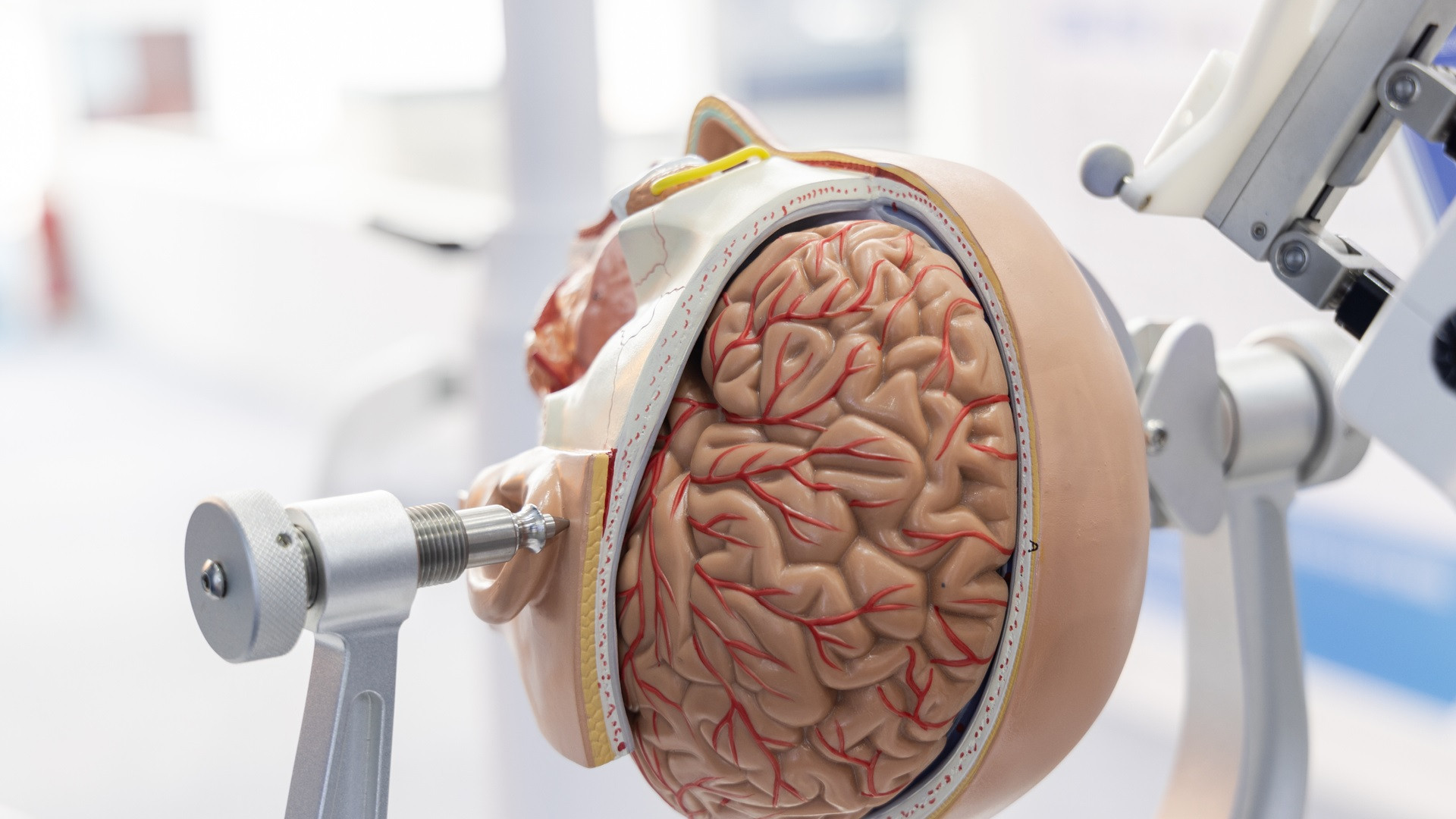
A new surgical robot has been developed that is agile enough to remove brain tumors from children's small skulls. The robot utilizes hollow arms and incorporates technologies such as tendon actuation and concentric tube robots, making it a promising tool in pediatric healthcare.
Scientists have discovered a potential breakthrough in the treatment of diffuse midline gliomas (DMGs), a deep-rooted and aggressive form of brain cancer that often develops in childhood. A drug called ONC201 has shown promise in clinical trials, with patients experiencing a median overall survival time of 22 months compared to 11-15 months without treatment. ONC201 targets neural pathways for dopamine and has the ability to pass through the blood-brain barrier. The drug affects the mitochondria of cancer cells, reversing epigenetic signals associated with tumor growth. Further clinical trials are underway to explore the effectiveness of ONC201 in combination with other treatments.
Doctors have discovered that two cancer drugs approved for melanoma treatment can effectively shrink a rare type of brain tumor called PCP (papillary craniopharyngioma) by over 90%. In a small clinical trial, patients with PCP were given drugs that target proteins involved in cell growth, resulting in unprecedented tumor shrinkage. The current standard of care for PCP involves surgery and radiation, which can have significant side effects. This study highlights the potential of precision medicine in treating brain tumors and may encourage further research in neuro-oncology. However, challenges remain in terms of cost and availability of whole genome sequencing and the need for more targeted therapies.
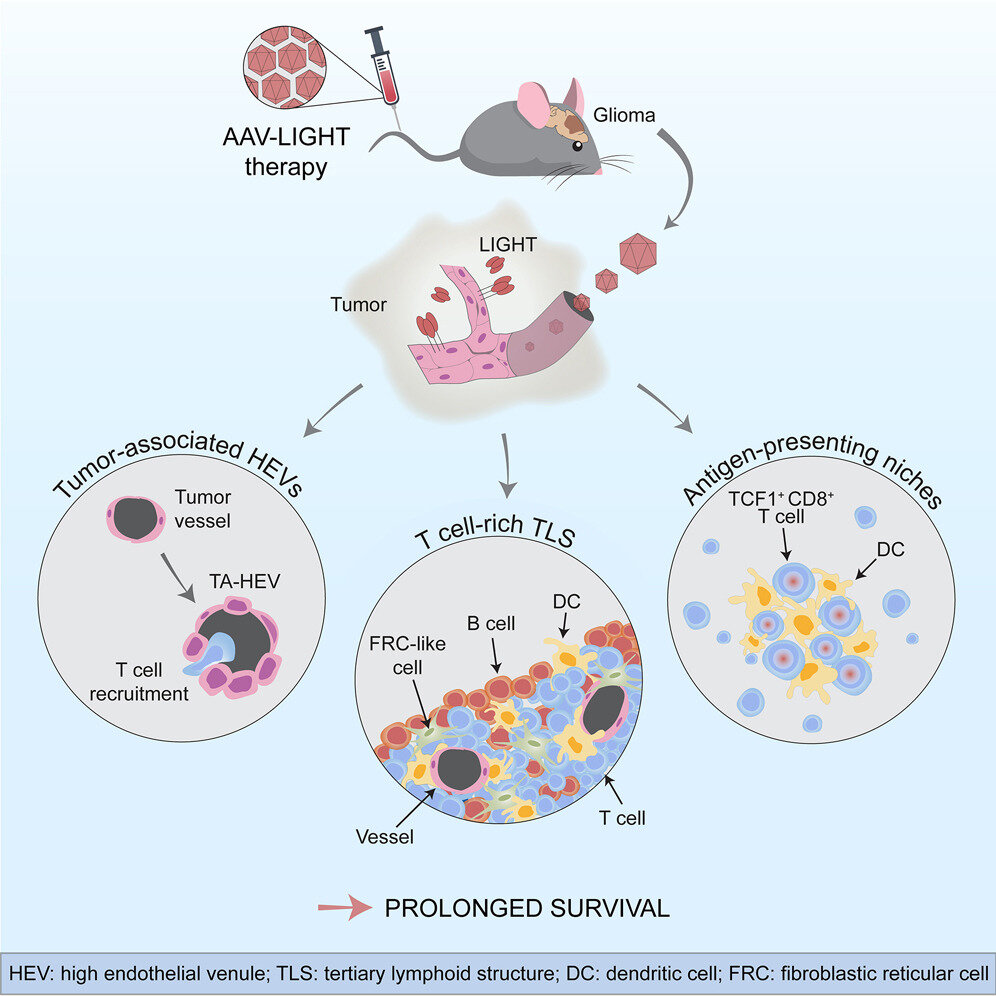
Researchers from Uppsala University have developed a new therapy that uses a viral vector to help killer T cells reach brain tumors and fight cancer cells. The viral vector induces production of LIGHT in the blood vessels, which tailors their function to recruit killer T cells into the tumor. The therapy also induced the formation of immune cell aggregates known as tertiary lymphoid structures (TLS) in association with the brain tumor, which increased the sensitivity to cancer immunotherapy. The researchers hope to further develop this therapy to determine if it can be used for patients with glioblastoma.
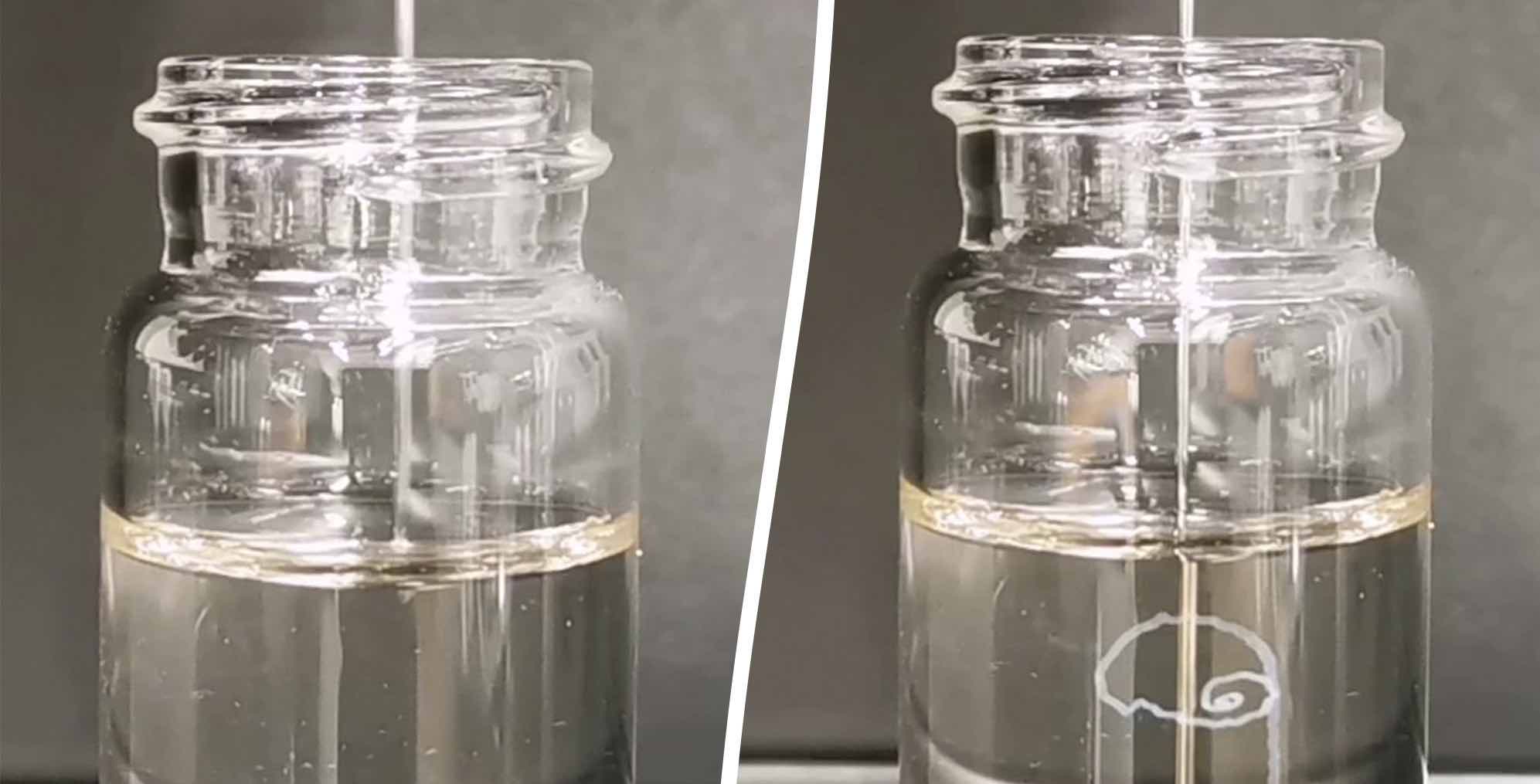
A gel that combines an anticancer drug and an antibody has cured 100% of mice with glioblastoma, one of the deadliest and most common brain tumors in humans. The gel fills the tiny grooves left after a brain tumor is surgically removed, reaching areas that surgery might miss and current drugs struggle to reach to kill lingering cancer cells and suppress tumor growth. The gel also triggers an immune response that helps rewire the immune system to discourage recurrence with immunological memory. The challenge now is to translate the gel’s results in the lab into therapies with substantial clinical impacts.