Tag

Experimental Research

All articles tagged with #experimental research

physics2 years ago

Resolving Quantum Interference in Photoionization with Attosecond Precision

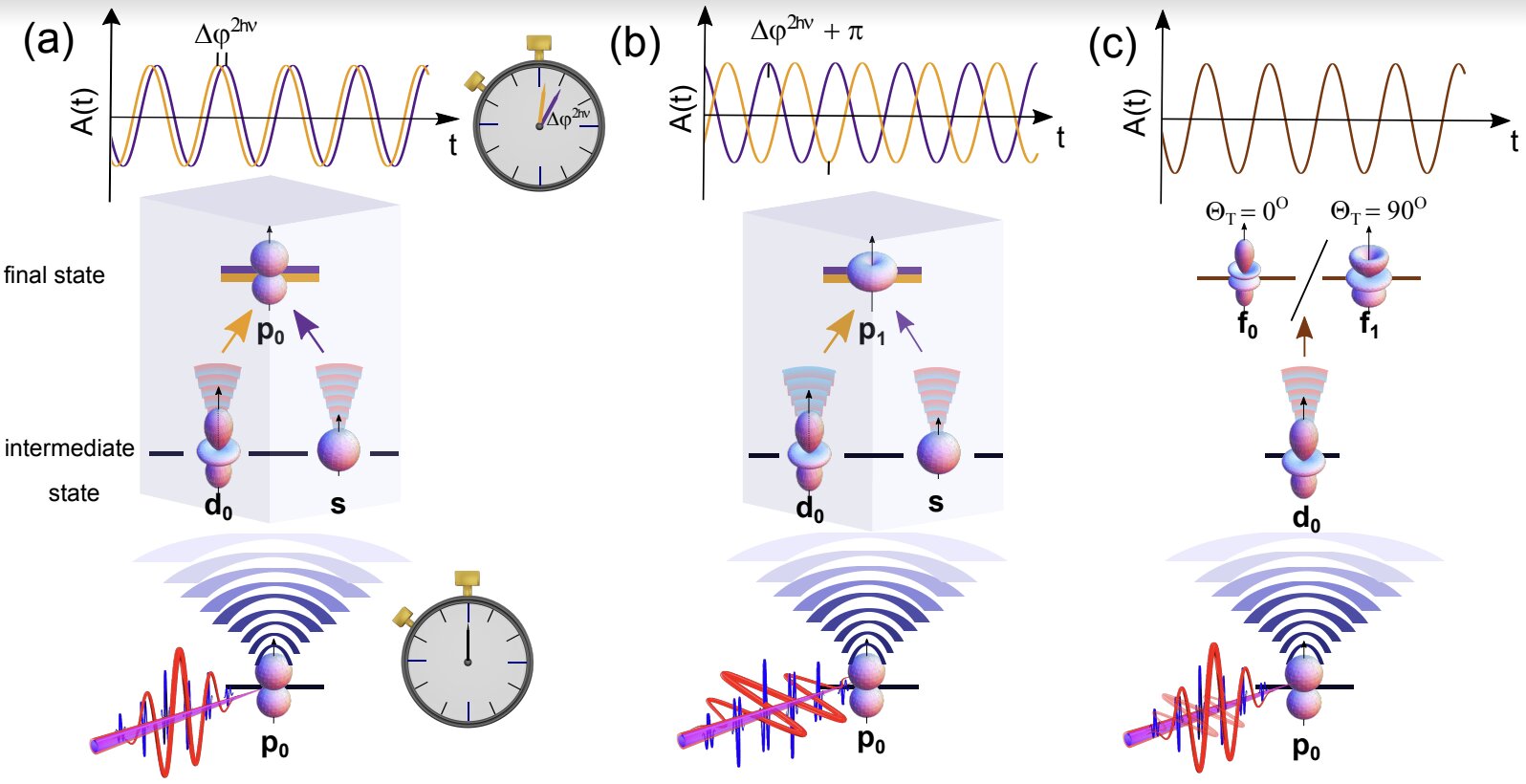
Researchers have developed a new method for conducting attosecond physics research by building on the RABBITT technique. By changing the polarization of laser pulses, they were able to measure individual contributions in photoionization and resolve quantum interference between different pathways. The experiments were conducted on helium, neon, and argon samples, and the results were validated through simulations. This method could provide insights into the fundamental dynamics of photoionization and potentially lead to advancements in controlling electrons using light for applications in electronic circuitry, photovoltaics, and radiation damage prevention in medical tools.

health2 years ago

"Lululemon Founder's Fortune Poured into Personal Disease Cure"

Chip Wilson, the founder of Lululemon, is investing millions of dollars into experimental research to find a cure for his rare form of muscular dystrophy. With a net worth of over $7 billion, Wilson has established the Solve FSHD funding body and is undergoing various experimental regimens, including plasma injections and stem-cell treatments in Mexico. He is also testing longevity treatments such as the cancer drug rapamycin. Wilson is willing to take risks and play the role of a guinea pig in his quest for a cure.

physics2 years ago

The Sensational Experience of Touching a Quantum Superfluid

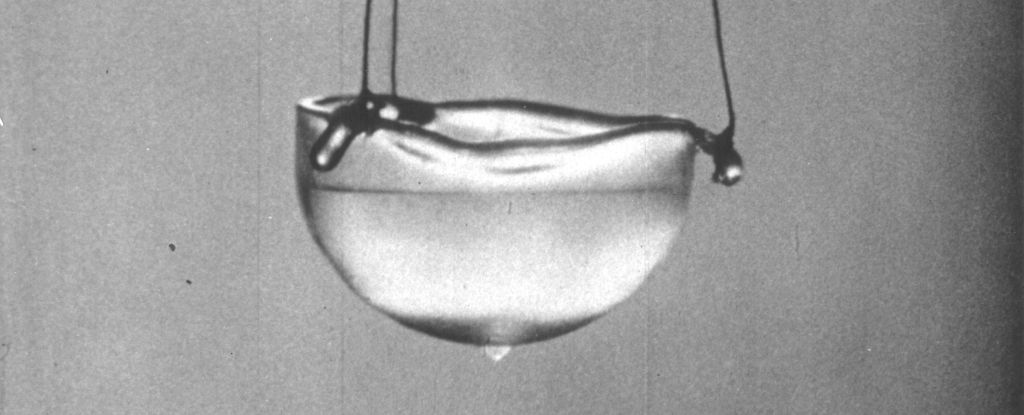
Physicists have conducted an experiment using a finger-sized probe to study the properties of a quantum superfluid, specifically helium-3. They discovered that the superfluid forms a two-dimensional layer on its surface that transports heat away from the probe, while the bulk of the superfluid remains passive and feels empty. This finding redefines our understanding of superfluid helium-3 and has implications for the study of collective matter states and quantum energy states. The research has the potential to transform our understanding of this macroscopic quantum system.

science-and-technology2 years ago

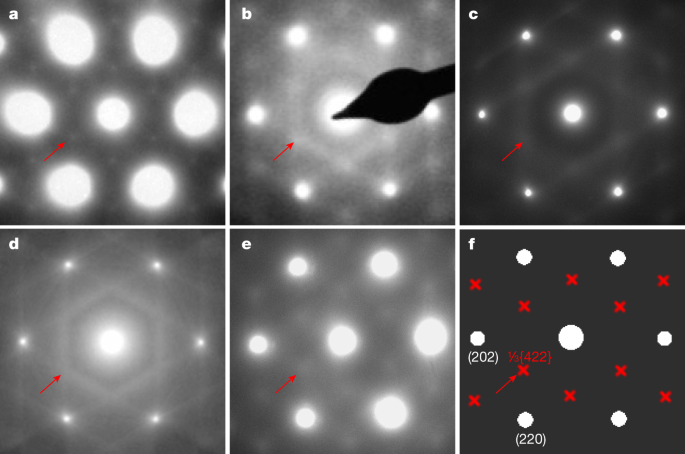
Decoding the Mystery of Diffuse Intensities in fcc Electron Diffraction Patterns

Researchers have investigated the origin of diffuse intensities in face-centered cubic (fcc) electron diffraction patterns. They conducted diffraction experiments and calculations to understand the role of short-range order in the formation of these intensities. The study provides insights into the structural characteristics of fcc materials and contributes to the field of materials science.

science2 years ago

"Revealing the Hidden Symmetries of Living Tissue: Biophysicists' Groundbreaking Discovery"

Biophysicists have discovered that living tissues exhibit both sixfold and twofold symmetries simultaneously, resolving a long-standing contradiction between experimental and theoretical observations. By studying thin layers of epithelial tissue, researchers were able to distinguish the nested symmetries using a mathematical object called a shape tensor. The findings have implications for understanding the behavior of tissues and could help shed light on processes such as cancer metastasis and embryogenesis. The study highlights the importance of structure in determining the forces and functions of tissues, offering new insights into the complex world of biology.

science-and-technology2 years ago

"Groundbreaking Time Travel Simulation Alters History"

Scientists at the University of Cambridge Hitachi Laboratory have simulated a form of backward time travel using quantum entanglement manipulation. By entangling two particles and manipulating one based on new information, they were able to retroactively change the outcome of an experiment. The simulation has a 75% chance of failure, but the researchers propose sending a large number of entangled photons to increase the likelihood of success. While this does not allow for actual time travel, it offers the potential to fix past problems and create a better future.

science-and-technology2 years ago

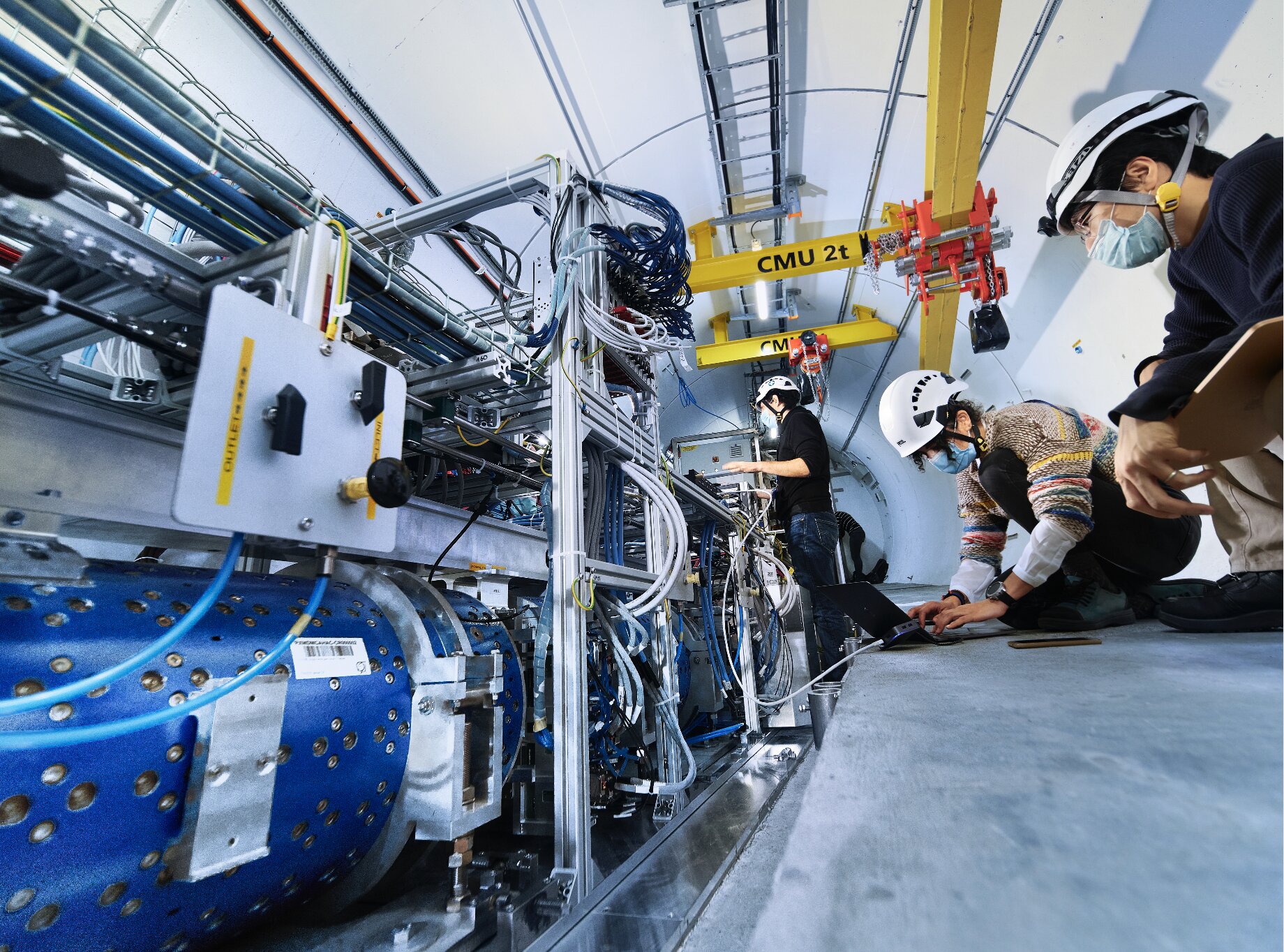
CERN's Large Hadron Collider Unveils Groundbreaking Neutrino Observations

Physicists at CERN's Large Hadron Collider (LHC) have successfully observed neutrinos, the least well-studied particles in the Standard Model of particle physics, for the first time inside a collider particle accelerator. Two research collaborations, FASER and SND@LHC, achieved this milestone using neutrino detectors. The high-energy neutrinos detected have the highest energy ever recorded in a laboratory environment. This breakthrough opens new avenues for experimental particle physics research and could provide insights into fundamental puzzles of the Standard Model, such as the nature of matter particles and the structure of colliding protons.

science-and-technology2 years ago

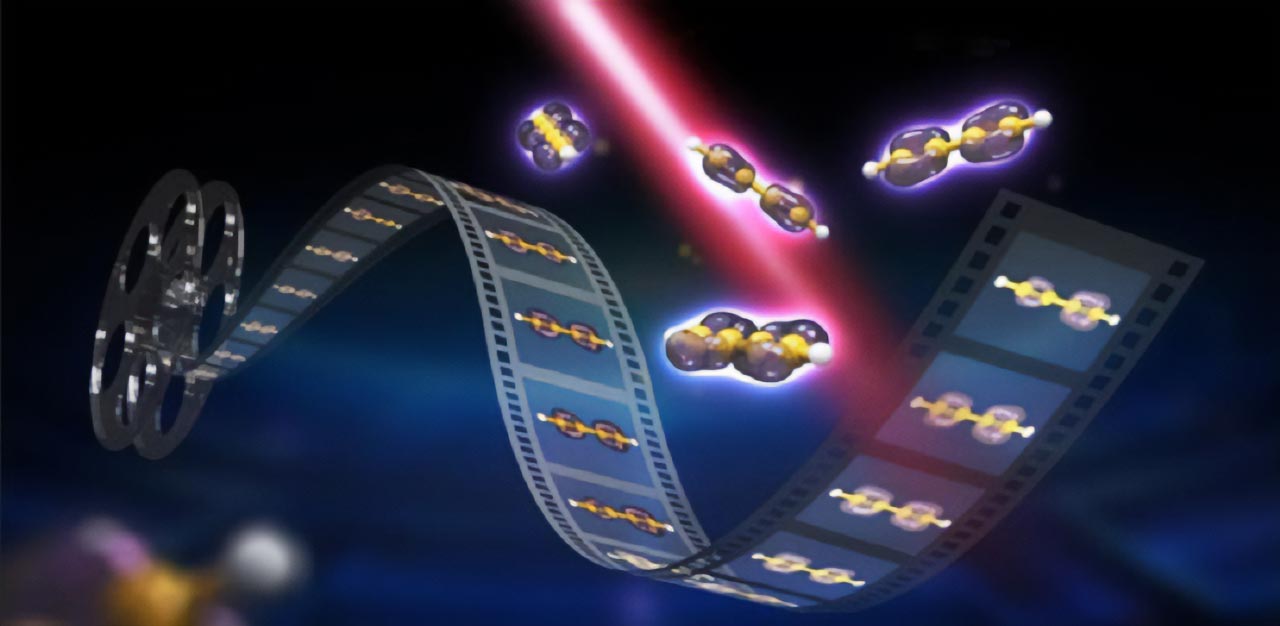
Quantifying Charge Migration Speed in Molecules

Researchers have developed a method to measure the speed of charge migration (CM) in molecules, discovering that it can move several angstroms per femtosecond. This breakthrough research provides insights into ultrafast molecular dynamics and potential control over chemical reactions. By using a high harmonic spectroscopy (HHS) method, the team measured CM speed in a carbon-chain molecule and achieved a temporal resolution of 50 attoseconds. The study sheds light on the complexities of CM and offers a promising way to manipulate the rate of chemical reactions.

science2 years ago

"Groundbreaking Discovery: Neutrinos Detected at CERN's Large Hadron Collider"

Two research collaborations, FASER and SND@LHC, have independently observed neutrinos inside CERN's Large Hadron Collider (LHC) for the first time. Neutrinos are tiny particles with neutral charge that are difficult to detect due to their weak interaction with matter. FASER and SND@LHC placed detectors along the beam line of the LHC to observe high-energy neutrinos produced in the collider. These observations could lead to new insights into the properties of neutrinos and contribute to a better understanding of particle physics.

science-and-technology2 years ago

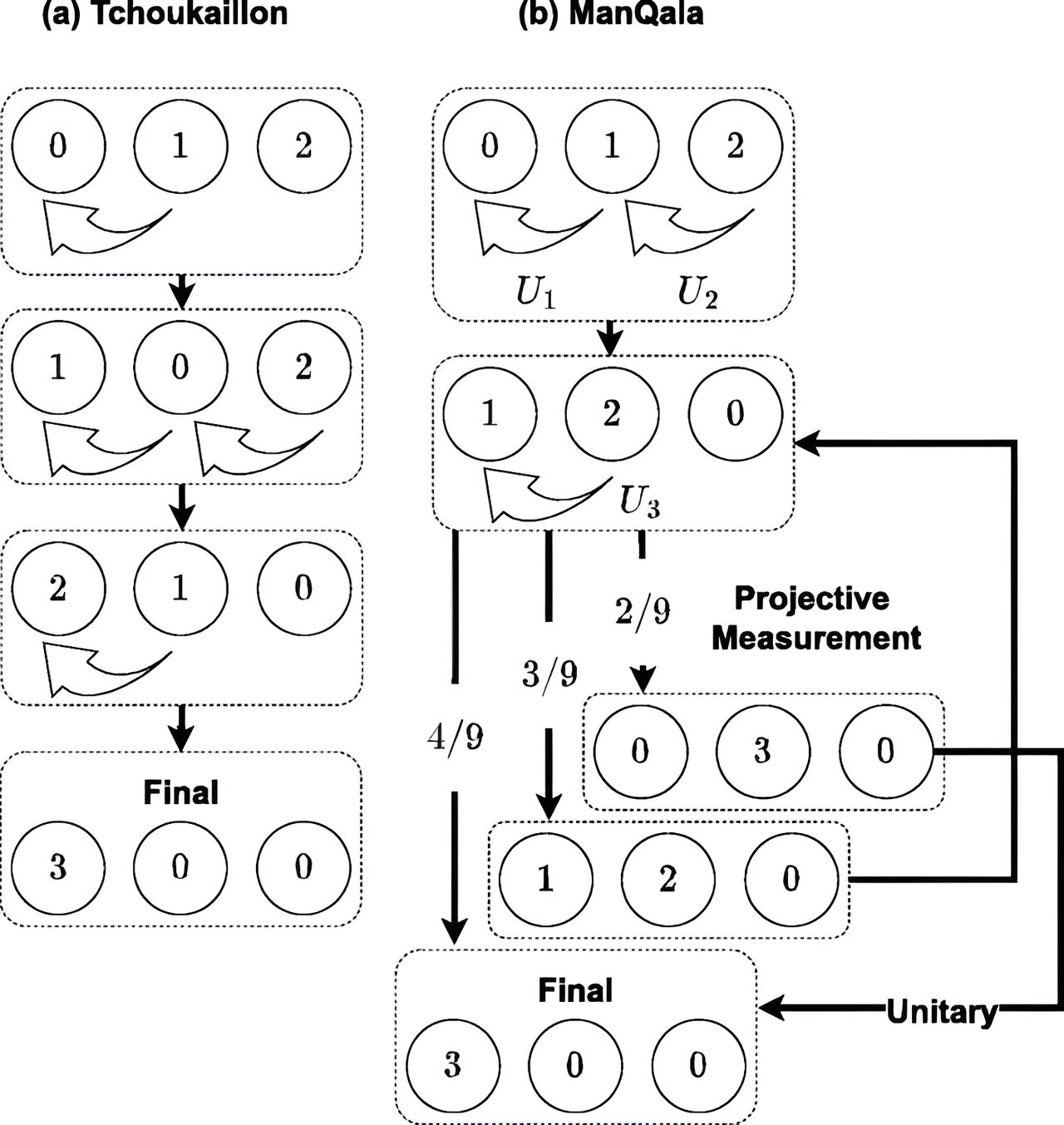
"Unveiling the Hidden Physics Secrets through an Ancient Board Game"

Researchers at Tulane University have developed a modified version of the ancient board game mancala, called ManQala, to explore quantum state engineering. By applying quantum rules to the game, they aim to understand how to control and manipulate quantum systems to achieve desired states. The simulations conducted in the study showed promising results, even in simplified systems. The researchers believe that ManQala could have practical applications in experimental research and hope to test it on the IBM Quantum cloud computer.