Tag

Algae

All articles tagged with #algae

Glowing Algae Unveil Life's Geometric Secrets

Originally Published 5 months ago — by Phys.org

Featured image for Glowing Algae Unveil Life's Geometric Secrets
Source: Phys.org

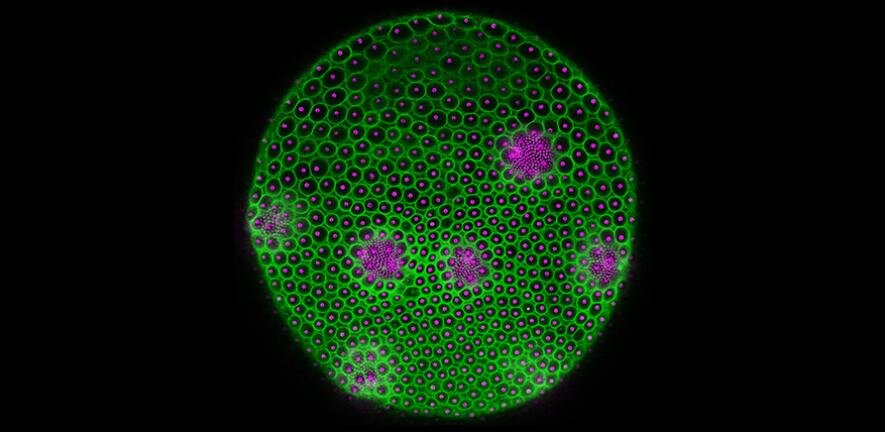
Researchers used advanced imaging and machine learning to uncover the intricate, foam-like structure of the extracellular matrix in Volvox algae, revealing how simple cells coordinate to form complex, spherical multicellular organisms despite noisy individual behaviors, providing new insights into developmental biology.

Discover the Hidden Clam Cathedrals Around You

Originally Published 1 year ago — by Defector

Featured image for Discover the Hidden Clam Cathedrals Around You
Source: Defector

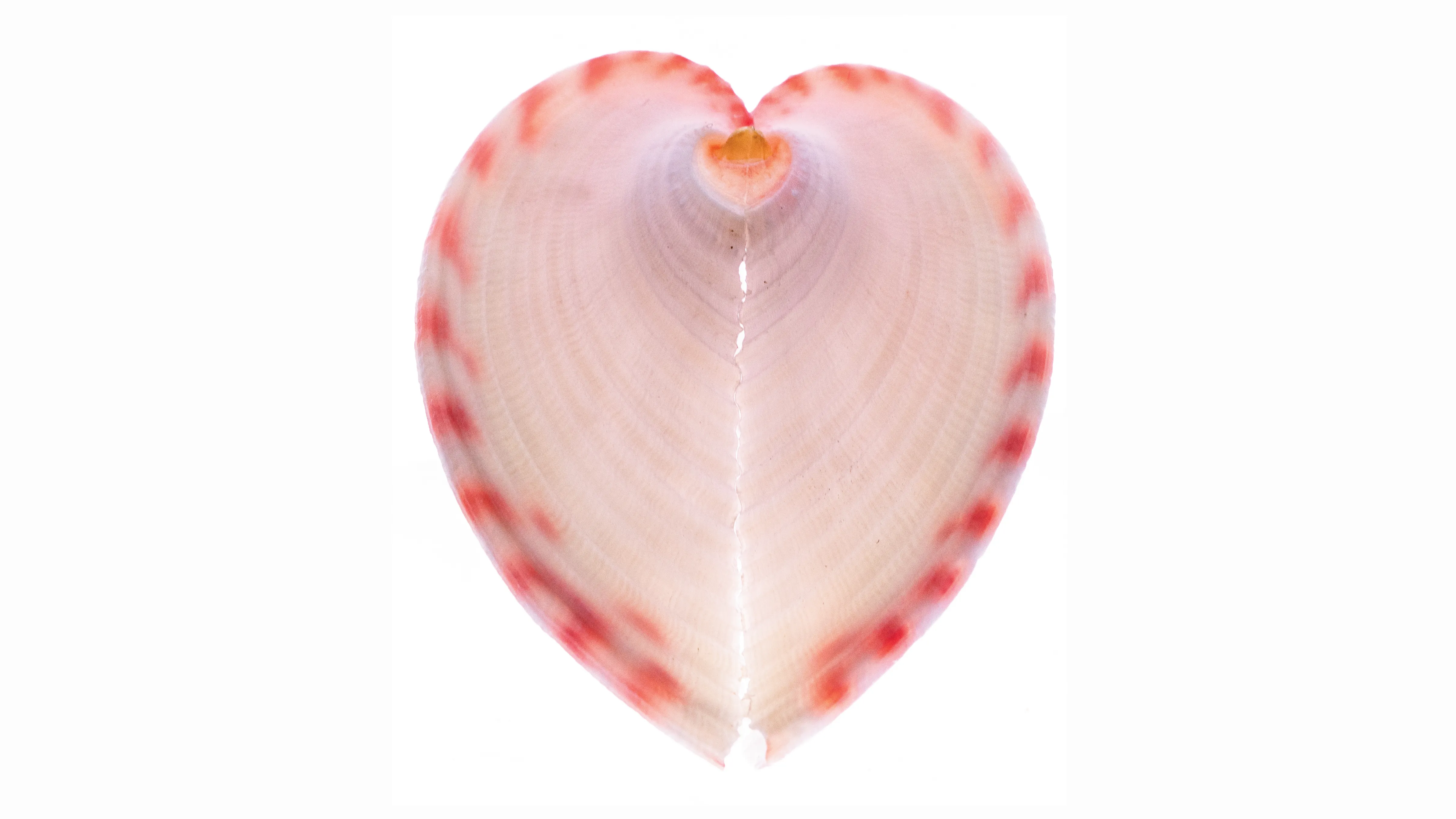
Biophysicist Dakota McCoy and her team have discovered that the heart cockle clam, Corculum cardissa, has shell structures that function like fiber optic cables, allowing beneficial sunlight to penetrate and sustain algae living inside. This natural phenomenon, reminiscent of stained glass windows, was detailed in a recent Nature Communications paper, highlighting the clam's unique adaptation long before human engineering achieved similar results.

Crimea's 'Putrid Sea' Offers Stunning Colors Amid Foul Odor

Originally Published 1 year ago — by Livescience.com

Featured image for Crimea's 'Putrid Sea' Offers Stunning Colors Amid Foul Odor
Source: Livescience.com

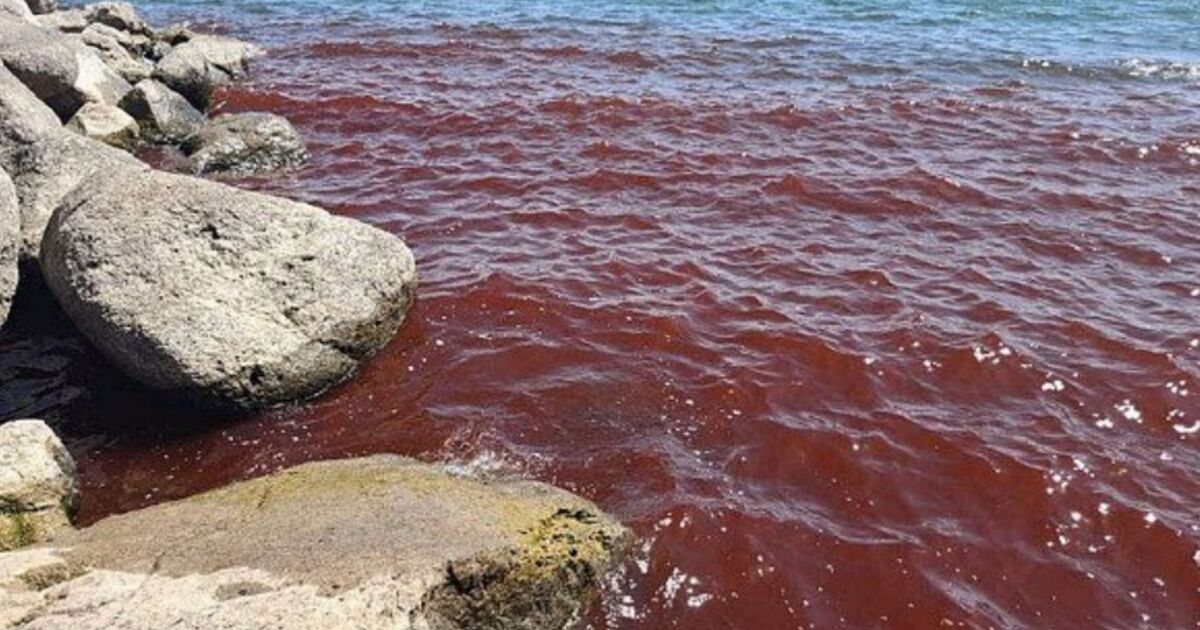
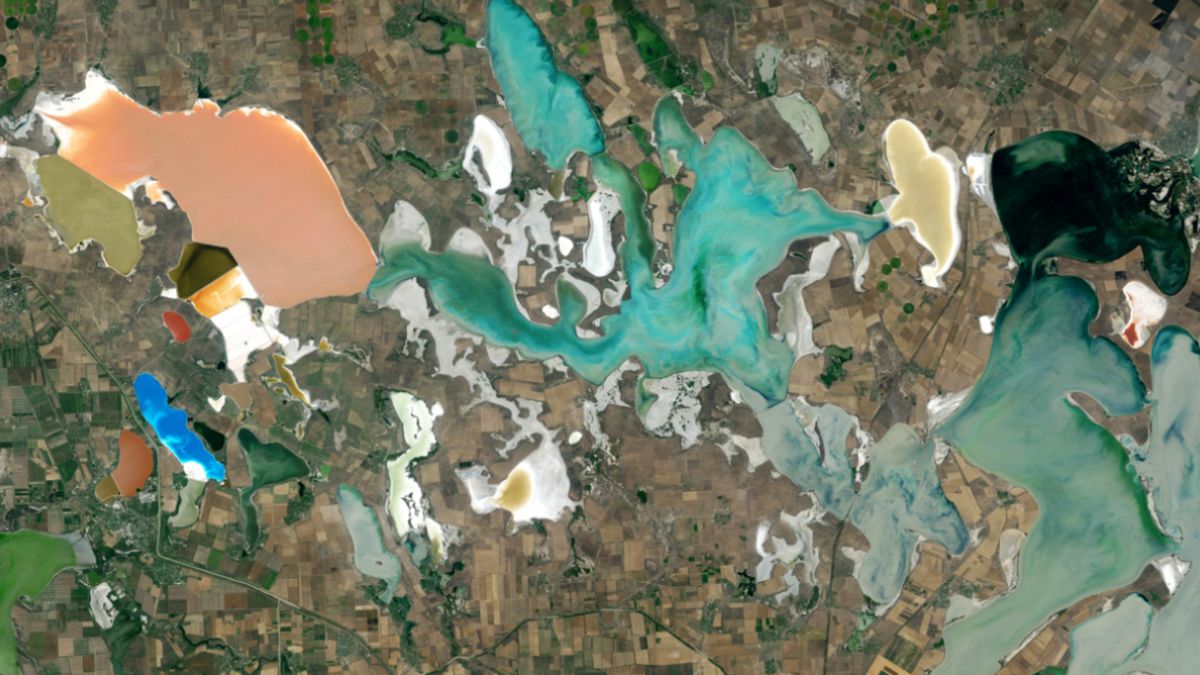
The Sivash region in Crimea, known as the 'putrid sea,' features a series of colorful, hypersaline lagoons that emit a rotten egg-like smell due to algae blooms. These lagoons, rich in minerals and home to diverse wildlife, are protected under the International Convention of Wetlands. The area has historical significance, having been a strategic site during the Russian Civil War. Currently, the region is under Russian control following the 2022 invasion of Ukraine.

The Surprising Connection Between Mollusc Shells and Fiber Optics

Originally Published 1 year ago — by NPR

Featured image for The Surprising Connection Between Mollusc Shells and Fiber Optics
Source: NPR

Researchers have discovered that the heart cockle mollusc uses its shell structure to channel sunlight to its symbiotic algae, similar to fiber optic cables. This natural adaptation allows the mollusc to provide more beneficial sunlight while minimizing harmful UV exposure, potentially explaining its resilience compared to corals during heat stress. The findings could inspire advancements in fiber optic technology and strategies to protect coral reefs.

"Micro Chariots Powered by Algae Unveiled by Scientists"

Originally Published 1 year ago — by ScienceAlert

Featured image for "Micro Chariots Powered by Algae Unveiled by Scientists"
Source: ScienceAlert

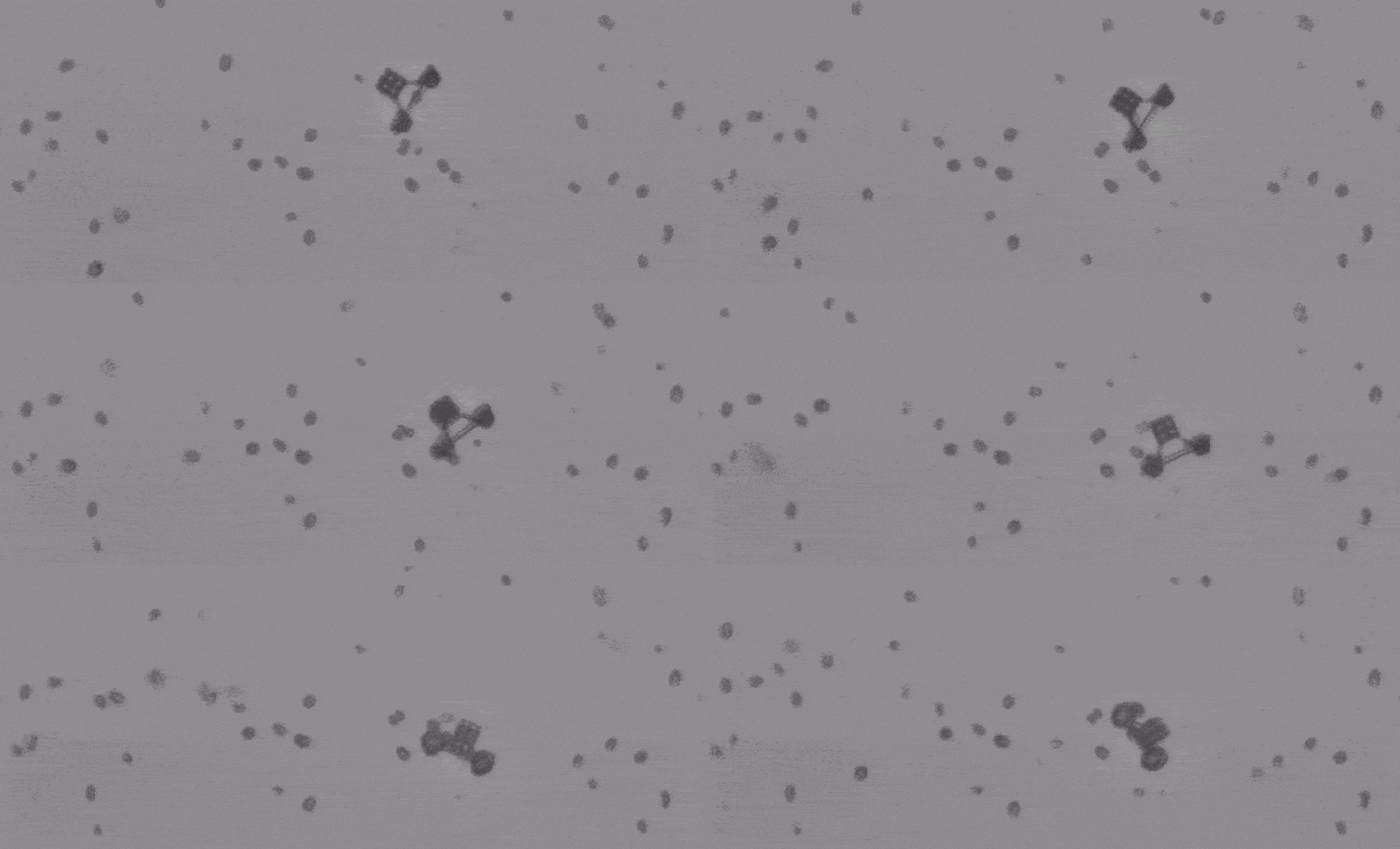
Engineers at the University of Tokyo have developed micromachines powered by single-celled algae, Chlamydomonas reinhardtii, which can autonomously move without external power sources. These tiny vehicles, designed to navigate viscous fluids like blood, could pave the way for advanced microrobots capable of delivering drugs or performing repairs inside the human body, fulfilling a vision first imagined by physicist Richard Feynman in 1959.

"Giant Viruses Discovered on Greenland Ice Sheet"

Originally Published 1 year ago — by IFLScience

Featured image for "Giant Viruses Discovered on Greenland Ice Sheet"
Source: IFLScience

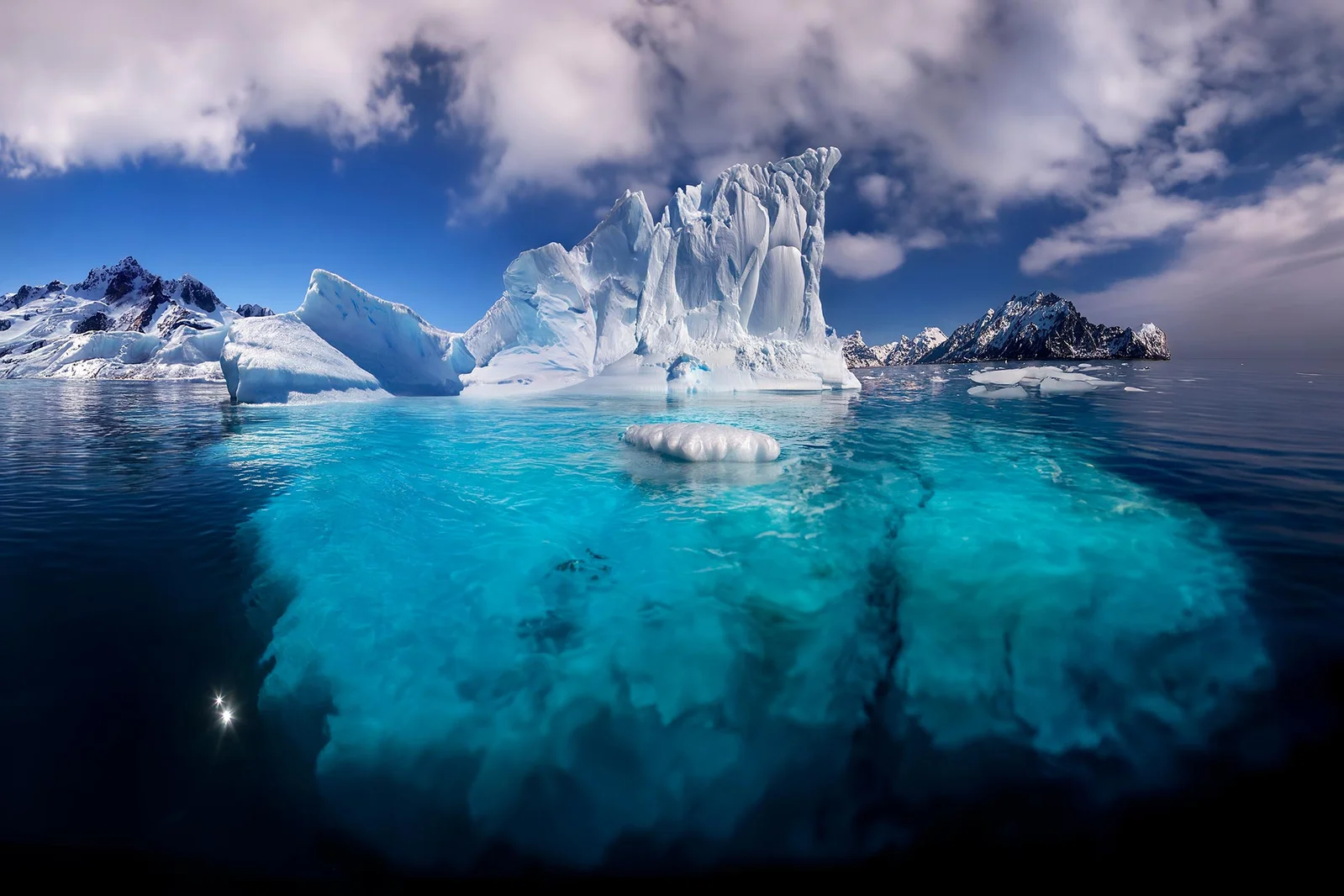
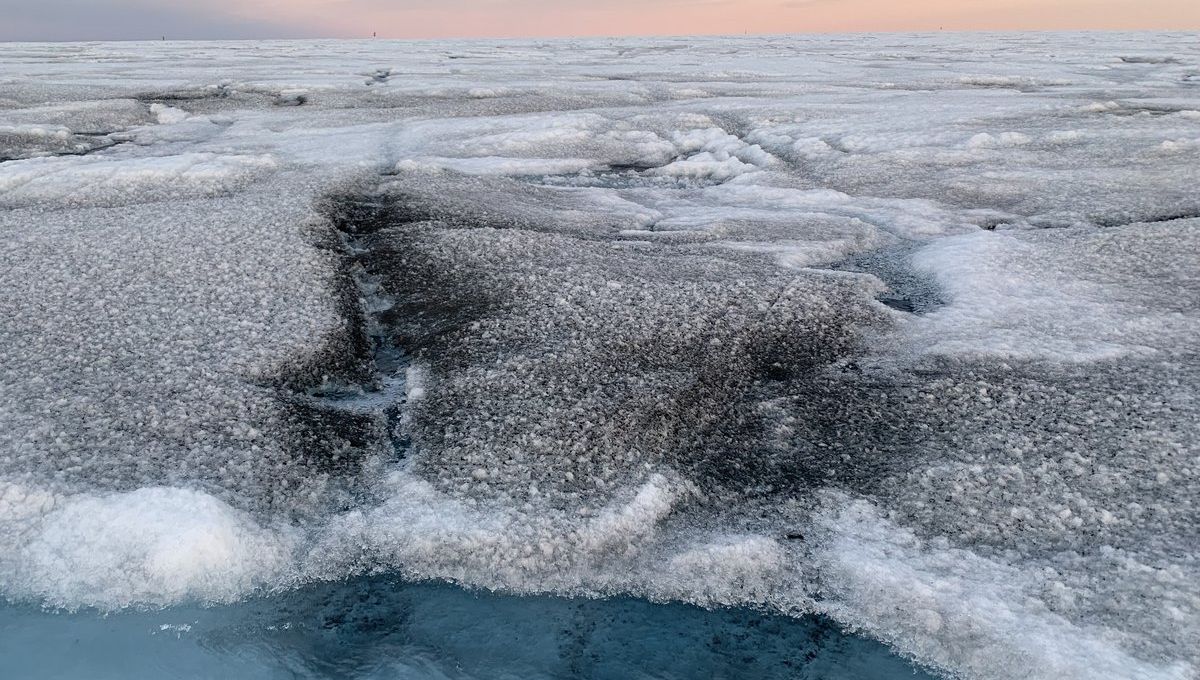
Scientists have discovered giant viruses on the Greenland ice sheet, which may help control algal blooms that accelerate ice melt. These viruses, significantly larger than typical viruses, could play a crucial role in regulating algae and protecting the ice. Further research is needed to understand their full impact and potential benefits.

"Giant Viruses Found in Greenland Ice Could Impact Melt Rates"

Originally Published 1 year ago — by Phys.org

Featured image for "Giant Viruses Found in Greenland Ice Could Impact Melt Rates"
Source: Phys.org

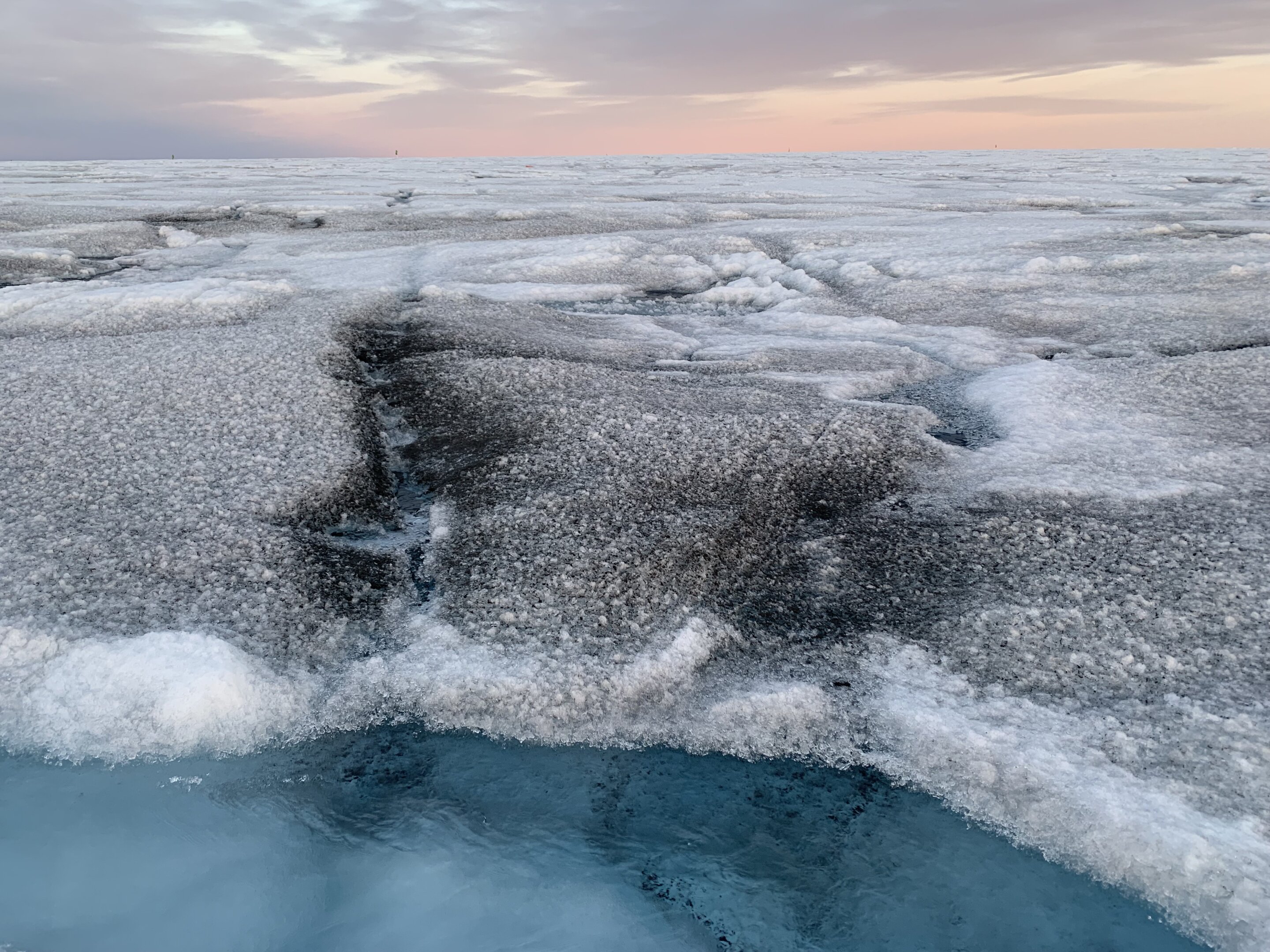
Researchers have discovered giant viruses on the Greenland ice sheet that may help control algae blooms, which darken the ice and accelerate melting. These viruses, larger and more complex than typical viruses, could potentially reduce ice melt and mitigate some effects of global warming. Further research is needed to understand their specific roles and effectiveness.

Giant "Sailor's Eyeball" Blob: Earth's Largest Single-Celled Organism

Originally Published 2 years ago — by IFLScience

Featured image for Giant "Sailor's Eyeball" Blob: Earth's Largest Single-Celled Organism
Source: IFLScience

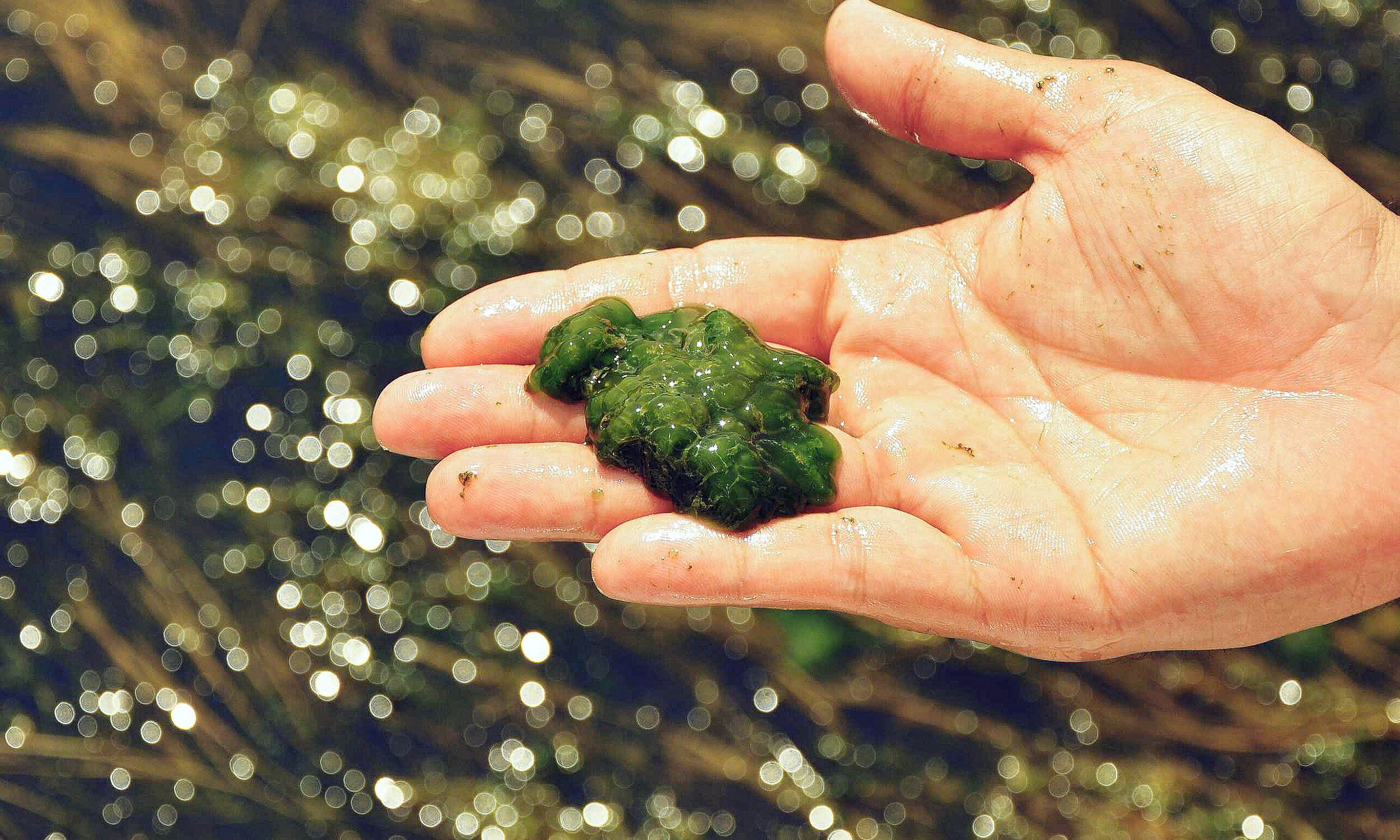
The sailor's eyeball alga, Valonia ventricosa, is one of the largest single-celled organisms on Earth. These curious blobs, found in tropical and subtropical regions of the world's oceans, are unicellular but can contain the nuclei of many cells. If popped, they can grow into new organisms from just one cell nucleus. Their unique structure and shimmering coloration make them stand out, resembling a Tesla plasma ball. So, let's appreciate these fascinating creatures and avoid popping them.

The Origins of Oil: Debunking the Dinosaur Myth

Originally Published 2 years ago — by IFLScience

Featured image for The Origins of Oil: Debunking the Dinosaur Myth
Source: IFLScience

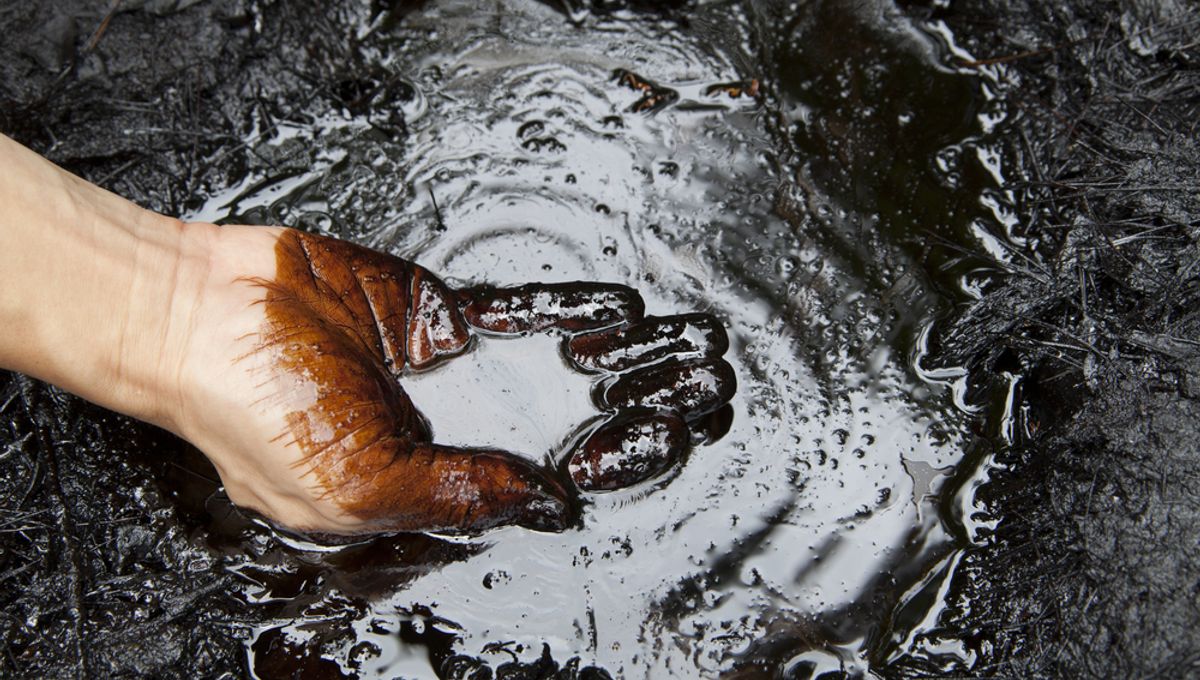
Contrary to popular belief, oil is not made from dinosaurs. Instead, it is formed from the remains of trillions of tiny algae and plankton that died millions of years ago and were buried under layers of sediment. Over time, these organic materials were "cooked" under high pressure and low oxygen conditions, transforming into the sticky black oil we use today. While marine dinosaurs may have ended up at the bottom of the ocean after death, they would not have been converted into oil themselves due to the need for an oxygen-deprived environment.