Tag

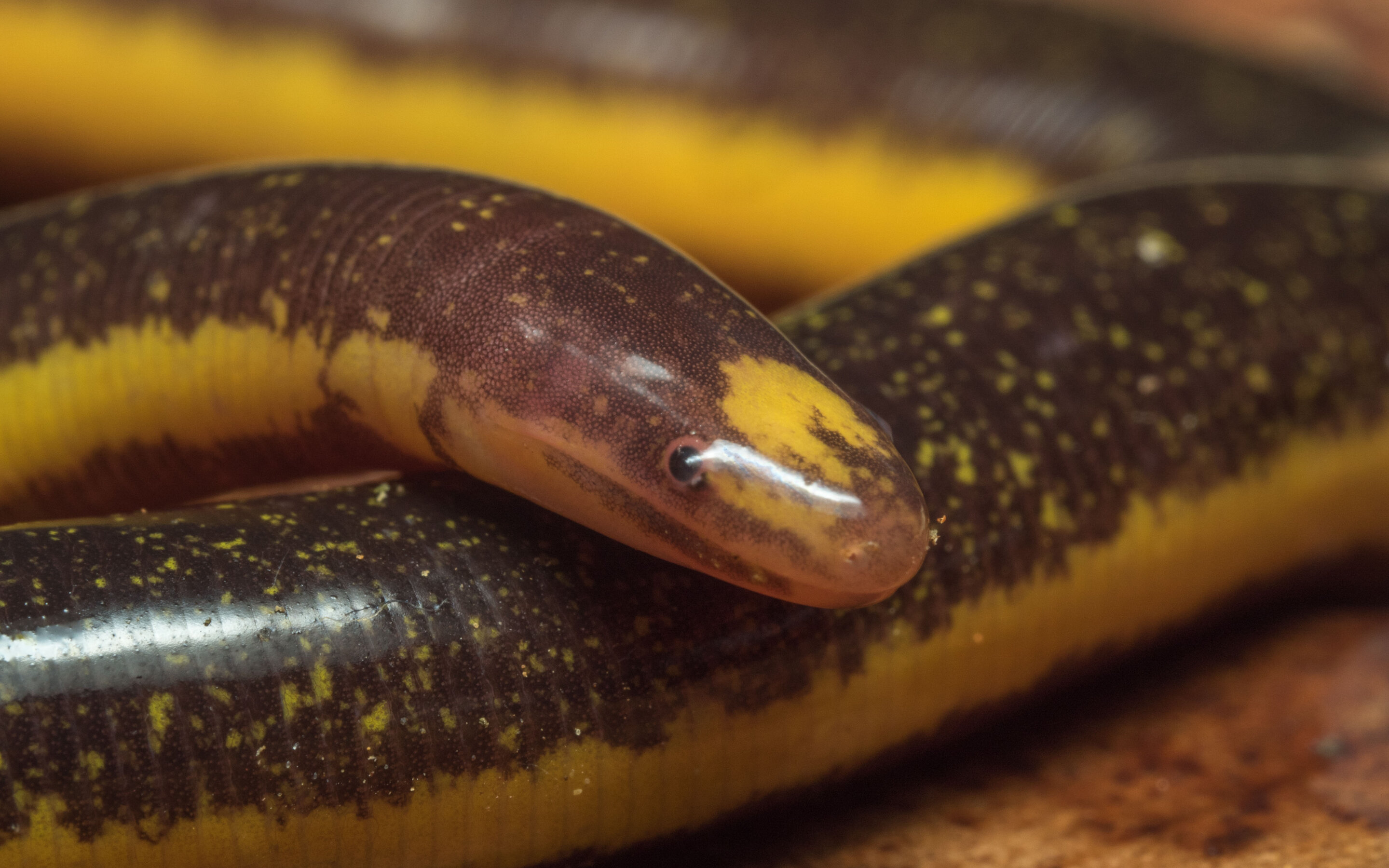
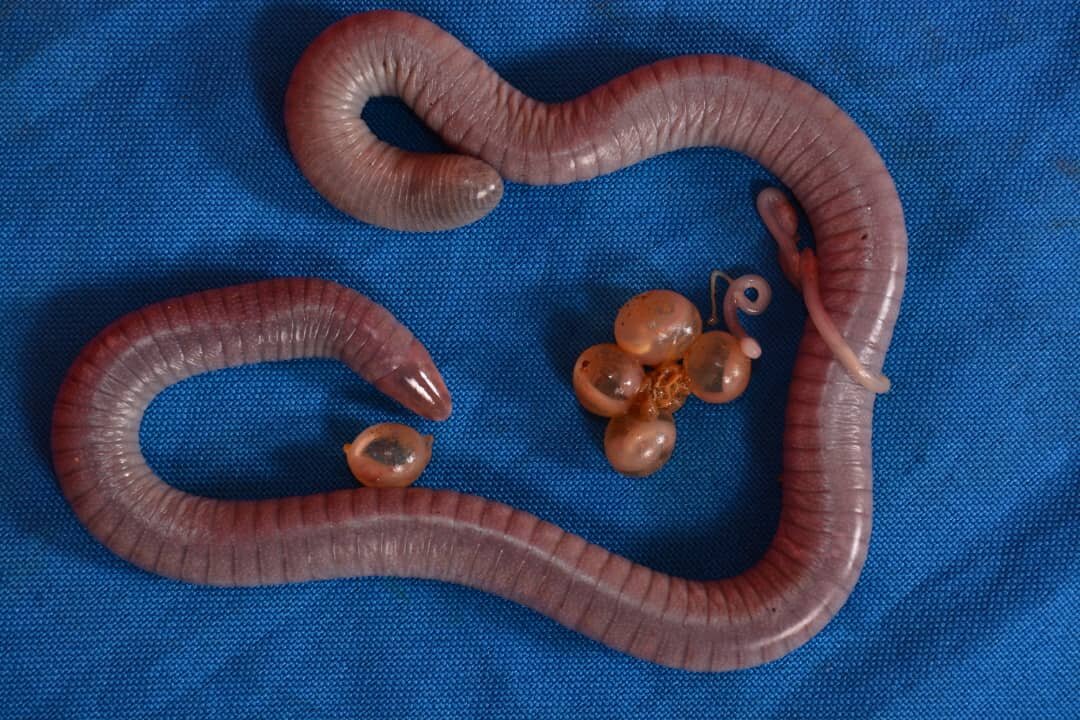
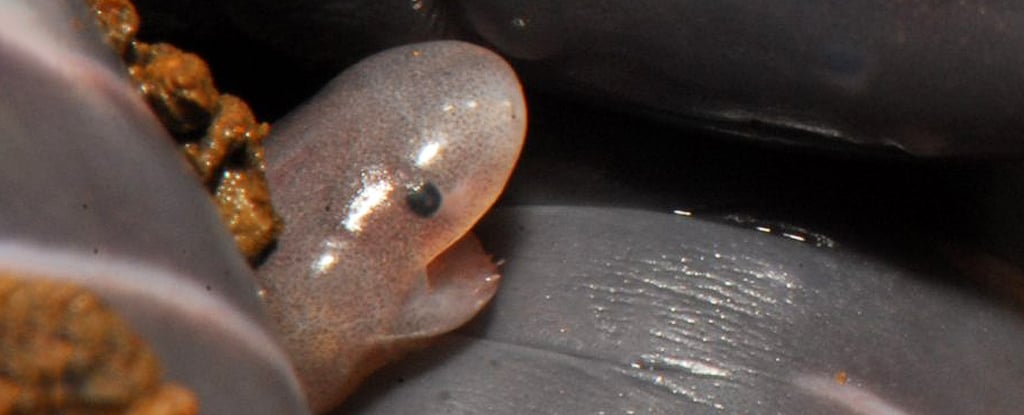
Caecilians

All articles tagged with #caecilians

biology1 year ago

"Worm-Like Amphibians: Adorable Milk-Leaking Hatchlings"

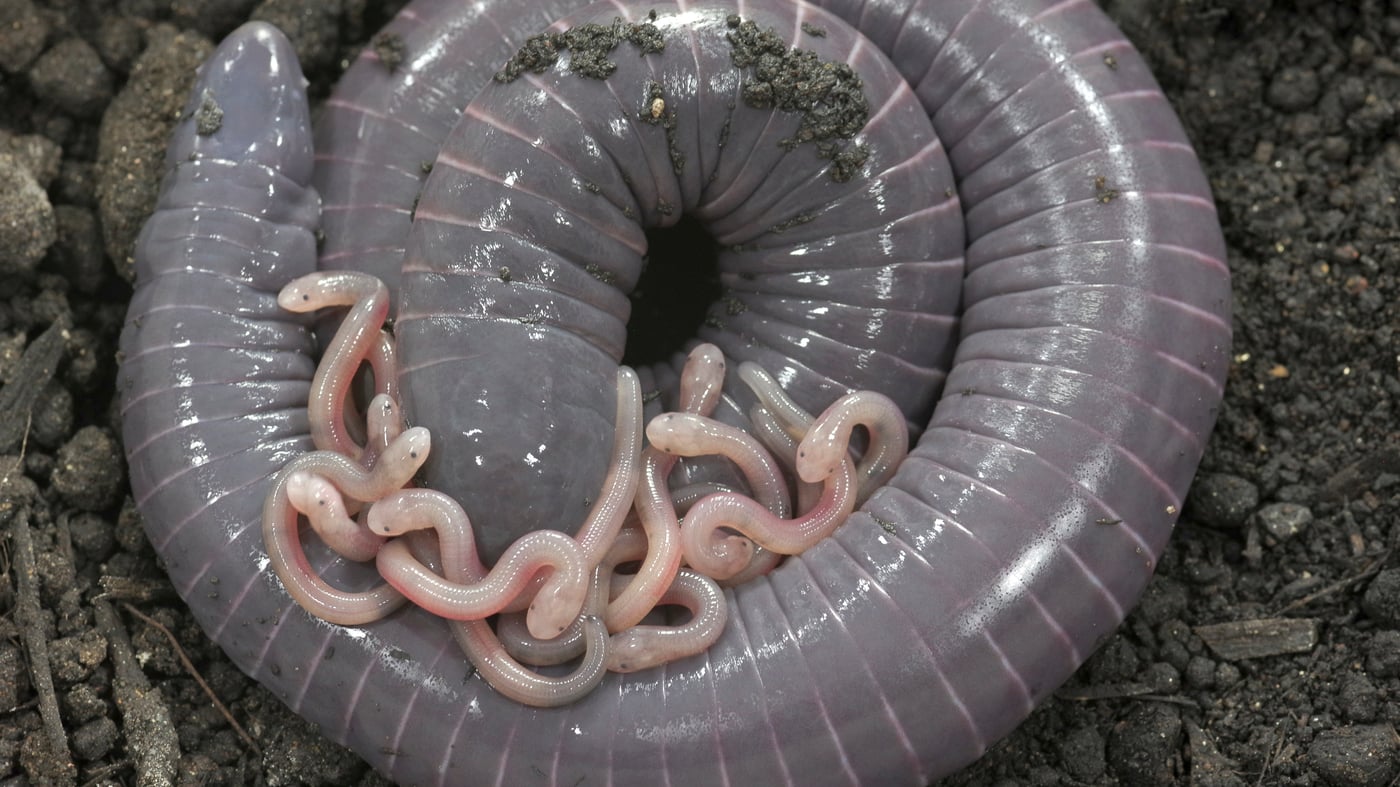
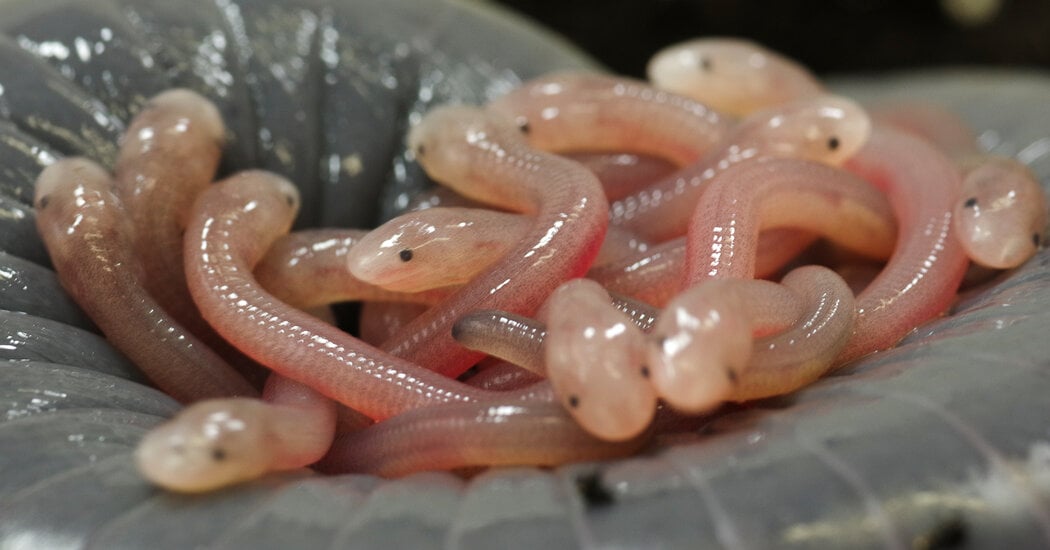
Researchers have discovered that a species of egg-laying caecilian amphibians produce milk to nurse their young, a behavior previously thought to be exclusive to mammals. The mother caecilians have specialized glands in their oviduct walls that produce a fat and carbohydrate-rich milk, which the hatchlings eagerly consume. This discovery challenges previous assumptions about milk production and parental care in vertebrates, highlighting the diverse strategies that have evolved across different animal groups.
science1 year ago

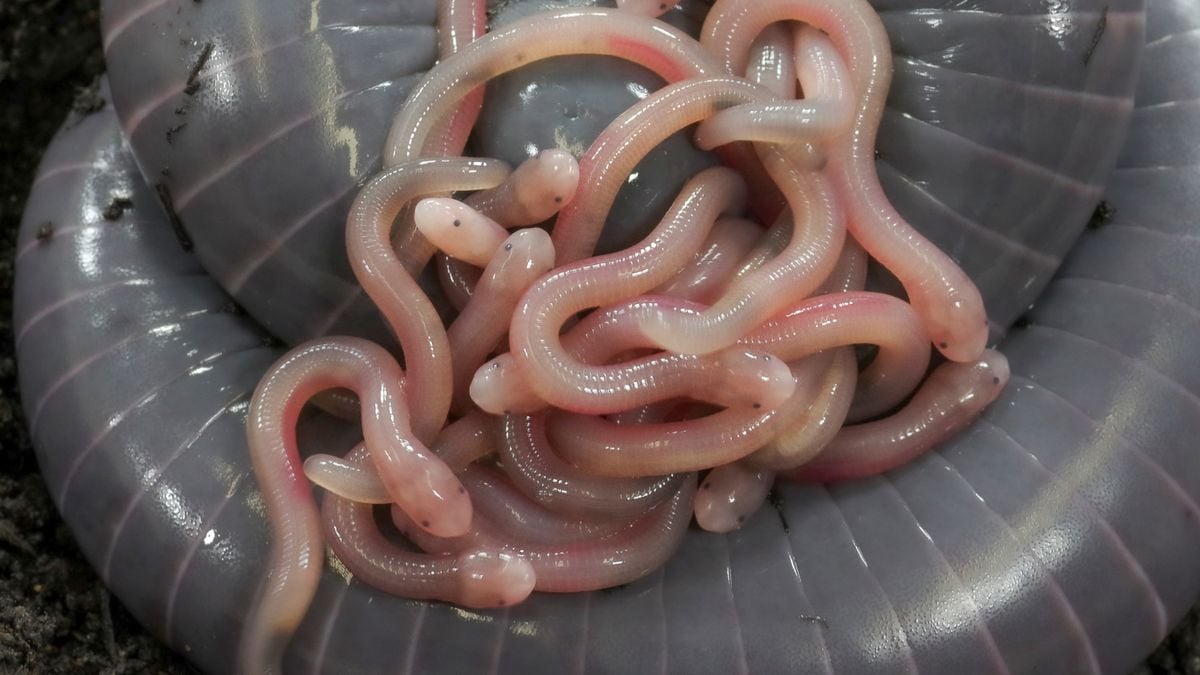
"Unique Video Captures Worm-Like Creature Feeding Young with Butt 'Milk'"

In a first-of-its-kind video, a female Brazilian ringed caecilian was documented feeding its offspring with a milk-like substance secreted from its anus, marking the first time this behavior has been observed in caecilians. The offspring communicate with physical touch and sounds to encourage the mother to release the liquid, which is rich in long chain fatty acids. This discovery sheds light on the little-understood maternal care and reproductive behaviors of caecilians, opening new areas of research for amphibian biology and evolutionary biology.

biology1 year ago

"Unusual Amphibians: Milk-Secreting Moms and Begging Offspring"

Researchers studying ringed caecilians in Brazil have discovered that the wormlike amphibians produce milk to feed their young, a behavior typically associated with mammals. The milk, mainly composed of lipids and carbs, is released through the maternal vent in response to tactile and acoustic stimulation by the babies. This finding sheds light on the diverse ways in which maternal care and nutrition are provided in the animal kingdom, showcasing the concept of convergent evolution.

biology1 year ago

"Amphibians: The Surprising Milk-Feeding Parents"

Researchers have discovered that a species of caecilian, a worm-like amphibian, produces a milk-like substance to feed its young, a trait previously thought to be exclusive to mammals. The substance contains lipids and sugars similar to mammalian milk and serves a similar nutritional function. This finding suggests convergent evolution, where different species develop similar traits to address common challenges, and highlights the creative solutions nature provides across diverse animal groups.

biology2 years ago

"Unusual Appetites: Amphibian Offspring Devour Mother's Skin"

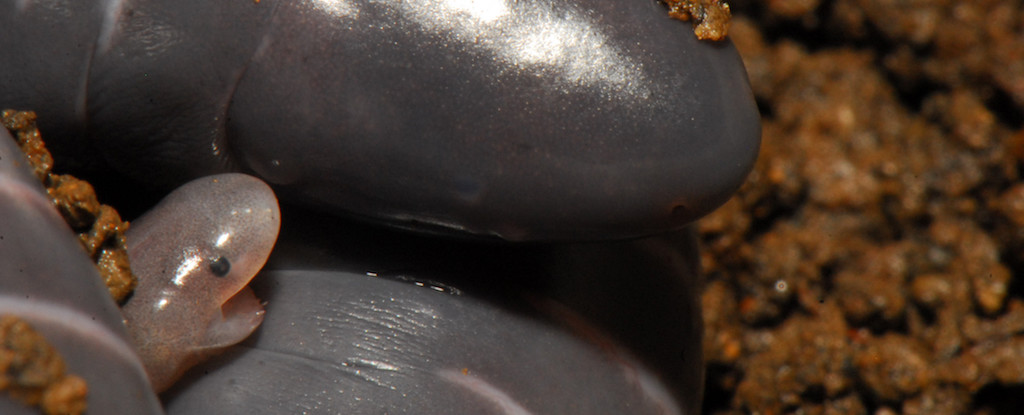
Caecilians, legless amphibians, have been found to pass on their microbiomes to their offspring through a unique behavior called skin-feeding. Baby caecilians scrape off their mother's dead skin and consume it, allowing the transfer of microbiomes and potentially inoculating their immune systems. This is the first known instance of microbiome transmission among amphibians. Caecilians have evolved sophisticated parenting strategies, such as giving birth to fully-formed offspring or donating an outer layer of skin to their newly hatched young. However, many questions remain unanswered about this behavior and its implications for caecilians and other amphibians.

biology2 years ago

"Unprecedented Discovery: Enigmatic Creatures Nurture Offspring with Microbes"

Caecilian mothers have been found to grow a special fatty layer of skin that their offspring tear off and eat, providing nourishment and microbes for their young's microbiome. This is the first direct evidence of parental care and microbial transfer in any amphibian species. The study focused on the Congo caecilian, Herpele squalostoma, and found that juveniles obtained their microbiomes from both skin feeding and coiling with their mothers. Understanding the caecilian microbiome could shed light on the role of microbes in their overall health and ecological roles.

biology2 years ago

Surviving Judgment Day: The Unlikely Triumph of an Amphibian

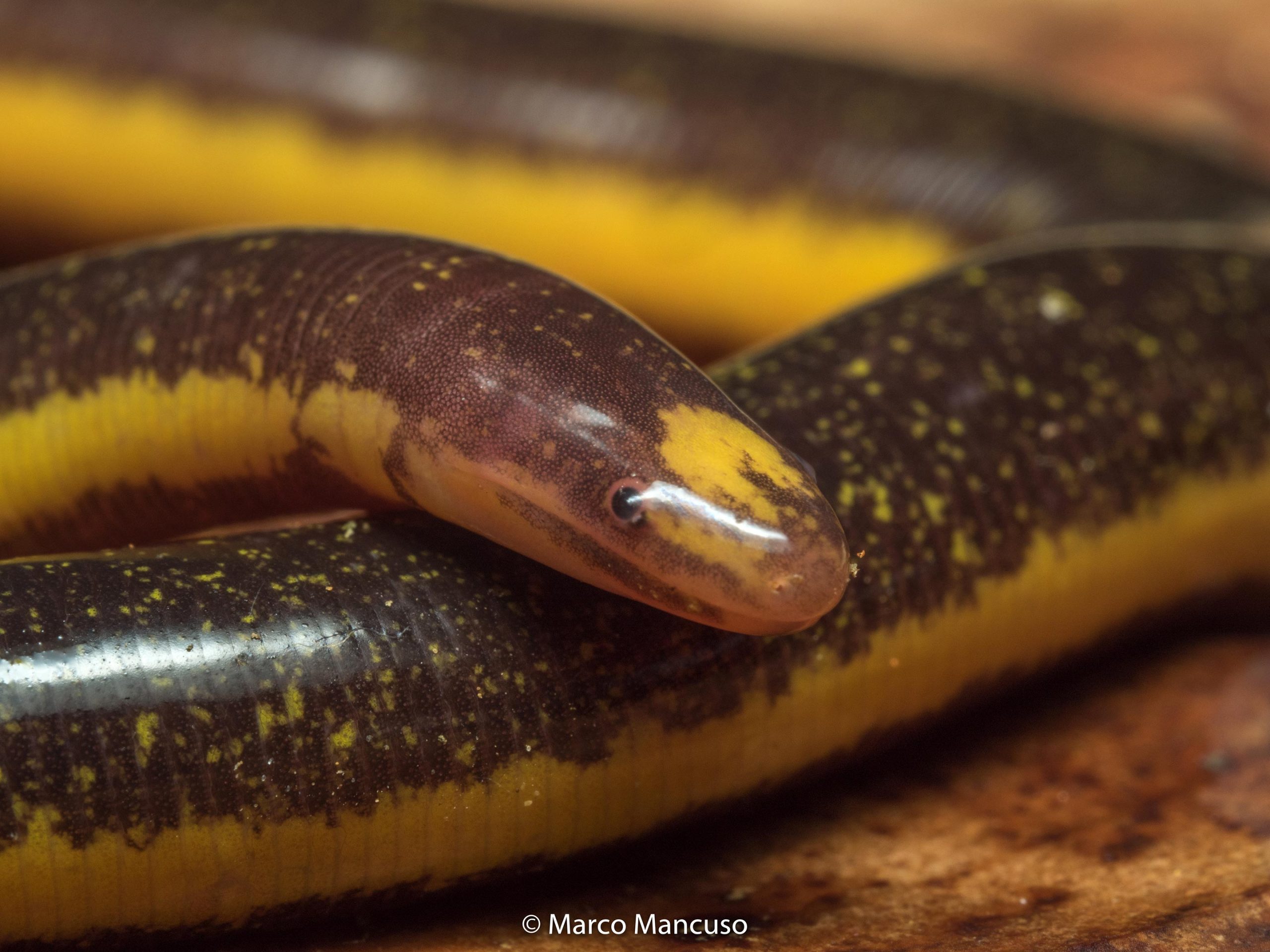
Researchers have discovered exceptional venom resistance in caecilians, a species of legless amphibians, believed to be an evolutionary response to predation by venomous elapid snakes. This resistance, developed through three unique biological mechanisms, provides a fascinating insight into predator-prey evolutionary dynamics. The study found that caecilians have evolved resistance to elapid snake venom neurotoxins at least 15 times, which is unprecedented. The caecilians achieved this resistance through the deployment of barricades, changes in receptor shape, and an electromagnetic "weapon" that repels the toxins. While the findings may not have direct human benefits, they contribute to our understanding of evolutionary interactions and can inspire the next generation of scientists.

science2 years ago

Surviving the Unthinkable: The Remarkable Tale of an Unlikely Amphibian

Researchers have discovered that caecilians, legless amphibians, have developed unprecedented resistance to snake venom. The rise of elapid snakes, such as cobras and coral snakes, posed a significant threat to caecilians, which were easy prey. However, caecilians evolved multiple ways to fight back, including blocking toxins from reaching receptors, changing the shape of receptors, and using electromagnetic repulsion. The study, which involved sequencing a part of the neuromuscular receptor, found that resistance to elapid snake venom neurotoxins has evolved at least 15 times. This research provides insights into predator-prey interactions and showcases an important evolutionary phenomenon.

biology2 years ago

Amphibians Break New Ground: Passing Microbes to Offspring

Researchers have discovered that caecilians, a type of amphibian that resembles a worm-snake hybrid, pass microbes to their offspring through unique parenting behaviors such as skin-feeding and coiling. This is the first direct evidence of parental care in an amphibian playing a role in transmitting microbes from one generation to the next. The study focused on a caecilian species from central Africa and found that juveniles shared some part of their skin and gut microbiome with their attending mother. The research sheds light on caecilian biology and contributes to the understanding of African microbes. Future studies will explore the benefits of microbiomes for caecilians and their health.