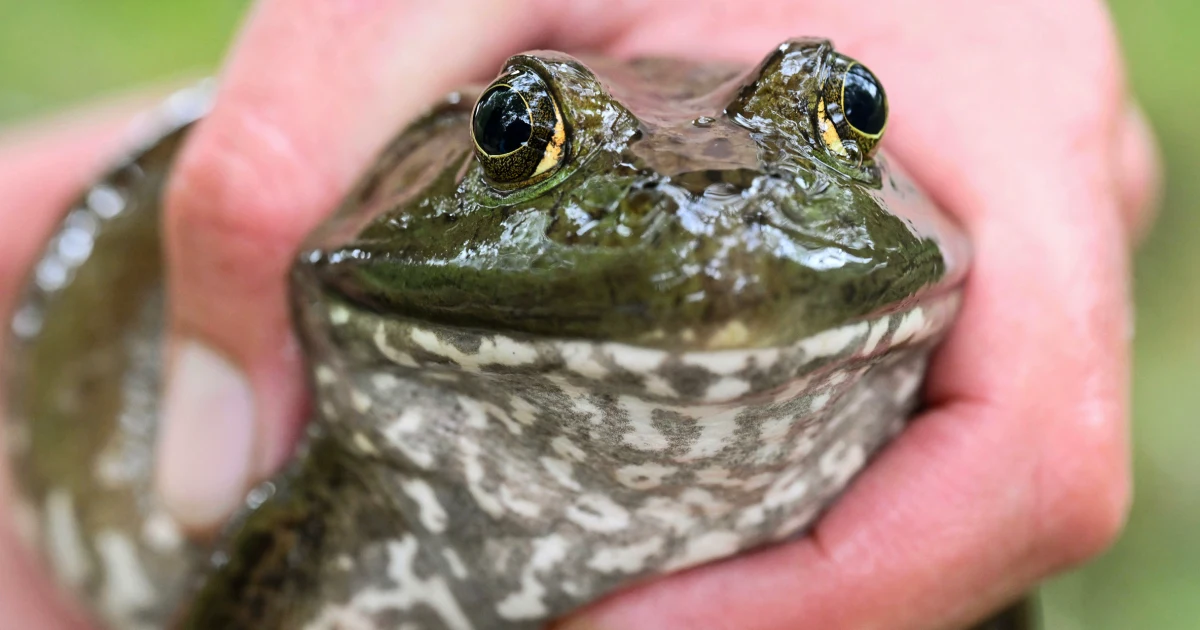
Scientists discovered that bacteria from the Japanese tree frog, Ewingella americana, can shrink and eliminate tumors in mice by attacking cancer cells and boosting the immune response, showing promise as a new cancer treatment, though further testing is needed for human application.
A protest frog in Portland was pepper sprayed by a federal agent during a demonstration, but continued to participate despite the spray, with a TikTok video of the incident gaining over 1.4 million likes.
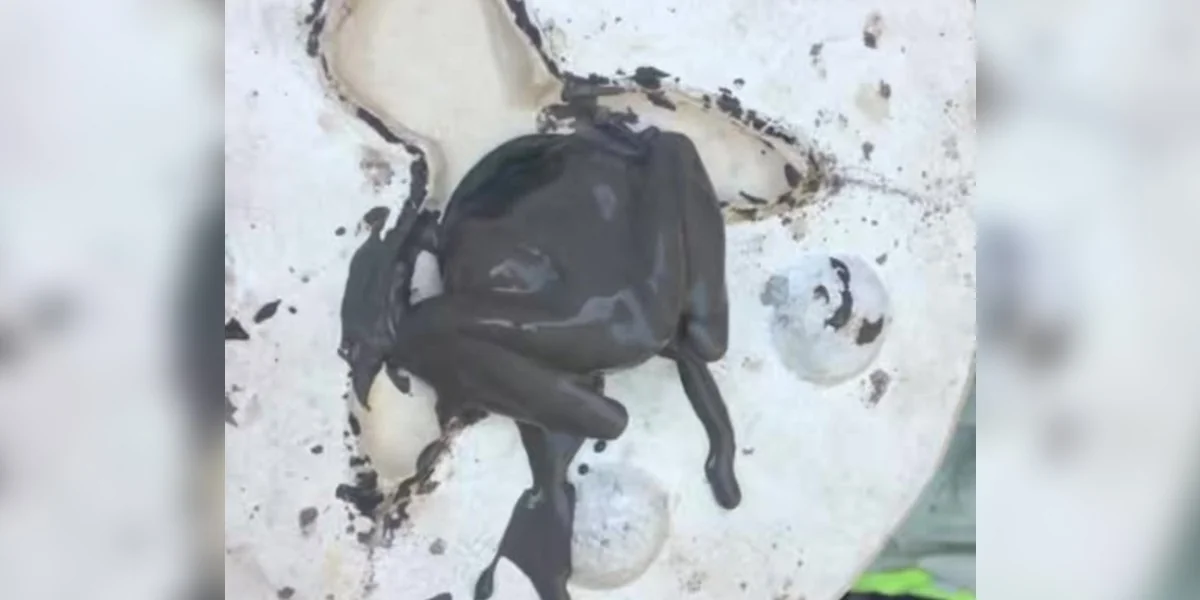
A Thai ceramic artist, Trevor Foster, discovered a live frog trapped in his mold and quickly rescued it, leading to a memorable encounter and inspiring a new ceramic series.
In 2013, a frog was unintentionally captured in a NASA launch photo during the LADEE spacecraft's launch from Wallops Flight Facility in Virginia, creating a memorable and unusual image. The frog's condition remains uncertain, but the incident highlights the coexistence of wildlife and space activities at launch sites, which often serve as protected habitats for various species.
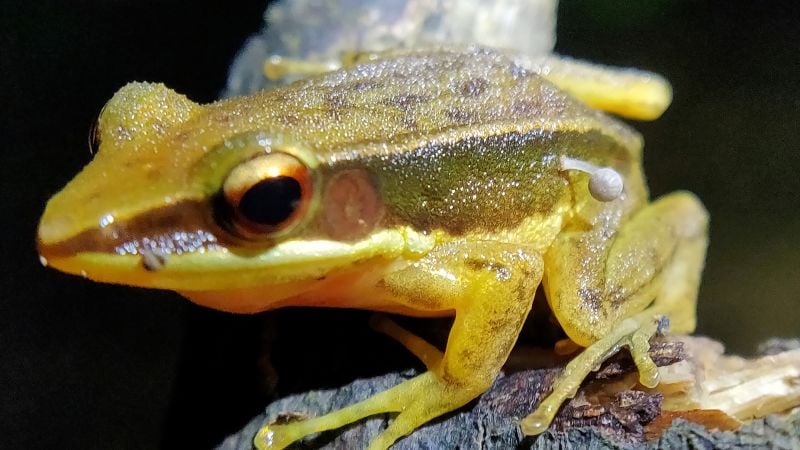
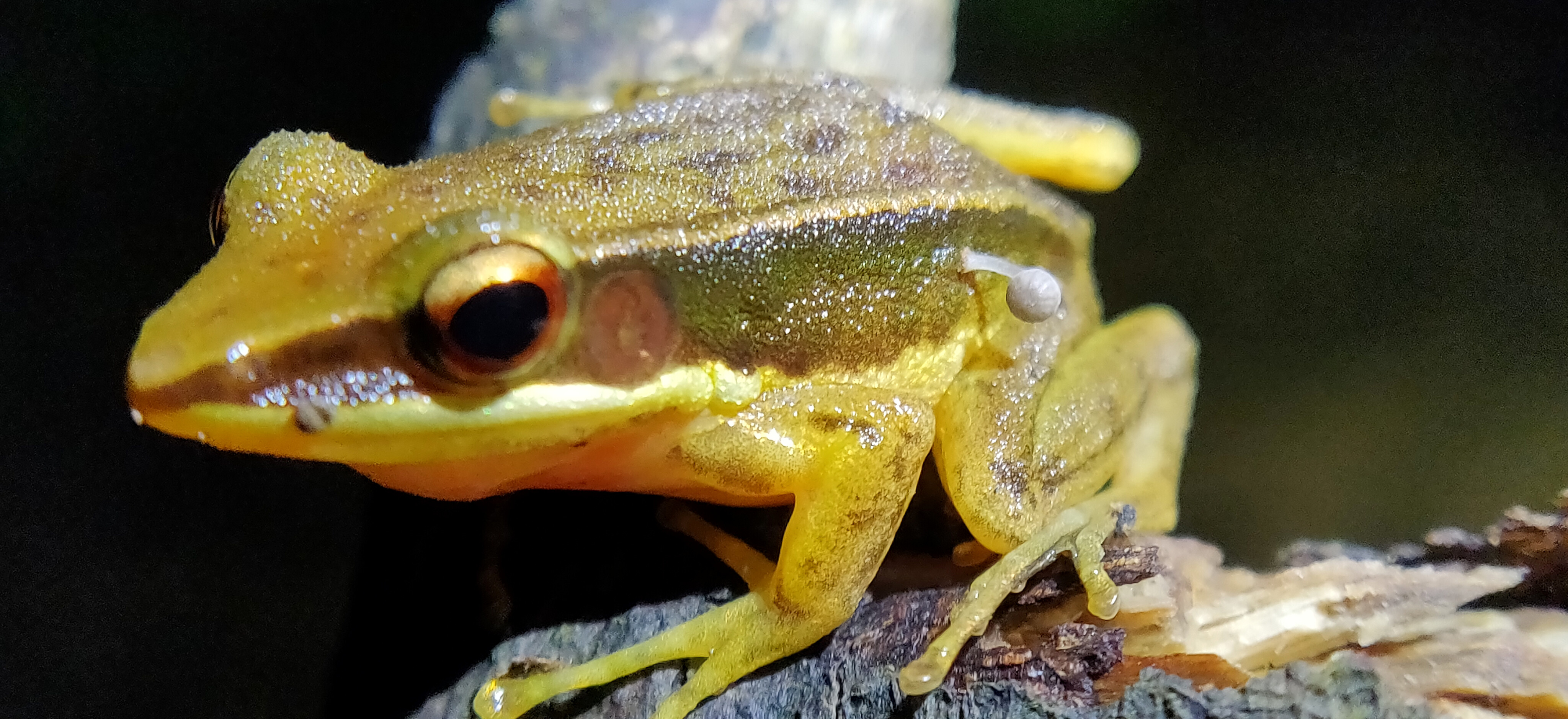
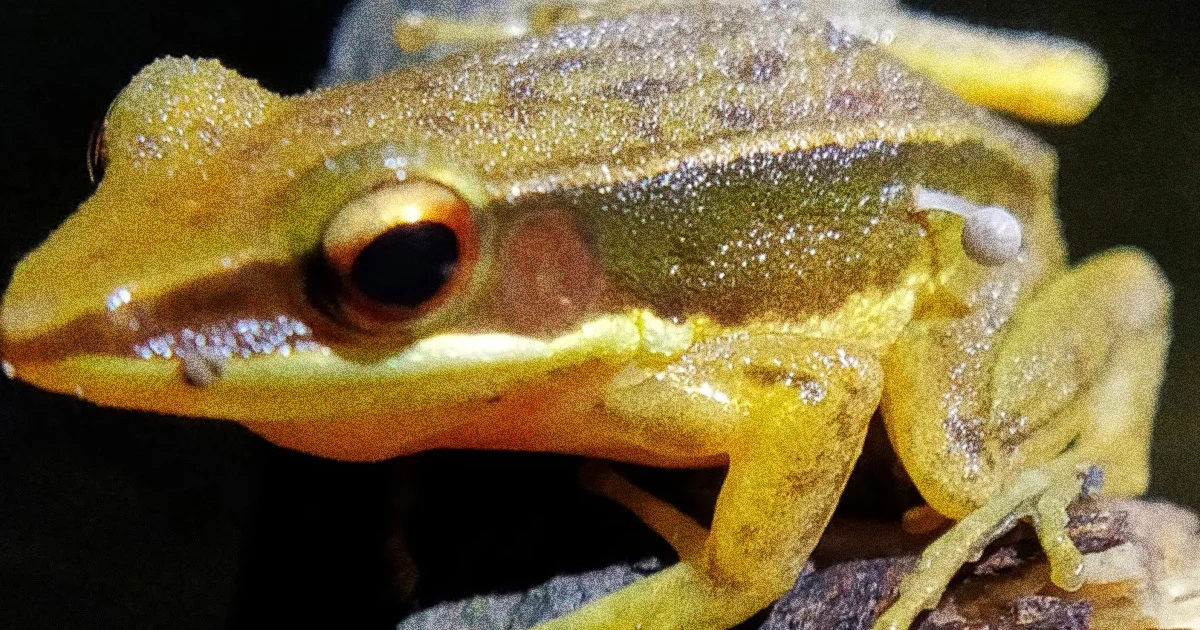
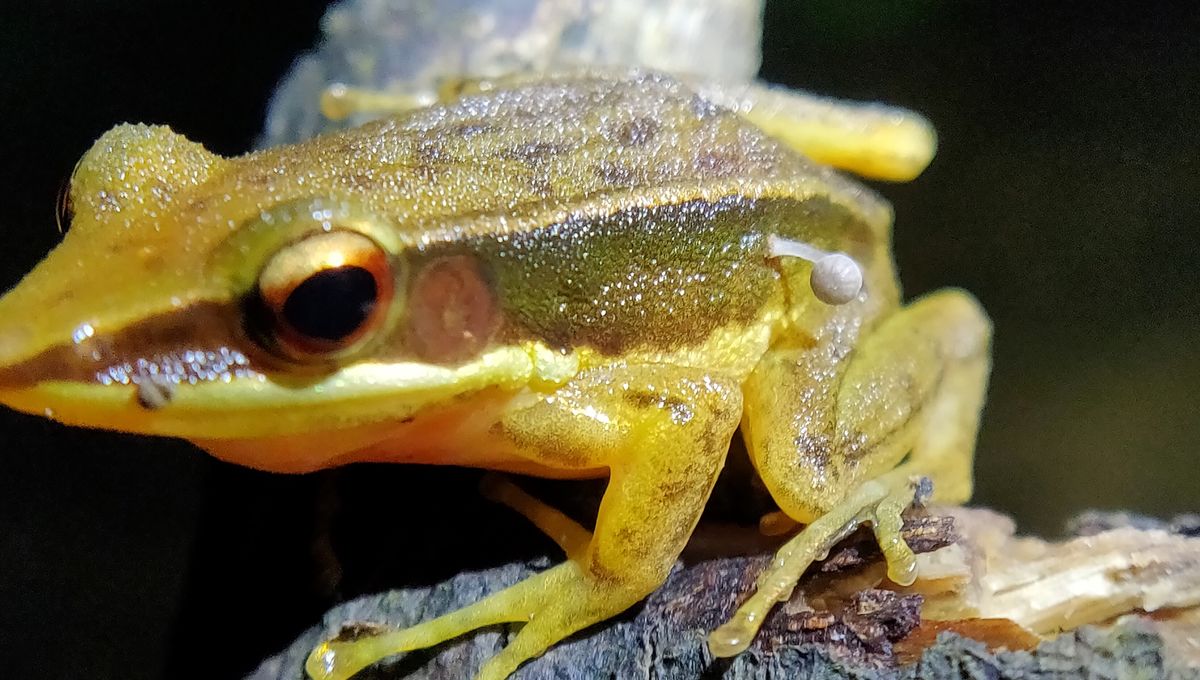
Naturalists in India discovered a golden-backed frog with a mushroom sprouting from its side, a phenomenon never documented before. The frog, found in Karnataka, is of a species known as Rao’s intermediate golden-backed frog. The cause and fate of the frog are unknown, but mycologists identified the mushroom as a common bonnet, a type of fungi that typically grows on dead wood. While the frog's prognosis is uncertain, researchers speculate on potential effects, including altered susceptibility to chytridiomycosis, a frog-killing disease.
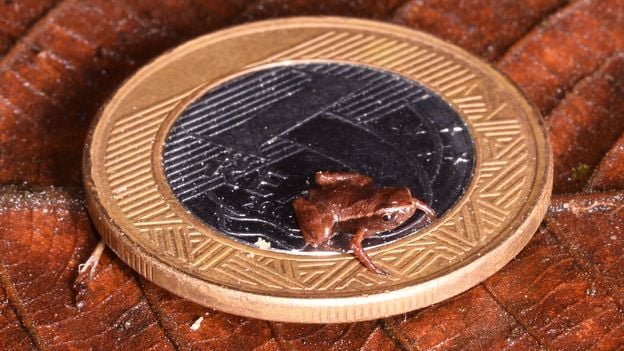
The Brazilian flea toad, Brachycephalus pulex, has been identified as the world's smallest vertebrate, with males measuring just over 7mm and females slightly larger at just over 8mm. While these tiny frogs face challenges in balance and movement due to their size, tracking them is crucial for conservation efforts as they play a critical role in ecosystem functioning. Scientists continue to explore and monitor the behavior and population dynamics of these tiny creatures to better understand and protect them.
Scientists were astonished to find a mushroom growing on the side of a living frog in the Western Ghats in India. The discovery of the small mushroom growing in living flesh was exciting and baffling, as fungi typically do not grow into mushrooms on living flesh. While it's unclear where the mushroom was getting its nutrients from, the possibility of it feeding off something on the frog's skin or piercing the frog's skin raises new questions about fungi and their relationship with living flesh.
A group of nature enthusiasts in India discovered a live frog with a mushroom sprouting from its side, a phenomenon never before reported. The observation, published in the journal Reptiles & Amphibians, surprised scientists due to the typically fatal pairing of frogs and fungus. While the exact identity of the mushroom remains obscured without samples, the discovery has sparked interest in the role of fungi in biodiversity and raised questions about the complex process that led to the mushroom growing on the frog.
Scientists in India's Western Ghats region were surprised to find a tiny golden-backed frog with a minuscule mushroom growing on its back during a nature walk. The frog and the mushroom both appeared to be alive, which was previously unheard of. While the exact type of mushroom is uncertain without physical evidence, the observation has astounded scientists and sparked curiosity for further exploration in the field of biology.
Researchers have documented the first case of a live frog hosting a tiny mushroom, discovered in a small pond in India. The frog, a Rao’s Intermediate Golden-backed frog, had a small Mycena species mushroom sprouting from its left flank. The discovery suggests the adaptability of the mushroom, which is typically found living off decayed organic matter. It remains unclear how the mushroom managed to get into the frog, but experts speculate that an injury or infection may have inadvertently allowed it. The fate of the frog is unknown, as it was not collected for further study.
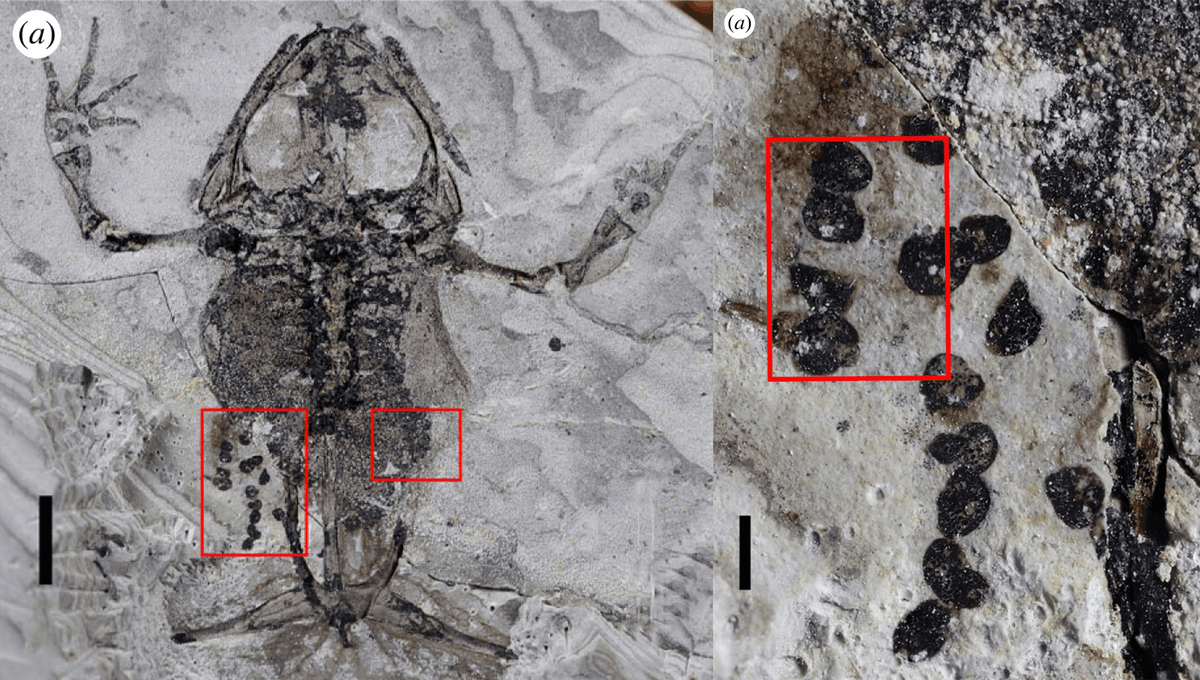
A 100-million-year-old fossilized frog with eggs in its belly has been discovered in China, offering a rare glimpse into the species' life history. The frog likely belonged to the species Gansubatrachus qilianensis and had egg masses in its body, indicating sexual maturation before adulthood. The researchers believe the frog may have met its end during mating, possibly drowned by an amorous male, making it the first Mesozoic case of death linked to mating behavior.
A woman in Southfield, Michigan, found a live frog in a container of spinach she purchased from a Meijer grocery store. She returned the package and the frog to the store, where workers released the frog and gave her a refund. The incident has been referred to the U.S. Food and Drug Administration, as authorities are unsure if the frog is native to the state. Taylor Farms, the owner of Earthbound Farm, apologized and promised to provide the freshest quality vegetables for consumers.
A woman in suburban Detroit found a live frog in a container of spinach she purchased from a Meijer grocery store. She returned the package and the frog to the store, where workers released the frog and gave her a refund. The incident has been referred to the U.S. Food and Drug Administration, as authorities are unsure if the frog is native to the state. Taylor Farms, the owner of Earthbound Farm, apologized and promised to provide the freshest quality vegetables.
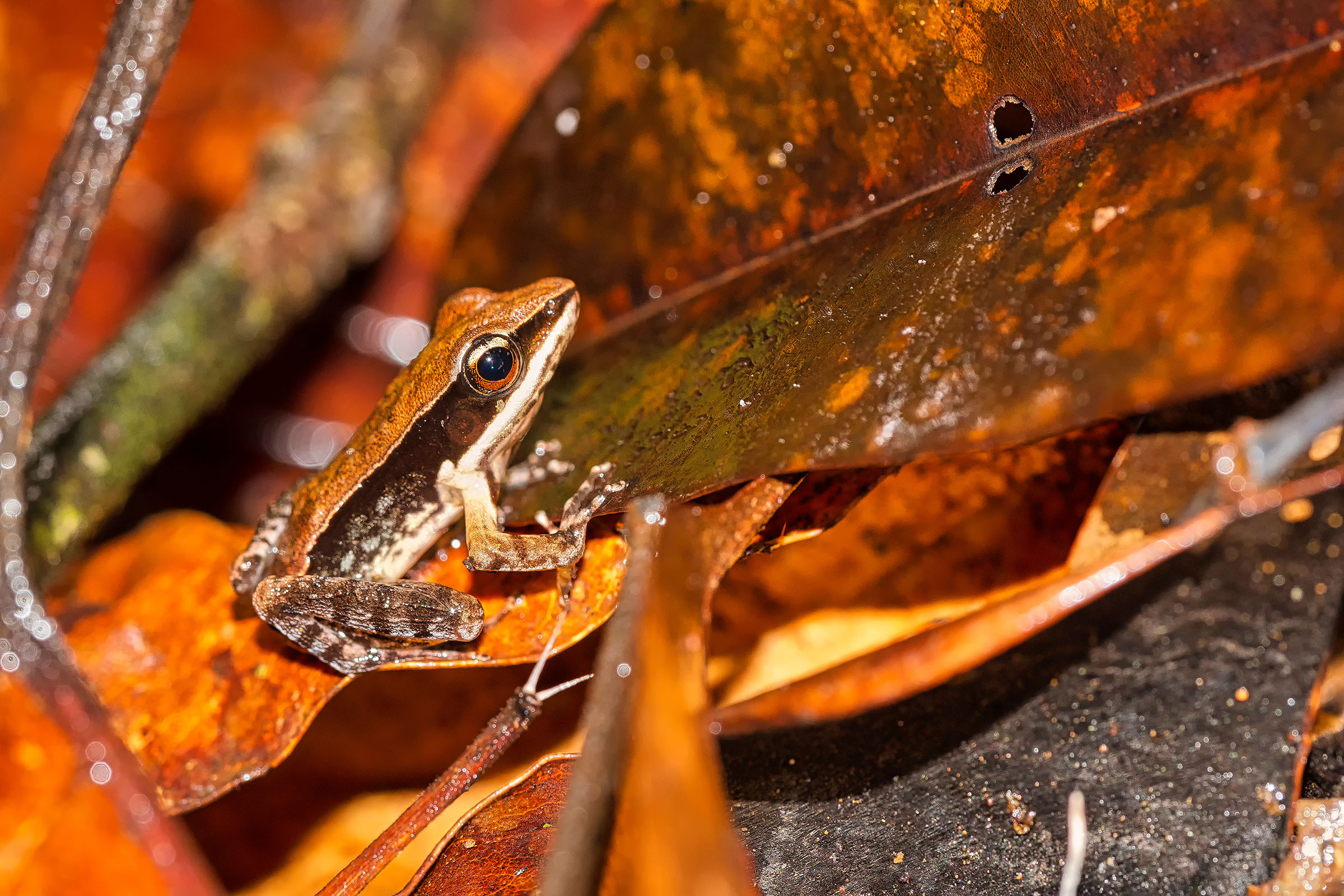
As King Charles prepares for his coronation, here are some fun facts about the future monarch, including a frog species named after him for his advocacy work towards protecting rainforests, his membership in the Magic Circle, and his mother's coronation, which he attended as a child and received a personal hand-painted invitation for. Additionally, Camilla Parker Bowles does not have her ears pierced and wears clip-on jewelry, and is a big advocate for literacy, with "Pride and Prejudice" being her favorite book.