Tag

Defense Mechanism

All articles tagged with #defense mechanism

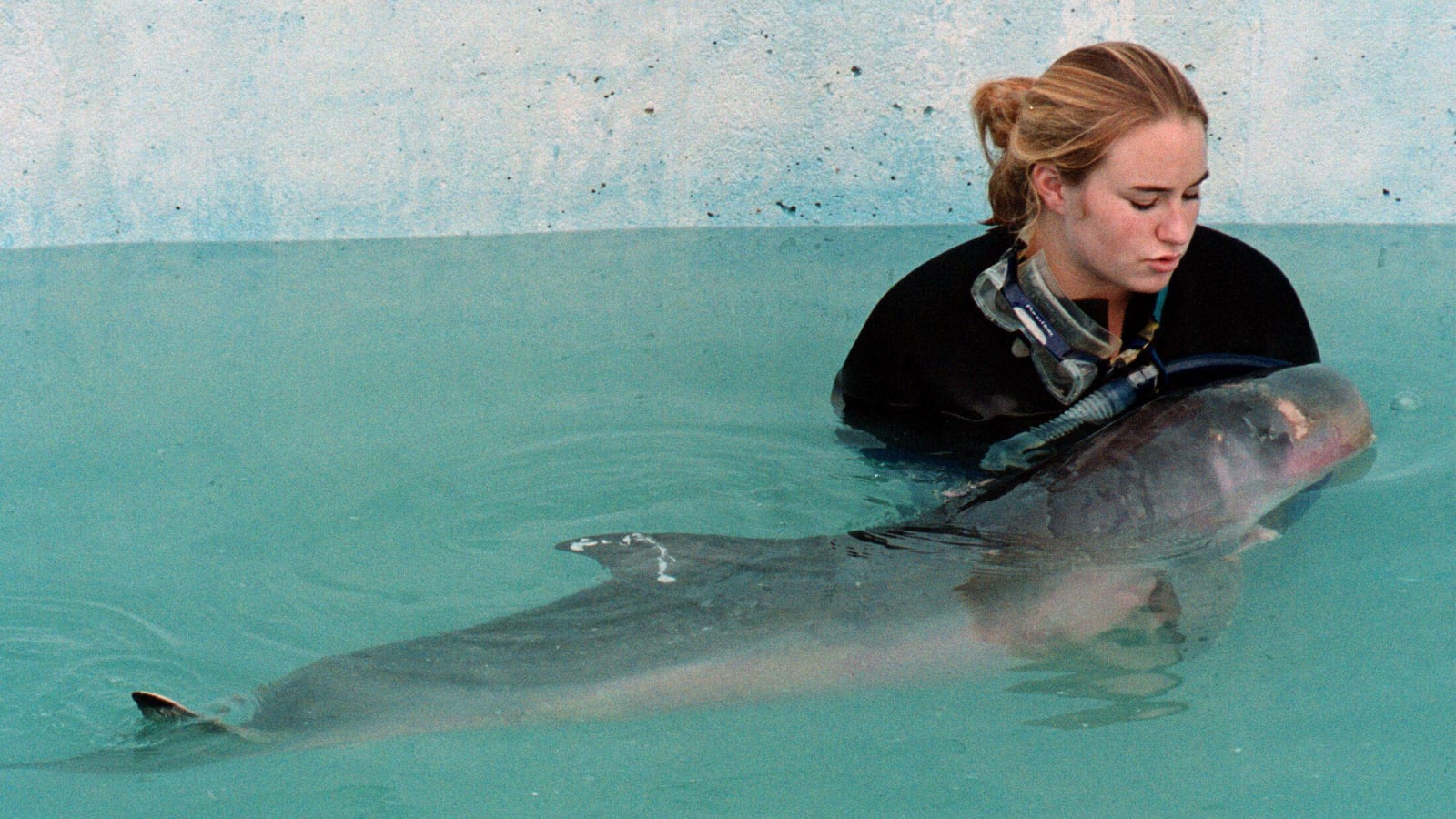
Dwarf Sperm Whales: Tiny Creatures That Release Gutsful of Fluid When Alarmed

Originally Published 6 months ago — by Live Science

Featured image for Dwarf Sperm Whales: Tiny Creatures That Release Gutsful of Fluid When Alarmed
Source: Live Science

Dwarf sperm whales, the smallest whale species, defend themselves by releasing gallons of reddish-brown intestinal fluid when startled, which obscures predators' view and aids in escape. They inhabit deep tropical and temperate waters, feeding on deep-sea creatures, and are threatened by predators like sharks and orcas, as well as human activities.

"Sperm Whales' Unconventional Defense: Using Giant Poop Bombs to Thwart Orca Attacks"

Originally Published 1 year ago — by The News International

Featured image for "Sperm Whales' Unconventional Defense: Using Giant Poop Bombs to Thwart Orca Attacks"
Source: The News International

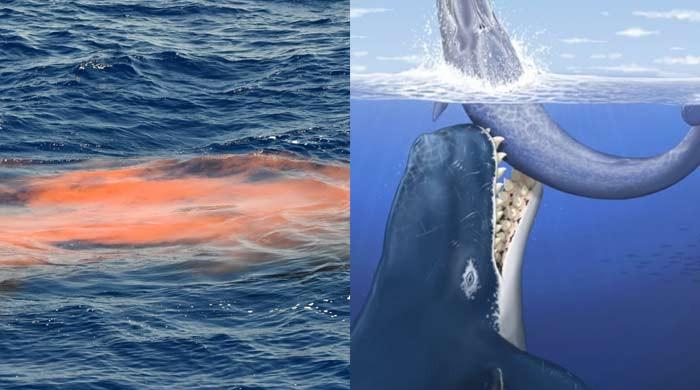
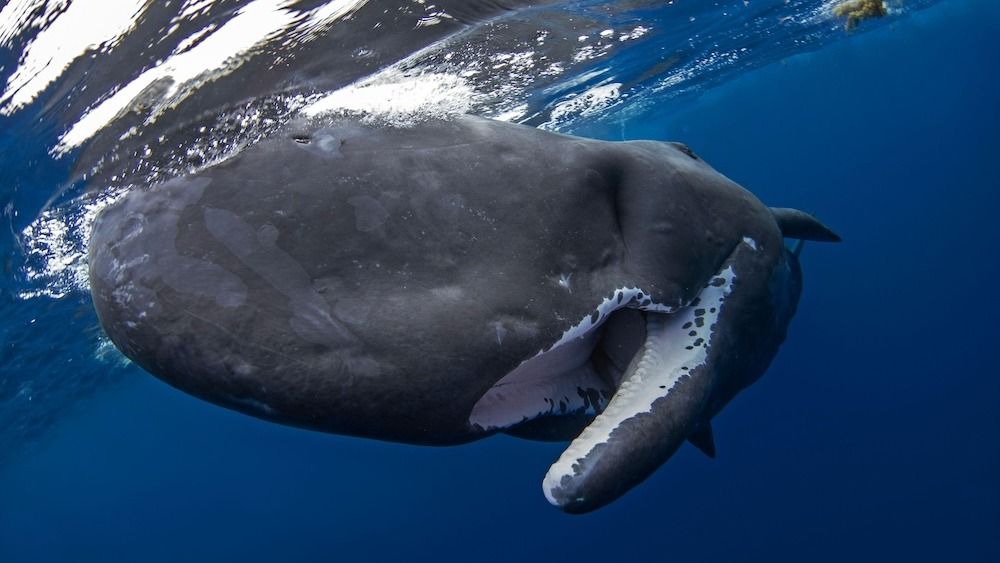
Sperm whales off the coast of Western Australia were observed using a unique defense mechanism against a group of killer whales by releasing a large cloud of reddish-colored poop, known as "defense defecation." This strategy helped the sperm whale pod escape a potentially fatal attack by at least 30 killer whales, as the cloud of diarrhea confused and deterred the attackers. Marine biologists witnessed this rarely seen behavior during a whale-watching excursion in the Bremer Canyon.

"Sperm Whales' Unconventional Defense: Using Giant Poop Bombs to Thwart Orca Attacks"

Originally Published 1 year ago — by Livescience.com

Featured image for "Sperm Whales' Unconventional Defense: Using Giant Poop Bombs to Thwart Orca Attacks"
Source: Livescience.com

Sperm whales in Western Australia used a rarely witnessed defense mechanism by releasing a large plume of poop to drive away a pod of orcas that were about to attack them. This strategy, known as "defense defecation," involved the whales forming a circle and fanning their tails to propel their excrement towards the orcas. The event, witnessed by scientists and tourists, helped the sperm whale pod escape the potential fatal attack, showcasing the whales' clever defense tactics in the face of adversity.

"Sperm Whales' Defensive Strategy: Giant Poop Bombs to Ward Off Orcas"

Originally Published 1 year ago — by Yahoo Life

Featured image for "Sperm Whales' Defensive Strategy: Giant Poop Bombs to Ward Off Orcas"
Source: Yahoo Life

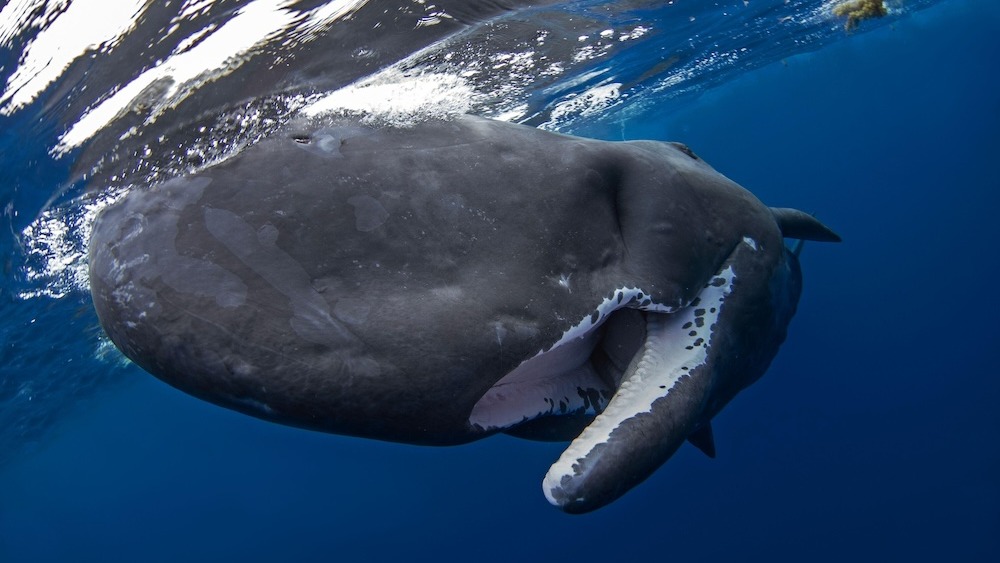
Sperm whales in Western Australia used a unique defense strategy by releasing a large cloud of reddish-colored poop to fend off an impending attack by a group of orcas. This rarely seen defense mechanism, known as "defense defecation," involved the whales forming a circle and fanning their tails to drive their excrement towards the orcas. The strategy worked, and the orcas swam off in search of fresher waters, showcasing the clever tactics employed by sperm whales in the face of potential threats.

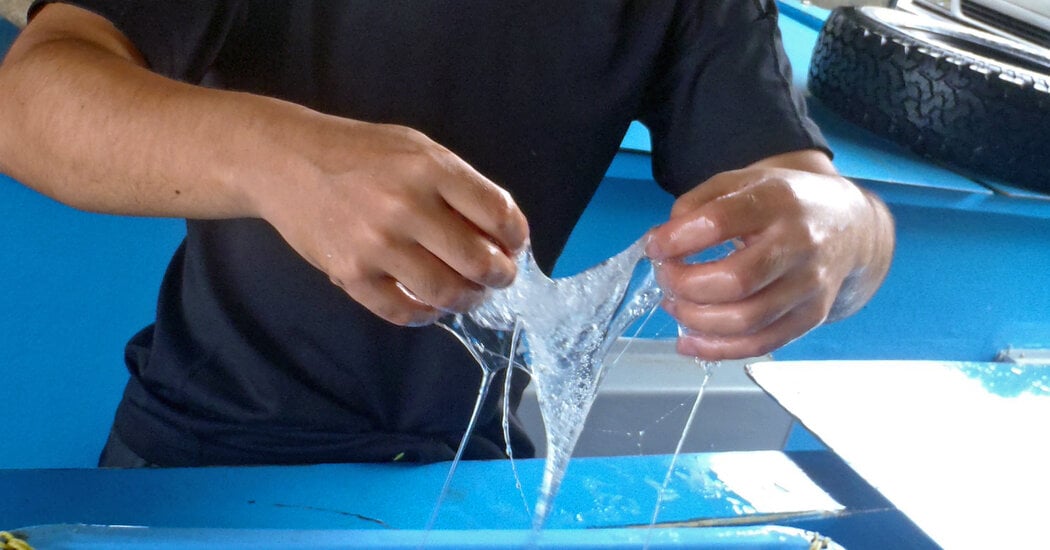
Unveiling the Evolutionary Secrets of the Slimiest Sea Creature through Genomic Sequencing

Originally Published 2 years ago — by The New York Times

Featured image for Unveiling the Evolutionary Secrets of the Slimiest Sea Creature through Genomic Sequencing
Source: The New York Times

Scientists have sequenced the genome of the hagfish, a deep-sea scavenger known for its defense mechanism of releasing copious amounts of mucus when threatened. The study revealed that the hagfish's ancestors tripled the size of their genome after diverging from jawed vertebrates more than half a billion years ago, shedding light on the evolutionary history of early vertebrates.

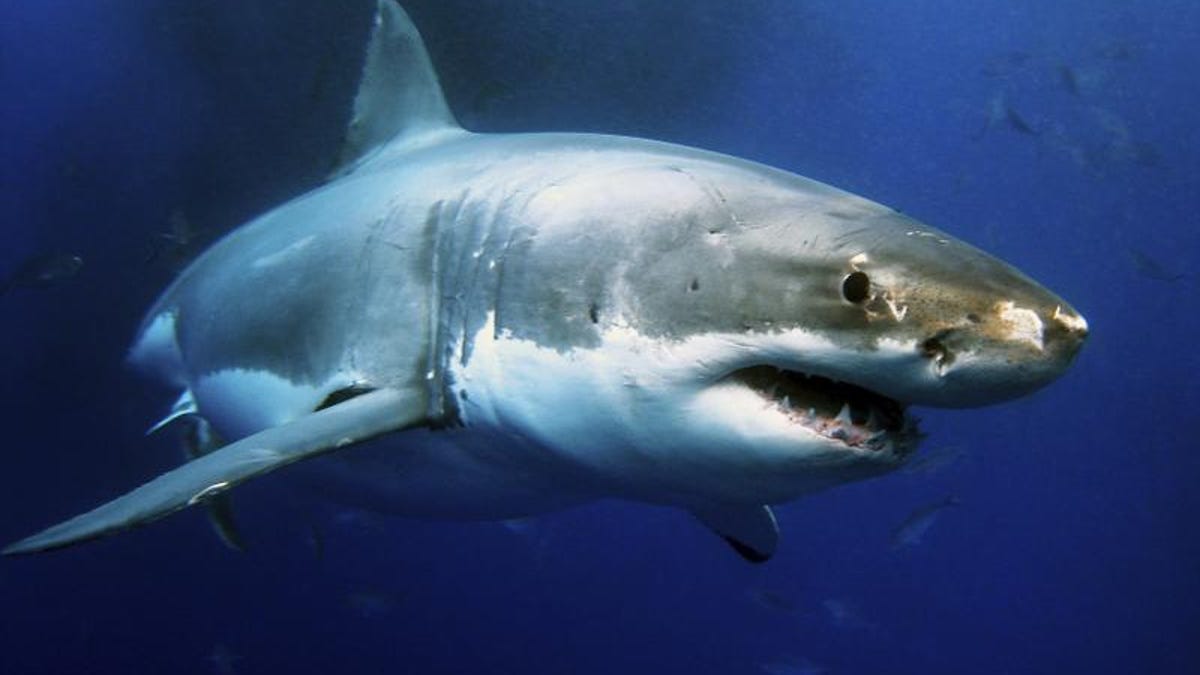
Seals Unite to Defend Pod Against Great White Shark Invasion

Originally Published 2 years ago — by USA TODAY

Featured image for Seals Unite to Defend Pod Against Great White Shark Invasion
Source: USA TODAY

In footage from the first episode of "Planet Earth III," a pod of seals is seen mobbing and driving away a great white shark that had infiltrated their seal colony off the coast of Africa. The mobbing technique is a common defense mechanism used by seals to protect themselves from predators. Despite the surprise attack, the Robberg Peninsula remains an important habitat for the vulnerable shark, which could be their last refuge in Africa. The series, narrated by David Attenborough, premiered on BBC America and AMC+.

"Plant Communication: Unveiling the Intricate Warning System Amongst Flora"

Originally Published 2 years ago — by The Washington Post

Featured image for "Plant Communication: Unveiling the Intricate Warning System Amongst Flora"
Source: The Washington Post

A new study published in Nature Communications has shed light on how plants communicate and warn each other of danger. When a plant is injured, it emits certain chemical compounds that can infiltrate a healthy plant's tissues and activate its defense mechanisms. This discovery could help scientists and farmers fortify plants against insect attacks or drought by triggering stress responses in advance. The study also revealed that plants communicate through volatile organic compounds, with green leafy volatiles playing a crucial role in signaling and activating defense responses. Further research is needed to understand the specific receptors involved in this communication process.

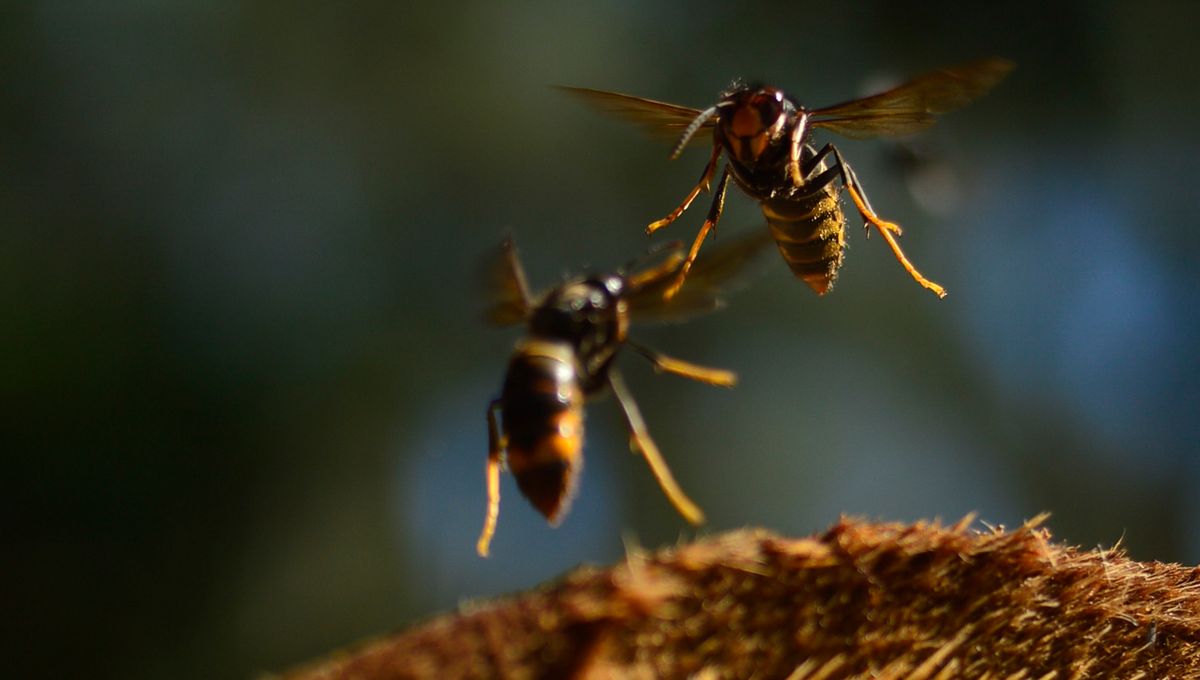
"Bumblebees' Ingenious Defense: Unraveling the Evolutionary Coincidence with Asian Hornets"

Originally Published 2 years ago — by IFLScience

Featured image for "Bumblebees' Ingenious Defense: Unraveling the Evolutionary Coincidence with Asian Hornets"
Source: IFLScience

Researchers have discovered that buff-tailed bumblebees have a remarkable defense strategy against invasive Asian hornets. When attacked, the bumblebees drop to the ground, causing the hornets to lose their grip or fall as well. This allows the bumblebees to wrestle with the hornets until they give up and leave. However, despite their successful defense, the presence of Asian hornets still negatively impacts the growth of bumblebee colonies.

"Russia's Tu-95 Bombers Get Tire-Wrapped Wings for Enhanced Performance"

Originally Published 2 years ago — by Bulgarian Military

Featured image for "Russia's Tu-95 Bombers Get Tire-Wrapped Wings for Enhanced Performance"
Source: Bulgarian Military

Russia has covered the wings of its Tu-95 strategic bombers stationed at the Engels-2 air base with car tires as a makeshift defense against potential drone attacks. The idea is that the rubber tires will absorb the impact of a drone, reducing the force transferred to the aircraft and preventing significant damage. While this approach is unconventional, it demonstrates ongoing efforts to find innovative ways to protect against emerging threats. However, the effectiveness of the tires will depend on various factors, and there is a risk of fire or explosion upon impact.

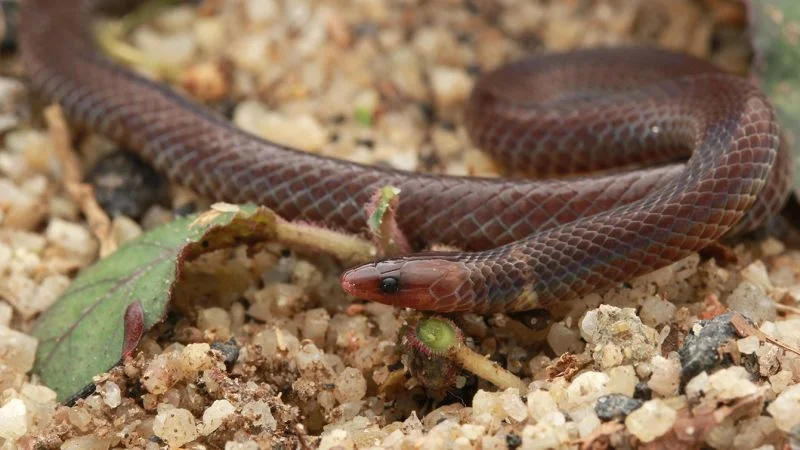
Cartwheeling Snake Evades Danger, Scientists Discover

Originally Published 2 years ago — by CNN

Featured image for Cartwheeling Snake Evades Danger, Scientists Discover
Source: CNN

Researchers have discovered that the dwarf reed snake, found in Southeast Asia, can cartwheel as a means of escape from predators. The behavior was documented for the first time in a paper published in the Biotropica journal. The snake performs active cartwheeling by repeatedly launching the coils of its body into the air and rolling down inclines. The behavior startles and confuses visually oriented predators and leaves a patchy scent trail that could throw predators off their scent, giving the snake more time to escape.