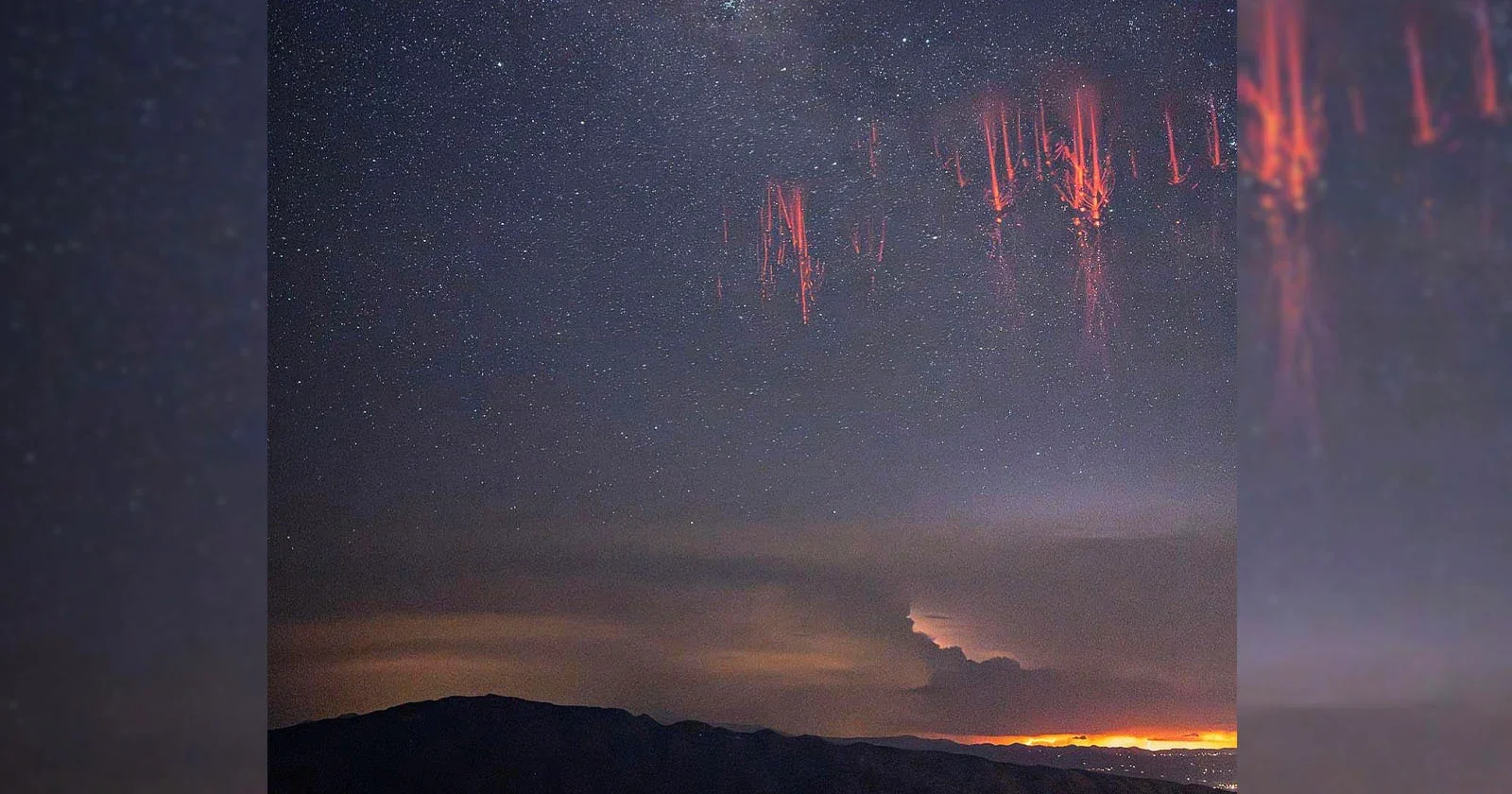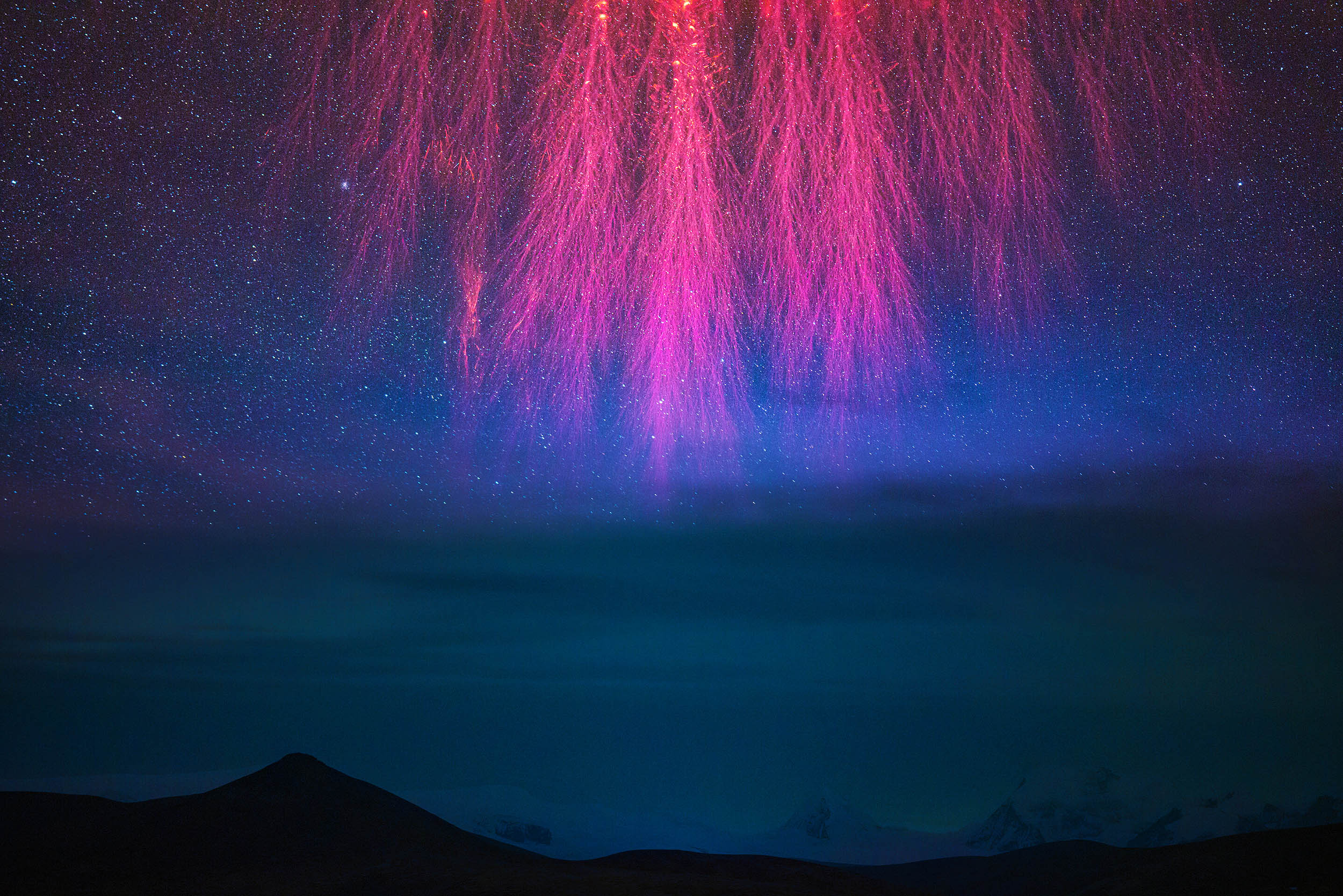
A rare and spectacular display of over 100 red sprites was captured above the Himalayas, revealing complex upper-atmospheric electrical discharges triggered by high-current lightning strikes in a massive storm system, providing insights into atmospheric chemistry and climate interactions.
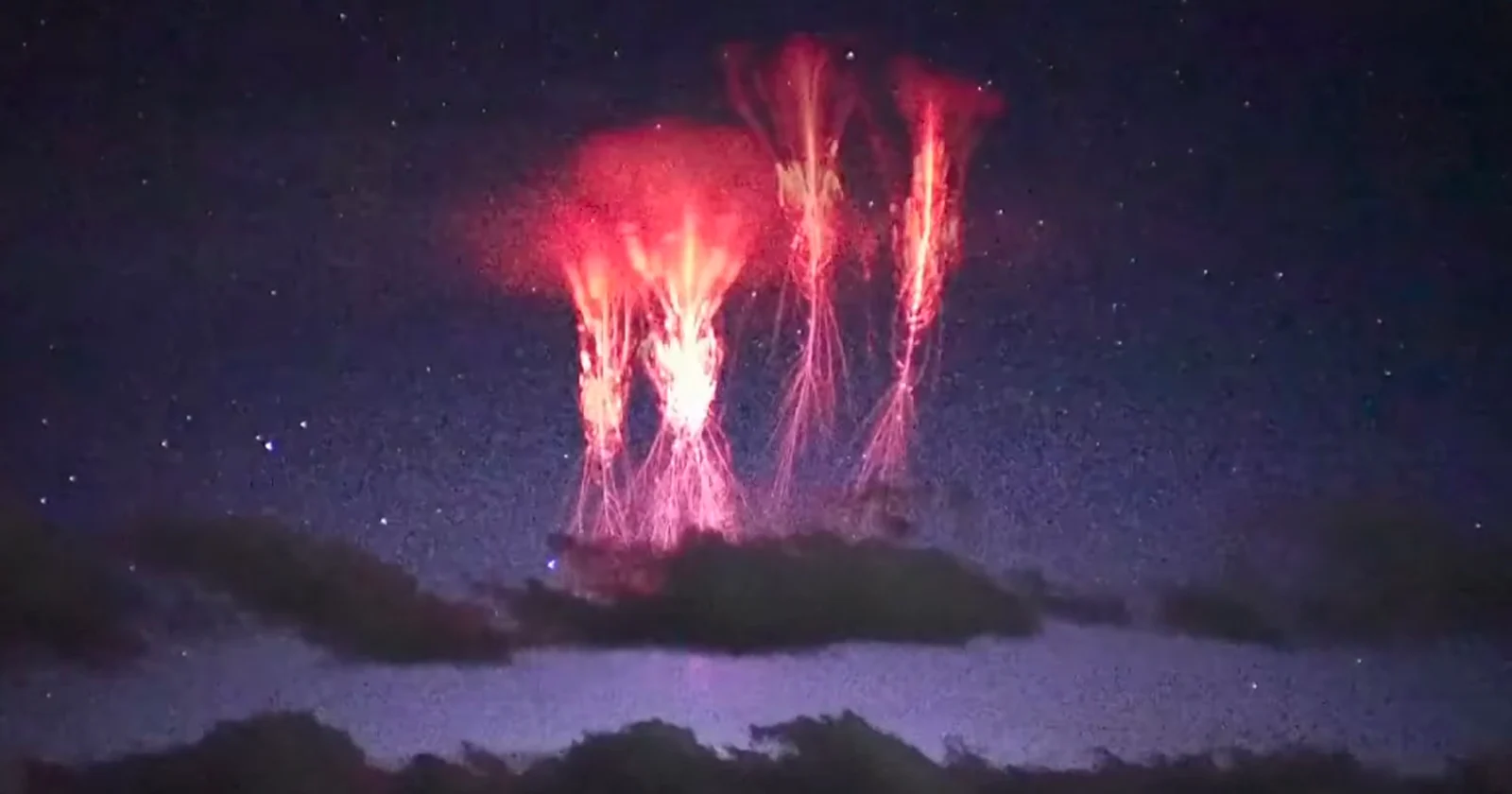
A rare red sprite lightning event was captured in Tibet by astrophotographer Dong Shuchang, showcasing an extraordinary atmospheric phenomenon that illuminates the night sky and provides valuable scientific insights, while also captivating social media users worldwide.
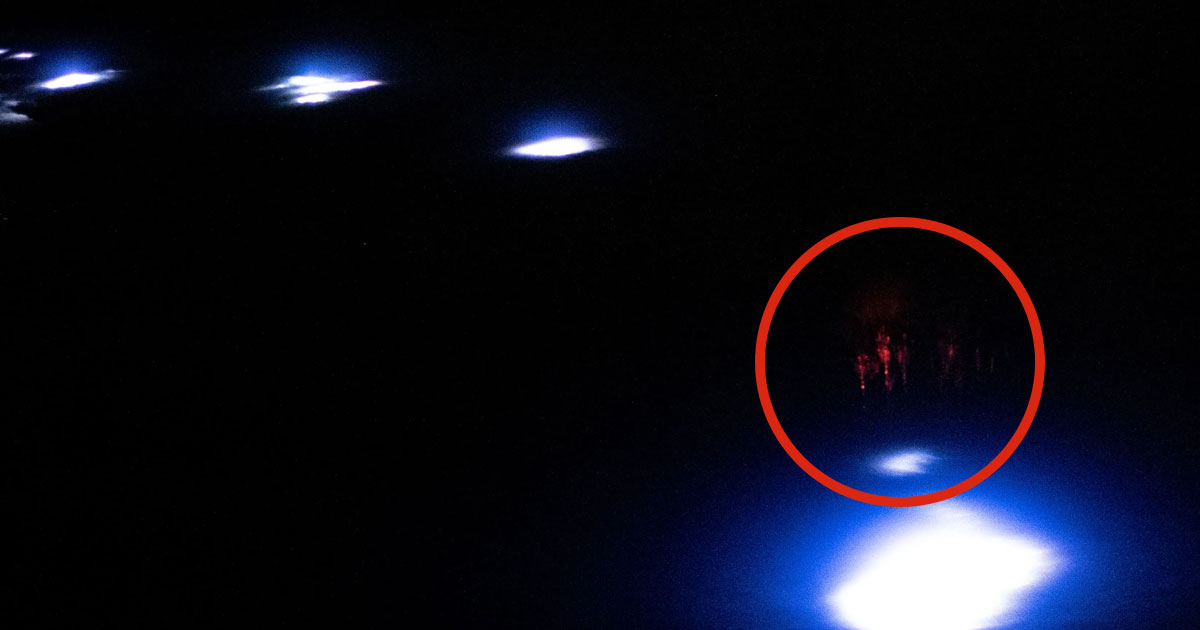
NASA astronaut Matthew Dominick captured images of mysterious blue orbs and red sparks from the International Space Station, which are identified as lightning strikes and rare weather events called "red sprites." These phenomena, related to powerful lightning events, are still not fully understood and are part of NASA's "Spritacular" citizen science project to crowdsource images of sprites.
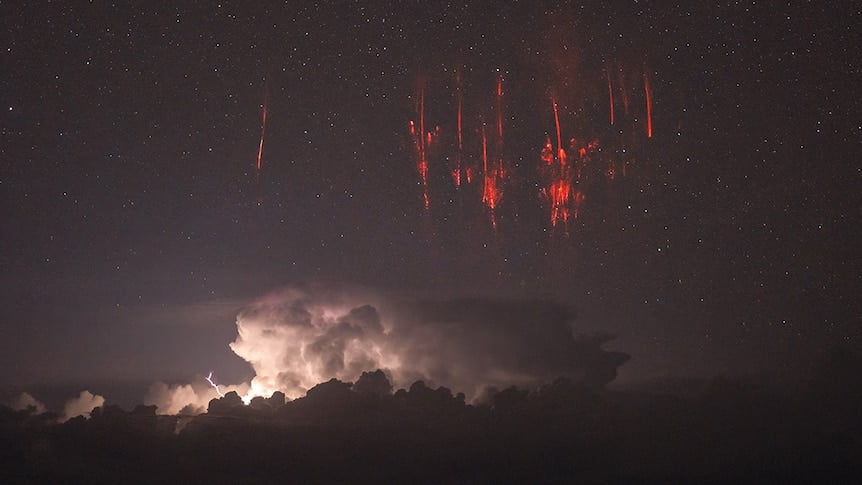
Nature photographer JJ Rao captured rare red sprites, large electrical discharges that form high above active thunderstorms, in the skies over Western Australia's Kimberley region. The sprites, almost impossible to see with the naked eye, appeared as feathery tendrils of reds and purples and were described as some of the most intricate natural phenomena in the world. Astrophysicist Brad Tucker highlighted the rarity of capturing red sprites on camera and emphasized the importance of studying and mapping them for future research.
Astronaut Andreas Mogensen captured a rare video of a red sprite, a type of Transient Luminous Event (TLE), hovering above a thundercloud from low Earth orbit. Red sprites are elusive and spectacular phenomena that occur above thunderstorms and have captivated scientists and sky-watchers. They were discovered in the late 20th century and are part of a family of upper-atmospheric phenomena linked to thunderstorm activity. Red sprites offer valuable insights into atmospheric electricity and upper-atmosphere conditions, but studying them remains challenging due to their unpredictability and brief lifespan. Continued research and observation promise to uncover more secrets about these ephemeral lights and deepen our understanding of Earth's atmospheric dynamics.
European Space Agency astronaut Andreas Mogensen has captured an image of a rare electrical discharge known as a red sprite, or transient luminous event (TLE), from the International Space Station's Cupola observatory module. TLEs, which occur between 40 and 80 kilometers above the Earth, are rarely seen from the surface and are caused by a build-up of electrical charge within clouds. The study aims to better understand how lightning in the upper atmosphere affects greenhouse gas concentrations.
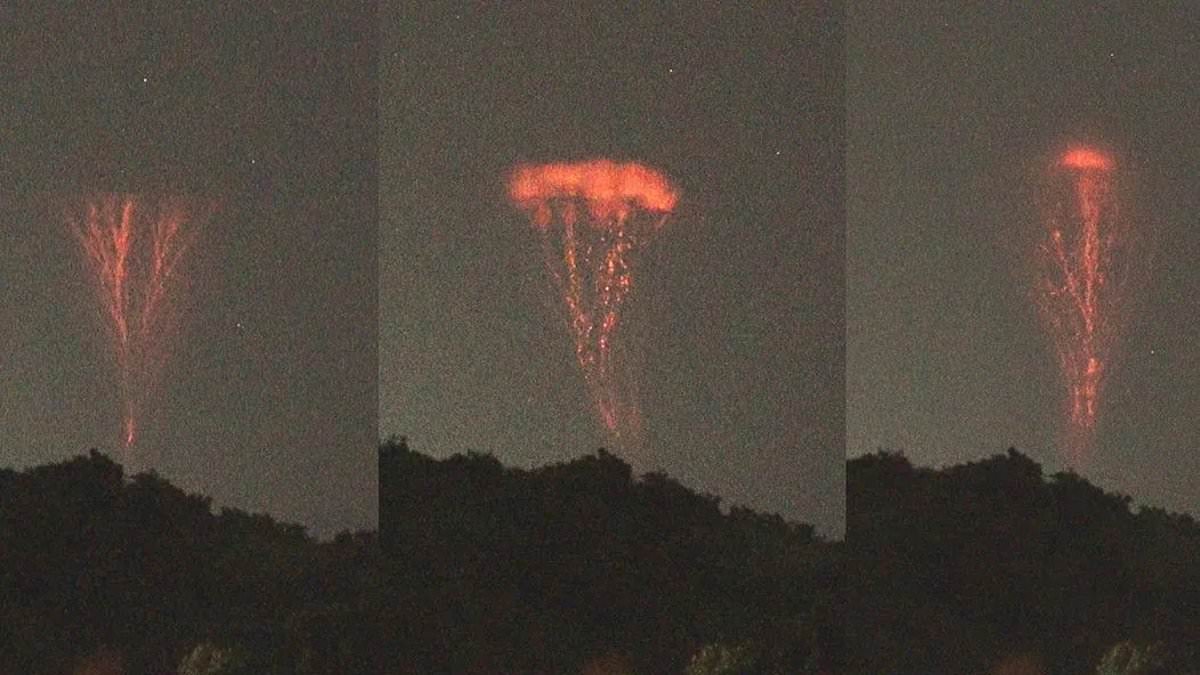
A photographer in Puerto Rico captured rare "gigantic jets" of lightning, which contain 50 times more energy than typical lightning bolts. These bolts, known as upward lightning, occur only about 1,000 times a year worldwide and are believed to happen most often during thunderstorms over the open ocean. The photographer documented three of these rare lightning events while tracking the early formation of Hurricane Franklin. Gigantic jets gain their crimson hue from contact with Earth's ionosphere, and they are related to the electrical phenomenon of red sprites.
A photographer leading a storm photo tour in Arizona captured rare red lightning sprites in the night sky above Mount Lemmon. Sprites are upper atmospheric discharges from lightning that occur about 50 miles above thunderstorms. The photographer and his group were able to capture these elusive phenomena after spotting a storm in Mexico on radar. The photographer used a Nikon Z6 and a 50mm lens, and the best conditions to see and photograph sprites are dark nights with clear skies and a distant storm.