
"Webb Telescope Uncovers Earliest Black Hole Merger"
TL;DR Summary
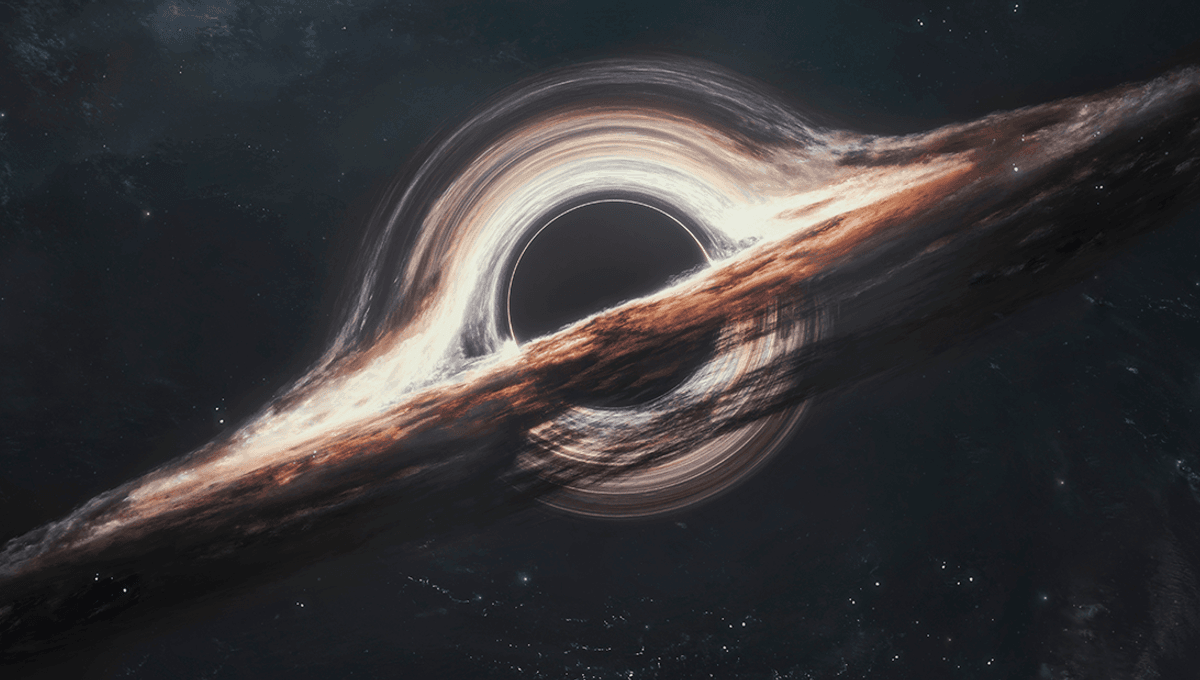
The James Webb Space Telescope (JWST) has discovered unexpectedly large black holes in the early universe, challenging existing theories of black hole formation. These black holes, observed in galaxies from just 330 million years after the Big Bang, are much larger than anticipated. One emerging theory suggests these supermassive black holes may have formed through "direct collapse" of massive gas clouds, bypassing the intermediate stellar phase. Further observations are needed to confirm this hypothesis and understand the origins of supermassive black holes.
Topics:science#black-holes#direct-collapse#early-universe#jwst#space-and-physics#supermassive-black-holes
- Are Those Eerie Oversized Black Holes In The Early Universe The Result Of Direct Collapse? IFLScience
- The First Big Black Holes May Have Formed without Stars Scientific American
- Webb Telescope Finds Most Distant Black Hole Merger Sky & Telescope
- Has black hole collision helped form the universe? Interesting Engineering
- Webb detects most distant black hole merger to date European Space Agency
Reading Insights
Total Reads
0
Unique Readers
1
Time Saved
3 min
vs 4 min read
Condensed
87%
630 → 82 words
Want the full story? Read the original article
Read on IFLScience